
Last updated November 15, 2026
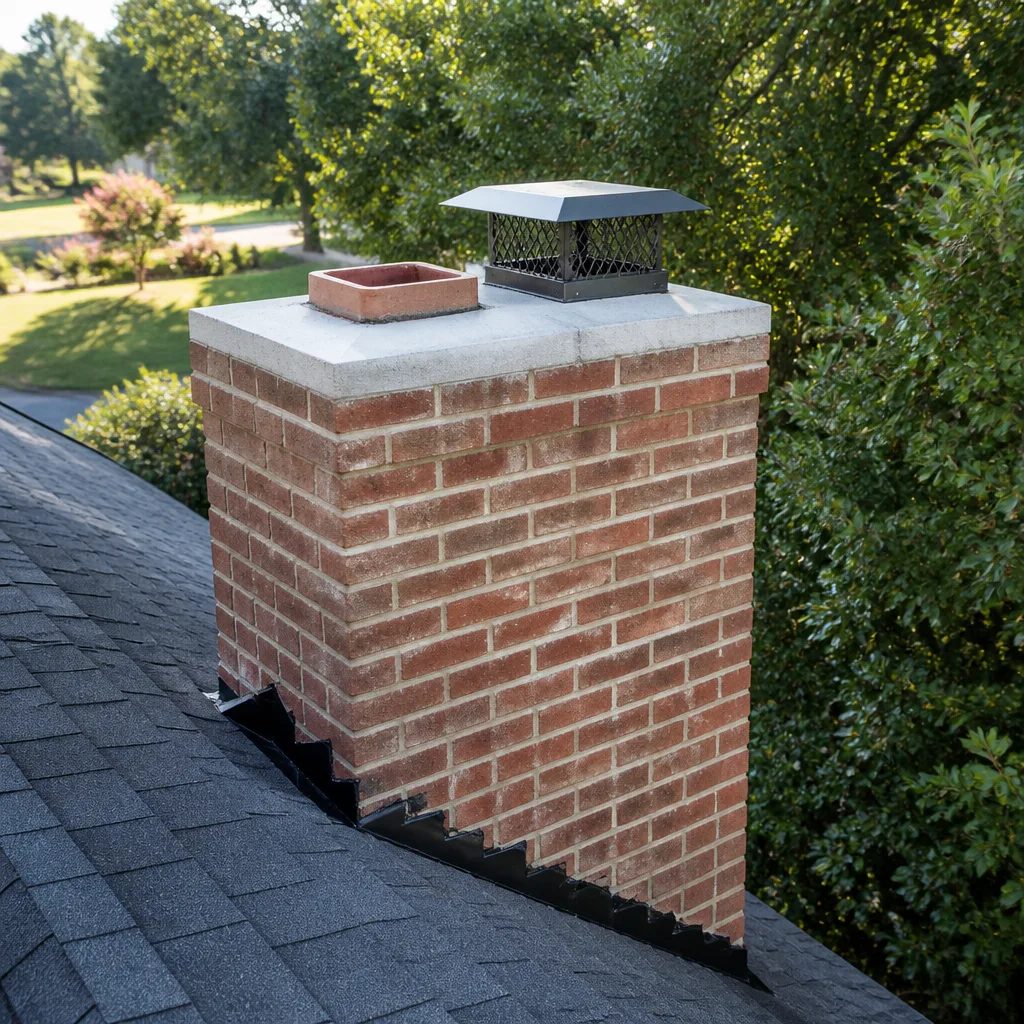 Sweep & inspection
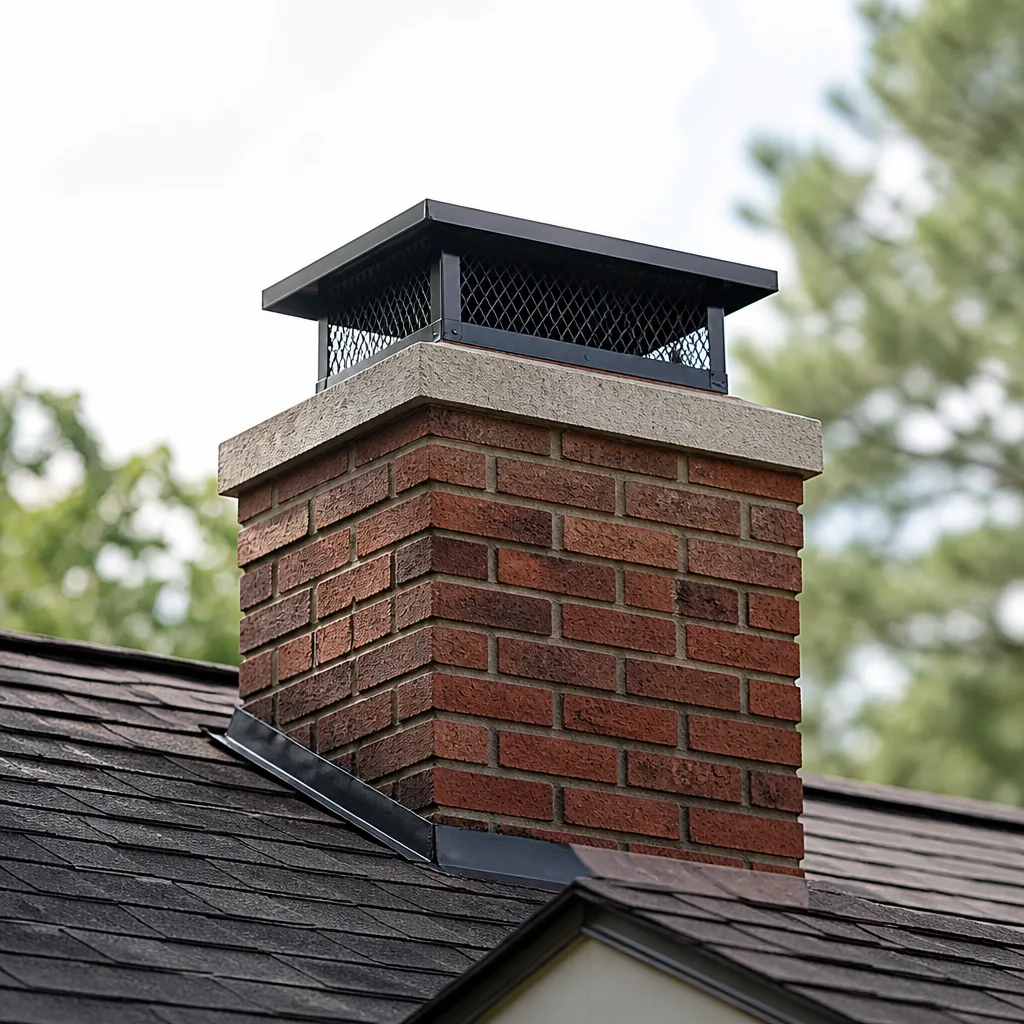 Caps & crowns
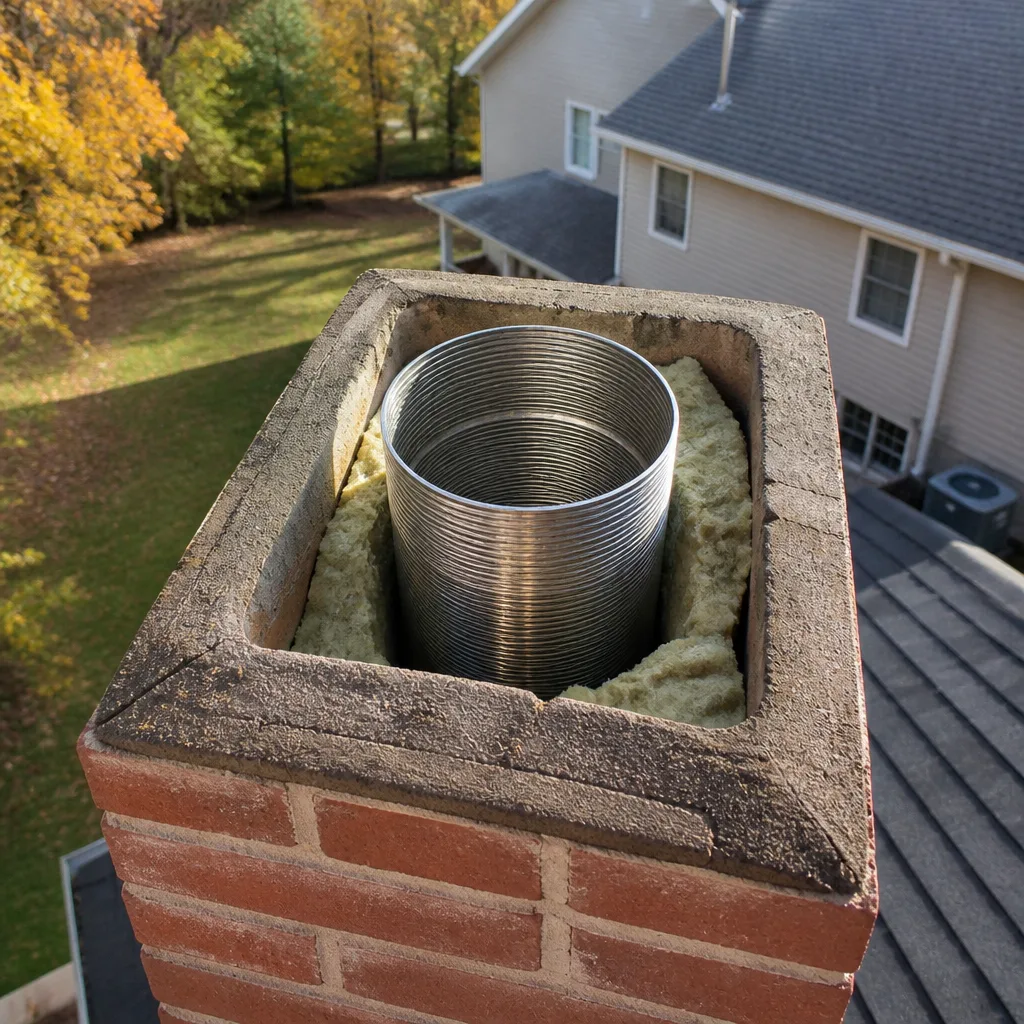 Flue relining
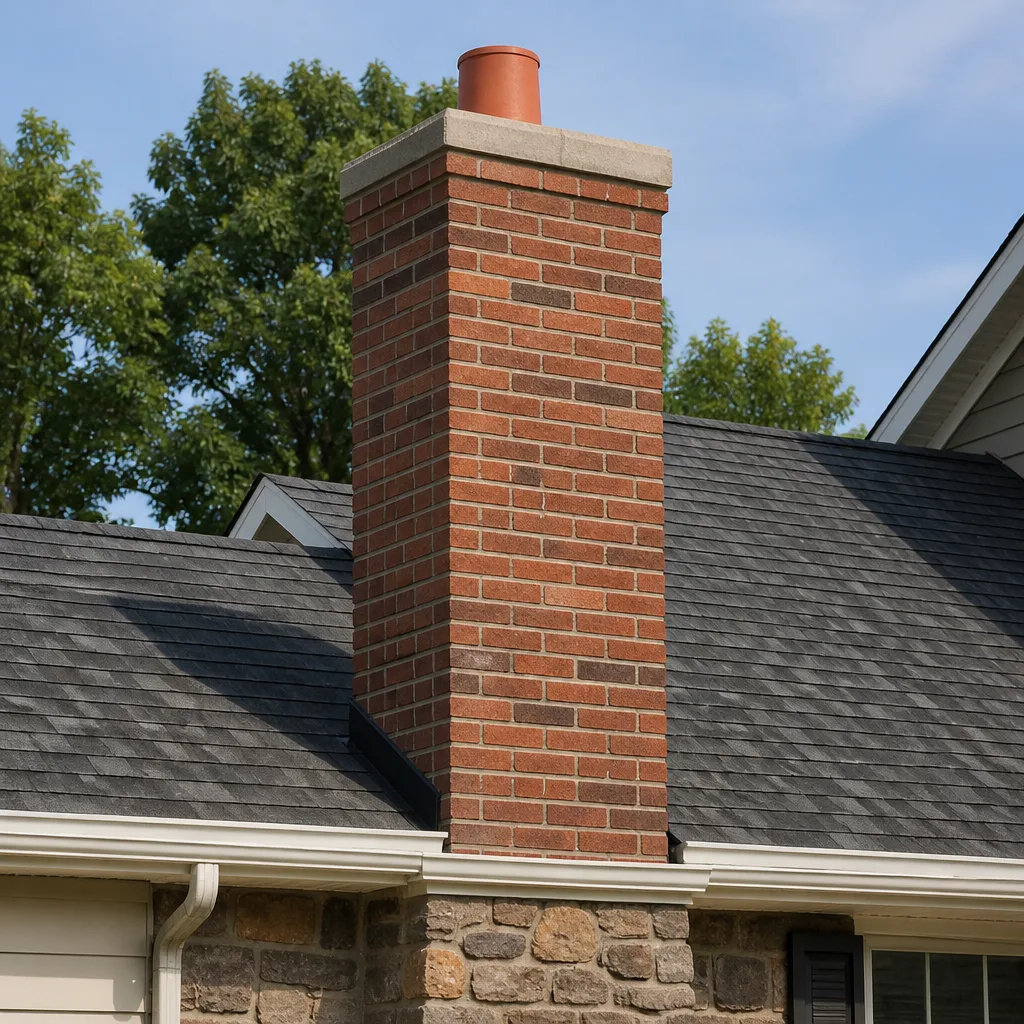 Masonry repair
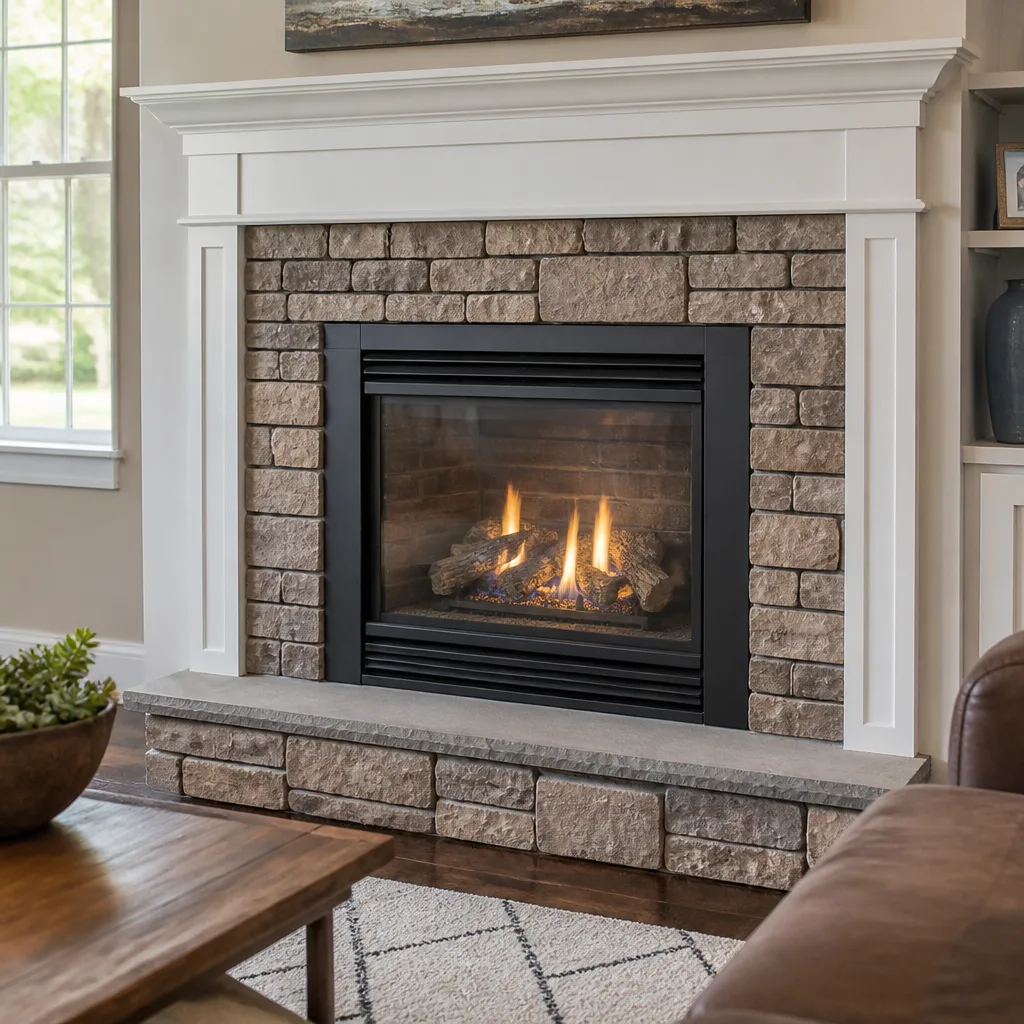 Gas fireplace service
Level 1 sweep and inspection to the NFPA 211 annual standard - flue, crown, cap, and flashing checked and photographed
Chimney sweep logs do not sweep chimneys. They loosen some creosote - which then falls where a brush and vacuum still have to collect it.
The Complete Guide to Chimney Cleaning in Santa Maria
Most chimney guides are written for cold-climate homes burning wood six months a year. If you light your Santa Maria fireplace a dozen times a season, the threats inside your flue look completely different, and so does the solution. Low-use chimneys don’t build up creosote the way heavily fired ones do. Instead, they sit idle for months at a time, collecting moisture, nesting material, and slow decay in places you never see. This guide covers what actually goes wrong in a lightly used Santa Maria chimney, how cleaning and inspection differ for the systems local homes have, and the correct order of work, so you can make decisions based on what’s inside your flue rather than guesswork.
Quick Answer
Chimney cleaning in Santa Maria means removing soot, creosote, and debris from the flue and firebox, then confirming with an inspection that the chimney is sound and venting correctly. For homes that burn only occasionally, the real risks are moisture damage, animal blockages, and deteriorated mortar, not heavy creosote. A proper service always starts with a Level 1 inspection, moves to sweeping, and only then addresses repairs the inspection actually found.
Styles & brands we work with
- Sweep & inspection
- Caps & crowns
- Flue relining
- Masonry repair
- Gas fireplace service
Table of Contents
- Why Chimney Care in Santa Maria Looks Different
- Factory-Built vs. Masonry: How Cleaning Differs
- Inspection vs. Cleaning: Why Low-Use Chimneys Need Both
- How Marine-Layer Humidity Affects Mortar and Flashing
- The Correct Sequence: Inspect, Sweep, Then Repair
- How Often Should a Santa Maria Chimney Be Swept?
- What Chimney Cleaning Costs in Santa Maria
- Signs Your Chimney Needs Attention Now
Why Chimney Care in Santa Maria Looks Different
Santa Maria sits in a valley climate with warm, dry summers and mild winters, and that changes the chimney failure pattern completely. In a cold-climate home burning cord after cord, the dominant problem is creosote: the tarry, flammable residue that builds up in a hot, frequently used flue and eventually ignites. In Santa Maria, most fireplaces run a handful of times across the cool months, so creosote layers stay thin. What builds up instead is the slow stuff. Moisture migrates into masonry, dust and debris settle in an unused flue, birds and rodents find an open chimney cap an easy place to nest, and the whole system drifts out of shape without anyone noticing.
Here’s the part that surprises people: a lightly used chimney can be in worse shape than a heavily used one. Heat and regular draft actually help keep a flue dry. A cold, idle flue is where moisture sits, mortar softens, and a masonry chimney starts to crumble from the inside. Add the marine layer that rolls in from the coast and lingers over the valley in the mornings, and you get a chimney that’s damp more often than it’s hot.
That’s the reframe this guide is built on. “Complete chimney care” in Santa Maria isn’t mostly about creosote removal. It’s about catching moisture damage, blockages, and structural decline early, before a small repair turns into a full reline. We’ve seen exactly this pattern across the valley, and the homes that stay safe are the ones where someone actually looks inside the flue on a regular schedule.
Factory-Built vs. Masonry: How Cleaning Differs
Santa Maria homes tend to have one of two chimney systems, and the sweeping method, the tools, and the inspection checkpoints are different for each. Knowing which one you have helps you ask the right questions when you book service.
Factory-Built (Prefabricated) Chimneys
These are the metal, multi-wall chimneys inside a framed chase, common in homes built from the 1970s onward. The flue is typically a stainless liner surrounded by insulation and an outer wall. Cleaning calls for brushes sized to the liner and non-abrasive handling, because scratching a stainless flue creates a surface where future creosote grabs on harder. Gas inserts and modern fireplace systems often connect to a factory-built chimney. When these liners fail, we reline them using professional-grade systems such as DuraFlex, which is built for exactly this kind of retrofit.
Masonry Chimneys
Older homes in Santa Maria often have brick and mortar chimneys with a clay tile liner. These need a different approach. The brush has to match the flue shape, and the sweep should be looking at the mortar joints and tile condition as they go, because masonry flues fail at the joints first. When the clay liner is cracked or the inner face has spalled, resurfacing with HeatShield can restore it without tearing out the whole chimney. That’s a repair a general contractor typically won’t offer, because it requires chimney-specific equipment and training.
- Factory-built: metal liner, sized brushes, watch for liner damage and chase moisture
- Masonry: clay tile liner, mortar joints are the weak point, resurfacing is a valid repair path
- Gas inserts: different venting requirements, needs a technician who understands the appliance, not just the flue
Whatever the system, the work belongs to a chimney-only specialist. A roofer or HVAC tech filling a schedule gap doesn’t carry the liners, brushes, or camera gear this trade runs on, and won’t spot the failure points that matter.
Inspection vs. Cleaning: Why Low-Use Chimneys Need Both
Homeowners often assume a cleaning includes an inspection. It doesn’t. The two are separate services with different purposes, and on a low-use Santa Maria chimney the inspection is arguably the more important of the two, because the things that hurt a lightly used flue are invisible from the firebox.
What a Level 1 Inspection Covers
A Level 1 inspection is the standard, non-invasive look at the chimney you should get with every service call and once a year regardless of use. It covers:
- The firebox, damper, and smoke chamber
- The accessible portions of the flue (checked with a camera where the setup allows)
- The chimney cap, crown, and visible exterior masonry
- Clearances to combustible material and obvious venting problems
- Signs of moisture intrusion, efflorescence, or spalling brick
What a Cleaning Covers
A cleaning removes what’s inside the flue: soot, creosote, dust, and debris, along with any animal nests or blockage. It restores flow and removes fuel load. What it does not do is tell you whether the liner is cracked, whether the mortar is failing behind the brick, or whether the flashing at the roof line is letting water in.
That’s why both matter on a Santa Maria chimney that burns infrequently. A sweep with no inspection misses exactly the problems low-use flues develop. An inspection with no sweep leaves debris and creosote sitting in the flue. We inspect first, clean second, and only recommend repair based on what we actually found, so nothing gets added to the ticket that the inspection doesn’t support. If your system hasn’t been looked at in a while, a chimney inspection is the right starting point.
How Marine-Layer Humidity Affects Mortar and Flashing
Santa Maria’s coastal-influenced weather brings overnight and morning moisture into the valley with real regularity, and a masonry chimney is a sponge for it. Brick and mortar are porous. When a chimney absorbs moisture and then dries slowly, the water works on the softest parts first: the mortar joints, the crown on top, and the flashing where the chimney meets the roof. Over a few seasons you get hairline cracks in the mortar, a crown that starts to separate, and flashing that pulls away from the masonry just enough to let water track into the attic or ceiling below.
From the outside, a chimney in this condition can look fine. From the inside, after a damp stretch, you’ll often see the telltales: white chalky staining (efflorescence) on the brick, crumbling mortar dust in the firebox, or a musty smell coming down the flue on a warm day. Those signs mean water is getting in and staying in.
Cleaning and inspecting on a regular schedule catches it early, before a repointing job becomes a rebuild. We can also tell you when water issues need addressing rather than just monitored, and we’ll say plainly when a repair can wait. Mortar doesn’t fail overnight, but it doesn’t fix itself either.
The Correct Sequence: Inspect, Sweep, Then Repair
A lot of chimney work gets done out of order, and it costs homeowners money. The correct sequence is always inspection first, cleaning second, repair third. Here’s why that order matters and what each step involves.
- Inspect. Before anything is swept, the technician looks inside the flue with a camera and checks the firebox, cap, crown, and flashing. This establishes what’s actually wrong and what the cleaning needs to accomplish.
- Sweep. With the inspection complete, the cleaning is targeted to what was found. On a masonry chimney with a failing joint, the sweep is done carefully so it doesn’t worsen the problem. On a factory-built flue, the brush is matched to the liner.
- Document. A photo report from the camera inspection shows you what the technician saw. You get to see the evidence for yourself, which is the only way to trust a repair recommendation you can’t otherwise verify.
- Recommend only what’s needed. If the inspection showed a cracked liner, resurfacing with HeatShield or a reline with a DuraFlex system may be the right fix. If it didn’t, nothing is added. When a repair can safely wait, we say so.
- Repair. When repair is warranted, a chimney-only team does the work with professional-grade materials. This is the step general contractors often skip or sub out, because it’s outside their usual scope.
Those professional-grade materials matter at every step. We work with industry-recognized brands like Olympia Chimney, Gelco, and Famco for components and supplies, alongside DuraFlex for relining and HeatShield for resurfacing. These are the same materials specified by chimney professionals nationally, which means the repair is built to the standard the trade uses, not to whatever’s cheapest at the supply house. When the work is done, the whole system has been seen and handled by one team, so you’re not coordinating a sweep, an inspector, and a mason who never talk to each other.
How Often Should a Santa Maria Chimney Be Swept?
The standard answer is once a year, whether or not you’ve burned much, and Santa Maria’s climate produces a real second reason for that schedule. The annual sweep catches creosote, but it also serves as the yearly inspection that catches the moisture, animal, and structural problems an idle flue develops. So even a fireplace you light six times a season should be looked at once every twelve months.
Some homes need more frequent service:
- Heavier burners. If you run the fireplace most cool evenings, sweep based on use, not the calendar. A chimney-only specialist can tell you whether you’re in a once-a-year or twice-a-year pattern.
- Gas inserts and appliances. These vent differently and need a technician who understands the venting, not just a brush. Annual inspection still applies.
- Chimneys with a history of water damage. If mortar or a crown has shown moisture issues before, an annual check lets you catch progression early.
- Homes near trees. Open caps and trees over the roof line mean birds and rodents find the flue. A blocked flue is a carbon monoxide hazard, not a nuisance.
If it’s been more than a year since your last service, booking a chimney sweep now is the simplest way to get back on schedule. The work is quick, the inspection included, and the recommendation that comes out of it will be based on evidence you can see.
What Chimney Cleaning Costs in Santa Maria
Pricing for chimney work varies by system type, condition, and what the inspection finds, so every job is quoted per job from a written estimate. The table below reflects typical estimated ranges for the kind of work we do in Santa Maria, not exact prices; the written estimate is what sets the final number.
| Service | Typical estimated range |
|---|---|
| Level 1 inspection | Quoted per job in the written estimate |
| Standard chimney sweep (factory-built or masonry, accessible flue) | Quoted per job in the written estimate |
| Sweep plus inspection (most common for low-use homes) | Quoted per job in the written estimate |
| HeatShield resurfacing (masonry liner restoration) | Quoted per job in the written estimate |
| DuraFlex relining (factory-built or masonry reline) | Quoted per job in the written estimate |
We don’t publish a fixed menu because a quote that ignores what’s actually in your flue is a guess, not an estimate. The inspection is what makes the number real. If you want to know what your chimney needs before committing to anything, a free estimate is the honest way to find out. Call (866) 389-4535 to schedule; we answer 24/7, with fast dispatch from 7am to 7pm, Sunday through Friday.
Signs Your Chimney Needs Attention Now
Most chimney problems announce themselves softly, and the ones you can see or smell are already worth a call. The following signs mean it’s time for an inspection rather than a wait-and-see:
- Draft problems. Smoke rolling into the room instead of up the flue usually points to a blockage or a damaged flue, and a blocked flue can push carbon monoxide back into the house.
- Musty smells on warm days. That’s often moisture in the masonry, or debris and nesting material sitting in the flue.
- White staining on brick. Efflorescence means water is moving through the masonry and leaving minerals behind as it dries.
- Crumbling mortar or dust in the firebox. Mortar joints failing inside the flue are how masonry chimneys lose structural integrity.
- Animal sounds or visible nesting. Birds and rodents find chimney caps and open flues convenient. A nest in the flue is a blockage you can’t safely clear yourself.
- Water stains on the ceiling near the chimney. That’s usually flashing letting water in at the roof line.
If any of these sound familiar, the right move is a Level 1 inspection and a camera look, not a guess. We do the work with the same specialist focus a chimney-only team brings to every job, and we’ll show you what’s inside before recommending anything.
Common Mistakes to Avoid
- Skipping the annual check because you “hardly use it.” Low use in Santa Maria is exactly the condition that lets moisture and blockages go unnoticed. The less you burn, the more the problems are the invisible kind.
- Hiring a generalist to sweep. A roofer or handyman can run a brush, but won’t spot a cracked clay liner, a failing crown, or a flashing issue. A chimney-only specialist is looking for the right failure points.
- Getting repair work done before the inspection. Repairs recommended without a camera inspection are repairs without evidence. Insist on the order: inspect, sweep, then repair.
- Burning unseasoned or trash wood. Wet wood creates more smoke and more deposits. Keep the firebox to dry, seasoned wood.
- Sealing the chimney off for the summer. If you block a flue without understanding the venting, a gas appliance connected to it can backdraft. Ask before you cap or seal.
- Assuming a metal chimney is “maintenance-free.” Factory-built liners can crack and creosote can still deposit. A factory-built flue needs inspection just like masonry.
- Trying to clear a blockage yourself. A chimney with a nest, a fallen tile, or a failing liner is a confined, dangerous space, and the tools are not the same as a home brush. This is real safety work, not a weekend project.
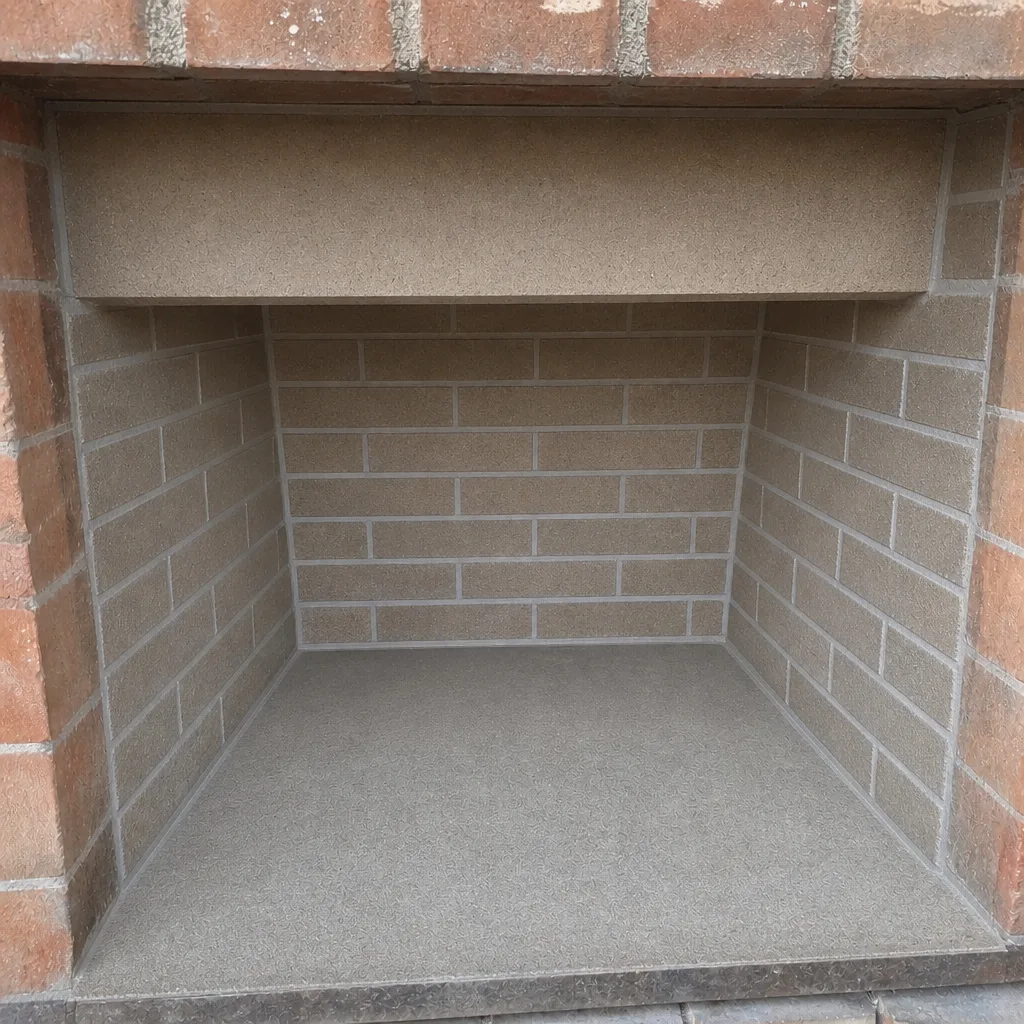
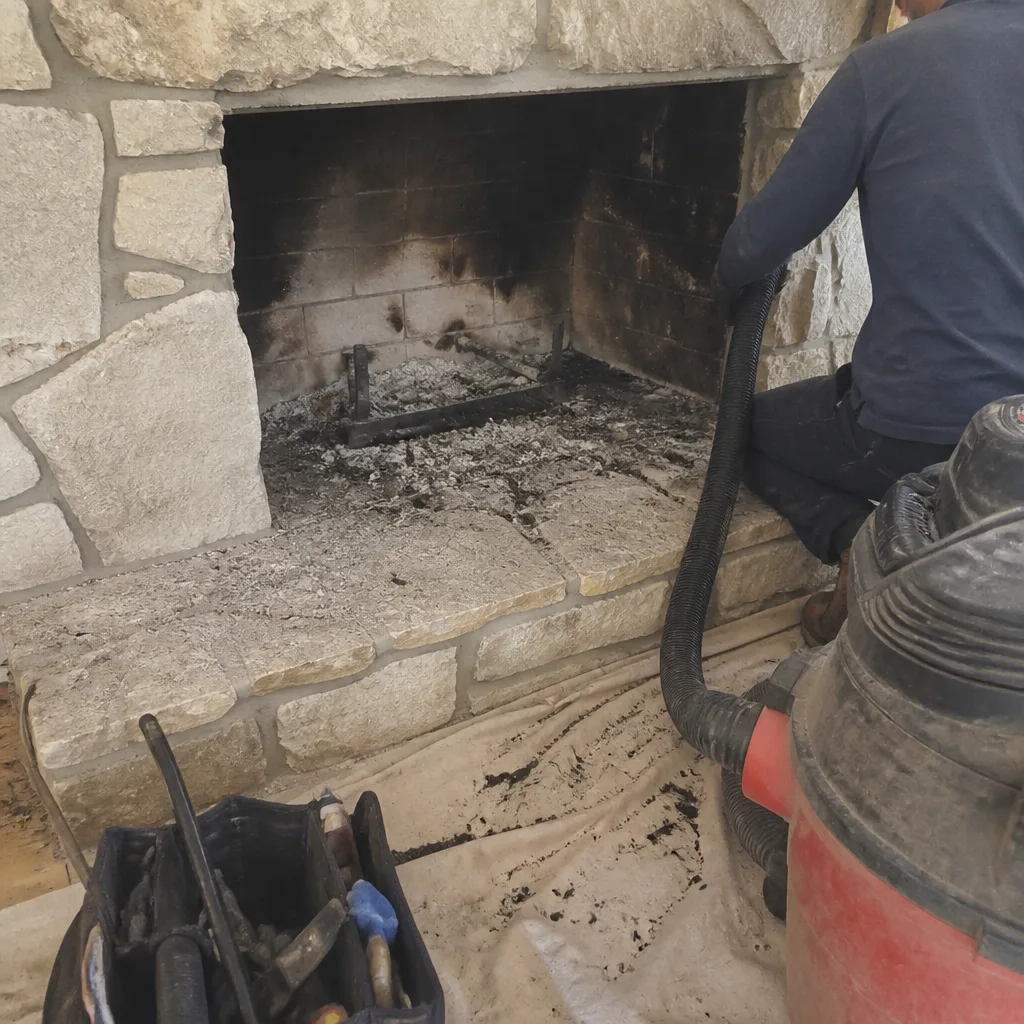
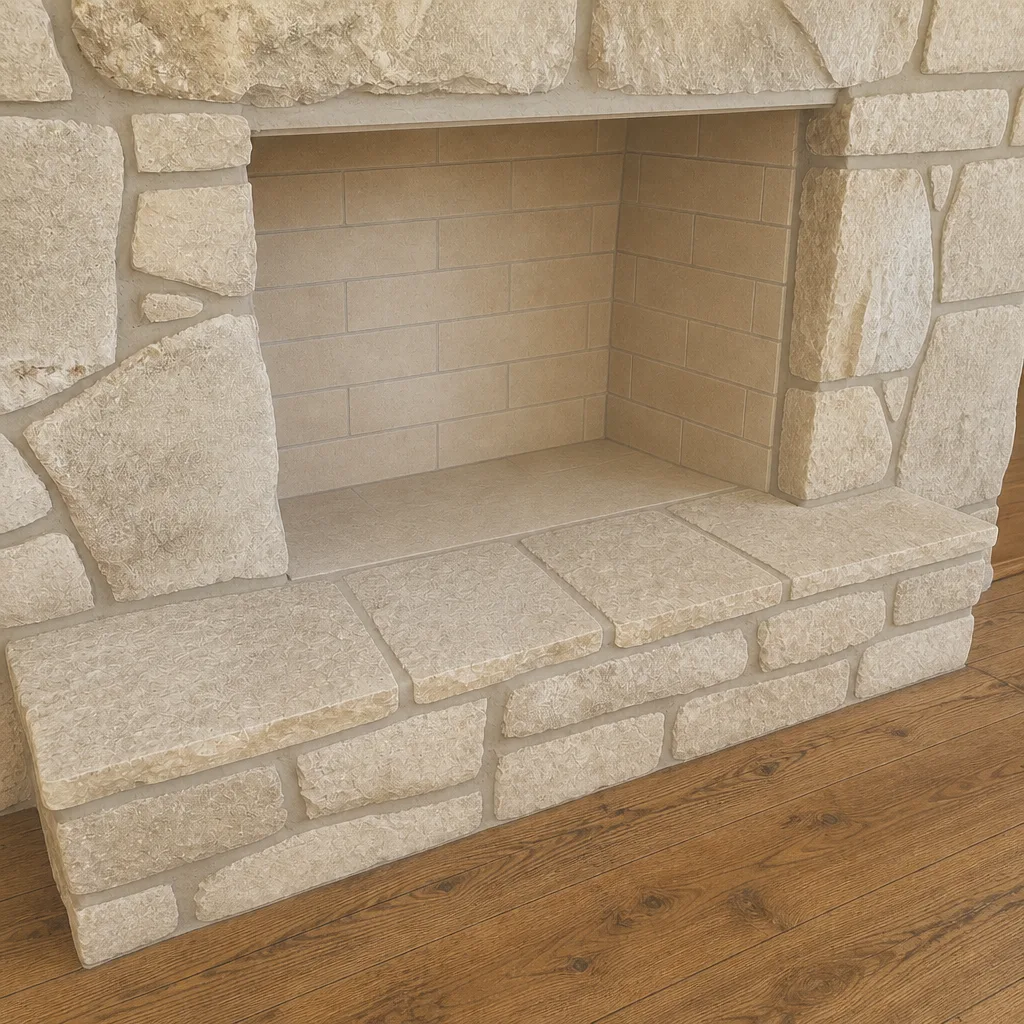
See the difference
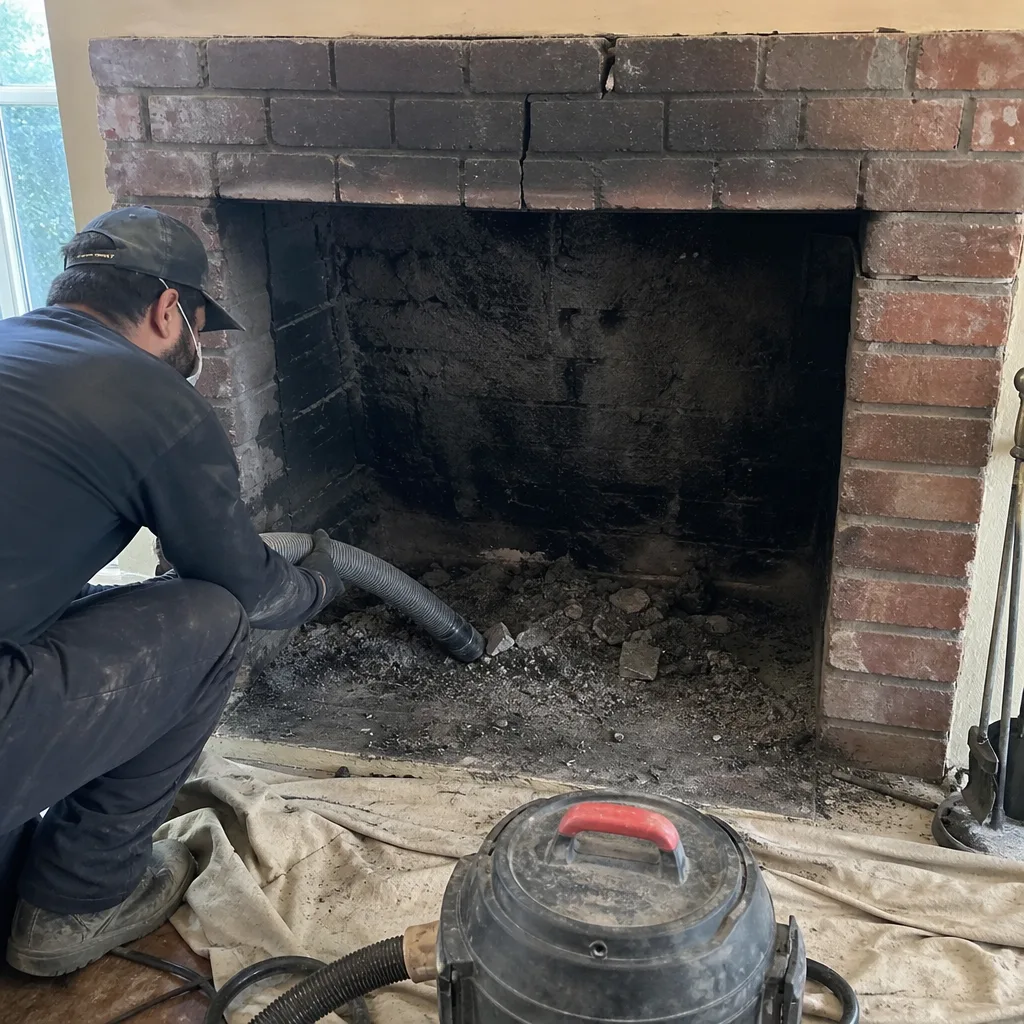 Before
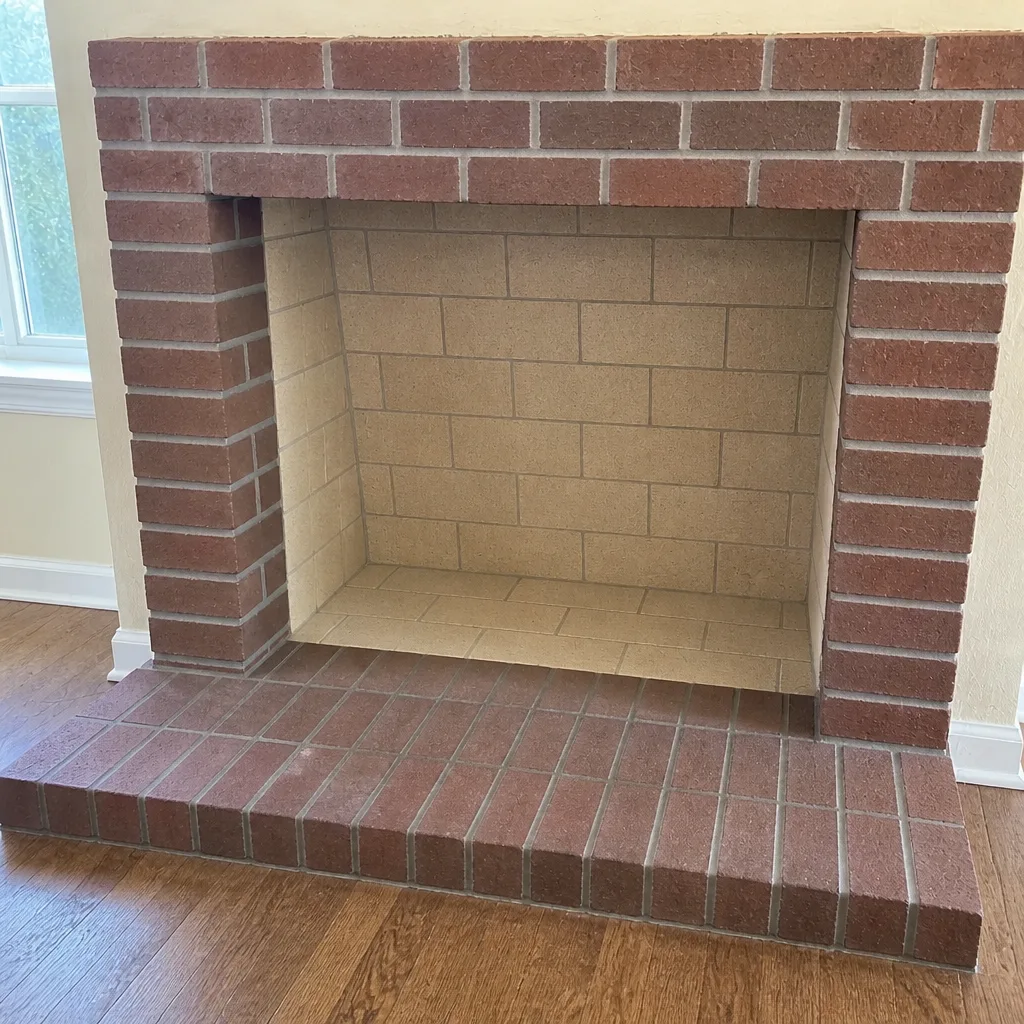 After
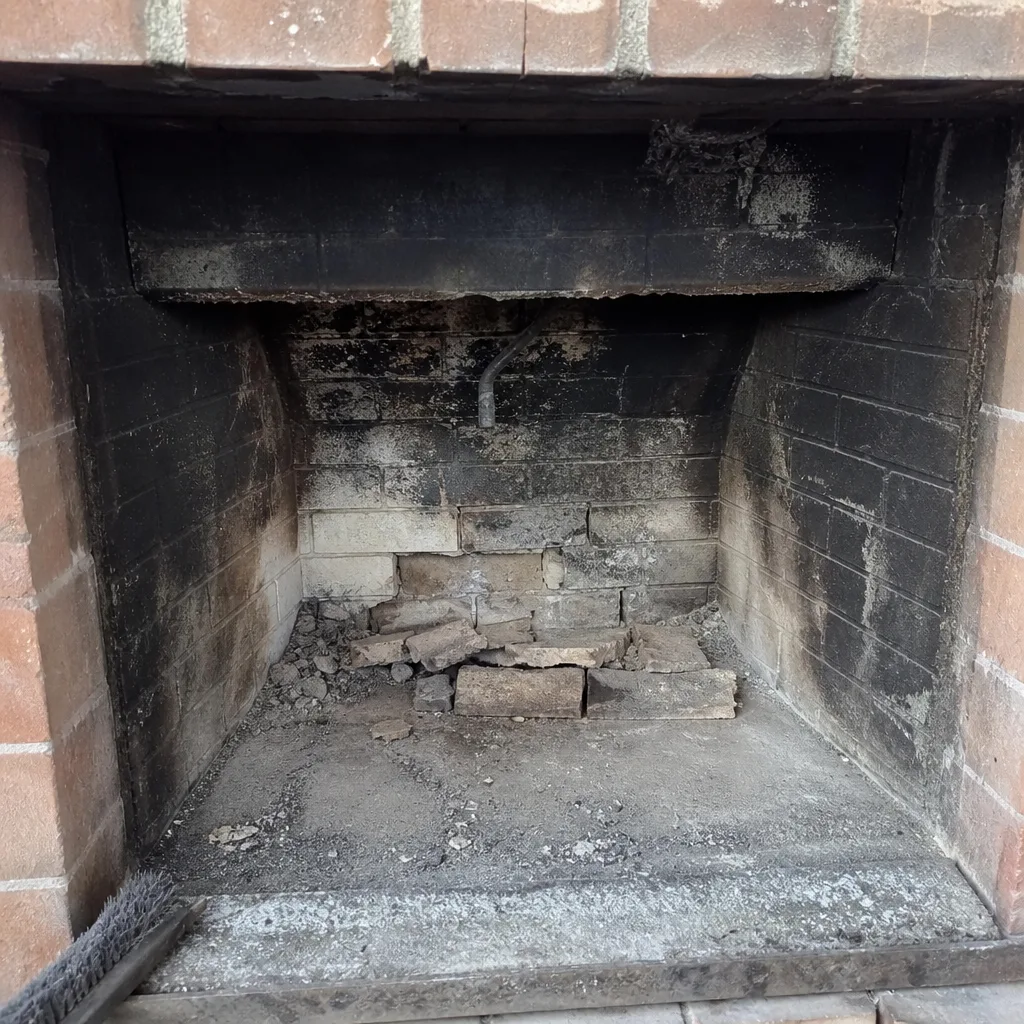 Before
 After
 Before
 After
When to Call a Professional
You should call a chimney specialist when you notice draft problems, smoke in the room, animal activity in the flue, water stains near the chimney, or musty smells on warm days, and at least once a year even when nothing’s wrong. If your chimney has visible mortar deterioration, a cracked flue, or a damaged crown, that’s repair territory and belongs with a chimney-only team using professional-grade materials. Chimney Sweep Santa Maria offers free estimates in Santa Maria. Call (866) 389-4535 for an assessment, and we’ll tell you plainly whether your chimney can safely wait or needs work now. For repair specifically, see our chimney repair page, and if you’re nearby, our Santa Maria service page covers the full scope.
Frequently Asked Questions
Chimney cleaning in Santa Maria is quoted per job from a written estimate based on the inspection findings, so there’s no one-size number. The estimate is free, and the inspection is what makes the quote accurate. Call (866) 389-4535 for an exact quote; estimates are free.
Only if the inspection shows your liner is actually compromised. A cracked clay liner or a stainless liner with a breach may need resurfacing with HeatShield or a full reline with a professional DuraFlex system, but a lot of chimneys don’t. Nothing is recommended without camera evidence you can see for yourself, and we’ll tell you plainly when a repair can safely wait.
Once a year is the standard for most Santa Maria homes, even when the fireplace is used only a dozen times a season. The annual visit doubles as the inspection that catches moisture, blockages, and structural problems an idle flue develops. If you burn most cool evenings, the schedule may be more often; a specialist can tell you what fits your use.
A skipped chimney means the risks grow unseen. Creosote, even in thin layers, is flammable; blockages can push carbon monoxide into the home; and moisture damage progresses without warning until a small mortar repair turns into a rebuild. None of that announces itself. A yearly visit is the only reliable way to catch it early.
Yes. Factory-built chimneys and gas inserts need chimney-specific tools and a technician who understands the venting, not a general handyman. We clean both, inspect both, and use professional-grade components, including DuraFlex liners for factory-built relining.
Yes. Every job starts with the inspection, and our recommendation follows the evidence. If the camera shows a sound flue and the exterior is holding up, we say so, and when a repair can wait, we tell you that too. The right repair, not the easiest upsell, is how we work.
The Bottom Line
Santa Maria’s mild, lightly used fireplaces need a different kind of care than cold-climate guides describe. Creosote is a real concern, but moisture damage, animal blockages, and mortar decline are the bigger threats in a flue that sits idle for months. The fix is simple: get a Level 1 inspection and a cleaning at least once a year, do the inspection before the repair, and insist on a specialist who uses professional-grade materials and shows you what they found. That’s what Chimney Sweep Santa Maria does as a chimney-only specialist. Call us for a free estimate, and we’ll tell you where your chimney actually stands.
Call (866) 389-4535. We answer 24/7. Fast dispatch from 7am to 7pm, Sunday through Friday. Estimates are free, and the written estimate sets the final price.
Written by the team at Chimney Sweep Santa Maria.