
Last updated November 15, 2026
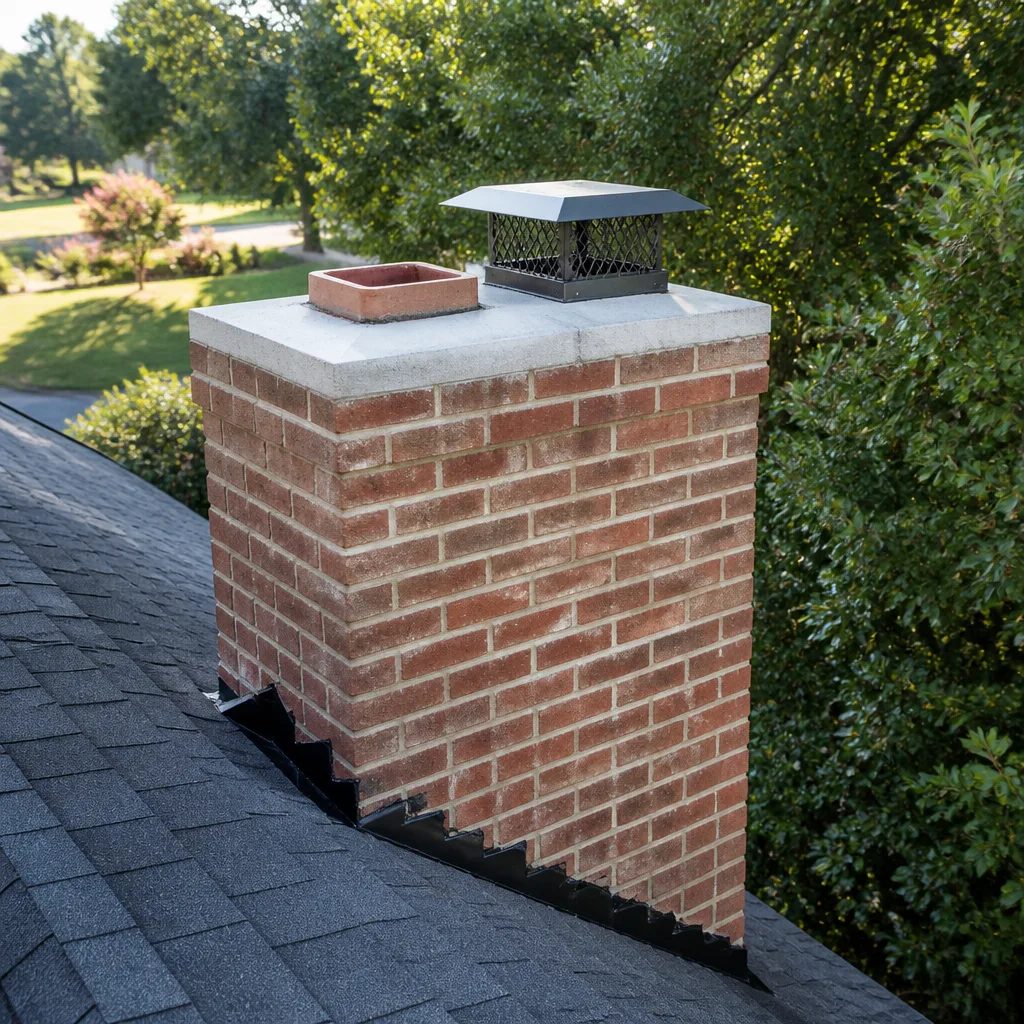 Sweep & inspection
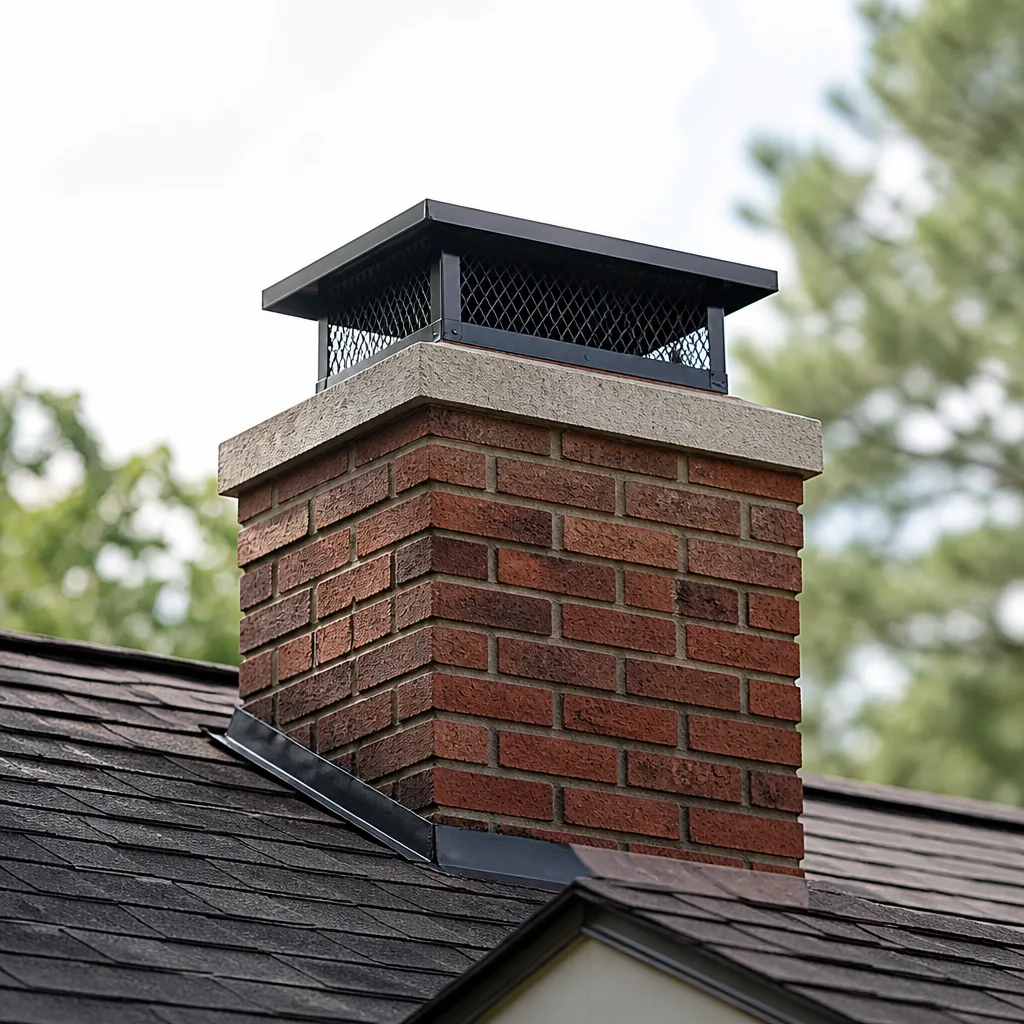 Caps & crowns
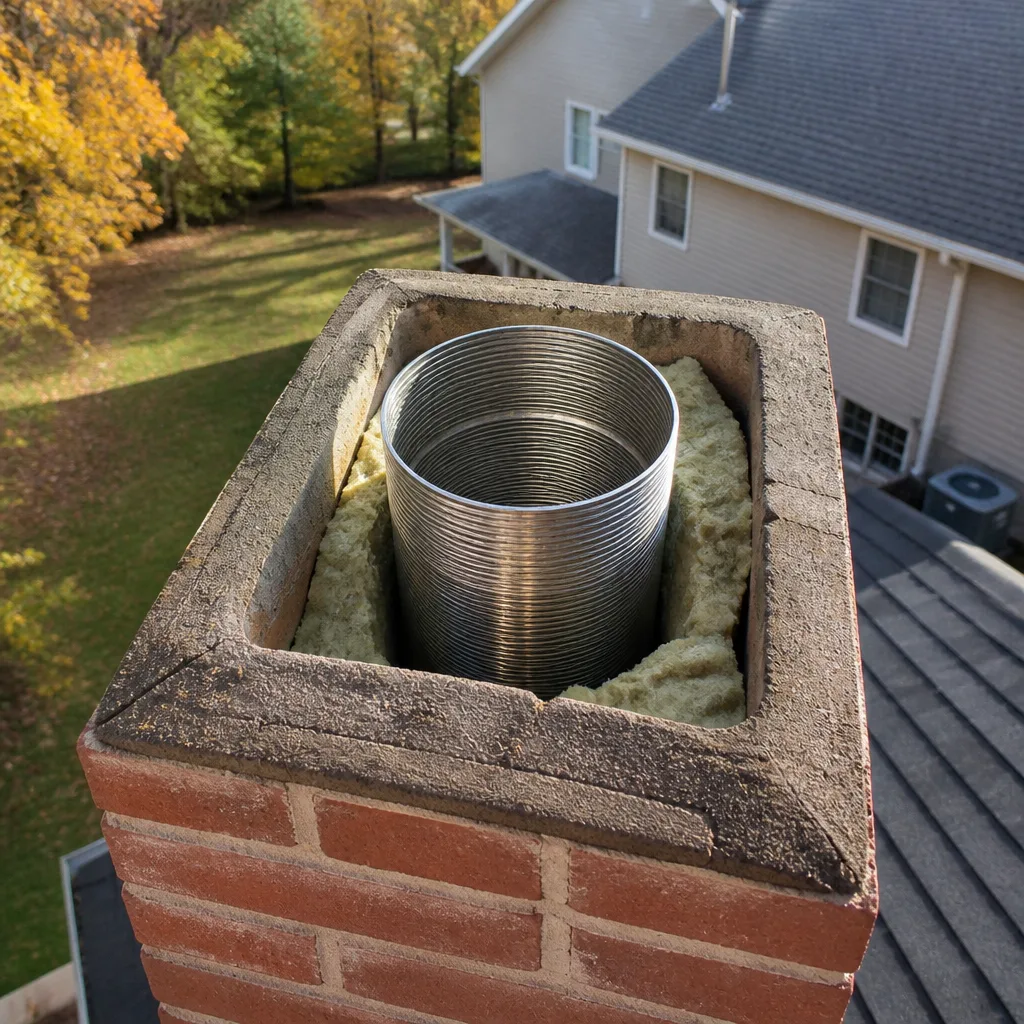 Flue relining
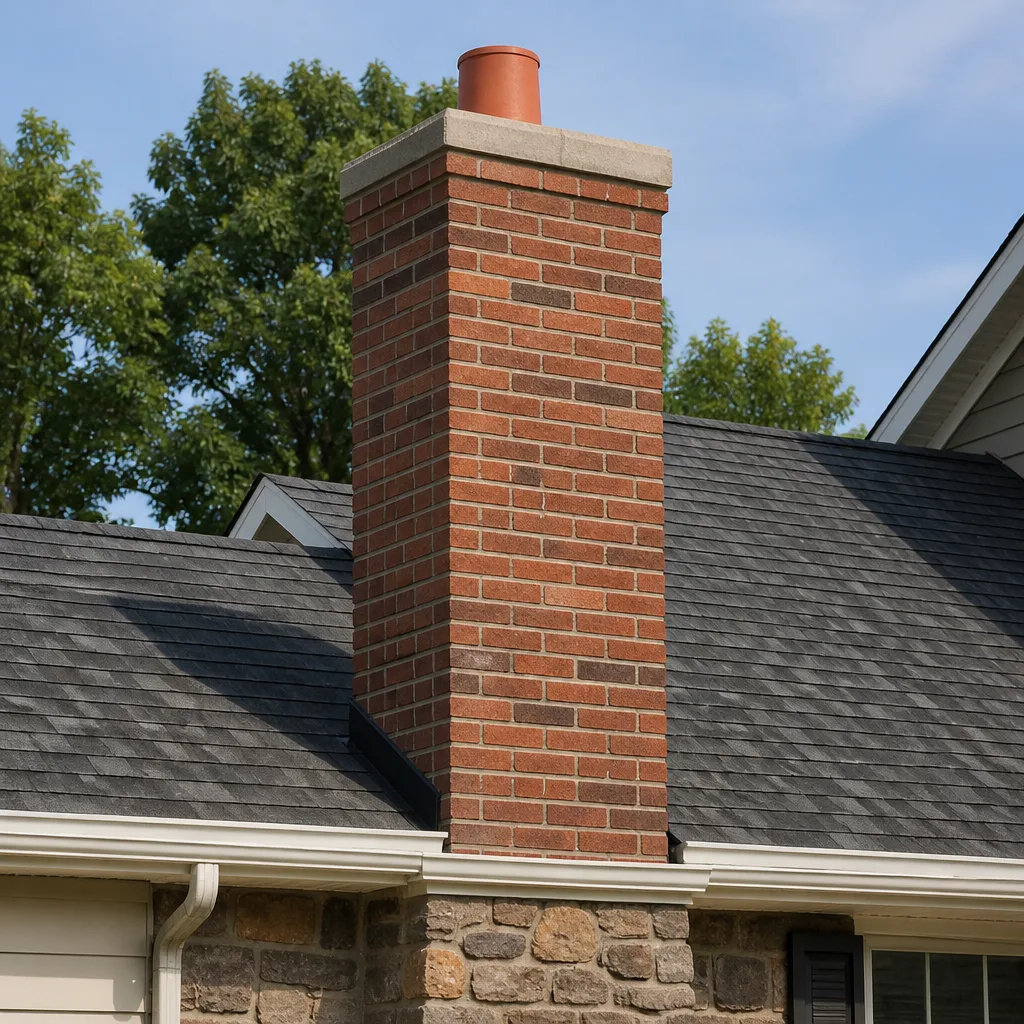 Masonry repair
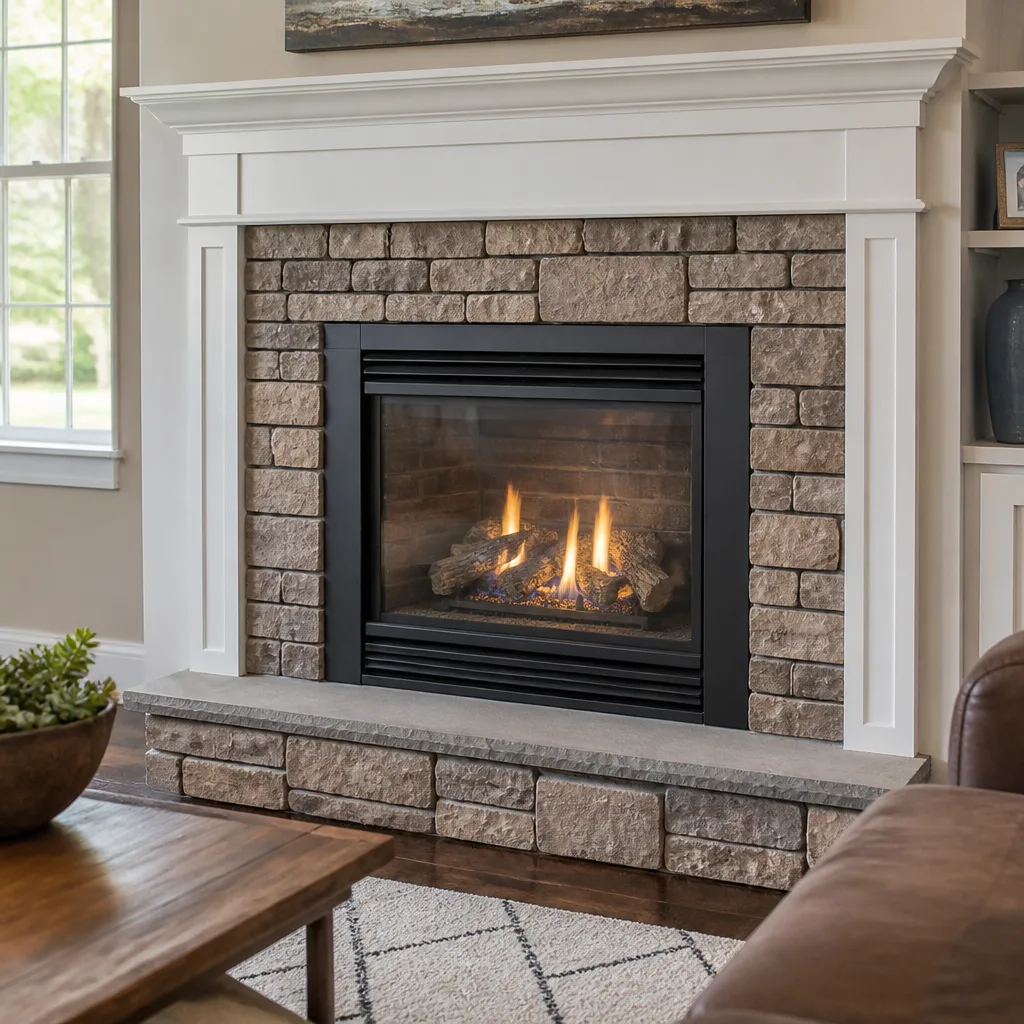 Gas fireplace service
Level 1 sweep and inspection to the NFPA 211 annual standard - flue, crown, cap, and flashing checked and photographed
Chimney sweep logs do not sweep chimneys. They loosen some creosote - which then falls where a brush and vacuum still have to collect it.
How to Hire a Chimney Cleaning Contractor in Santa Maria: A Step-by-Step Guide
California doesn’t require a license specifically to sweep a chimney. That single fact explains most of what goes wrong in this trade. The company quoting a suspiciously low flat rate on a door hanger and the trained specialist charging a fair price for a full inspection and sweep are both operating legally in Santa Maria. One of them has the training, the equipment and the insurance to do it right; the other may not. This guide is about telling them apart before anyone climbs on your roof. We’ll walk through what certification actually means, what to ask about equipment and written reports, and how a legitimate service agreement should read.
Quick Answer
The best way to hire a chimney cleaning contractor in Santa Maria is to verify CSIA certification directly on the Chimney Safety Institute of America website, ask what equipment the crew uses, request a written inspection report with photos, and get a written estimate that lists what’s included. A chimney-only specialist who inspects first and recommends honestly will always outperform a generalist who adds sweeping to a long list of services. Price matters, but it’s the last thing to compare, not the first.
Styles & brands we work with
- Sweep & inspection
- Caps & crowns
- Flue relining
- Masonry repair
- Gas fireplace service
Table of Contents
- Why hiring the right chimney contractor matters in Santa Maria
- What CSIA certification actually means and how to verify it
- Red flags in the Santa Maria chimney service market
- The equipment questions that separate professionals from handymen
- Why a chimney-only specialist beats a multi-trade contractor
- What a legitimate written estimate should include
- Step-by-step: how to hire in Santa Maria
- Common mistakes to avoid
Why hiring the right chimney contractor matters in Santa Maria
Santa Maria sits in a warm inland valley where winter evenings still get cold enough to light a fire, and a lot of homes here have masonry chimneys built decades ago. Those chimneys were fine for their era, but creosote builds up whether the house is new or old, and a chimney that hasn’t been inspected in years can hide cracks, failing mortar joints, a damaged flue liner, or a blocked cap that a sweep alone won’t fix. Hiring the wrong contractor isn’t just a wasted afternoon – it’s the difference between a real diagnosis and a surface-level brush-off.
What we see in this market is a wide range of service quality. Some companies run full crews with HEPA vacuums and camera inspection equipment. Others send one person with a hand brush and a shop vac. Both will tell you your chimney is clean. Only one of them is telling you the truth.
The stakes are real. Chimney fires are a serious hazard, and carbon monoxide from a blocked or damaged flue is a quiet one. A trained specialist looks for signs of both during a routine sweep, which is why the inspection is the part that matters most – not the sweeping itself. If you want a baseline on how often a chimney needs attention, our guide to chimney sweep service covers the timing in detail.
What CSIA certification actually means and how to verify it
The Chimney Safety Institute of America (CSIA) is the recognized credentialing body for chimney sweeps in the United States. A CSIA-certified sweep has passed a standardized exam, maintains continuing education, and agrees to a code of ethics. It’s not a government license, but it’s the closest thing this trade has to one, and it’s the single most reliable signal that someone takes the work seriously.
Verification takes about 60 seconds:
- Go to the CSIA website and open the “Find a Chimney Professional” search.
- Type in the company name or the technician’s name.
- Confirm the certification is current, not expired.
- Ask the company to provide the technician’s CSIA ID number if you want to double-check the individual, not just the company.
If a company can’t produce a CSIA certificate or a name you can look up, that’s not automatically disqualifying – there are experienced technicians who aren’t certified – but it does mean you need to ask more questions about training, equipment, and insurance. Never take “we’re certified” at face value. Ask certified by whom, and then confirm it.
Some contractors advertise NFPA 211 compliance, which is a standard for chimney inspection, not a certification. It’s a legitimate reference point, but it doesn’t mean the company has been tested or credentialed. Know the difference before you hire.
Red flags in the Santa Maria chimney service market
Here are the signs we tell homeowners to watch for when comparing quotes in Santa Maria and the surrounding neighborhoods – signs that a company is chasing a quick upsell rather than an honest inspection:
- A flat rate that seems impossibly low. A sweep involves real labor, real equipment, and real liability coverage. If a number is dramatically below the local norm, ask what it includes. It usually doesn’t include an inspection, a report, or any real diagnosis.
- No inspection offered before the sweep. Every legitimately trained technician inspects before cleaning. If the plan is to sweep and leave, you’re getting half the service.
- No written report or photos. A professional inspection produces documentation: written findings, photos of the flue and firebox, and a clear explanation of what was found. If you don’t get anything in writing, you have no way to verify a recommendation later.
- High-pressure same-visit repair recommendations. A chimney that suddenly needs thousands of dollars of work on the same visit as a routine sweep is a red flag. Ask for the photos, ask for a second opinion, and don’t sign on the spot.
- A long list of unrelated trades on the truck. Roofing, HVAC, gutter cleaning, general handyman work, and chimney sweeping on one invoice usually means chimney isn’t the specialty.
- No physical address or business history you can confirm. Not the same thing as “local.” You’re looking for a company that can be verified, referenced, and held accountable.
None of these are automatic proof of a bad actor. But when three or four of them show up together, the picture is clear enough to move on.
The equipment questions that separate professionals from handymen
A chimney sweep is only as good as the tool in the flue, and the differences in equipment tell you almost everything about how serious a contractor is. Ask these questions before you book:
- Do you use a HEPA-filtered vacuum? Professional chimney vacuums capture fine soot and ash at the filter. Consumer shop vacs push the finest particles back into the room. If the vacuum doesn’t say HEPA, ask why not.
- What rotary cleaning system do you use? Rotary rods with the right brush head and a proper whip clean the flue walls without damaging the liner. A hand brush is fine for a light touch-up; it’s not a full cleaning solution for a chimney with heavy buildup.
- Do you inspect with a camera? A camera lets the technician see the full length of the flue, including bends, offsets, and the top of the flue, without guesswork. If a recommendation comes without a camera image behind it, be skeptical.
- What protective equipment do you bring inside? Drop cloths, corner guards, and shoe covers are basic professionalism. A crew that tracks soot through the house is telling you something about how they’ll treat the inside of your flue too.
- Do you carry the materials to fix what you find? A proper repair toolkit includes liners, resurfacing systems, and the small components – caps, dampers, mortar – that chimney work requires. We work with professional-grade brands like DuraFlex liner systems and HeatShield resurfacing technology for exactly this reason: when a repair is needed, the right material is already in the plan.
A generalist contractor doesn’t invest in a HEPA vacuum or a rotary system because chimney work isn’t their primary business. That’s not a knock on their trade. It’s a reason to hire someone whose trade it is.
Why a chimney-only specialist beats a multi-trade contractor
In Santa Maria, chimney sweeping shows up as an add-on service for a lot of roofing companies, general handymen, and HVAC contractors. On paper, it seems convenient – one call for everything. In practice, it rarely works out that way.
First, there’s liability. If a roofing company sweeps your chimney and damages the flue liner, the question of who’s responsible gets murky fast. A chimney-only specialist carries the insurance, the training, and the direct responsibility for chimney work specifically. That clarity matters if something goes wrong.
Second, there’s accuracy of diagnosis. Chimney systems have their own failure modes – spalling mortar, cracked flue tiles, rusted dampers, deteriorated crown, blockages at the cap. A trained chimney specialist sees these every day and knows what to look for. A roofer looks at the chimney from outside and may miss what’s happening inside the flue entirely.
Third, there’s the repair. When a flue needs a liner or a resurfacing job, a generalist contractor either subcontracts it out or recommends full replacement because it’s the only option they know. A chimney-only specialist can offer the full arc: inspection, cleaning, and repair under one roof. For a lot of Santa Maria homes, that means the option of HeatShield resurfacing to extend the life of an existing liner instead of jumping straight to replacement. When the liner truly needs to be replaced, our chimney repair page covers how that process works with DuraFlex liner systems. The right repair, not the easiest upsell, is the standard to hold any contractor to.
The same principle applies across the region. If you’re outside Santa Maria proper, the same hiring logic holds for a Chimney Sweep Santa Maria service area homeowner: verified certification, professional equipment, inspection first, and a written report before any repair work is approved.
What a legitimate written estimate should include
A written estimate is the single most useful document in this whole process because it locks in scope, price, and accountability. If a contractor won’t put anything in writing, that’s the answer to whether you should hire them.
A proper chimney service estimate should include:
- The scope of work in plain language. “Clean the flue and firebox” is clear. “Chimney service” is not. Ask for specific language about what’s being swept, inspected, and documented.
- The inspection findings and photos. Any repair recommendation should reference specific findings from the inspection – with images.
- The price set per job. The written estimate is the final price. Not a range, not a “starting at,” not a number that changes after the crew arrives.
- What’s excluded. Exclusions are as important as inclusions. If the estimate doesn’t say what’s not covered, ask.
- The materials to be used. For repair work, the estimate should name the products. HeatShield resurfacing, DuraFlex liners, Olympia Chimney components – professional-grade brands that a certified specialist would specify. If the brand isn’t named, the material is a question mark.
- Insurance and liability coverage. Ask for proof. Any contractor unwilling to confirm insurance in writing is a risk you don’t need to take.
- Any guarantee on the work. If a warranty or guarantee is offered, it should appear on paper with terms spelled out.
A vague quote is usually a vague job. That’s true anywhere, but in Santa Maria’s market the difference between a clear estimate and a one-line flyer quote is the difference between knowing what you’re paying for and finding out afterward.
Step-by-step: how to hire in Santa Maria
The full process looks like this, and each step builds on the one before:
- Decide what you actually need. A routine annual sweep, a repair you already know about, or an inspection for a home you’ve just purchased. These are different jobs and should be quoted as such.
- Ask about certification first. Before price, ask if the crew is CSIA-certified, and verify it yourself on the CSIA site. If the company can’t provide a name or number, weight the rest of the conversation accordingly.
- Ask what equipment they’ll bring. HEPA vacuum, rotary cleaning system, camera for the inspection. A crew that can answer these questions confidently is a crew that does this every day.
- Request a written estimate in advance. Not a range, not an hourly rate. A job price with scope and materials listed.
- Confirm insurance in writing. Ask before the crew is scheduled, not after something goes wrong.
- Get the inspection report after the work. The sweep itself is the easy part. The report – in writing, with photos – is what you can rely on later.
- Treat any repair recommendation as a separate decision. You should be able to say “let me think about it” and get the report in your hands before you commit. If a contractor can’t say plainly when work can safely wait, that’s a warning sign.
- Read the invoice against the estimate. The written estimate is the price. If the invoice doesn’t match, hold the contractor to what’s written.
That’s the whole process. It takes less time than a single phone call to compare quotes, and it filters out most of the pitfalls before the crew shows up. When you’re ready to schedule, you can call us at (866) 389-4535. We answer 24/7. Fast dispatch from 7am to 7pm, Sunday through Friday, and our inspection findings and estimate come in writing.
Common Mistakes to Avoid
- Hiring on price alone. A dramatically cheaper quote usually means something is missing from the scope: inspection, report, equipment, or insurance. Compare what’s included, not just what you’re paying.
- Not asking for the report before the repair recommendation. If a contractor wants to sell you work on the same visit as the sweep, ask to see the photos and findings in writing before you decide.
- Assuming a roofing company with “chimney” in the ad is a chimney specialist. In the Santa Maria market, this is the most common mismatch. Ask what else they do – if the answer is more than chimney service, weight your decision accordingly.
- Skipping the certification check. It genuinely takes about 60 seconds on the CSIA site, and it’s the fastest way to separate trained technicians from throw-it-on-the-truck operators.
- Letting “we’ll take care of it” replace a written estimate. Verbal scope is not scope. Get the materials, the inclusions, and the exclusions in writing.
- Booking a sweep without an inspection. A sweep without an inspection tells you the flue is cleaner; it doesn’t tell you the flue is sound. The inspection is the part that catches the problems before they become expensive.
- Ignoring the chimney until there’s a problem. Santa Maria winters are mild, but that doesn’t make the chimney any less of a system that needs annual attention. Small cracks, rusted dampers, and crown damage all get worse with time.
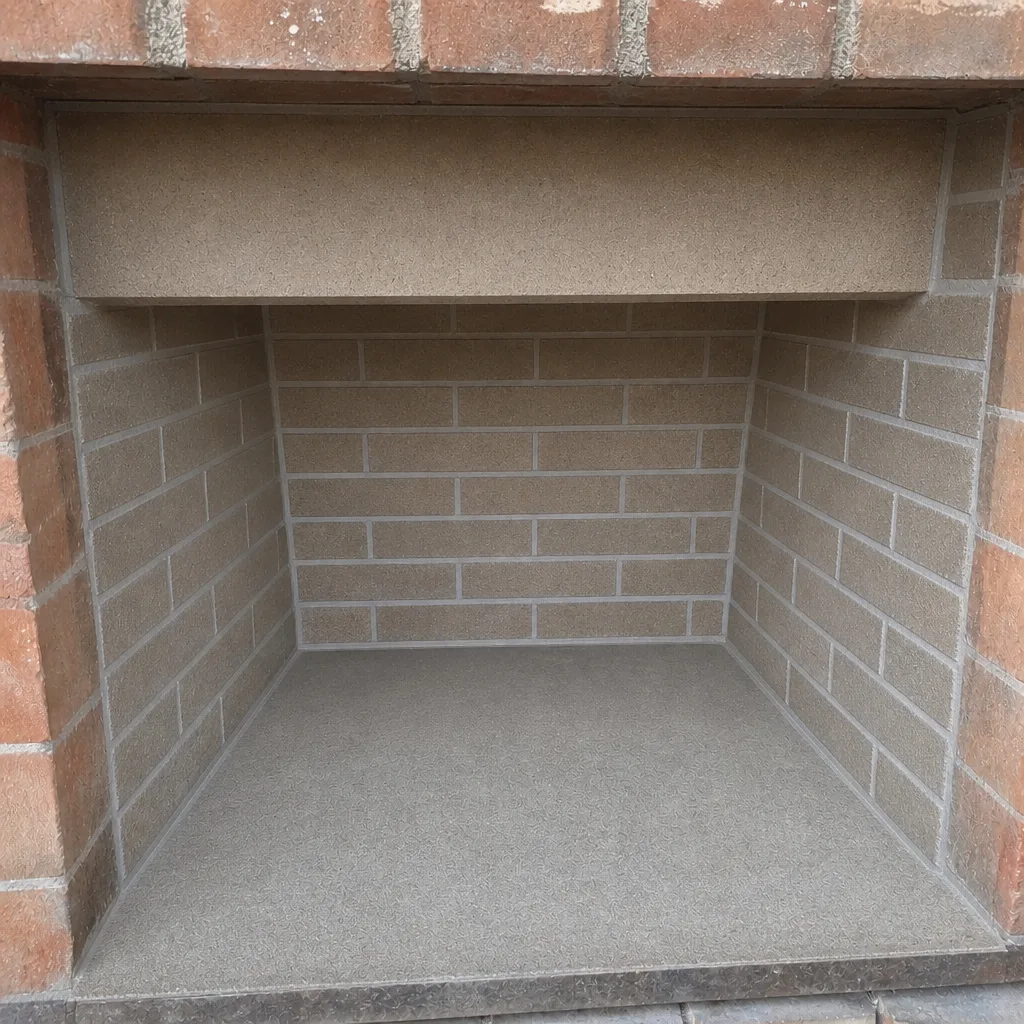
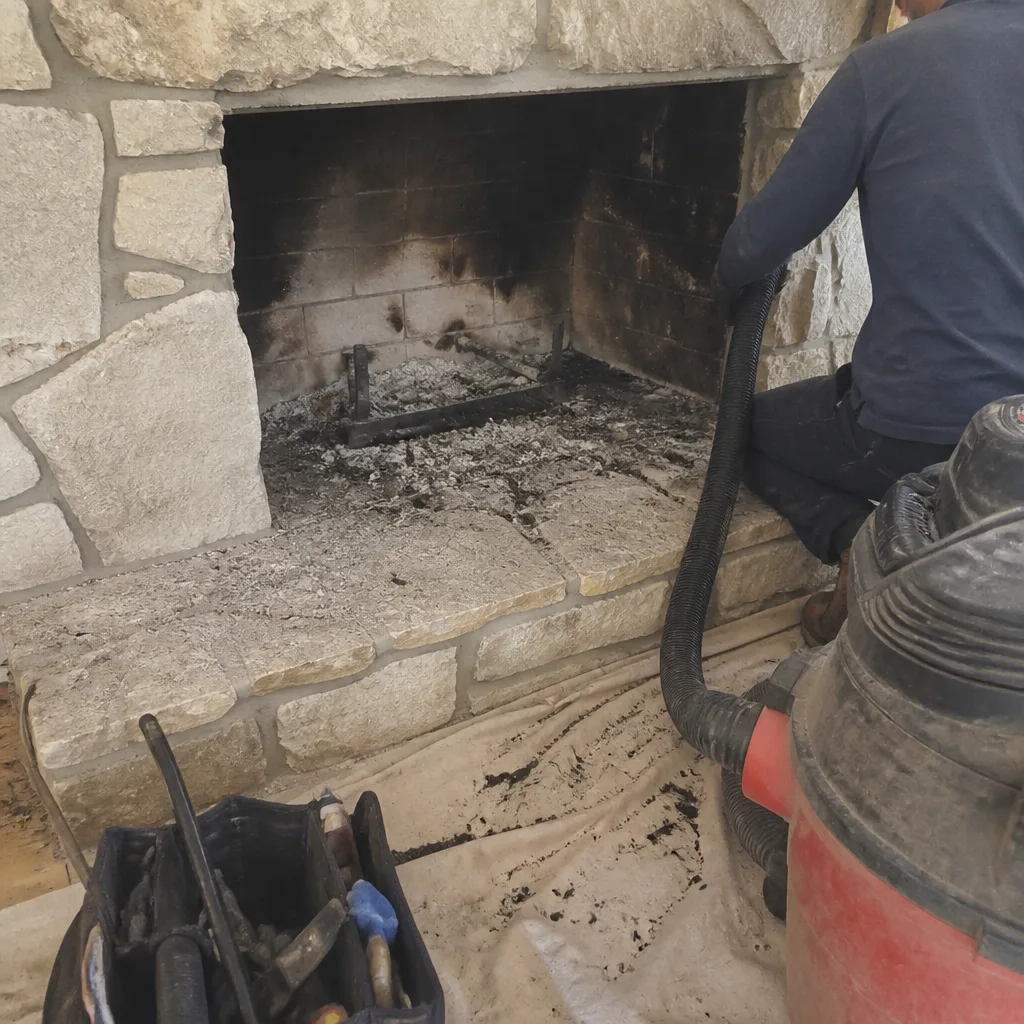
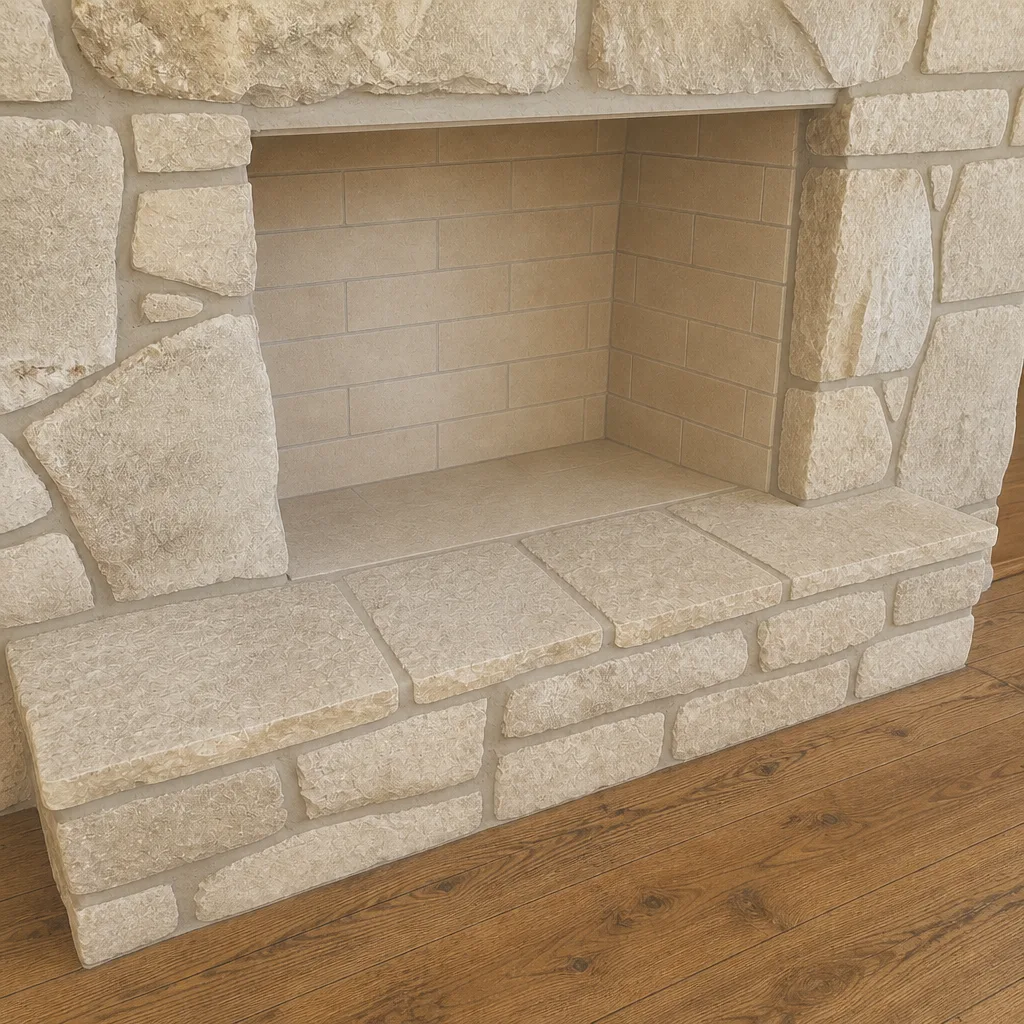
See the difference
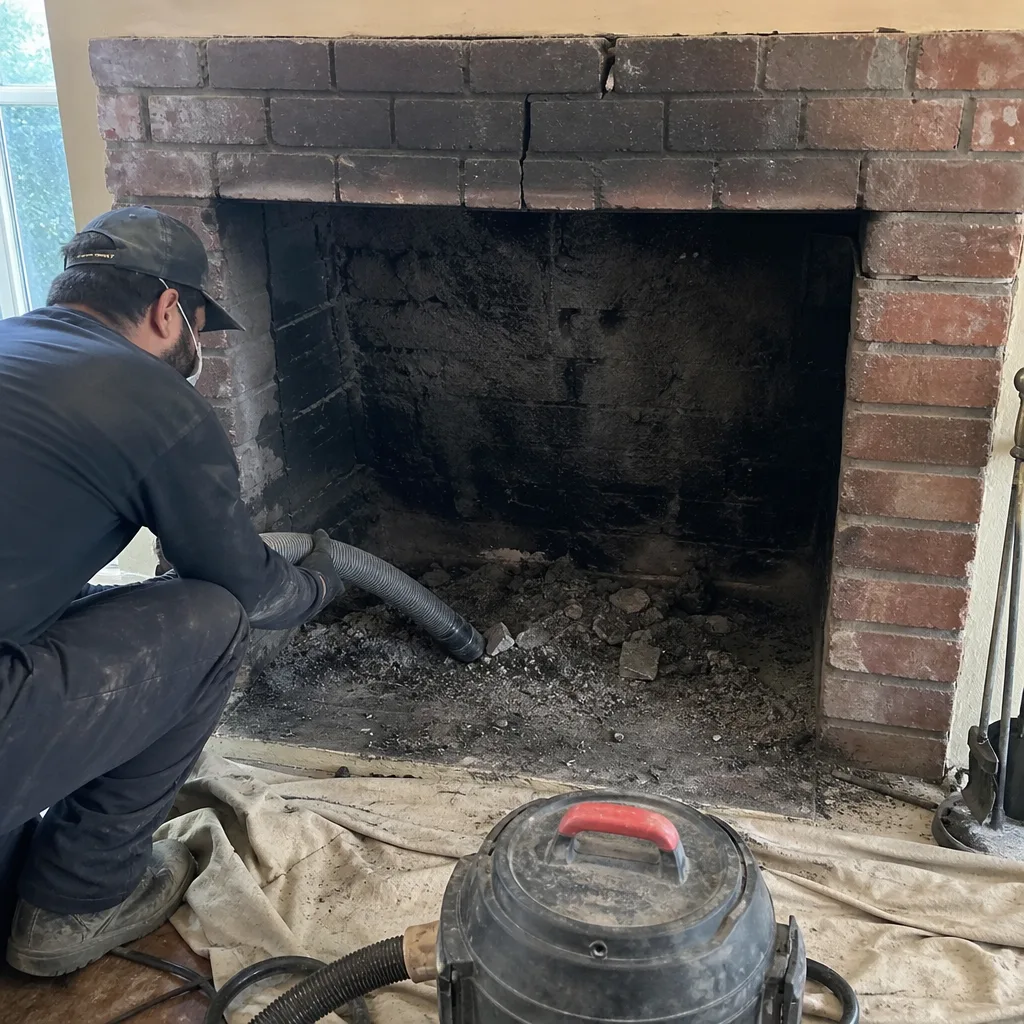 Before
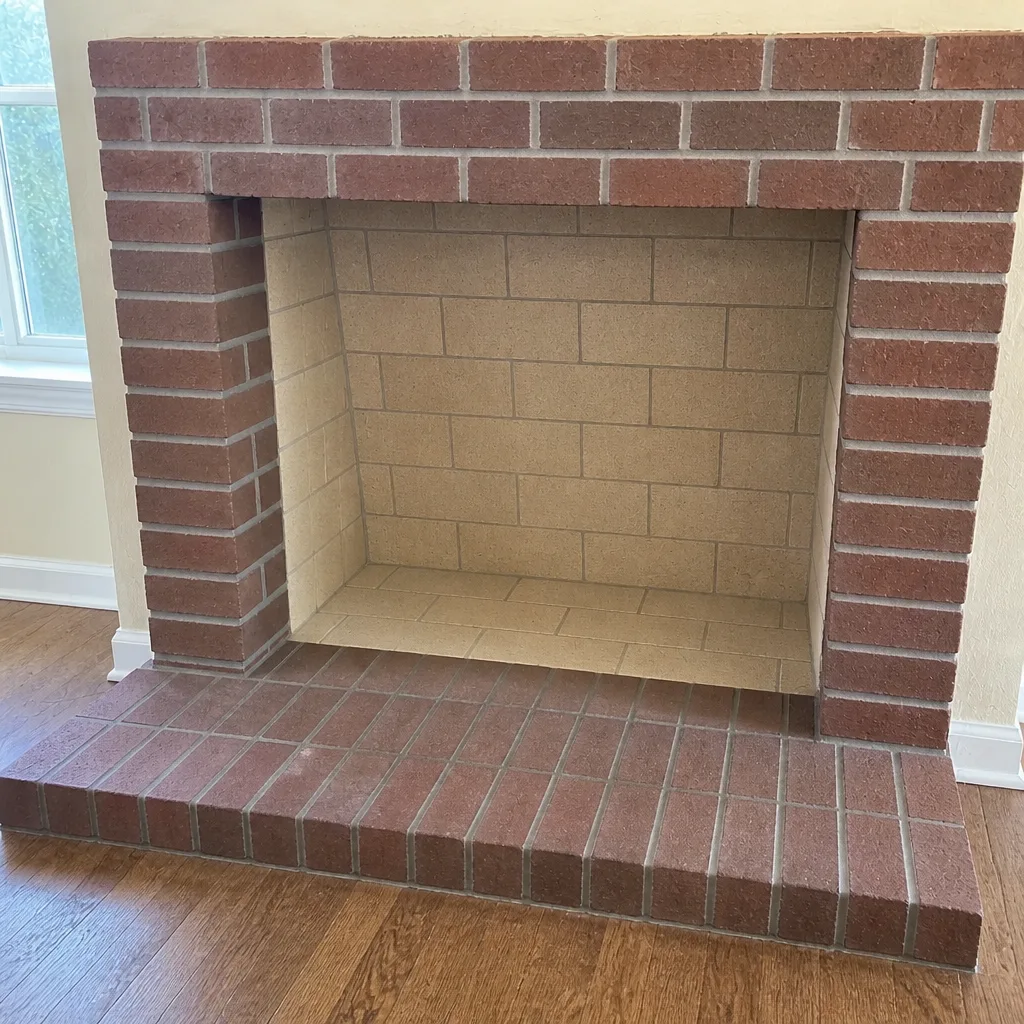 After
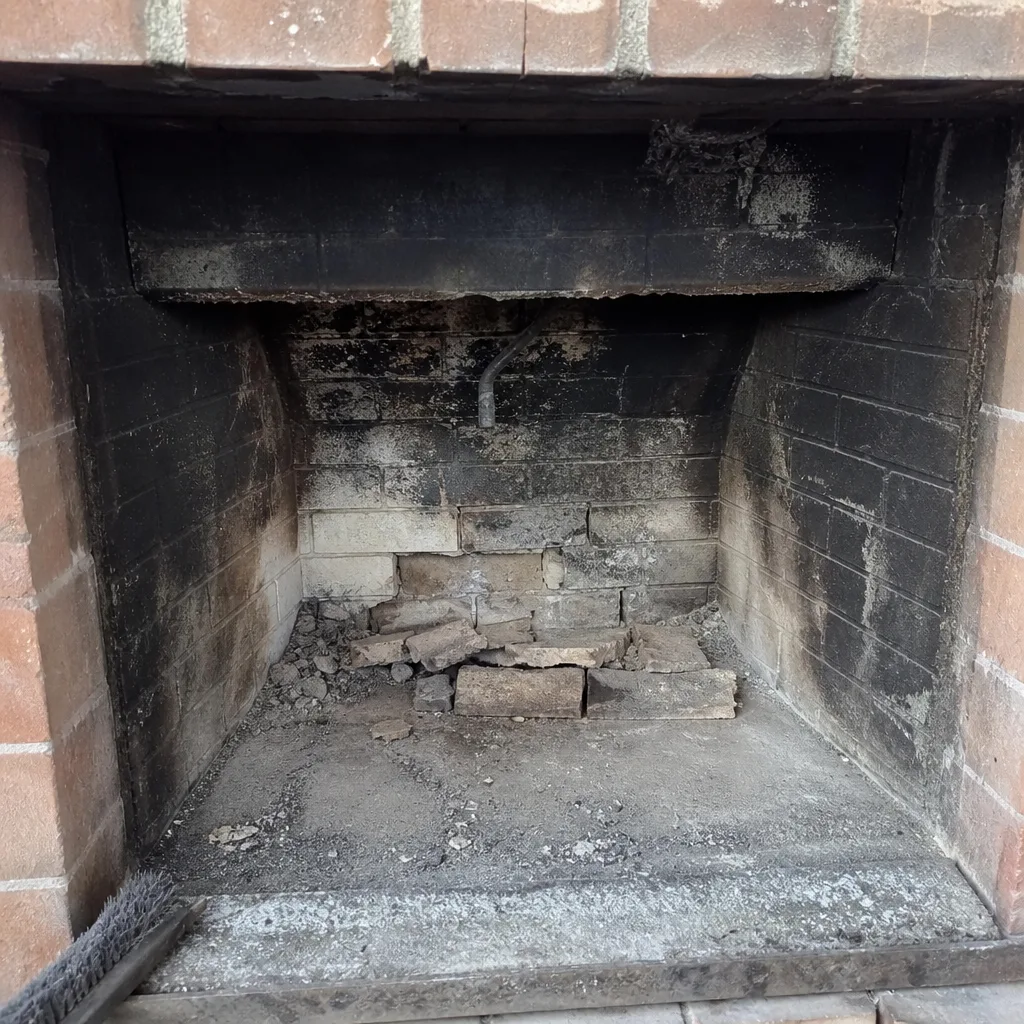 Before
 After
 Before
 After
When to Call a Professional
Some chimney situations are “when you get around to it.” Others aren’t. Call a professional right away if you smell a strong creosote odor inside the house, if smoke backs into the room when you light a fire, if there’s water staining around the firebox, if the chimney cap or crown is visibly damaged, or if you’ve never had the chimney inspected and you don’t know its history. Call before each heating season starts, especially in a home you’ve just moved into where you don’t know the last sweep date. Call if a bird or animal has gotten into the flue. And call if a previous contractor recommended thousands of dollars of work without giving you photos and findings you can verify.
For routine service and honest inspection in Santa Maria, Chimney Sweep Santa Maria offers free estimates – call (866) 389-4535. We answer 24/7. Fast dispatch from 7am to 7pm, Sunday through Friday.
Frequently Asked Questions
California doesn’t require a state license specifically for chimney sweeping, which is why CSIA certification is the credential to check. Verify it on the CSIA website by company name or technician name, and ask for proof of insurance in writing. Legal to operate is not the same as qualified to do the job.
Pricing for a chimney sweep in Santa Maria depends on the flue type, the level of buildup, and whether an inspection is included. A proper job includes an inspection with photos and a written report, which is what separates a real sweep from a quick brush-off. Call (866) 389-4535 for a free estimate – the written quote sets the final price.
CSIA certification means a technician has passed an exam on chimney and venting systems, maintains continuing education, and follows the CSIA code of ethics. It’s not a government license, but it’s the strongest third-party credential in this trade. Ask for the technician’s name or certification number and verify it directly on the CSIA site before you hire.
A chimney-only specialist is the better choice for inspection, cleaning, and repair because the trade is all they do. The liability is clearer, the diagnosis is more accurate, and the repair options are wider – including HeatShield resurfacing instead of an automatic push toward full liner replacement. Generalist contractors add chimney work as a side service, which usually means less equipment and less specialization.
Yes. The inspection is the part that catches real problems – cracks, liner damage, rusted dampers, crown issues, blockages – that a sweep alone won’t reveal. A company that sweeps without inspecting is offering half the service. Ask up front whether an inspection with photos and a written report is included.
Ask for the inspection findings and photos in writing before you approve anything. A legitimate recommendation comes with visual evidence you can review at your own pace. If the contractor can’t show you what they found, get a second opinion before committing. Nothing should be recommended without evidence you can see for yourself.
The Bottom Line
Hiring a chimney contractor in Santa Maria comes down to a few non-negotiables: verified CSIA certification, professional-grade equipment, an inspection-first approach, a written report with photos, and a written estimate that sets the final price. A chimney-only specialist with those pieces in place will always outperform a generalist who sweeps as a side job. That’s the standard to hold every contractor to, whether you’re comparing three quotes or just one. If a company can’t meet it, move on. If you’d like to see how a chimney-only specialist handles the whole arc – inspection, cleaning, and repair from a single trade – call (866) 389-4535 for a free estimate. We answer 24/7. Fast dispatch from 7am to 7pm, Sunday through Friday, and our findings and estimate come in writing so you can see exactly what you’re paying for.
Written by the team at Chimney Sweep Santa Maria.