
Last updated November 15, 2026
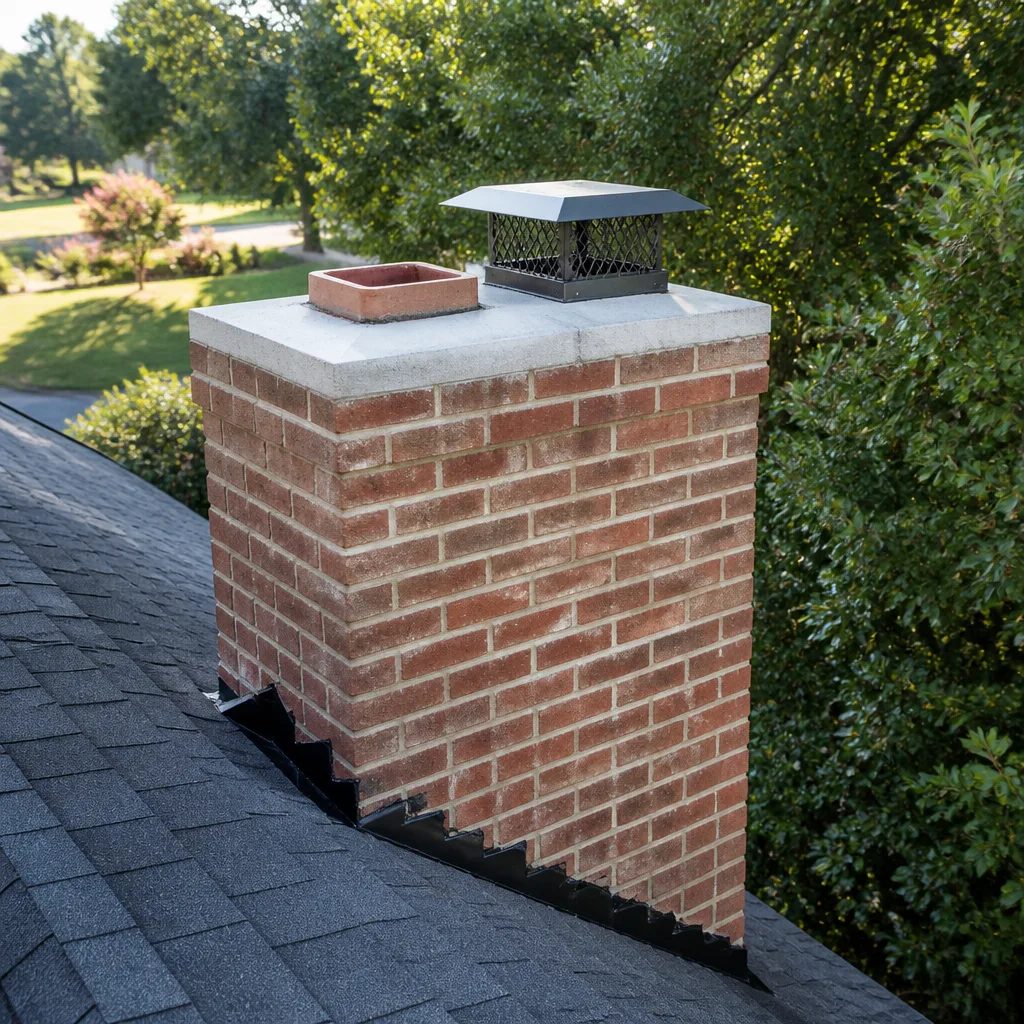 Sweep & inspection
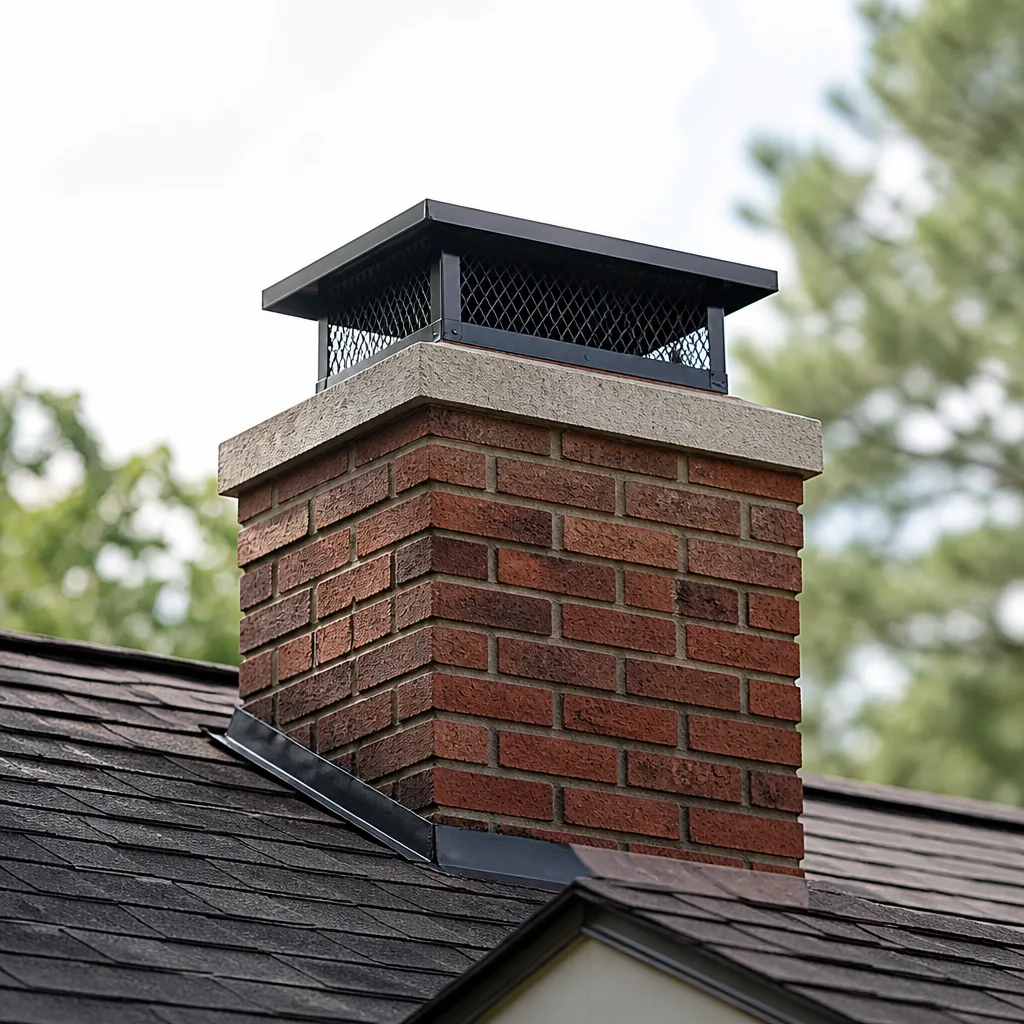 Caps & crowns
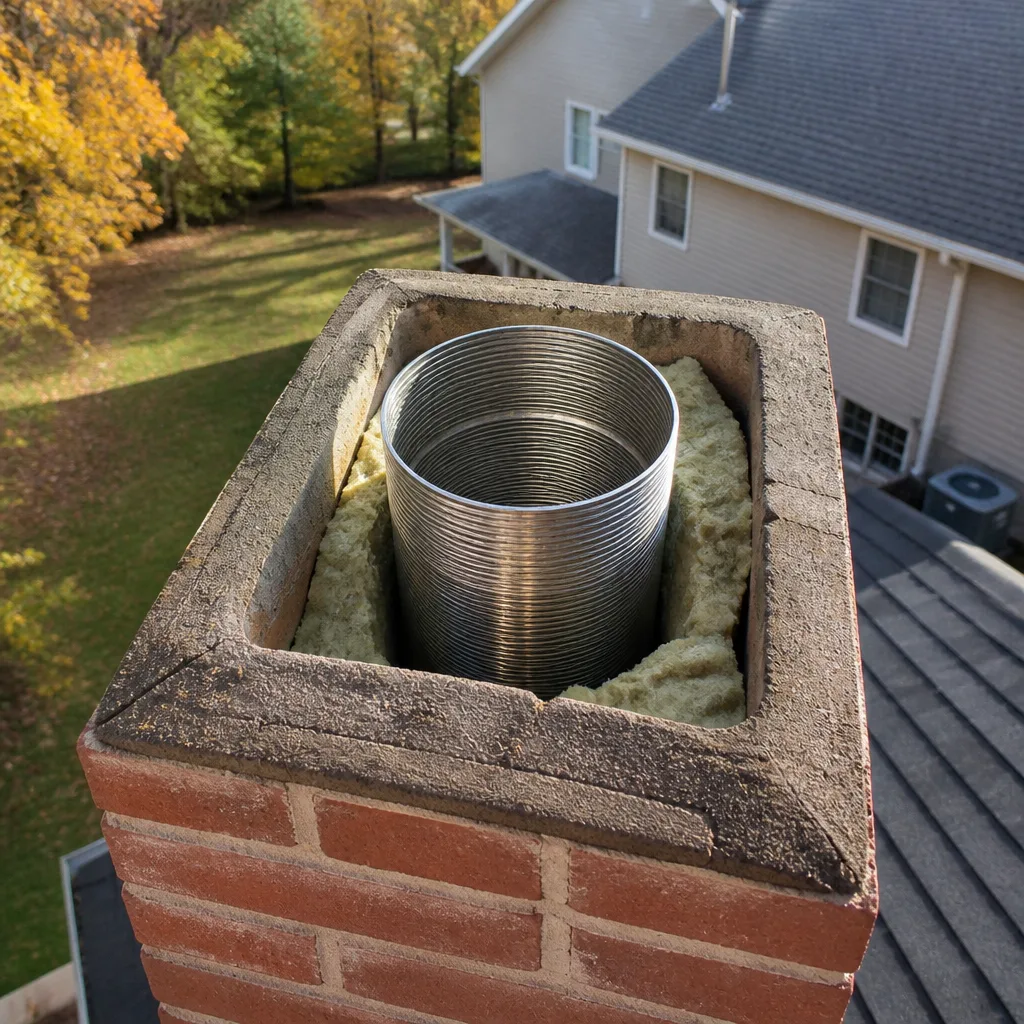 Flue relining
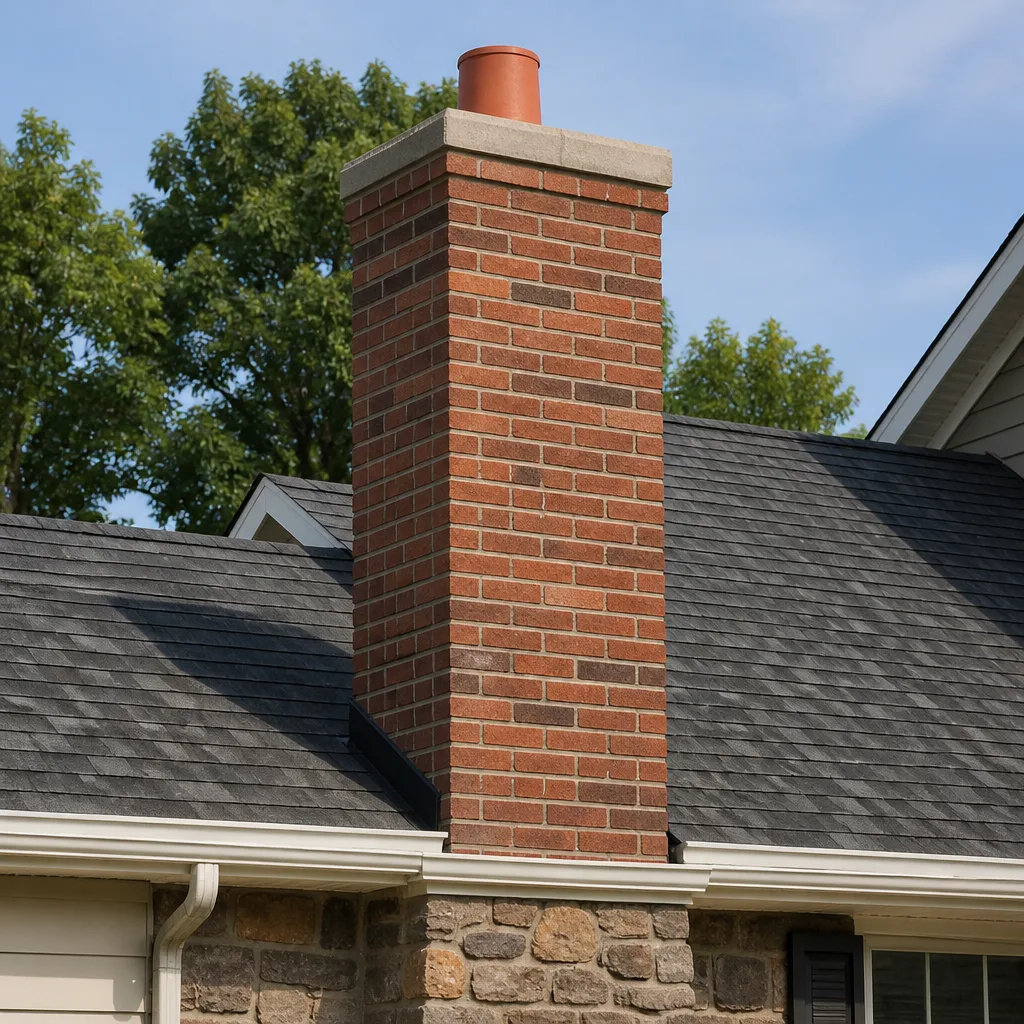 Masonry repair
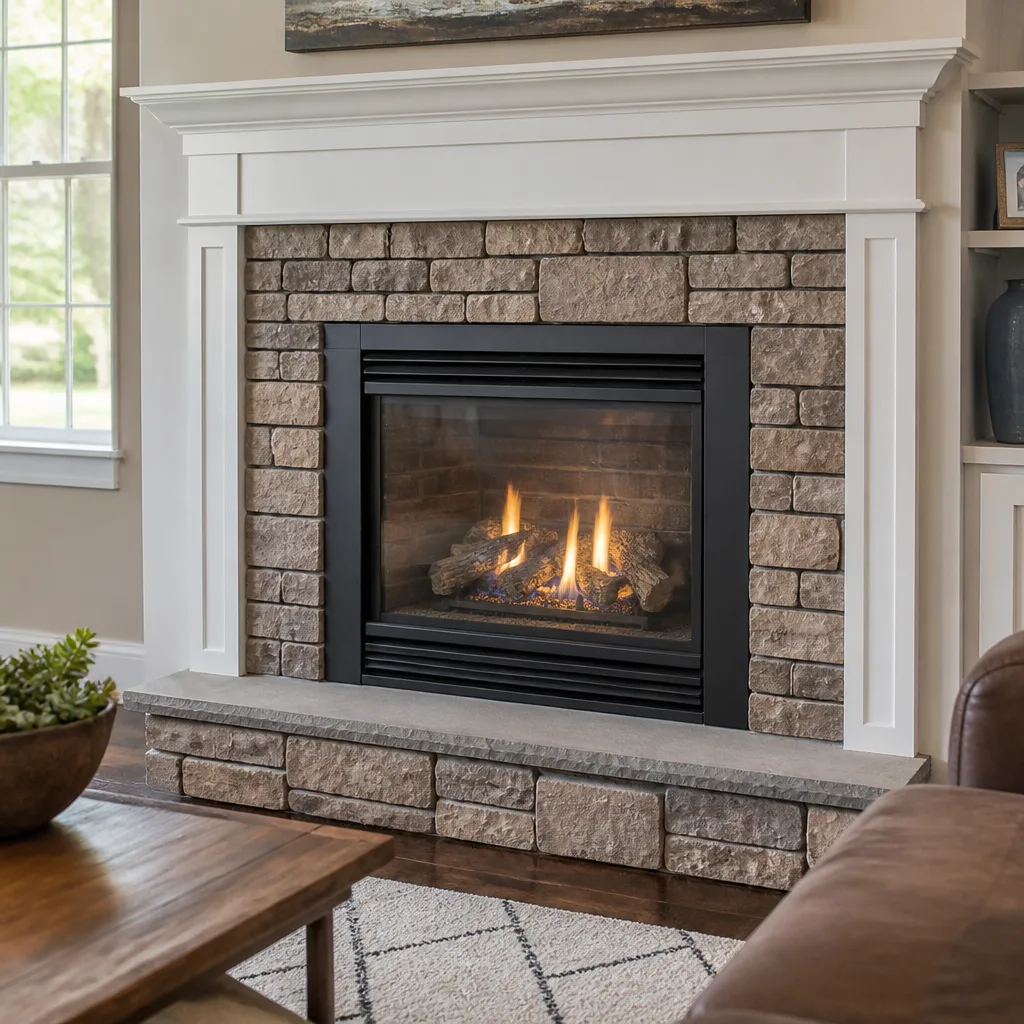 Gas fireplace service
Level 1 sweep and inspection to the NFPA 211 annual standard - flue, crown, cap, and flashing checked and photographed
Chimney sweep logs do not sweep chimneys. They loosen some creosote - which then falls where a brush and vacuum still have to collect it.
DIY vs Professional Chimney Cleaning: The Santa Maria Homeowner’s Decision Guide
You can buy a chimney brush kit for $60 and technically clean your own flue. What you cannot do is inspect your liner for heat fractures, check your smoke chamber for deterioration, or confirm your cap is sealed against next season’s rains. And in Santa Maria, those are the things most likely to cost you money. The DIY cleaning debate usually centers on whether a homeowner has the stomach to climb onto the roof. That’s the wrong question. The real question is what your cleaning method can actually see. This guide reframes the decision around diagnostic access: what a brush removes, what it misses, and what your chimney is quietly telling you that no consumer tool can hear.
Quick Answer
DIY chimney cleaning removes surface soot and light first-stage creosote, but it cannot inspect your liner, smoke chamber, or cap, and it cannot safely handle the hardened glazed creosote that causes most chimney fires. For a Santa Maria home with a masonry or factory-built chimney, annual professional cleaning paired with a camera inspection is the safer and often cheaper choice over five years, because it catches liner and cap failures before they turn into full replacements. DIY is reasonable in one narrow situation: light, seasonal use on a chimney you know is sound, as an interim measure between professional sweeps.
Styles & brands we work with
- Sweep & inspection
- Caps & crowns
- Flue relining
- Masonry repair
- Gas fireplace service
Table of Contents
- What a DIY brush cleaning actually removes
- The three stages of creosote and why two of them need a pro
- The inspection gap: what a consumer kit cannot see
- Why Santa Maria’s housing stock raises the DIY risk
- The one scenario where DIY makes sense
- Five-year cost comparison: DIY vs professional
- How a professional sweep and inspection actually runs
- Common mistakes to avoid
- When to call a professional
What a DIY Brush Cleaning Actually Removes
A consumer chimney brush is a soot tool, not a restoration tool. It scrapes loose, powdery deposits from the flue walls. That’s real work, and on a lightly used fireplace it does reduce some buildup. But the brush has a ceiling, and it hits that ceiling fast.
What a brush removes:
- Loose soot from the firebox and the lower flue
- Soft, flaky first-stage creosote
- Surface ash that has not bonded to the masonry or metal liner
What a brush leaves behind:
- Glazed, tar-like creosote that has bonded to the liner wall
- Creosote in the smoke chamber, the angled transition above the damper that most DIY kits never reach
- Debris packed into the smoke shelf behind the damper
- Any structural defect in the flue itself
Here’s the part most homeowners don’t hear: a dry brush, run through a soft liner or an aging factory-built flue, can dislodge material that was already failing. On a sound chimney that’s harmless. On a chimney with a cracked flue tile or a deteriorating metal liner, the brush is working against you, breaking loose pieces that can lodge and restrict draft. In our experience across Santa Maria, the chimneys that most need cleaning are often the ones least able to survive a rough DIY pass. That’s not fear-mongering. It’s the reason a professional sweep starts with a look, not a brush.
The professional standard is inspect first, recommend honestly, then clean. A brush-first approach skips the step that tells you whether brushing was safe to begin with.
The Three Stages of Creosote and Why Two of Them Need a Pro
Creosote is the residue wood smoke leaves in your flue, and it forms in three distinct stages. Knowing which stage you’re looking at explains why DIY cleaning has a hard limit.
Stage 1: Sooty and flaky. This is the powdery, thin dust that builds up with each fire. A brush handles this. It’s the stage where DIY cleaning does legitimate work.
Stage 2: Crusty and flaky but bonded. The creosote here has hardened into a crust that clings to the flue wall. A dry brush passes over it and removes maybe a fraction. Professionals use rotary equipment and, where needed, chemical treatments formulated to break down the crust so it can be removed rather than merely scraped. That’s a different process with different tooling.
Stage 3: Glazed and tar-like. This is hardened, shiny, fuel-dense creosote, the kind that ignites and drives a chimney fire. A consumer brush will not touch it. Removing glazed creosote takes professional rotary chains, chemical agents designed for it, and often more than one visit. No hardware-store kit does this. It’s not a matter of brushing harder.
A brush is only as good as the stage it’s aimed at. On a well-maintained flue burning dry, seasoned wood, you may stay in stage 1 for a long while. Add a wet-wood season, a slow-burning smoky fire, or a cold flue that doesn’t draw well, and stage 2 shows up quickly. Santa Maria’s mild winters mean many fireplaces sit unused for months and then get heavy use during the cooler stretch, which is exactly the pattern that builds creosote the brush can’t strip. If you’ve ever pulled a brush through and the flue still felt rough or tacky, that’s stage 2 telling you the brush wasn’t the right tool.
- Stage 1: brushable at home
- Stage 2: needs rotary or chemical methods
- Stage 3: needs professional removal before the next fire
Professional sweeps carry equipment sized for each stage, and professional-grade brands like Gelco and Olympia Chimney build the brushes and rods a sweeper relies on. That’s a tooling difference a homeowner kit simply doesn’t match.
The Inspection Gap: What a Consumer Kit Cannot See
This is the heart of the DIY-versus-professional decision, and it has nothing to do with the brush itself. Cleaning removes what’s visible from inside the firebox and the flue. Inspection finds what isn’t.
The tasks that require professional equipment:
- Video scanning of the liner. A camera run down the flue shows heat fractures, cracked flue tiles, gaps at joints, and liner corrosion that no flashlight from the damper can reveal. A cracked liner is a path for heat and carbon monoxide into the structure of the house.
- Smoke testing. A smoke test reveals leaks in the flue system by drawing smoke through it and watching for escape at joints, cracks, and connections. It cannot be replicated with consumer tools, and it’s how a professional confirms the chimney is actually sealed.
- Smoke chamber assessment. The smoke chamber is the funnel between the damper and the flue. Its walls can deteriorate, and a rough or damaged chamber slows and cools smoke, feeding creosote buildup. Most DIY kits never reach it.
- Cap and crown inspection. The cap keeps rain and animals out. The crown sheds water away from the masonry. Both fail with age, and both are best checked from the roof, not from below.
A cleaning kit removes soot. It does not tell you that your liner has a crack or your cap is failing. And a failed cap letting in rain is the slow path to a ruined flue. In a place like Santa Maria, where the cooler months bring the rains that a damaged crown lets in, the cap and crown check isn’t a luxury add-on. It’s the inspection finding most likely to save you money.
This is why we run the full arc under one roof: inspection first, cleaning second, repair when needed. You’re not coordinating a sweeper and an inspector and a repair contractor for one chimney. The same team sees the same chimney at every stage.
Why Santa Maria’s Housing Stock Raises the DIY Risk
Chimneys age differently by construction type, and Santa Maria’s mix of housing makes the DIY question sharper than it would be in a newer subdivision where every flue is the same.
Older masonry chimneys were built with clay flue tiles set in mortar. Those tiles crack over time from heat cycling. A brush run through a cracked tile can catch an edge and widen the crack, and once the tile is compromised the whole flue is compromised. A camera scan catches the crack before a brush makes it worse.
Factory-built fireplaces, common in mid-century and later homes, use metal liners and lighter-gauge components. These are safe when intact but less forgiving of rough handling. A brush that dislodges a piece of a failing metal liner creates a hazard that wasn’t there before. In our work around the older neighborhoods of Santa Maria, aging liner systems are one of the most common findings a camera inspection turns up – and one of the most frequently missed by a homeowner cleaning blind.
Add the local climate pattern. Santa Maria’s mild, dry stretches let creosote harden between burning seasons, and the winter rain that follows tests every cap and crown. A chimney that looks fine from the living room in summer can be leaking at the crown by the first storm. That’s the mismatch: the conditions that stress a Santa Maria chimney are the ones a brush never touches.
- Older masonry flues: cracked tiles are common and a brush can widen them
- Factory-built units: metal liners are less tolerant of rough cleaning
- Seasonal burning: creosote hardens during the off-season
- Winter rain: tests caps and crowns a DIY clean never inspects
None of this means every Santa Maria home needs major work. It means the decision should start with information, and the cheapest information comes from an inspection that sees the whole chimney.
The One Scenario Where DIY Makes Sense
There is a narrow, honest case for DIY, and we’d rather you know it than be talked out of something reasonable.
DIY cleaning is a fair interim measure when all of these are true:
- You burn occasionally, not heavily, and your wood is dry and seasoned.
- Your chimney was professionally inspected within the last year and found sound.
- You’re clearing light stage-1 soot between scheduled professional sweeps.
- You have safe roof access, or you’re cleaning from below with the right drop cloth and a kit sized to your flue.
- You accept that you’re cleaning, not inspecting, and you’ll still book the annual professional visit.
What that looks like in practice: a homeowner who burns a few cords a season, keeps a clean firebox, and sweeps light soot mid-season with a properly sized brush and full floor protection. It’s not a substitute for the annual inspection. It’s housekeeping between visits.
What it does not look like: a homeowner who has never had the liner scoped, a chimney that hasn’t been cleaned in several seasons, a flue that smells strongly of creosote, or any sign of glazed deposits. In those cases the brush is the wrong first move. Get a look first.
One more caution, and it’s a safety one. Getting on a roof to clean a chimney is genuinely dangerous work, especially on an unfamiliar pitch or a damp day. Ladders fail. Roofs are slick. The most experienced chimney technicians treat roof access as a hazard every single time. If you’re not confident on a roof, that alone is reason enough to have someone else do the cleaning. A professional sweep brings the equipment and the safety practice, and you stay on the ground.
Five-Year Cost Comparison: DIY vs Professional
DIY looks cheaper in year one. Over five years the math changes, because the cost of a professional sweep includes something DIY can never deliver: the information that prevents a much larger repair.
Here’s how the two paths compare across the components that matter. The professional figures are typical ranges for a Santa Maria chimney; your written estimate sets the final price.
| Cost component | DIY path (5 years) | Professional path (5 years) |
|---|---|---|
| Cleaning | Brush kit: $60-$150 one-time; replacement brushes and rods as needed | Annual sweep, typically $150-$300 each; camera inspection often included |
| Inspection | None, unless separately hired | Included with most sweeps; catches liner and cap issues early |
| Cap and crown repair | Often undetected until water damage spreads; repair costs climb | Caught early; cap and crown repairs typically $200-$600 |
| Liner repair | Undetected cracks can mean full reline instead of spot repair | Resurfacing with HeatShield can restore a liner instead of replacing it; relines typically $1,800-$4,500 |
| Chimney fire risk | Stage 2 and 3 creosote left in place | Removed professionally before it can ignite |
Read the row that matters most: liner repair. A crack found during a routine camera inspection is a fixable problem. A crack that goes unnoticed for years, while water gets in and creosote builds behind it, is a much bigger job. The professional path front-loads a modest annual cost to avoid the expensive row at the bottom. That’s the five-year comparison in plain terms.
It’s also why we’re equipped for HeatShield resurfacing. It’s a restoration system that can extend a liner’s life without a full replacement, and it’s a repair option most general contractors can’t offer because they don’t carry the tooling. When resurfacing isn’t enough, we work with DuraFlex liner systems for a complete reline. The point is that the repair matches the finding, not the easiest upsell.
Call chimney sweep service for an exact quote on cleaning and inspection. Estimates are free, and the written estimate is what you pay.
How a Professional Sweep and Inspection Actually Runs
Knowing the sequence takes the mystery out of the visit, and it shows exactly where DIY falls short.
- Inspection first. Before any cleaning, the technician checks the firebox, damper, smoke chamber, flue, cap, and crown. A video scan of the liner comes next, and a smoke test where it’s warranted. This is the step that finds the crack or the failing cap.
- Assessment and honest recommendation. Based on what the camera shows, the technician tells you what needs cleaning, what needs repair, and what can safely wait. Nothing is recommended without evidence you can see for yourself.
- Cleaning second. With the chimney assessed, the sweep proceeds with the method suited to the creosote stage, using professional-grade brushes and rotary tooling.
- Repair when needed. If the inspection found a cracked liner, a failing crown, or deteriorated chamber walls, the repair is scoped and estimated. HeatShield resurfacing for a recoverable liner; DuraFlex relining when replacement is the honest answer.
- Photo report. You get documentation of what was found and what was done, so you’re not taking anyone’s word for it.
That photo report is the single biggest difference from DIY. A brush leaves you with a clean firebox and a guess. A professional sweep leaves you with evidence: pictures of the liner, the cap, the crown, and the chamber, whether or not they found a problem. That’s the diagnostic access the DIY debate keeps skipping.
Our technicians have up to 15 years of experience, and every one of them works chimneys as a single trade. That focus matters. A generalist who sweeps chimneys between roofing jobs has different equipment and different standards. A chimney-only specialist does one thing and sees it every day. For a full breakdown of the inspection side, see chimney repair.
Common Mistakes to Avoid
- Brushing before inspecting. Running a brush through a chimney you haven’t had scoped can dislodge a failing liner or crack a tile. Get the camera look first; clean second.
- Assuming a clean firebox means a clean flue. The firebox can look spotless while stage 2 creosote sits higher up the flue. What you see from the hearth is not the whole chimney.
- Ignoring the smoke chamber. That angled transition above the damper collects creosote and is missed by almost every DIY kit. It’s where a lot of hidden buildup lives.
- Skipping the cap and crown check. A failed cap lets rain and animals in; a cracked crown lets water into the masonry. In Santa Maria, the winter rains find every crown crack a homeowner never checked.
- Burning wet or unseasoned wood. Wet wood builds creosote faster than dry, pushing a flue from stage 1 into stage 2 quickly. Season your wood and check moisture before burning.
- Treating DIY as a replacement for inspection. Cleaning removes soot; it doesn’t tell you the liner is sound. The annual inspection is the part that protects the house.
- Getting on the roof without real confidence. A safe cleaning depends on safe roof access. If the pitch or the weather makes you hesitate, that’s your answer.
When to Call a Professional
Some situations don’t need a judgment call. Call a professional if your chimney smells strongly of creosote, if you’ve had a chimney fire (even a small one you put out yourself), if smoke backs into the room when you burn, or if you’ve never had the liner inspected. Call too if the flue has glazed, shiny deposits, if the cap is damaged or missing, or if water stains appear near the chimney. Those are the findings that need equipment and expertise, not a brush.
The simplest rule: any chimney you haven’t had looked at goes on the professional list. An inspection is quick, and it tells you whether the rest can wait. Chimney Sweep Santa Maria offers free estimates in Santa Maria. Call (866) 389-4535. We answer 24/7. Fast dispatch from 7am to 7pm, Sunday through Friday.
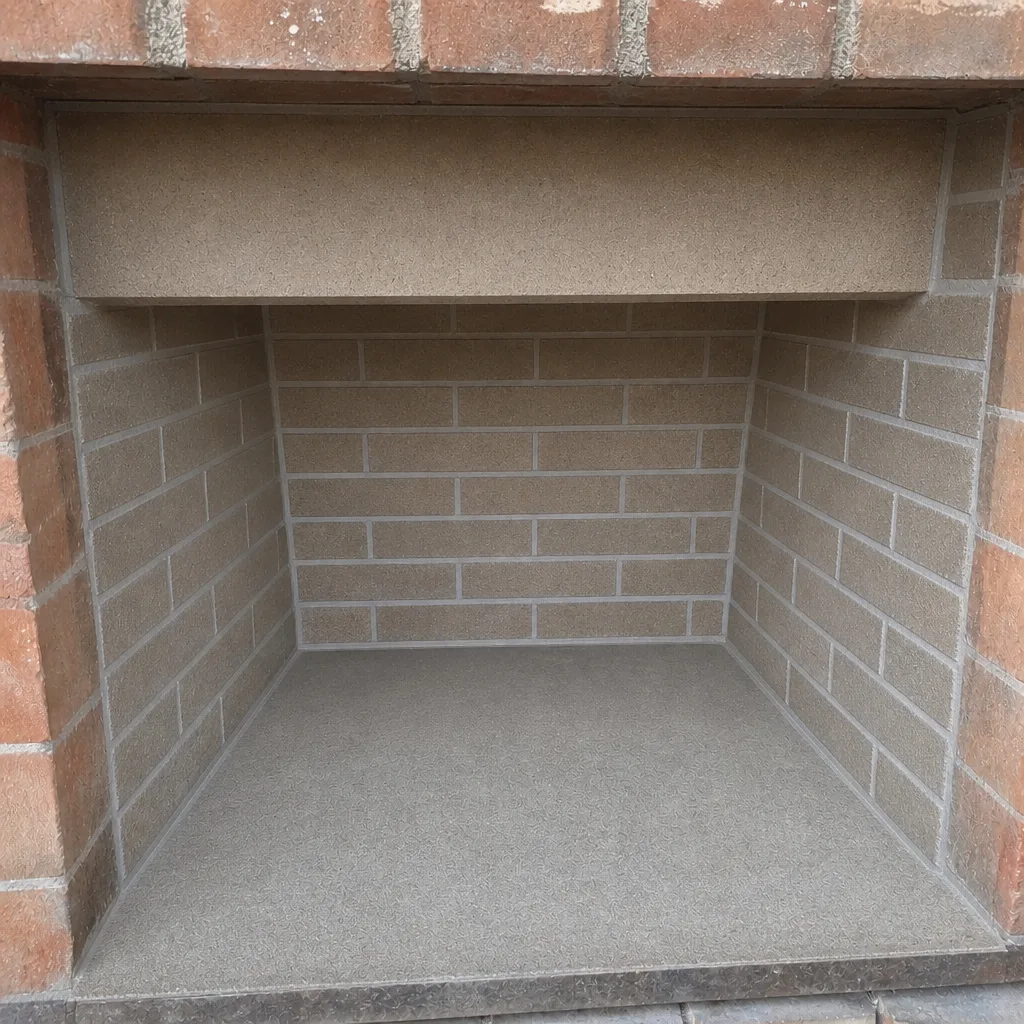
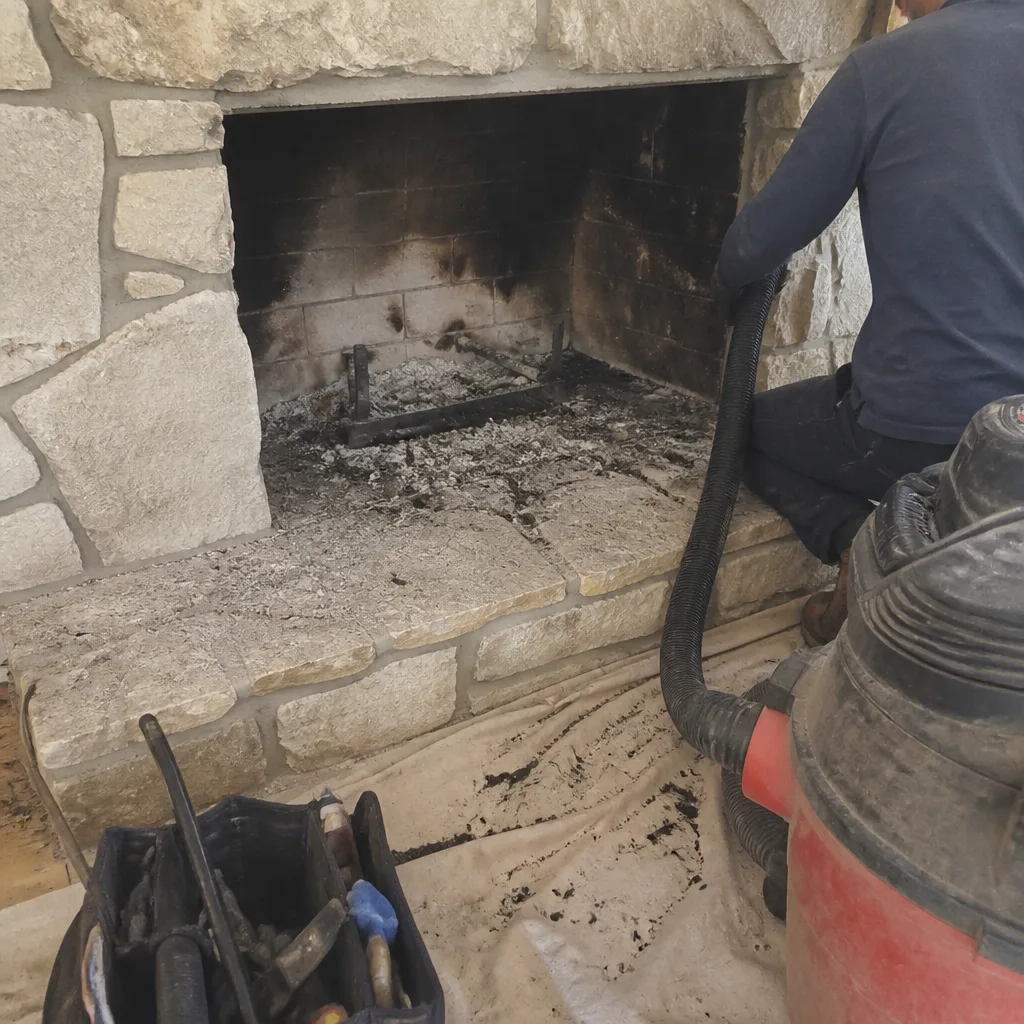
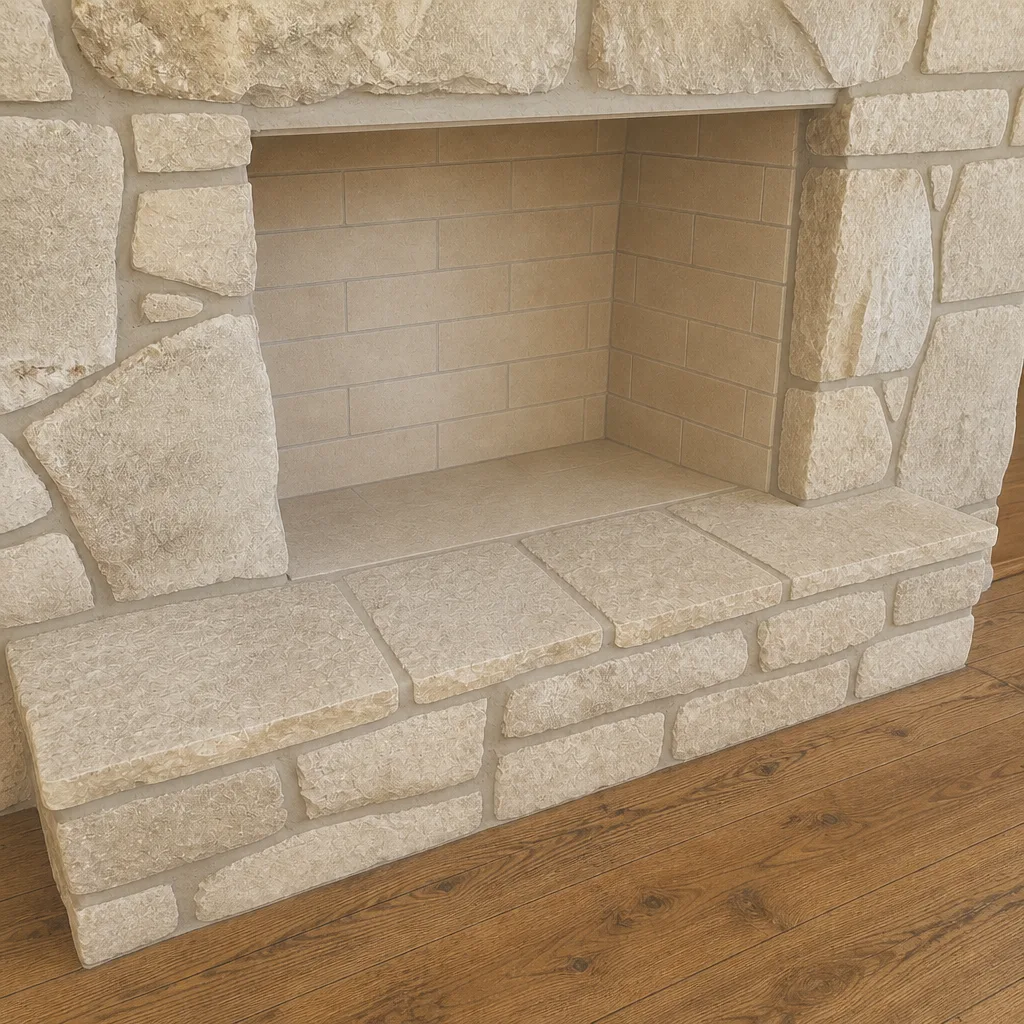
See the difference
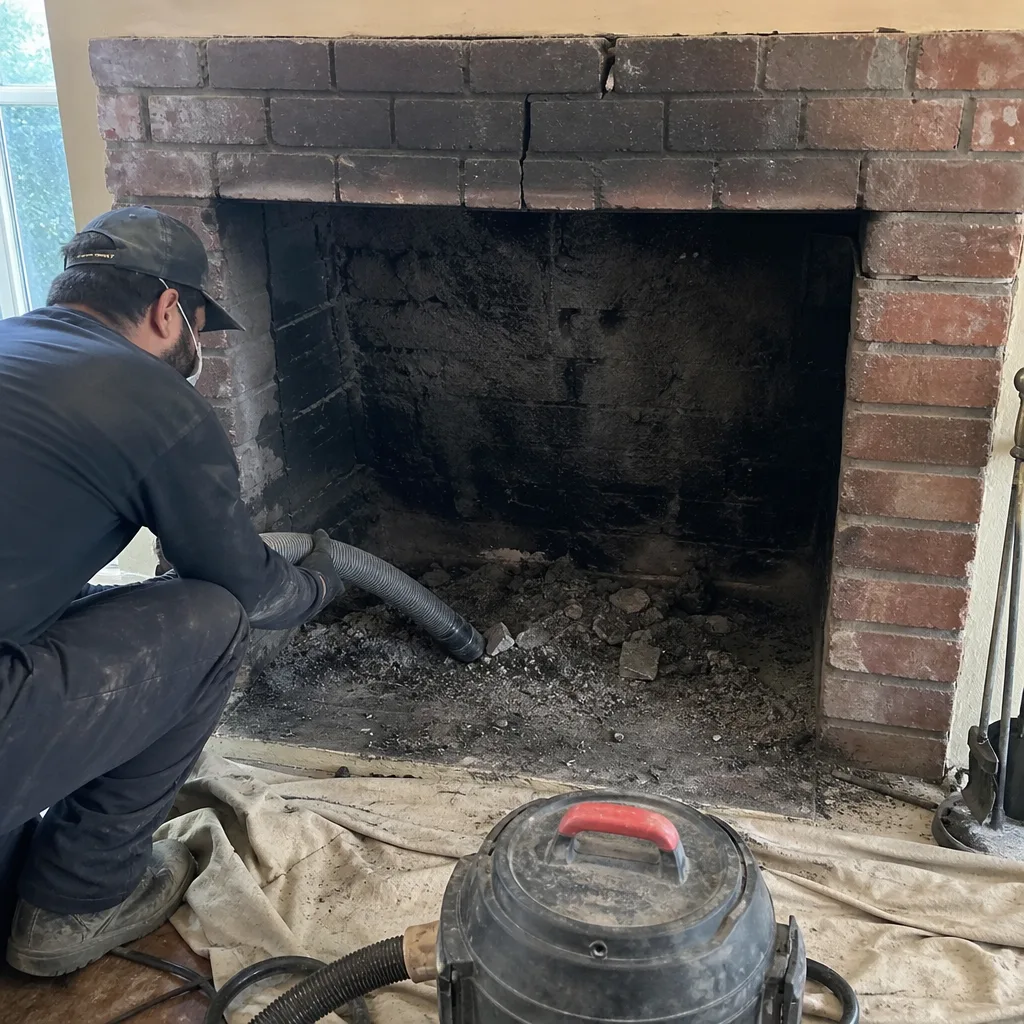 Before
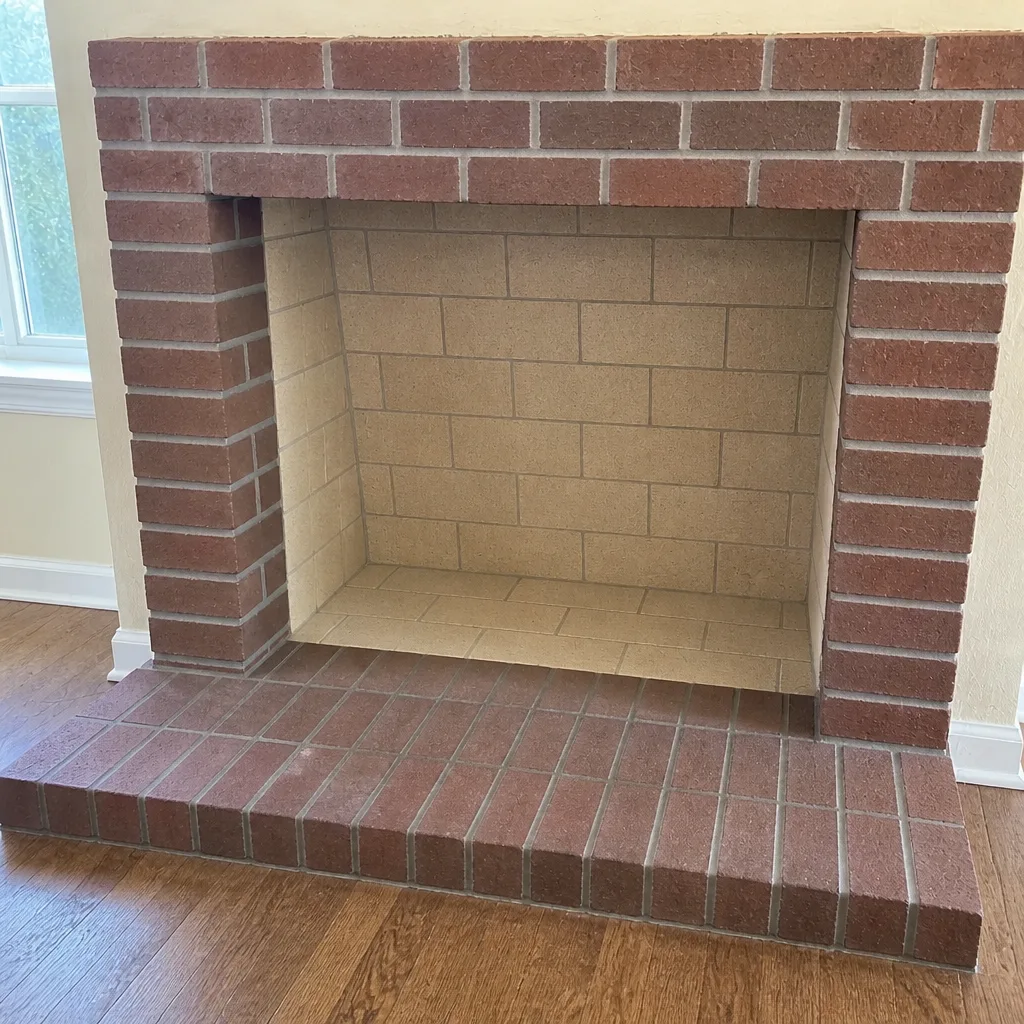 After
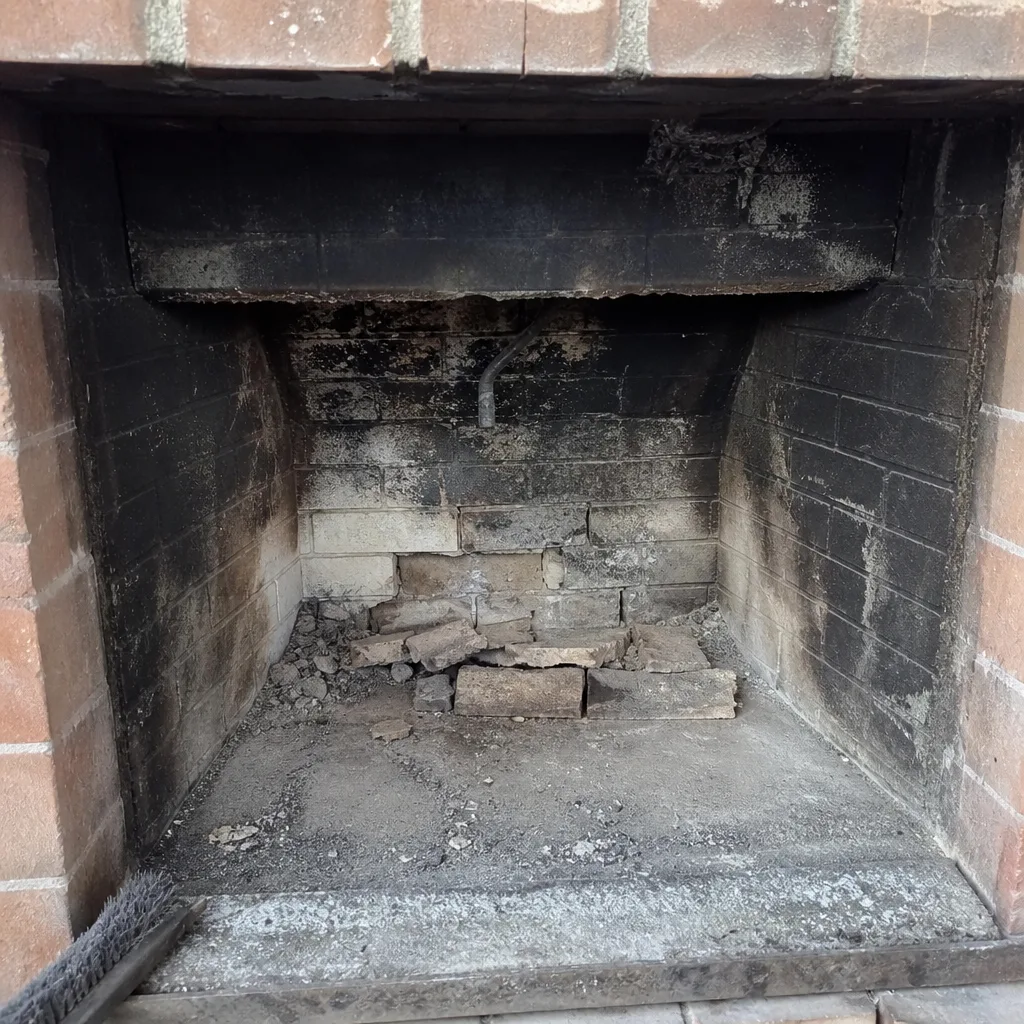 Before
 After
 Before
 After
Frequently Asked Questions
You can remove light stage-1 soot with a consumer brush, but you cannot inspect the liner, smoke chamber, cap, or crown, and you cannot safely remove stage 2 or 3 creosote. DIY is a reasonable interim measure on a chimney a professional has already found sound; it is not a substitute for an annual professional cleaning and inspection. Call (866) 389-4535 for an exact quote – estimates are free.
Most Santa Maria chimneys should be swept and inspected once a year, ideally before the burning season begins. If you burn heavily or use unseasoned wood, a mid-season check is worth it. The annual inspection is the part that catches liner and cap problems early. Call (866) 389-4535 to book a sweep – estimates are free.
Creosote keeps building, and stage 2 and 3 deposits are the fuel that drives a chimney fire. A blocked or deteriorating flue can also let smoke and carbon monoxide back into the house instead of venting it out. Skipping the sweep doesn’t just mean a dirtier chimney; it means losing the inspection that catches a failing liner or cap before it becomes a repair. Call (866) 389-4535 – estimates are free.
No. Glazed, tar-like stage 3 creosote bonds to the flue wall and resists a dry brush entirely. Removing it takes professional rotary equipment and chemical treatment, often over more than one visit. If your flue feels tacky or shiny, that’s a sign to stop brushing and get it looked at. Call (866) 389-4535 for an exact quote – estimates are free.
Yes, because the sweep includes the inspection a DIY clean cannot. Over five years, the annual cost of professional service is usually far less than the repair bill from an undetected liner crack or a failing cap that let water into the masonry. The written estimate sets the price, and you see the camera evidence before anything is recommended. Call (866) 389-4535 – estimates are free.
Often, yes. A recoverable liner can sometimes be restored with HeatShield resurfacing instead of replaced, and cap and crown repairs are typically straightforward fixes. When restoration isn’t enough, a DuraFlex liner system handles the full reline. The right answer depends on what the camera shows, which is why inspection comes first. Call (866) 389-4535 for an exact quote – estimates are free.
The Bottom Line
The DIY chimney cleaning question isn’t really about guts or ladders. It’s about diagnostic access. A brush removes soot, and on a lightly used, sound chimney that’s real work. But it can’t see a heat-fractured liner, a deteriorating smoke chamber, or a cap that’s failing against the next Santa Maria rain, and it can’t touch the glazed creosote that causes most chimney fires. Inspect first, recommend honestly, clean with the right method, then repair only what the evidence shows. The annual professional sweep costs less than the repairs that go undetected without it. If you’re weighing the decision for your own chimney, get the look first. Call (866) 389-4535. We answer 24/7. Fast dispatch from 7am to 7pm, Sunday through Friday. Estimates are free.
Written by the team at Chimney Sweep Santa Maria.