
Last updated November 15, 2026
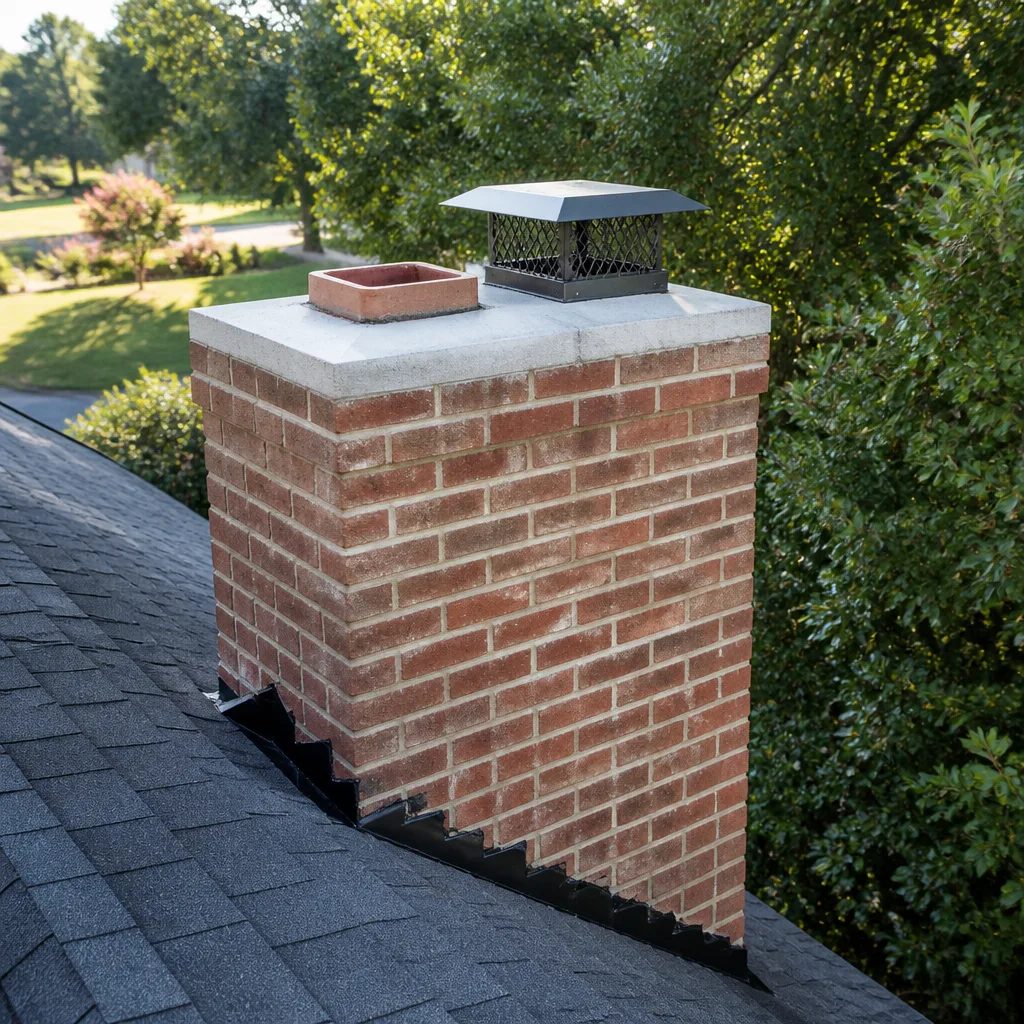 Sweep & inspection
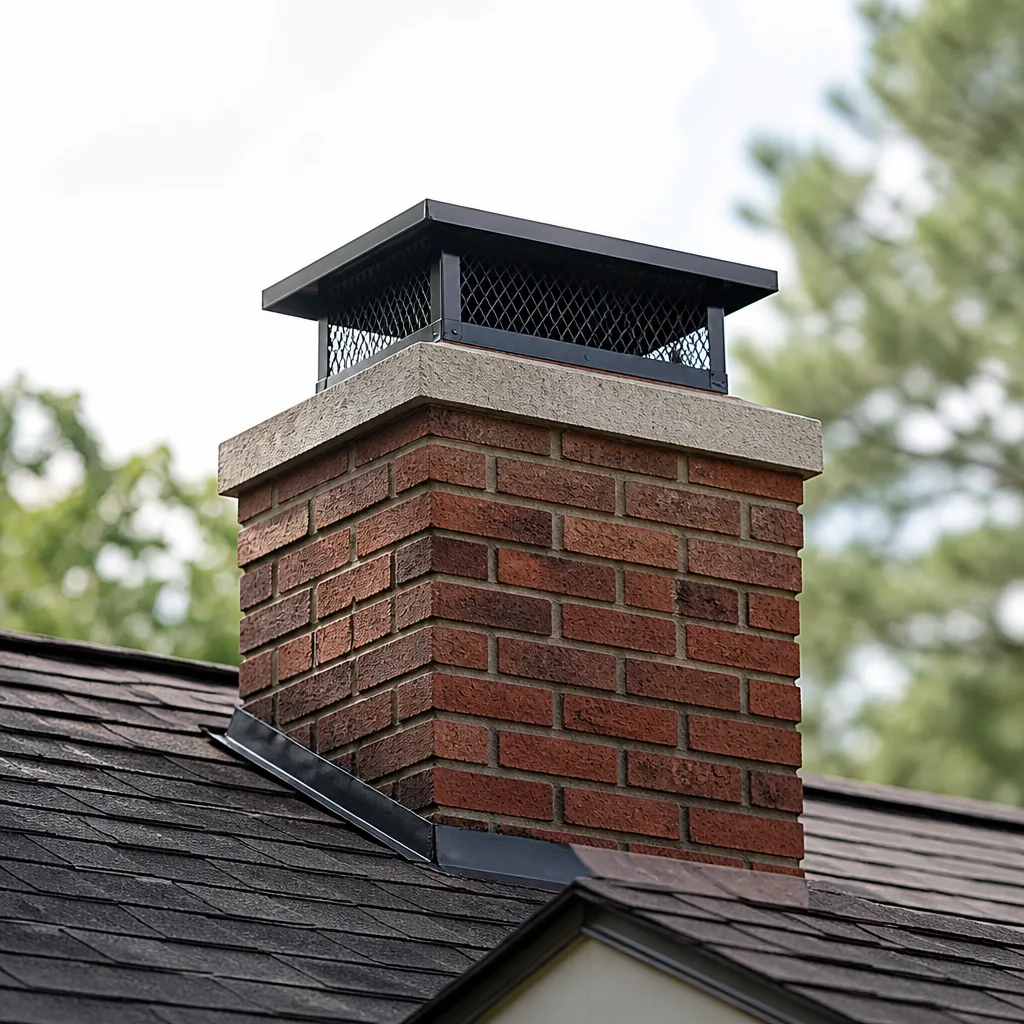 Caps & crowns
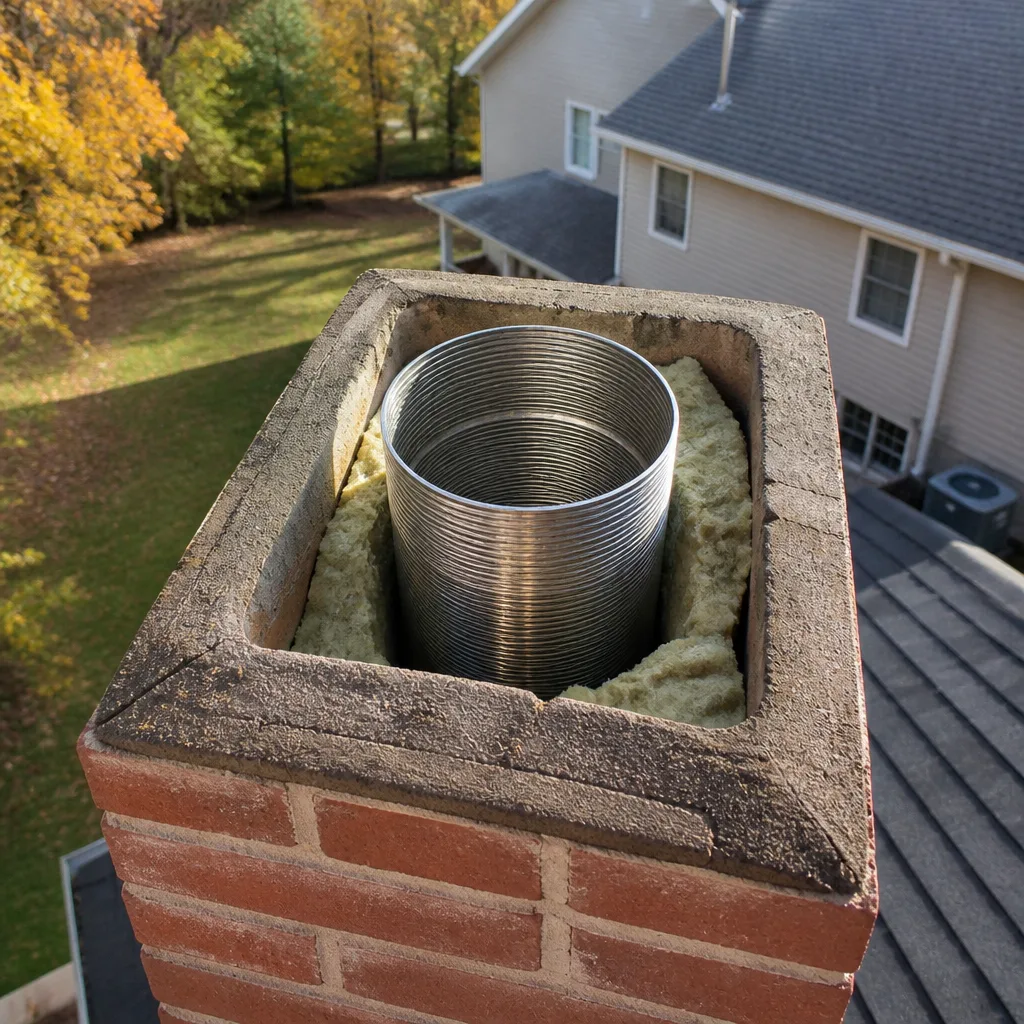 Flue relining
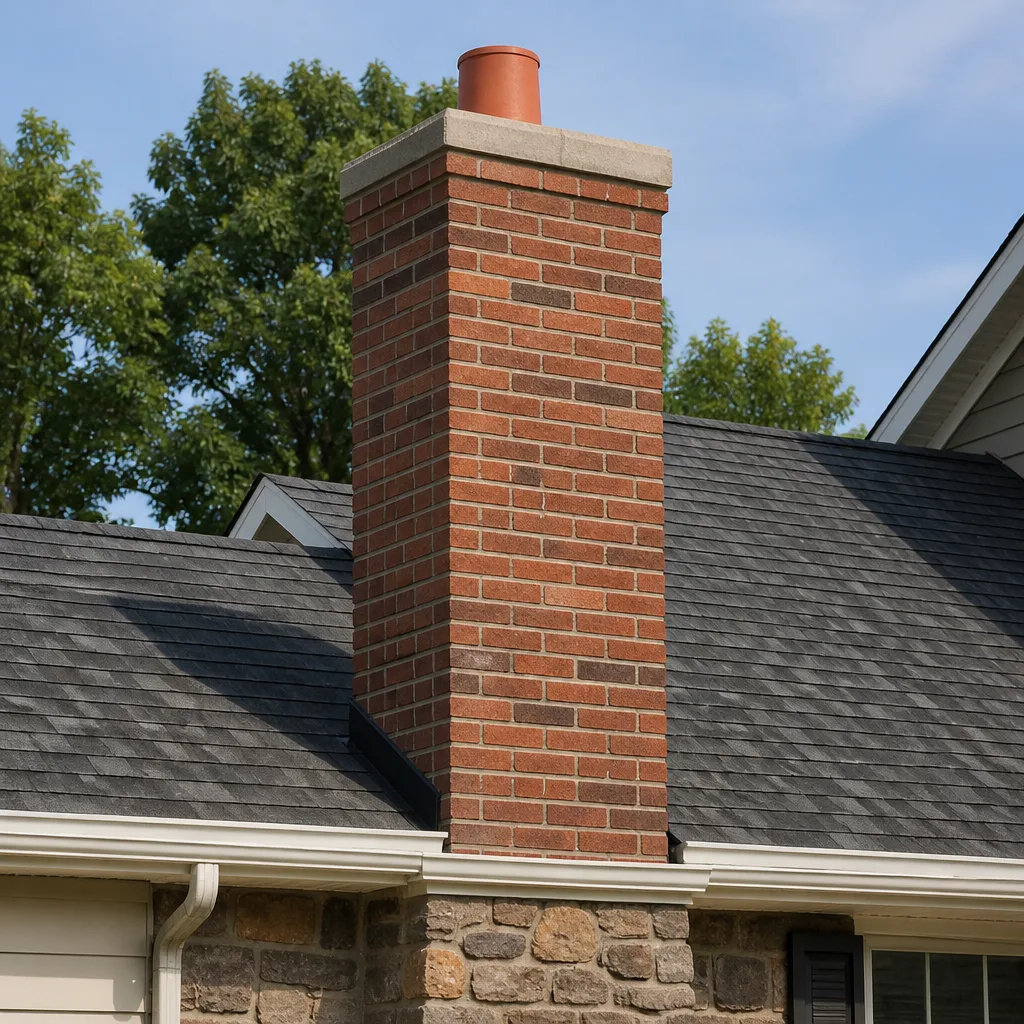 Masonry repair
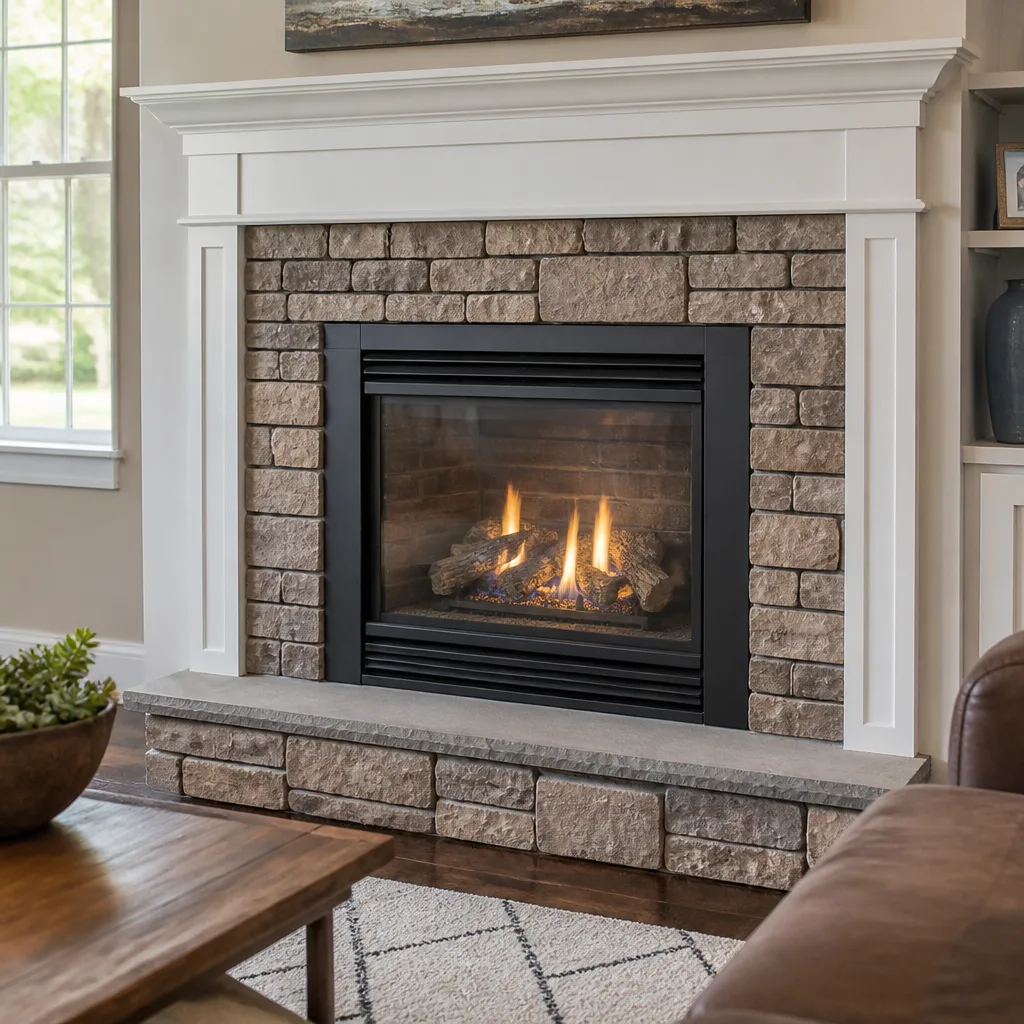 Gas fireplace service
Level 1 sweep and inspection to the NFPA 211 annual standard - flue, crown, cap, and flashing checked and photographed
Chimney sweep logs do not sweep chimneys. They loosen some creosote - which then falls where a brush and vacuum still have to collect it.
Chimney Cleaning Cost Breakdown: The Santa Maria Homeowner’s Reference for 2026
A $79 chimney cleaning and a $299 chimney cleaning can both be fair prices. Or both could be rip-offs. The number alone tells you nothing about what happens when the technician arrives, what equipment gets used, what the inspection actually covers, or what gets quietly recommended once you’re standing in the living room with a checkbook out.
This guide breaks down the real variables behind chimney cleaning cost in Santa Maria for 2026, so you can look at a written quote and know exactly what you’re paying for. We’ll cover baseline cleaning prices, why factory-built and masonry systems price differently, what add-ons actually matter, and how to spot a low-quote-high-upsell operation before you book.
Quick Answer
In 2026, chimney cleaning in Santa Maria typically runs $180 to $340 for a standard sweeping with a Level 1 inspection. A basic cleaning-only service often falls between $150 and $250, while a sweep bundled with a more thorough inspection or added work climbs higher. The written estimate sets the final price, and any technician who quotes you a firm dollar figure over the phone before seeing the chimney is guessing.
Styles & brands we work with
- Sweep & inspection
- Caps & crowns
- Flue relining
- Masonry repair
- Gas fireplace service
Table of Contents
- What drives chimney cleaning cost in Santa Maria?
- What does a baseline cleaning-only service include?
- Factory-built vs. masonry: why the price gap?
- The common add-ons after a cleaning (and when you actually need them)
- The real cost of skipping annual service
- How to read a written chimney estimate
- Inspection levels and what they add to the bill
- Frequently asked questions
What drives chimney cleaning cost in Santa Maria?
Five variables explain almost every price difference you’ll see between quotes. Understanding them lets you compare bids on equal footing instead of comparing the bottom-line number in isolation.
1. System type. A factory-built (prefabricated) metal fireplace costs less to clean than a full masonry chimney. The flue is shorter, access is simpler, and there’s no mortar joint to inspect for spalling.
2. Amount of creosote. A lightly glazed flue sweeps quickly. Thick, tarry, third-degree creosote takes longer, needs different tools, and in some cases requires a chemical treatment before it can be removed safely.
3. Access and roof pitch. Low-slope roofs with easy access to the cap go faster. Steep roofs, add-on chimney enclosures, or a cap with no removable lid all add time and risk, and that shows up in the quote.
4. What’s included. Some quotes are cleaning only. Others bundle a Level 1 inspection, a camera check of the flue, a photo report, and a written condition summary. Those are different products at different prices, and you should know which one you’re being sold.
5. Who’s doing the work. A chimney-only specialist carries the equipment and training to handle the full job. A handyman-adjacent operation that sweeps chimneys “on the side” may not. That gap is real, and it’s reflected in price.
Santa Maria sits in a mild inland climate, so most of the local wear on chimney systems comes from moisture that gets in through the top of the flue and crown, and from the long stretches when a fireplace sits unused. Both matter to what a technician finds on inspection, and both shape what gets recommended after the sweep.
What does a baseline cleaning-only service include?
A baseline chimney cleaning in Santa Maria is a defined scope of work, and it should be spelled out in writing before the technician arrives. Here is what a fair cleaning-only job covers in 2026:
- Setup and containment. Drop cloths, a sealed vacuum, and a HEPA filter running throughout the sweep. No dust in the living room.
- Full flue sweep. Brushing the length of the flue with the appropriate brush for the flue material – poly for metal liners, wire for clay tile.
- Firebox and smoke chamber cleaning. Creosote collects on the smoke shelf and in the smoke chamber, not just the straight run of the flue.
- Damper and firebox floor. Clearing ash and debris, checking that the damper opens and closes cleanly.
- Basic visual check. A look at the firebox, damper, flue, and chimney cap, with any obvious problems flagged.
- Debris removal. Everything swept down gets bagged and carried out.
What baseline cleaning does not include is a full Level 2 inspection, camera footage of the entire flue, or repair work. Some companies bundle those in, and some don’t – and that’s the single biggest reason a $150 quote and a $280 quote can both be legitimate.
Our technicians have up to 15 years of experience, and in that time the difference between a real sweep and a quick pass with a shop vac has never been subtle. Ask what’s included. A written scope that lists every step above is a good sign.
Factory-built vs. masonry: why the price gap?
Two homes on the same block in Santa Maria can see wildly different chimney cleaning quotes depending on what’s sitting on the roof. Understanding why keeps you from overpaying for the wrong system – or underpaying for the right one.
Factory-built (prefabricated) fireplace systems
Common in newer construction, these are metal fireboxes with insulated metal flues. Sweeping is usually faster: the flue is straight, the cap is accessible, and there’s no masonry to inspect for cracked mortar. A cleaning on a factory-built system often lands in the $150 to $250 range.
What matters more with these systems is the factory-specified parts. If the cap, spark arrestor, or a section of flue needs replacing, the correct components are specific to the manufacturer. Generic parts from a hardware store don’t fit right and often don’t pass inspection.
Masonry chimneys
Brick-and-mortar chimneys on older homes take more time. The flue may be lined with clay tile (which needs inspecting for cracks), the crown needs checking for cracks that let water in, and the firebox often needs repointing. Cleanings on masonry systems typically start around $200 to $340, with add-ons common.
Masonry also opens up repair options that don’t require a full reline. HeatShield resurfacing, for example, is a specialized process that repairs a damaged clay flue liner from the inside without tearing out the chimney. It’s a repair most general contractors don’t offer because it requires specific equipment and training – and on the right job, it saves the cost of a full liner replacement.
The common add-ons after a cleaning (and when you actually need them)
Post-sweep recommendations are where a lot of homeowners feel pressured. Some add-ons are genuinely necessary. Others can wait. Here’s what each costs and when it’s actually needed.
| Add-on | Typical 2026 range in Santa Maria | When it’s actually needed |
|---|---|---|
| Chimney cap (with spark arrestor) | $250-$600 installed | Missing, rusted out, or the wrong size for the flue |
| Damper repair or replacement | $200-$500 | Damper won’t seal, sticks, or has rusted through |
| Crown repair / crown seal | $250-$600 | Visible cracks letting water into the masonry |
| HeatShield flue resurfacing | $1,400-$2,800 | Clay tile liner has cracks or gaps but masonry structure is sound |
| Full stainless liner install | $2,500-$5,500 | No liner, failed liner, or the flue no longer matches the appliance |
| Firebox repointing / rebuild | $600-$3,500 | Deteriorated mortar joints, spalling brick, gaps that let heat reach framing |
Two things to keep in mind when reading that table. First, every one of those ranges is an estimate; the written estimate sets the final price. Second, none of it should be recommended without evidence you can see for yourself. A camera inspection with photos, or a clear visual with the technician pointing out the actual crack, is the standard. “You need a liner” with no image and no explanation is not.
When a reline is genuinely required, the liner itself matters. DuraFlex liner systems are one professional-grade option, and we work with DuraFlex, HeatShield, Gelco, Olympia Chimney, Famco, and Copperfield – the brands specified by chimney professionals across the country. If a quote names a liner brand you’ve never heard of and the price looks too good, ask what it is.
The real cost of skipping annual service
An annual cleaning and inspection in Santa Maria costs a fraction of what a deferred repair costs to fix. That gap is the whole argument for keeping up with service, and it’s worth putting numbers to.
Over five years, a homeowner who books an annual sweep spends roughly $900 to $1,700 in total (using the 2026 ranges above). A homeowner who skips it and ends up with a failed clay tile liner, a water-damaged crown, and a firebox that needs repointing is looking at $3,500 to $8,000 or more for the combined repair – and possibly a full reline on top of that if the flue can’t be resurfaced.
Here’s how skipped service tends to play out, in order:
- Year 1-2: Creosote builds up. Nothing visible yet, but the flue is getting harder to clean on the next visit.
- Year 2-3: Small cracks in the crown or clay tile let moisture in. Water freezes and expands the joint – even in a mild climate, winter nights get cold enough to do this.
- Year 3-5: Mortar joints inside the firebox start failing. Tile liner cracks reach the point where heat can reach surrounding framing.
- Year 5+: The repair is now structural – full reline, firebox rebuild, or both.
The safety side matters more than the money. Creosote is flammable, and a chimney fire can start with a flue that looked fine from the firebox. Carbon monoxide is a real risk if the flue is blocked or the liner has failed. Neither of those is a fear tactic; both are why a professional inspection happens before anything is swept, and why we never recommend a repair we can’t show you.
How to read a written chimney estimate
The written estimate is where you find out whether you’re dealing with a chimney specialist or a quote-and-upsell operation. Here’s what to look for, in order.
1. It itemizes scope, not just a total. A real estimate says what gets swept, what gets inspected, and what’s included in the base price. “Chimney cleaning – $199” with nothing else is a yellow flag.
2. It breaks repair recommendations into “now” and “later.” A thorough professional tells you which repairs are urgent, which can wait, and which are optional maintenance. Flat lists that read “everything is urgent” are a red flag.
3. It quotes actual parts and materials. “Chimney cap – $425 installed, sized for 8-inch round flue” is a real line item. “Chimney cap – $425” alone, with no part specified, is not.
4. It separates labor from materials on repair work. This is how you compare two repair quotes fairly.
5. It includes the inspection level. A Level 1, 2, or 3 inspection is a defined scope. If the estimate doesn’t specify which one you’re getting, ask.
6. It has a signature line and a clear discussion of what happens if the estimate changes mid-job. Expect to be called before any additional work is done – not after.
What to be suspicious of: a phone quote with a firm dollar amount before anyone has seen the chimney, a “free camera inspection” that turns into a $4,000 liner recommendation without photos you can look at, and any estimate with a total but no scope. Those patterns almost always mean the real number appears later under pressure.
Inspection levels and what they add to the bill
Chimney inspections fall into three defined levels, and knowing which one you’re buying explains a lot of price difference between quotes.
- Level 1 (typical add-on to a cleaning): A visual check of accessible portions of the firebox, flue, and exterior. Included with most routine cleanings; adds $0 to $75 when bundled.
- Level 2 (camera inspection of the full flue): Adds a video scan of the entire flue lining and interior. Recommended after a chimney fire, a change of appliance, a home sale, or when the flue has never been checked. Standalone cost runs $250 to $500.
- Level 3 (diagnostic, with access to concealed areas): May require removing parts of the chimney or wall when a serious problem is suspected. Priced per job; rarely needed.
A technician who recommends a repair without a Level 2 inspection – or the visual evidence a Level 1 provides – is skipping a step. Camera evidence you can see for yourself is the standard we hold every recommendation to, and any professional should too.
Why Santa Maria pricing looks the way it does
Local factors shift the price ranges above by 10-20% either direction. Santa Maria’s market has a few quirks worth knowing. The climate is mild enough that homeowners sometimes skip a season of service, which means a higher percentage of jobs involve a flue that’s been sitting with creosote decomposition or moisture issues. That adds time to the sweep and pushes the price toward the higher end of the range.
Housing stock matters too. Santa Maria has a mix of older masonry chimneys and newer factory-built systems, often in the same neighborhood. A quote built around a standard cleaning may need to be adjusted on-site once the technician sees which type you have. A written estimate that specifies the system type upfront is a good sign the company isn’t just pricing a generic “chimney cleaning” line item.
Wherever you are in Santa Maria, whether you’re sorting out a chimney sweep for the first time or getting a second opinion on chimney repair, ask the same questions: what’s the scope, what’s the inspection level, and what’s the evidence for anything recommended on top of the sweep.
Common Mistakes to Avoid
- Booking on price alone, sight unseen. A phone quote of $79 usually balloons once the technician is on the roof. Ask for the written scope before the appointment, and compare quotes on what’s included rather than the total.
- Accepting a liner recommendation without camera evidence. A failed liner is a real finding, and it should come with photos. If a company can’t show you the crack or the deteriorated tile, get a second look.
- Skipping a season because the fireplace didn’t get much use. A lightly used chimney still moves creosote and moisture through it. Skipped seasons are how small issues turn into repairs.
- Watching for creosote only at the firebox. The dangerous accumulation is often higher up the flue, where you can’t see it from the living room. That’s the whole reason the camera inspection exists.
- Hiring a generalist who “also does chimneys.” The equipment and training are different. A chimney-only specialist owns the brush kit, the camera, the containment setup, and the professional-grade materials – all specific to the work you need done.
- Paying for a maintenance plan before you’ve had the first cleaning. Get the baseline inspection done first, then decide whether a maintenance agreement makes sense.
- Assuming a repaired liner means a new one. On the right job, HeatShield resurfacing can repair a failed clay tile liner without full replacement. Ask whether it’s an option before accepting a full reline quote.
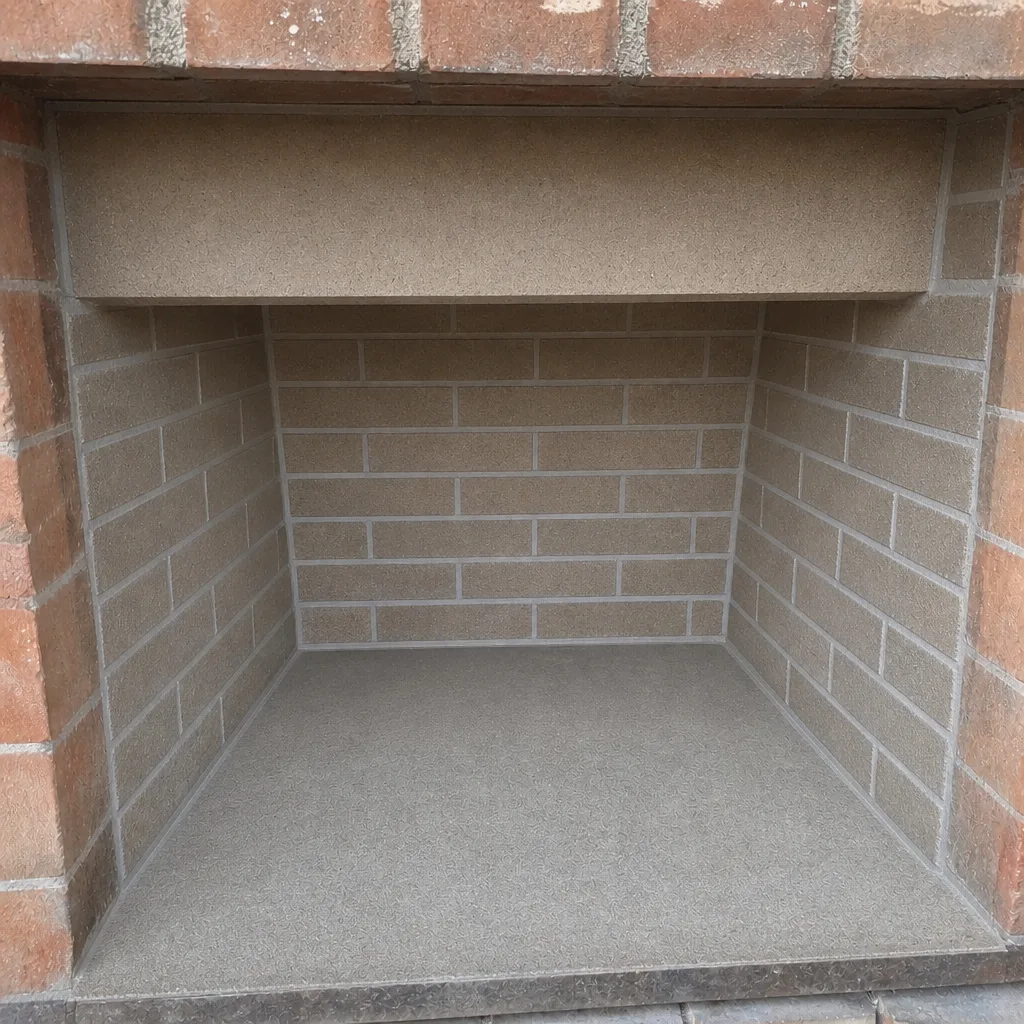
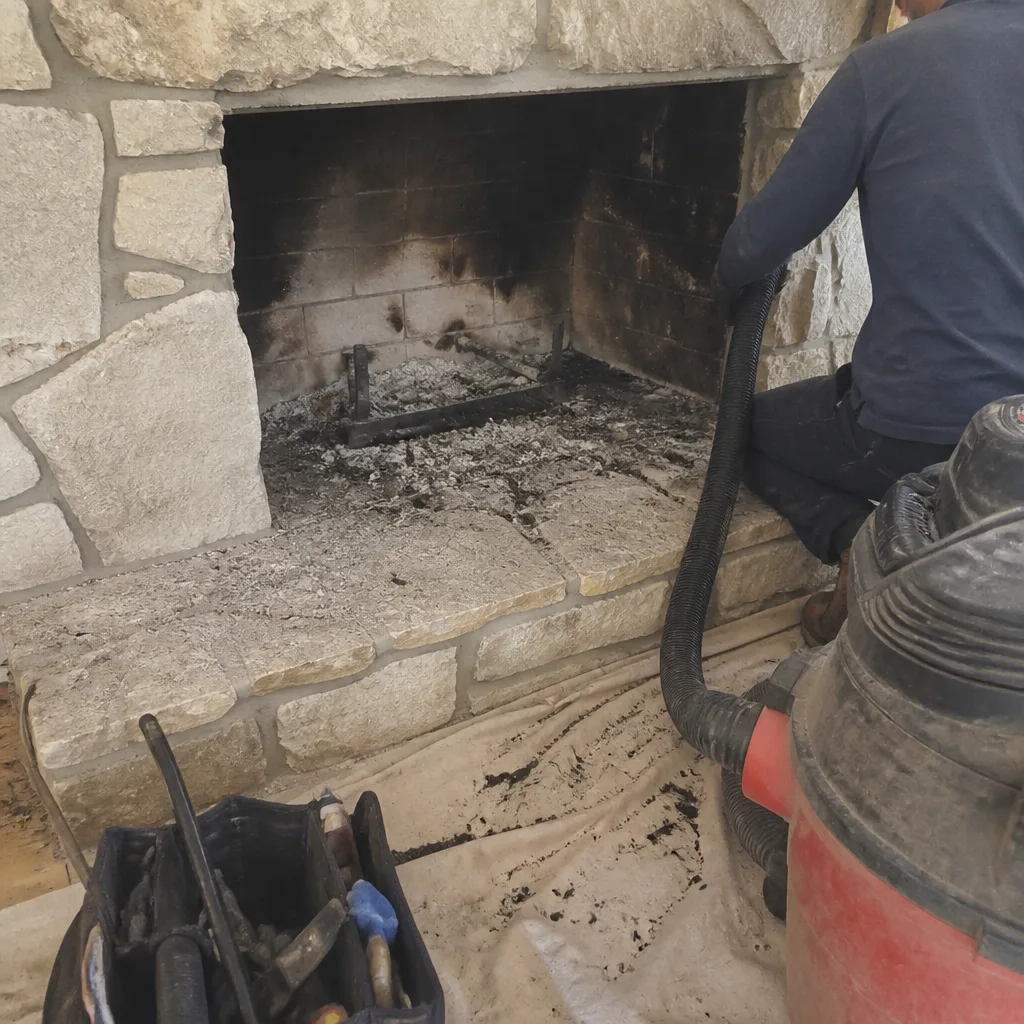
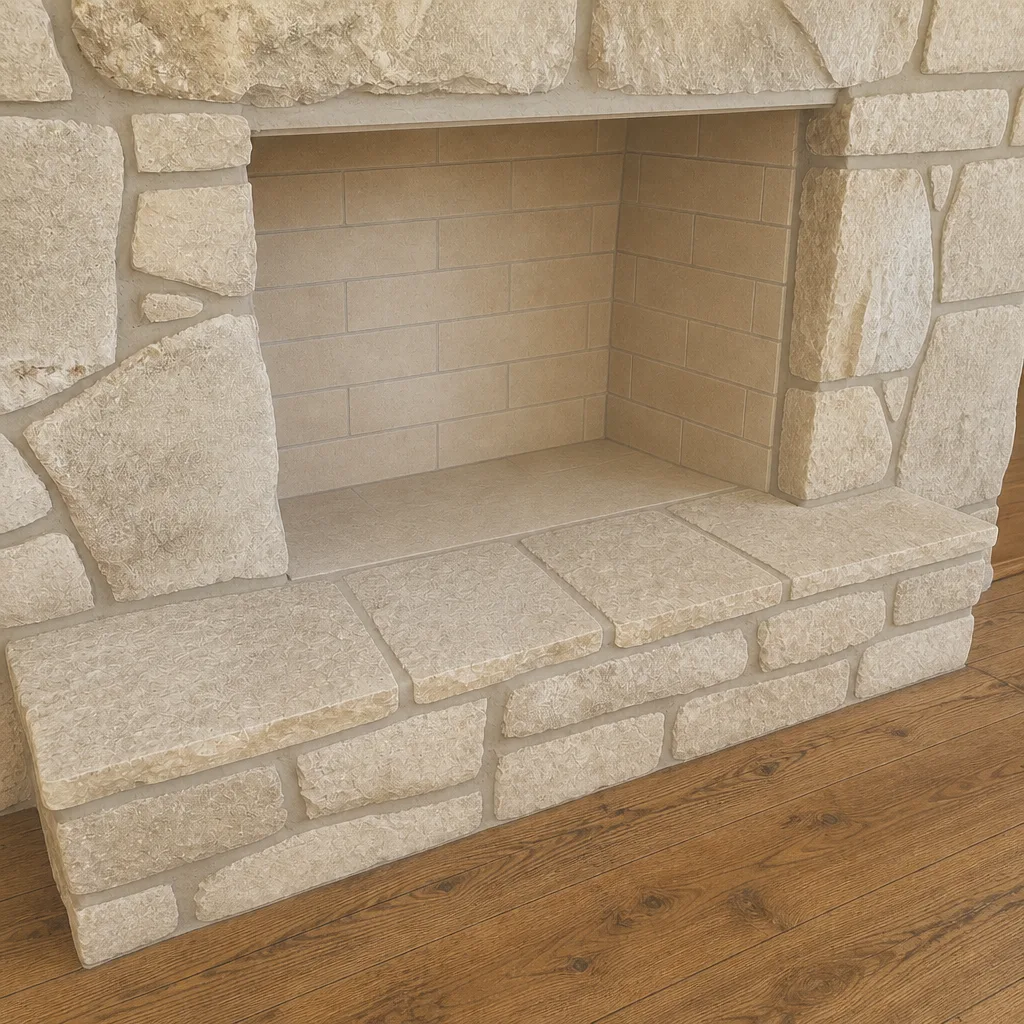
See the difference
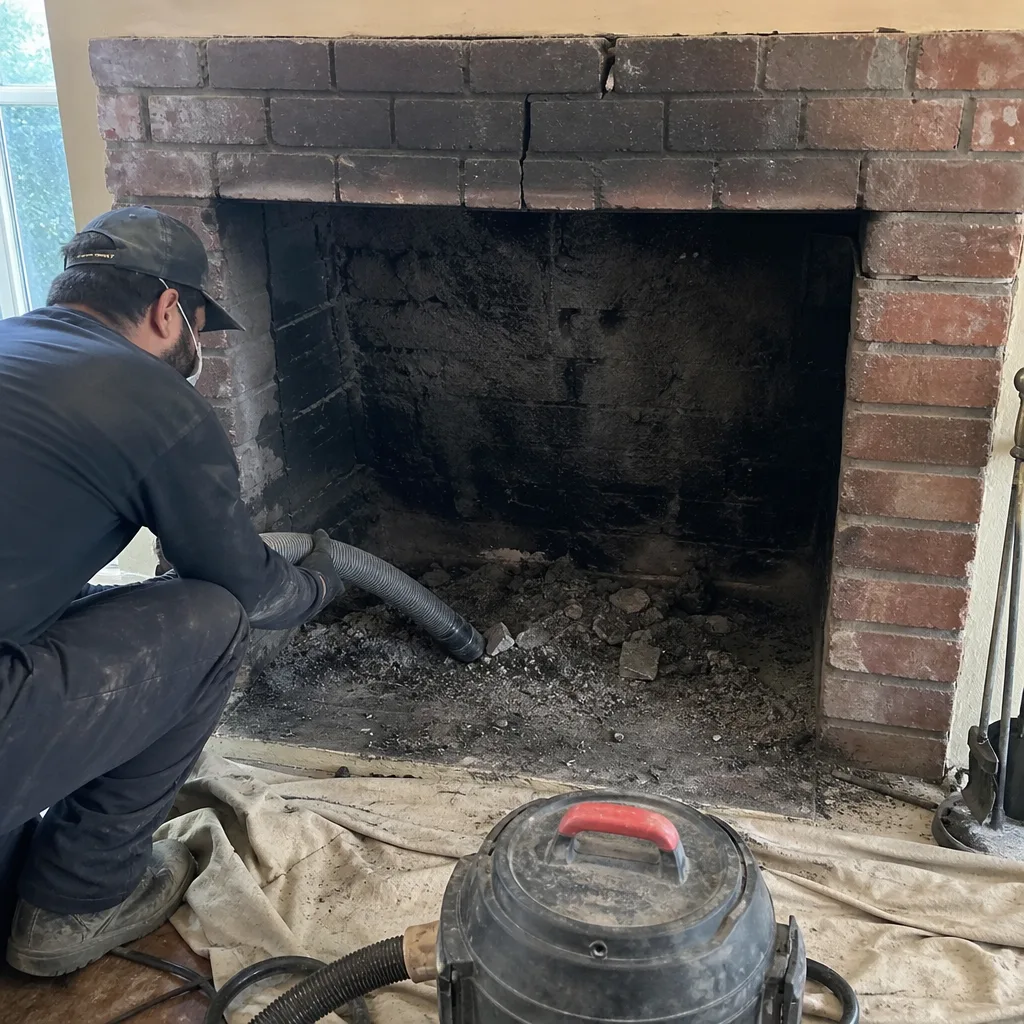 Before
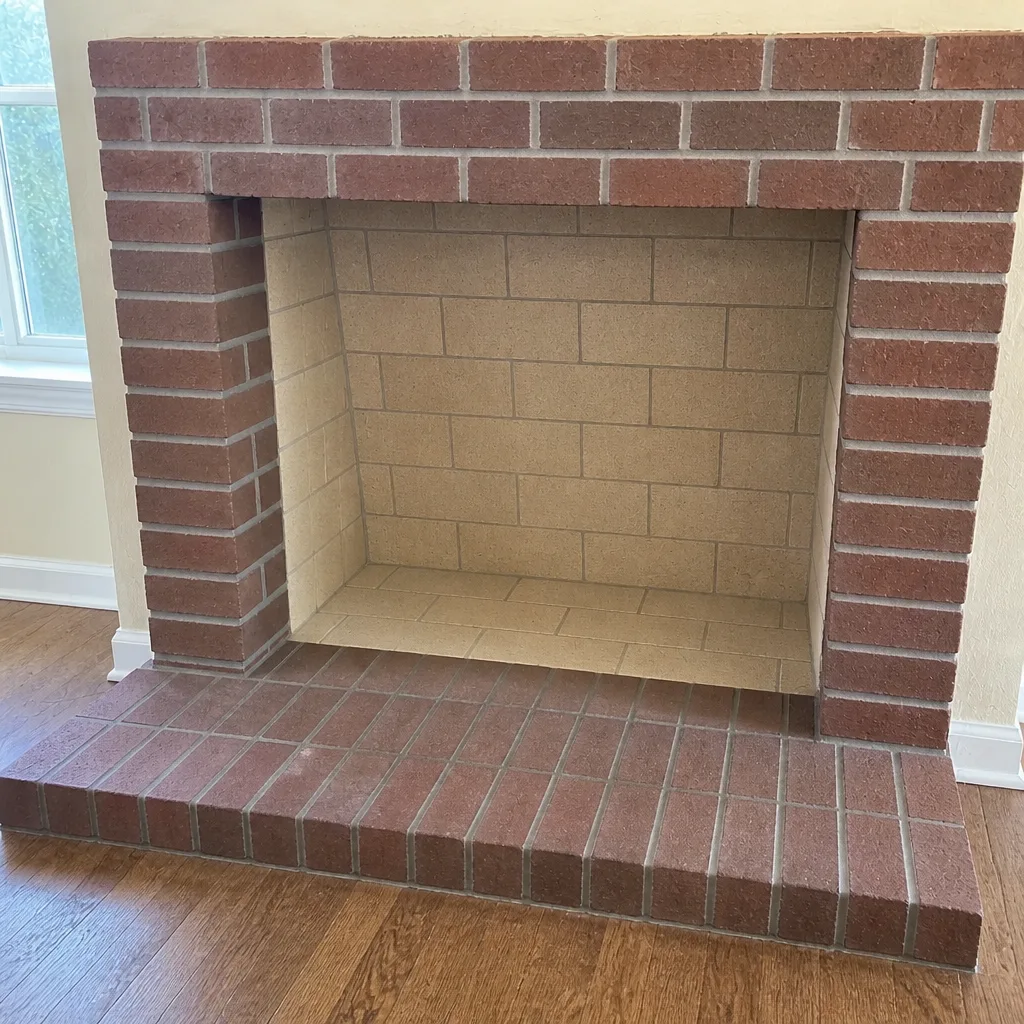 After
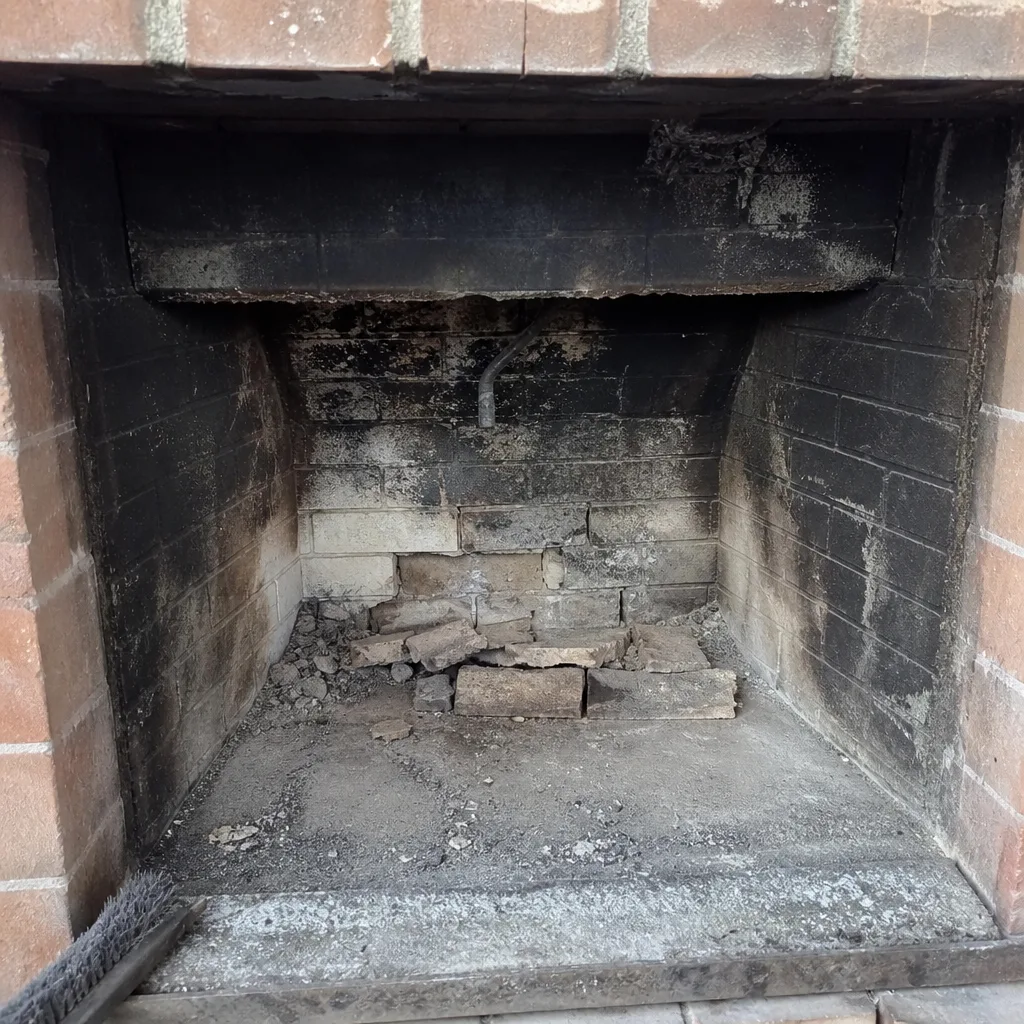 Before
 After
 Before
 After
When to Call a Professional
Some chimney issues give you plenty of warning. Others don’t. Call a professional if any of the following apply: the flue has never been inspected since you moved in, you’ve had a chimney fire (even a small one), the firebox or smoke chamber shows visible cracking or spalling, smoke rolls back into the room when the fireplace is lit, you smell creosote or musty odors near the fireplace in warm months, the chimney cap is missing or rusted out, or it’s simply been more than a year since the last cleaning.
Chimney Sweep Santa Maria offers free estimates in Santa Maria that specify scope, inspection level, and cost before any work begins. Call (866) 389-4535. We answer 24/7. Fast dispatch from 7am to 7pm, Sunday through Friday. A call outside dispatch hours is booked into the next opening, Sunday through Friday, 7am to 7pm.
Frequently Asked Questions
In 2026, a standard chimney cleaning with a Level 1 inspection typically costs $180 to $340 in Santa Maria. Cleaning-only jobs often fall around $150 to $250, and a masonry chimney with a bundled inspection sits at the higher end. Call (866) 389-4535 for an exact quote – estimates are free.
Only if the existing liner has failed in a way that can’t be repaired. A cracked clay tile liner can sometimes be restored with HeatShield resurfacing instead of replaced, which saves real money. A full stainless reline is the right call when the liner is missing, deteriorated beyond repair, or sized wrong for the appliance. Either way, camera evidence should come with the recommendation – nothing gets recommended without it. Call (866) 389-4535 to talk through what you’re being told, and we’ll tell you plainly whether the repair can wait.
Once a year is the standard for a chimney in regular use during heating season. A fireplace used only a handful of times a year may not need sweeping every season, but it does need an annual visual check so nothing gets missed. In Santa Maria’s mild climate, annual inspection matters as much as the sweep itself. Call (866) 389-4535 to schedule a cleaner year.
Creosote builds up in the flue, moisture gets into the mortar and liner if the crown or cap is compromised, and the next cleaning is larger, more expensive work. In the worst case, a chimney fire starts or carbon monoxide backs up into the home. Skipped service isn’t free – it just moves the cost to a future repair bill. Call (866) 389-4535 for a free estimate and an honest read on where your chimney sits.
Usually, yes – by roughly $40 to $100 per visit. Factory-built systems have a straight metal flue that sweeps faster and no masonry joints to inspect. Masonry chimneys take more time because the crown, tile liner, and firebox all need checking, and the flue brush is different. Call (866) 389-4535 for an exact quote based on your system.
A fair estimate itemizes scope, separates what’s needed now from what can wait, and names the actual parts and materials. An upsell setup quotes a low price with no scope, then recommends thousands of dollars of liner or crown work without camera photos you can look at. If it feels like the real number is being held back, get a second opinion. Call (866) 389-4535 for a free estimate that specifies everything in writing.
The Bottom Line
Chimney cleaning cost in Santa Maria in 2026 ranges from about $150 for a basic clean to $340 or more for a sweep bundled with inspection and minor repair on a masonry system. The lower end and higher end can both be fair prices. The difference isn’t marketing – it’s scope, system type, access, what’s included, and whether the company is a chimney specialist or a generalist doing one more thing. Read the estimate for what’s in it, not just the total. Ask for camera evidence on any repair recommendation. And book the annual inspection even in mild years, because the cheapest chimney service is always the one that catches a small issue before it becomes a structural one.
If you’re ready to compare a real written estimate against what you’ve been quoted, or to get a chimney sweep in Santa Maria done by chimney-only specialists working with professional-grade materials like HeatShield, DuraFlex, Gelco, and Olympia Chimney, we’re here. Call (866) 389-4535 for a free estimate. We answer 24/7. Fast dispatch from 7am to 7pm, Sunday through Friday. From sweep to full reline, the inspection comes first, and every recommendation comes with evidence you can see. Visit Chimney Sweep Santa Maria to get started.
Written by the team at Chimney Sweep Santa Maria.