
Last updated November 15, 2026
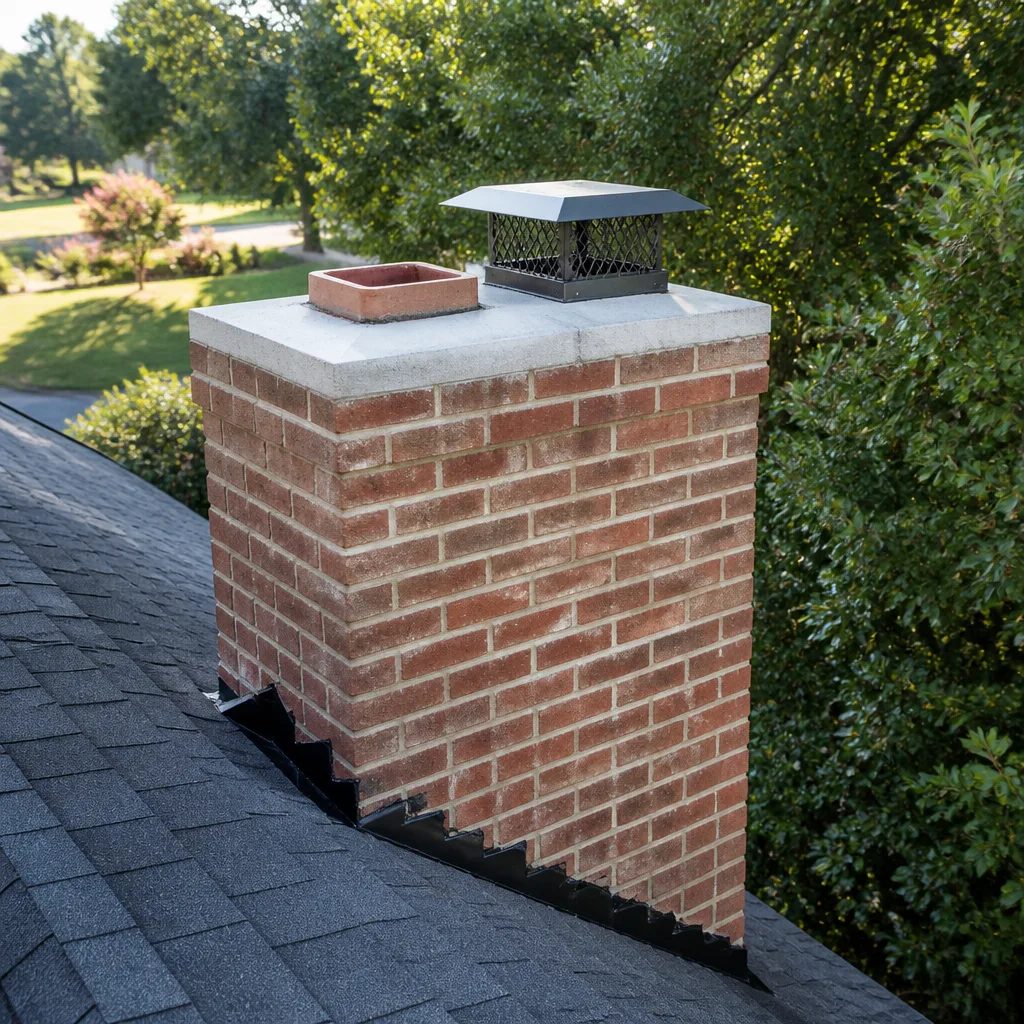 Sweep & inspection
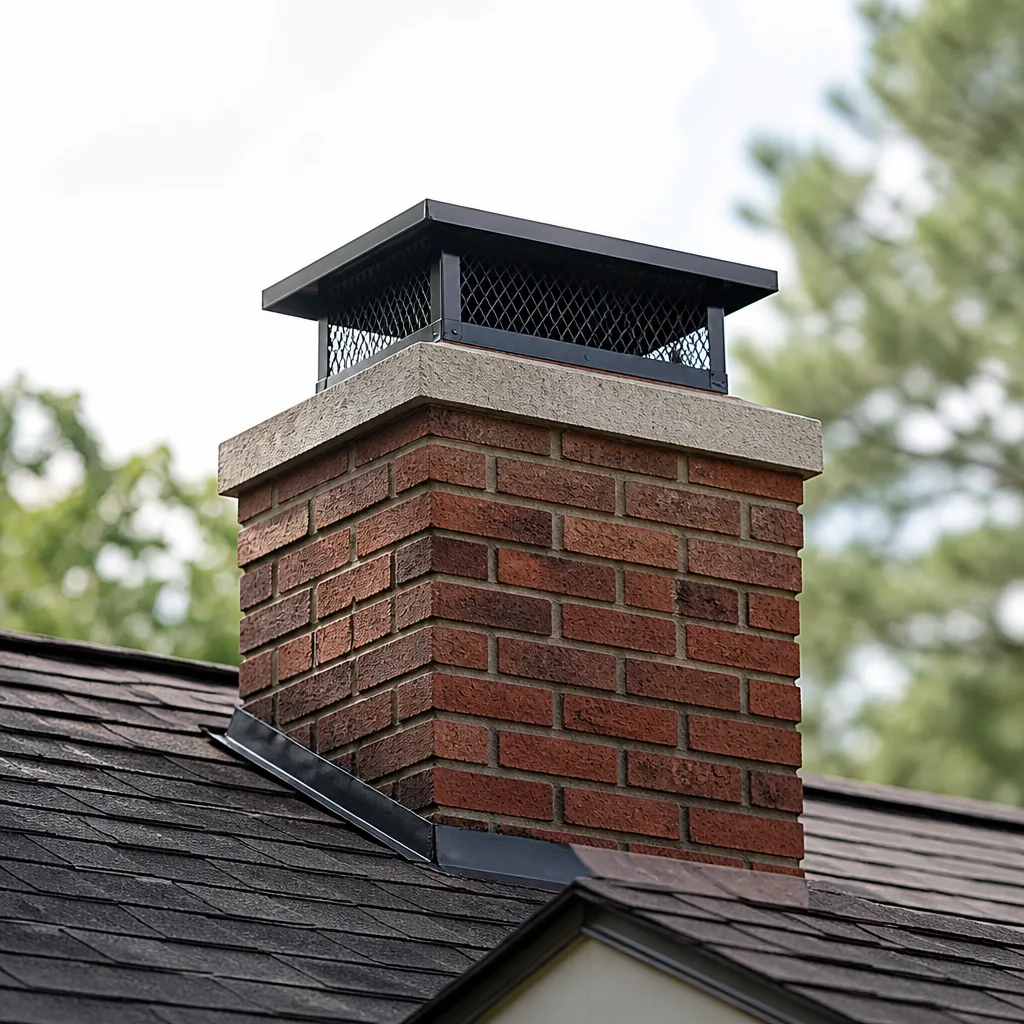 Caps & crowns
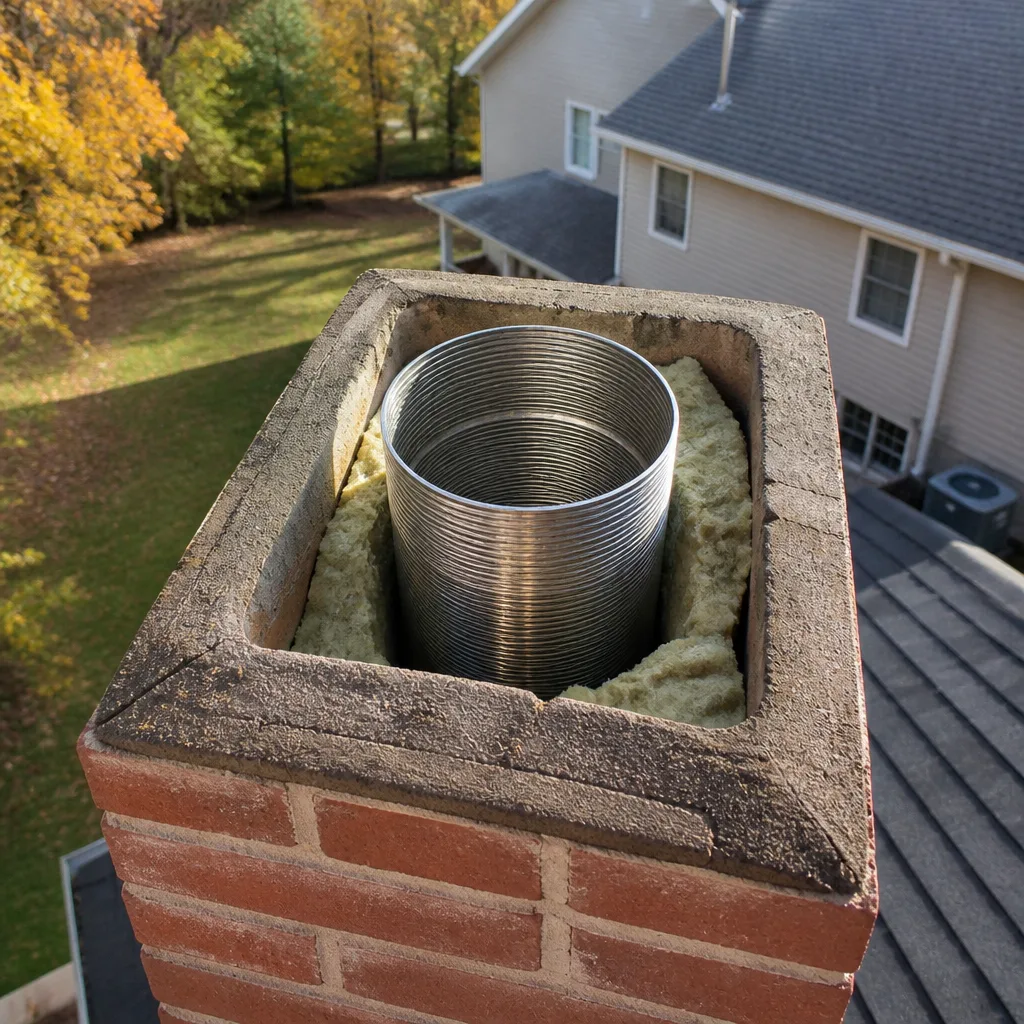 Flue relining
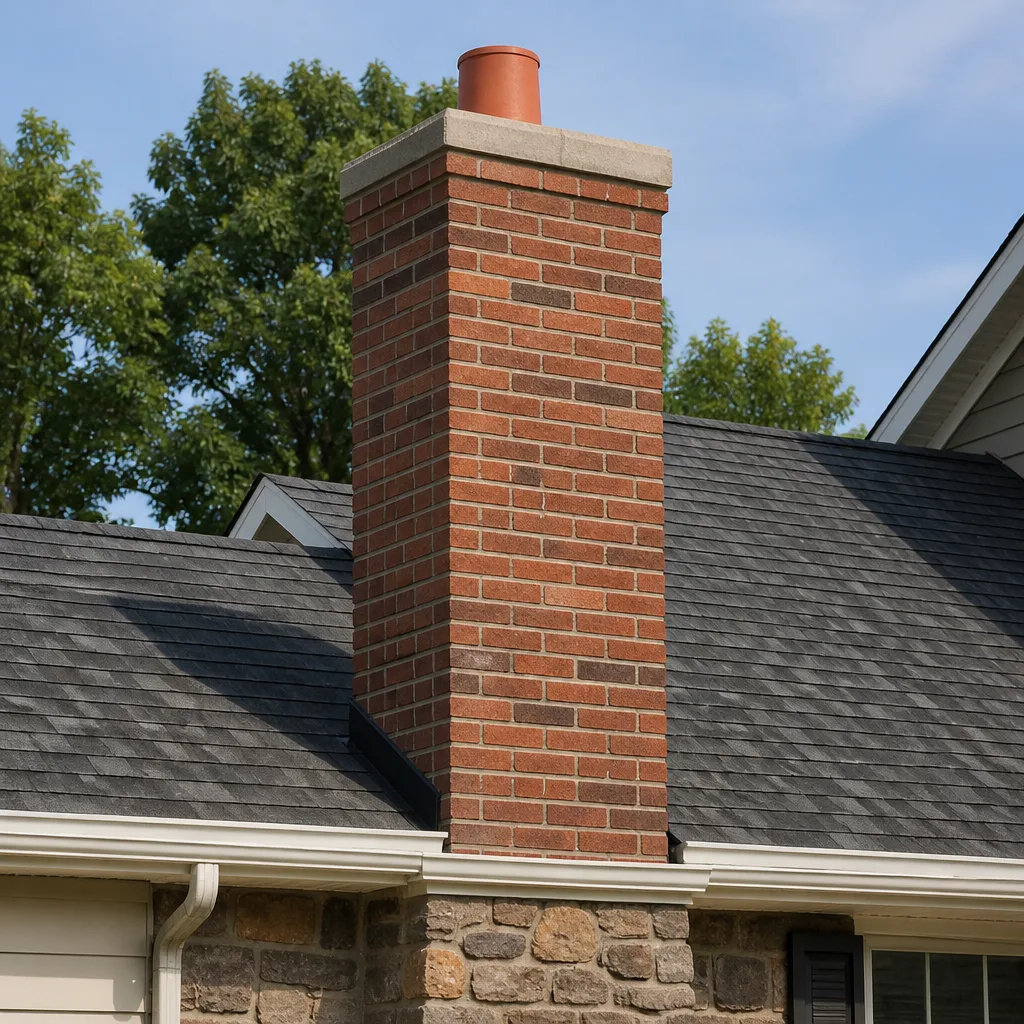 Masonry repair
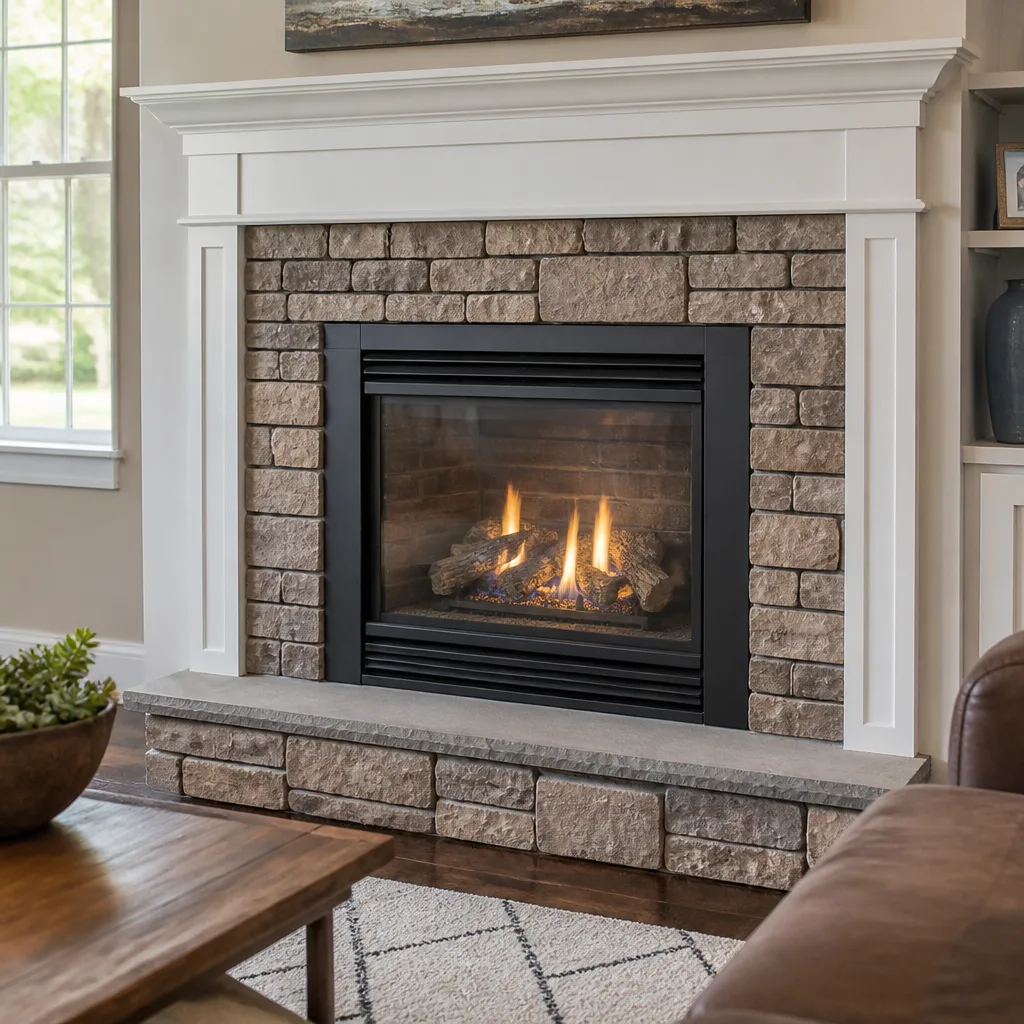 Gas fireplace service
Level 1 sweep and inspection to the NFPA 211 annual standard - flue, crown, cap, and flashing checked and photographed
Chimney sweep logs do not sweep chimneys. They loosen some creosote - which then falls where a brush and vacuum still have to collect it.
Chimney Sweep Troubleshooting in Santa Maria: Common Problems and How to Fix Them
That campfire smell drifting into your living room on a warm evening isn’t nostalgia. It’s a draft reversal, and it tells a chimney sweep exactly what’s wrong before anyone touches the flue. Most homeowners in Santa Maria chalk smoke backpuffing, odd odors, and slow drafts up to “just an old house thing.” They’re not quirks. Each one is a diagnosable symptom with a specific cause, and once you know how to read the signs, you’ll know whether to grab a flashlight or grab the phone. This guide walks through the problems we see most often in Santa Maria, what each one points to, and how to fix it.
Quick Answer
Most chimney problems in Santa Maria come down to one of five things: draft reversal from air pressure imbalance, a flue that’s too large or too small for the firebox, creosote buildup at stage 1, 2, or 3, water getting past a failed crown, damper, or flashing, or animal intrusion. Some of these you can watch and schedule. Others mean stop using the fireplace today. We break down which is which below.
Styles & brands we work with
- Sweep & inspection
- Caps & crowns
- Flue relining
- Masonry repair
- Gas fireplace service
Table of Contents
- Why Does My Fireplace Smoke or Backpuff?
- How Do I Know What Stage of Creosote I Have?
- Why Is Rain Getting Into My Firebox?
- What Do the Smells Coming From My Chimney Mean?
- Watch-and-Schedule vs. Stop-Using-It-Now: A Decision Tree
- When to Call a Professional
- Common Mistakes to Avoid
- Frequently Asked Questions
Why Does My Fireplace Smoke or Backpuff?
Smoke that rolls out of the firebox instead of going up the flue is a draft problem. A chimney doesn’t pull smoke up by magic. It relies on the difference between the warm air inside the flue and the cooler air outside, plus a steady supply of replacement air in the room. When either side of that equation breaks down, smoke has nowhere to go but back into the house. In Santa Maria, we see three distinct draft failures most often, and each one has its own root cause.
1. Pressure differentials from outside air
Santa Maria sits in a valley where afternoon winds pick up and evening air cools fast. When the outside air pressure is higher than the pressure inside your home, the chimney can’t pull against it. The fire struggles, and smoke backpuffs into the room. Homes near open fields or on the windward side of a ridge notice this most. The fix usually involves a chimney cap designed to stabilize draft, sometimes combined with adjusting how the fire is built. A wind-induced draft issue is frustrating but rarely dangerous.
2. Negative indoor pressure from tight modern insulation
Newer or well-sealed homes in Santa Maria can be too tight for their own chimneys. When a range hood, bathroom fan, or furnace kicks on, it pulls air out of the house. The chimney becomes the path of least resistance for that replacement air to come in, so cold air drops down the flue and pushes smoke back into the firebox. If your fireplace only smokes when the kitchen exhaust fan runs, you’ve found your problem. Opening a window near the firebox a crack often resolves it temporarily. A proper fix may involve a dedicated make-up air source or a different cap design.
3. Flue-to-firebox size mismatch
Here’s the one fewer people know about. If the chimney flue is oversized for the firebox opening, the smoke has too much room to cool before it reaches the top. Cool smoke is heavy smoke, and it stalls. If the flue is undersized, it chokes the fire and can’t move the volume. This is a design issue, not a maintenance issue. An older masonry chimney with a generously sized flue serving a small firebox is a classic example. Solving it may involve a stainless liner sized correctly for the appliance, which is where professional relining options like a DuraFlex system come into play.
If you’re unsure which of these three you’re dealing with, a chimney sweep and inspection will tell you. The sweep sees the flue size, checks the cap, and measures the draft before recommending anything.
How Do I Know What Stage of Creosote I Have?
Creosote is the tar-like residue left behind when wood burns incompletely. It builds up inside the flue over time, and it’s the single biggest fire hazard a wood-burning chimney carries. There are three recognized stages, and a homeowner can tentatively self-identify which one they’re looking at with a flashlight and a mirror aimed up the flue. That said, the eyeball test is not a replacement for a professional inspection. It just tells you how urgently to schedule one.
Here’s what each stage looks like and what it means:
Stage 1: Soot and light flaky deposits
Stage 1 creosote looks like black soot or fine flakes, often the consistency of ash. You can brush it away with a chimney brush, and it doesn’t ignite easily at typical fireplace temperatures. Unless the layer is very thick, stage 1 buildup is a watch-and-schedule situation. If you burn seasoned wood and have your chimney swept annually, you’re unlikely to see much more than this.
Stage 2: Crusty, flaky, or brittle deposits
Stage 2 creosote is darker and harder. It looks like flaky crust or dried coffee grounds stuck to the flue wall. It can be scraped with a stiff brush, but it takes more work and often a rotary tool. Stage 2 is a stop-and-deal-with-it-soon situation. It won’t necessarily ignite on a quiet evening, but a hot fire near a buildup of stage 2 creosote is where chimney fires start. If you see this, schedule a Chimney Sweep Santa Maria visit before your next burn.
Stage 3: Glazed, hard, tar-like deposits
Stage 3 creosote is the dangerous one. It looks like a shiny black glaze fused to the flue, like dried tar or glass. It’s very hard, and it ignites at high heat. A standard chimney brush won’t remove it. It requires chemical treatments, rotary cleaning, or sometimes flue replacement. If you see stage 3, stop using the fireplace immediately and get a professional out. We regularly use HeatShield resurfacing or a proper liner system when stage 3 damage has compromised the flue itself.
If you’re not sure what you’re looking at, don’t guess. An inspection with a camera shows the interior of the flue clearly, and you’ll get photos along with the report so you can see what the sweep sees.
Why Is Rain Getting Into My Firebox?
Water in the firebox after a rainstorm is a sign of one of three things, and each has a completely different fix. The mistake people make is assuming it’s all one problem. It isn’t. Here’s how to narrow it down before you call anyone.
Missing or failed damper
If the fireplace is open to the sky when the damper is open, rain will come straight down the flue and into the firebox. That’s normal if the damper was left open. If the damper was closed and you still have water, the damper is either rusted open, warped, or missing entirely. A stuck or missing damper is a straightforward repair.
Failed crown
The crown is the concrete or masonry cap that sits on top of the chimney, sloped to shed water away from the flue. When the crown cracks, water runs down between the flue and the masonry, then finds its way into the firebox. Crown cracks are often visible from the ground with binoculars. A cracked crown also lets water into the chimney structure itself, which is why it leads to spalling brick and mortar damage if left alone. Repointing or replacing the crown is the fix.
Deteriorated flashing
Flashing is the metal seal where the chimney meets the roof. When flashing fails, water runs down the side of the chimney and into the attic or down into the firebox. This is usually visible as staining on the chimney exterior or as water in the firebox after a wind-driven rain. Flashing repair is a roofing-adjacent job that many chimney specialists handle as part of a full inspection.
If the water is accompanied by a musty smell, a crumbling white powder on the brick, or dark stains on the ceiling near the chimney, the problem has likely been ongoing. Get a chimney repair assessment before the damage spreads further. Santa Maria’s dry climate means most water intrusion comes from rain events rather than snow or ice, but that also means the damage can go unnoticed for months between storms.
What Do the Smells Coming From My Chimney Mean?
A smell coming from a chimney is a diagnostic clue. Different odors point to different problems, and the category matters more than the intensity. If you can describe the smell accurately, you’ve already narrowed the diagnosis.
- Musty or damp: This points to moisture in the chimney structure, usually from a failed crown or flashing, sometimes from a cracked flue tile. Spalling brick (where the face of the brick flakes off) often accompanies a musty smell. The fix involves addressing both the water source and any masonry damage.
- Sharp, acrid, or chemical: This is the smell of active creosote or animal intrusion. A sharp smell after a fire can mean creosote in the flue is off-gassing. If the smell is present even when you haven’t burned anything, it’s more likely a bird or squirrel nest in the flue. Both require inspection before you use the fireplace.
- Sulfur or rotten-egg: This usually means exhaust backdraft from a gas appliance. A gas water heater or furnace flue that shares the chimney can backdraft into the living space when the draft is disrupted. This is a safety issue. Stop using the appliance and call a professional. Carbon monoxide from a backdrafting gas appliance is a serious hazard.
- Smoky, campfire-like: A campfire smell on a cool evening when you haven’t burned anything is the draft reversal we mentioned earlier. It’s often a pressure differential or a downdraft from a cap that’s missing or the wrong style.
For any sulfur smell or persistent musty odor, an inspection with a camera is the fastest way to see what’s going on. We work with professional-grade components including HeatShield and Olympia Chimney when repairs are needed. For a Santa Maria home, Santa Maria weather patterns matter here: the valley’s temperature swings mean the chimney can pull interior air down when the fire is out, carrying any odor back into the house.
Watch-and-Schedule vs. Stop-Using-It-Now: A Decision Tree
Not every chimney problem is an emergency. Some are watch-and-schedule, and some mean the fireplace stays cold until a professional takes a look. Here’s how we sort them.
Stop using the fireplace now if:
- You see stage 3 creosote (glazed, tar-like, shiny black) inside the flue.
- You smell sulfur, or the carbon monoxide alarm has gone off.
- Smoke fills the room every time you light a fire, not just occasionally.
- The chimney has visible separation from the house, cracked masonry, or pieces of brick fallen into the firebox.
- A chimney fire has already happened. Even a small one can crack flue tiles or distort a liner.
Schedule a visit soon if:
- You’re seeing stage 2 creosote (crusty, flaky deposits).
- Rain is getting into the firebox and the cause isn’t obvious.
- You have a musty smell or crumbling brick on the exterior.
- The damper is stuck or not sealing.
- You haven’t had the chimney inspected in over a year of regular burning.
Watch and note it if:
- Occasional smoke backpuffing when the kitchen fan runs.
- Stage 1 soot that you’re keeping an eye on.
- A faint campfire smell on warm evenings after the fire has gone out.
When in doubt, the safest call is to get a professional eye on it. The inspection is the foundation of every job we do. We don’t recommend a repair until we’ve seen it with a camera and can show you the evidence. The right repair shouldn’t cost you a liner replacement if resurfacing is the right answer, and it shouldn’t be a resurfacing job if the liner is already too far gone.
When to Call a Professional
Call a professional chimney specialist when you see stage 2 or stage 3 creosote, when smoke backpuffs consistently, when water is getting into the firebox, or when you can’t account for an odor. Also call if your chimney hasn’t been inspected in over a year of regular burning, or if you’ve had any chimney fire, even a quiet one you put out yourself. The signs that require immediate attention are sulfur smell, carbon monoxide alarm activation, or visible structural damage. Everything else can be scheduled.
Chimney Sweep Santa Maria offers free estimates in Santa Maria. We answer 24/7, with fast dispatch from 7am to 7pm, Sunday through Friday. Call (866) 389-4535 to get on the schedule. A call outside dispatch hours is booked into the next opening.
Common Mistakes to Avoid
- Assuming every smoke problem is a dirty chimney. Sometimes it’s a pressure issue or a flue size mismatch. Sweeping won’t fix either one. Get an inspection before you pay for a cleaning that won’t solve the problem.
- Waiting until fall to schedule a sweep. Santa Maria homeowners tend to remember their chimney when the first cool evening arrives. By then, schedules fill up. A spring or summer inspection gives you time to deal with any repair before burning season.
- Burning unseasoned wood to “use it up.” Wet wood produces more creosote at every stage. If you’re seeing creosote build faster than expected, check the wood before you blame the chimney. Seasoned wood burns cleaner and leaves less residue.
- Ignoring a small crown crack. A hairline crack in the crown lets water in, and water in a masonry chimney means spalling, then structural damage. It’s the cheapest repair on this list if you catch it early and one of the most expensive if you don’t.
- Hiring a roofer or handyman to look at the chimney. Chimney work requires specific tools, camera inspection capability, and knowledge of flue sizing and liners. A generalist can look at the outside of your chimney and miss what’s going on inside the flue.
- Assuming a chimney cap is optional. A cap keeps rain, birds, and squirrels out, and it helps stabilize draft. If your chimney doesn’t have one, that’s often the first item on the inspection report.
- Confusing a chimney fire with a “hot burn.” A chimney fire can sound like a low roar or a crackle, and it can go out on its own. If you’ve heard that sound, treat the chimney as suspect until a professional inspects it. Even a small fire can crack flue tiles.
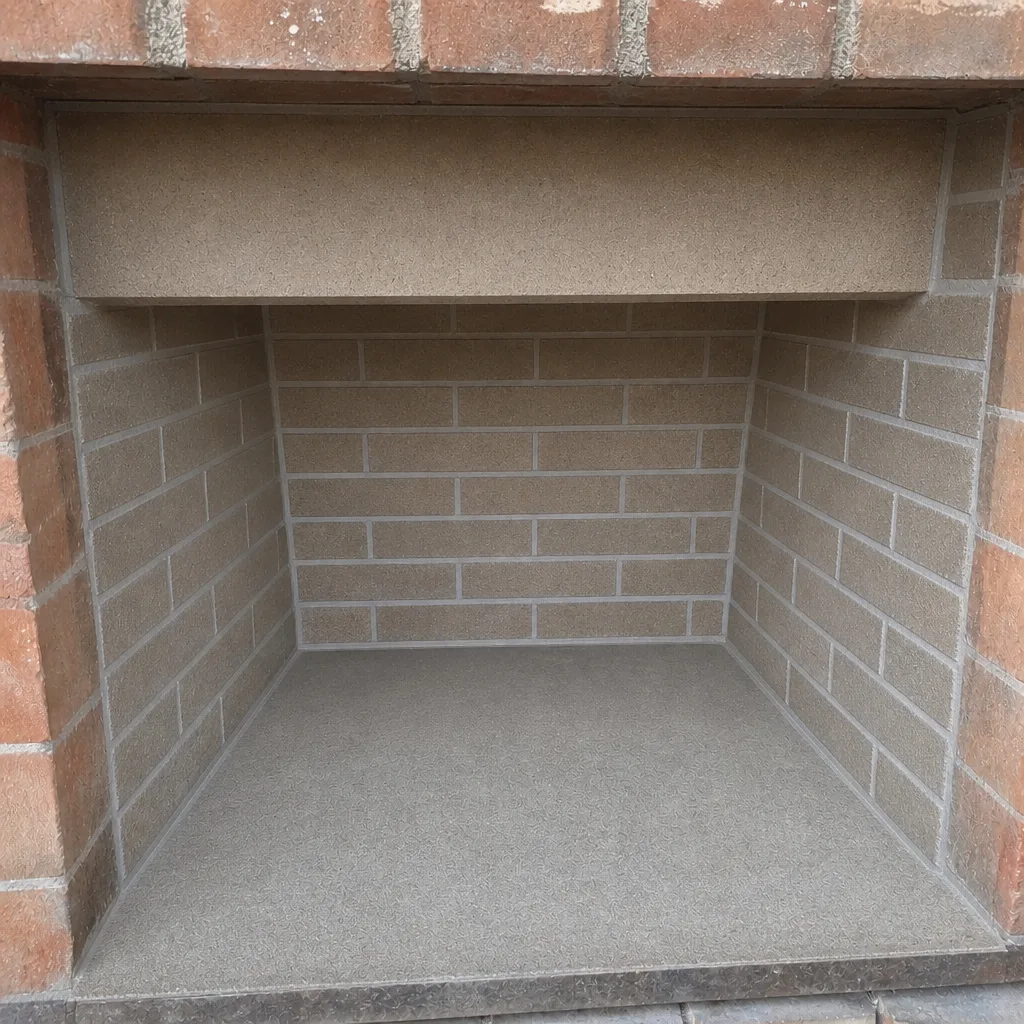
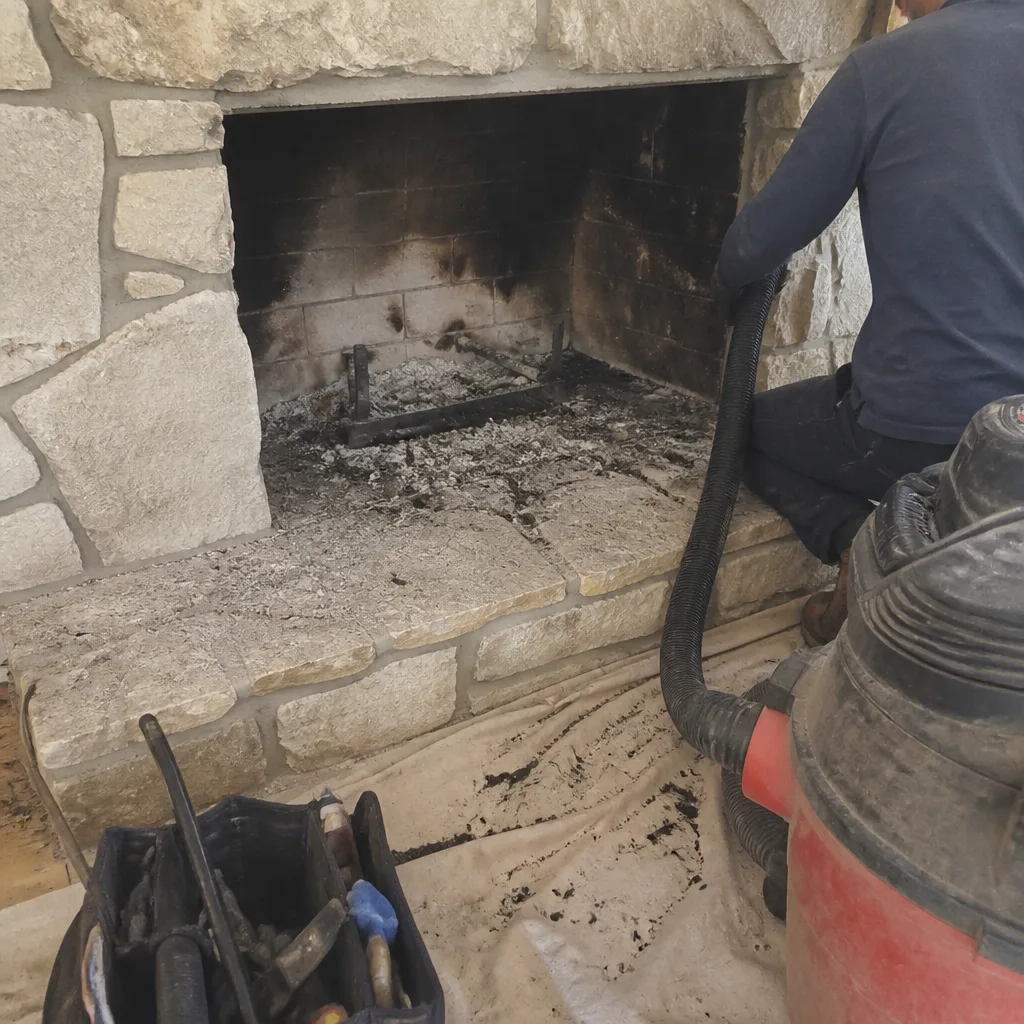
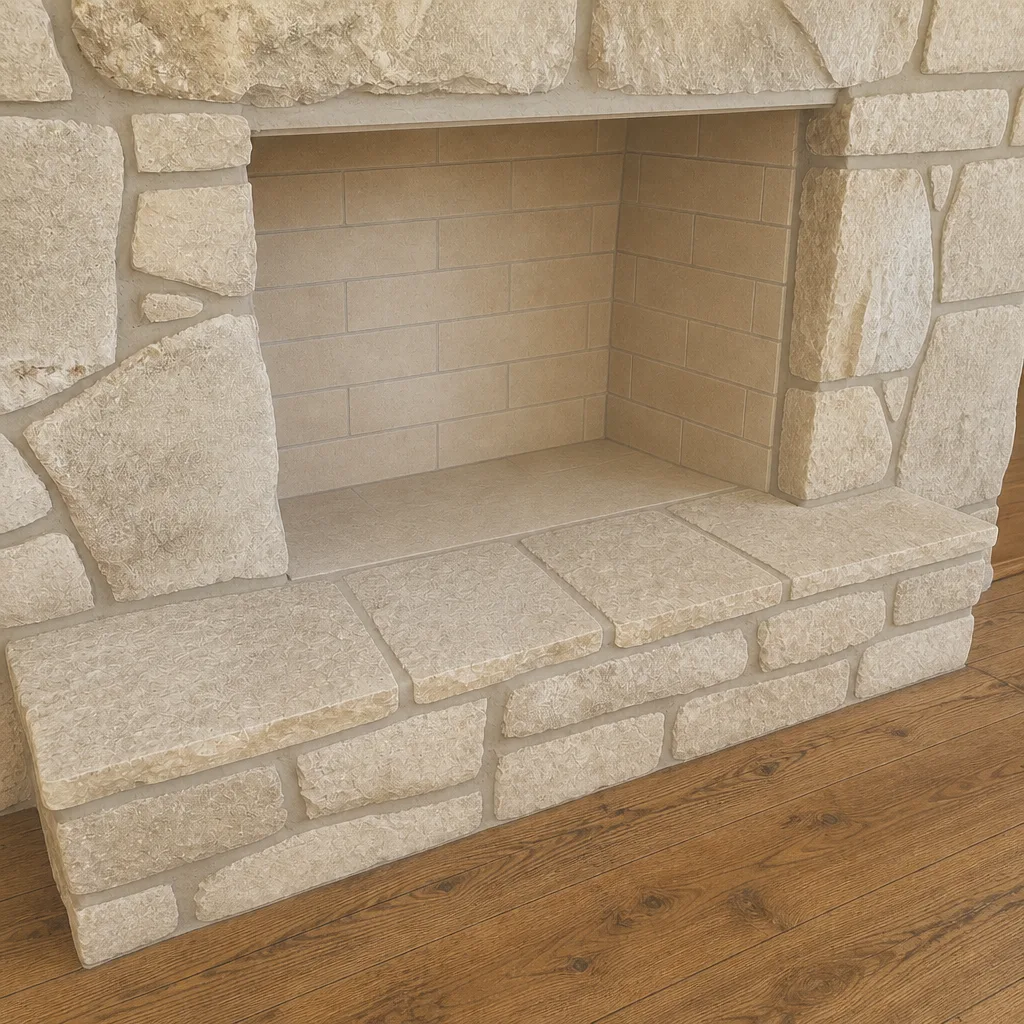
See the difference
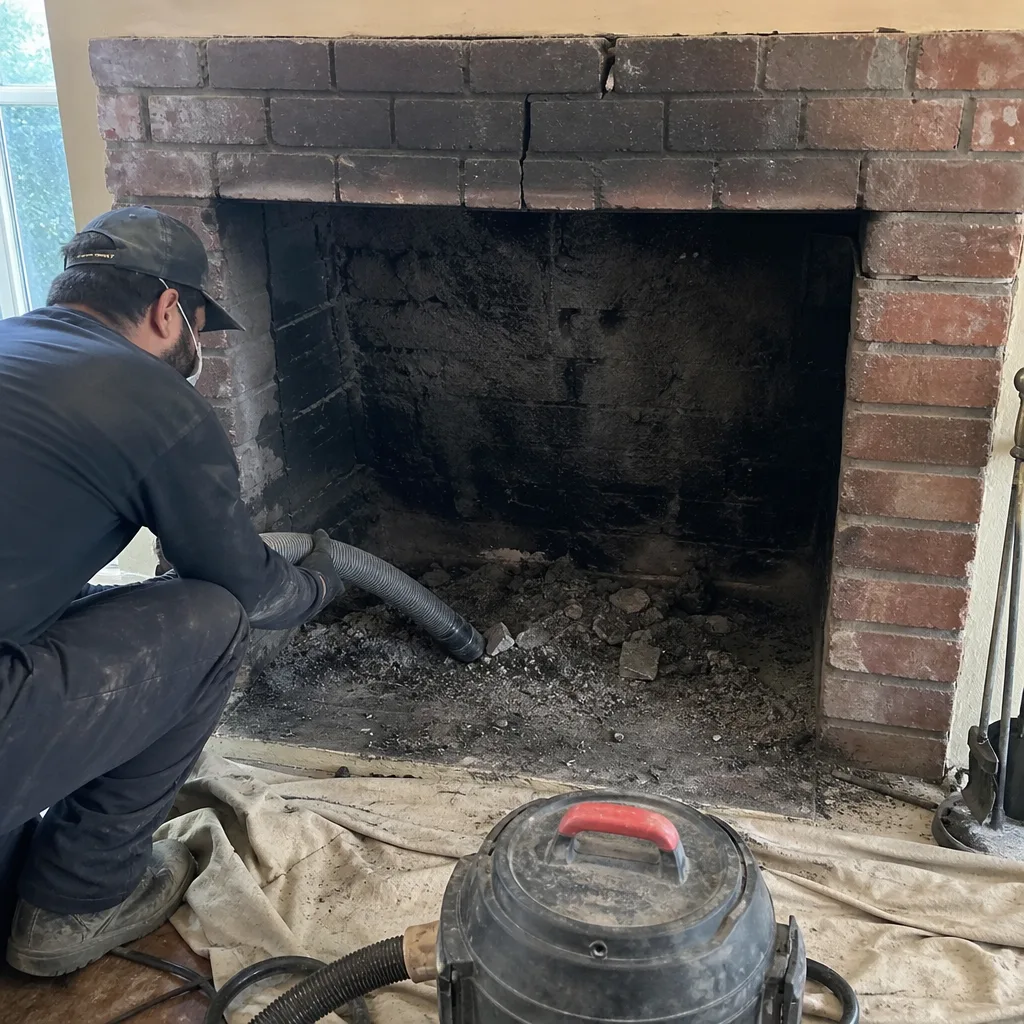 Before
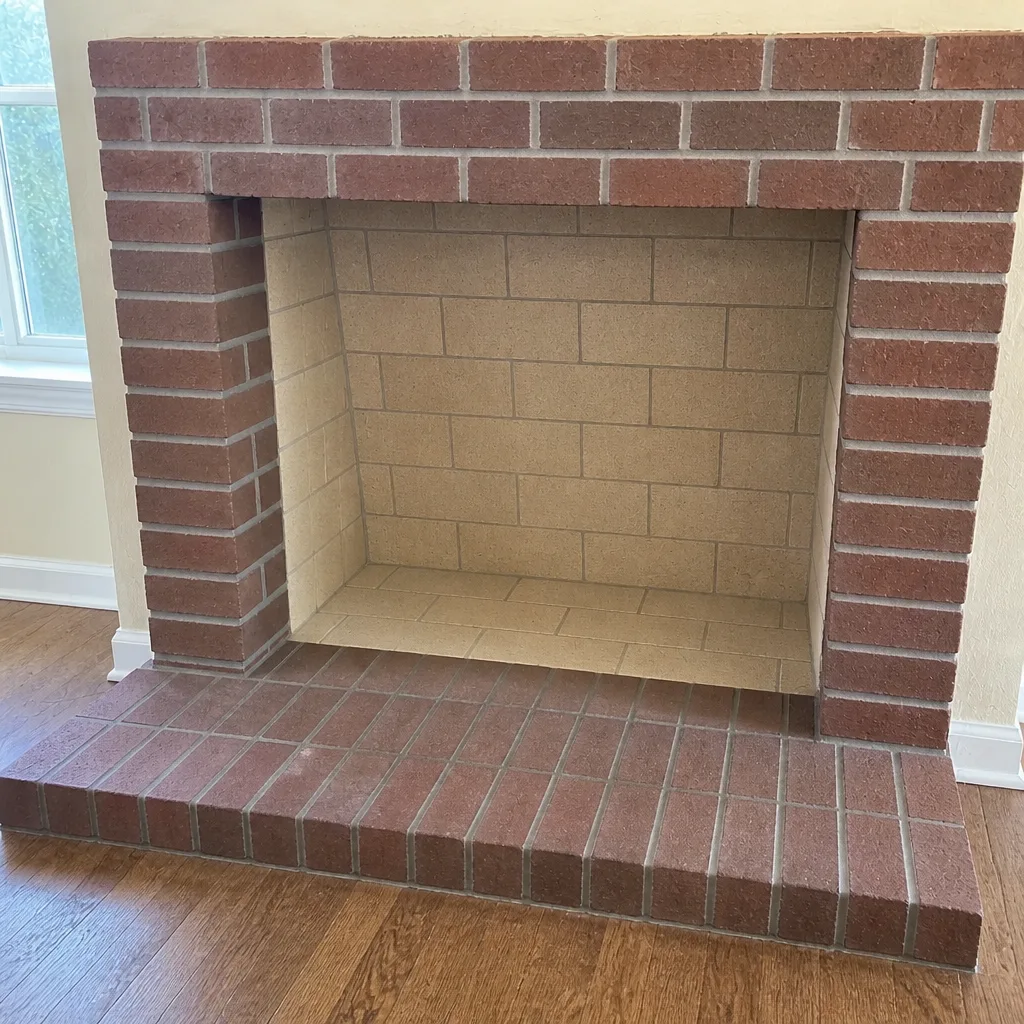 After
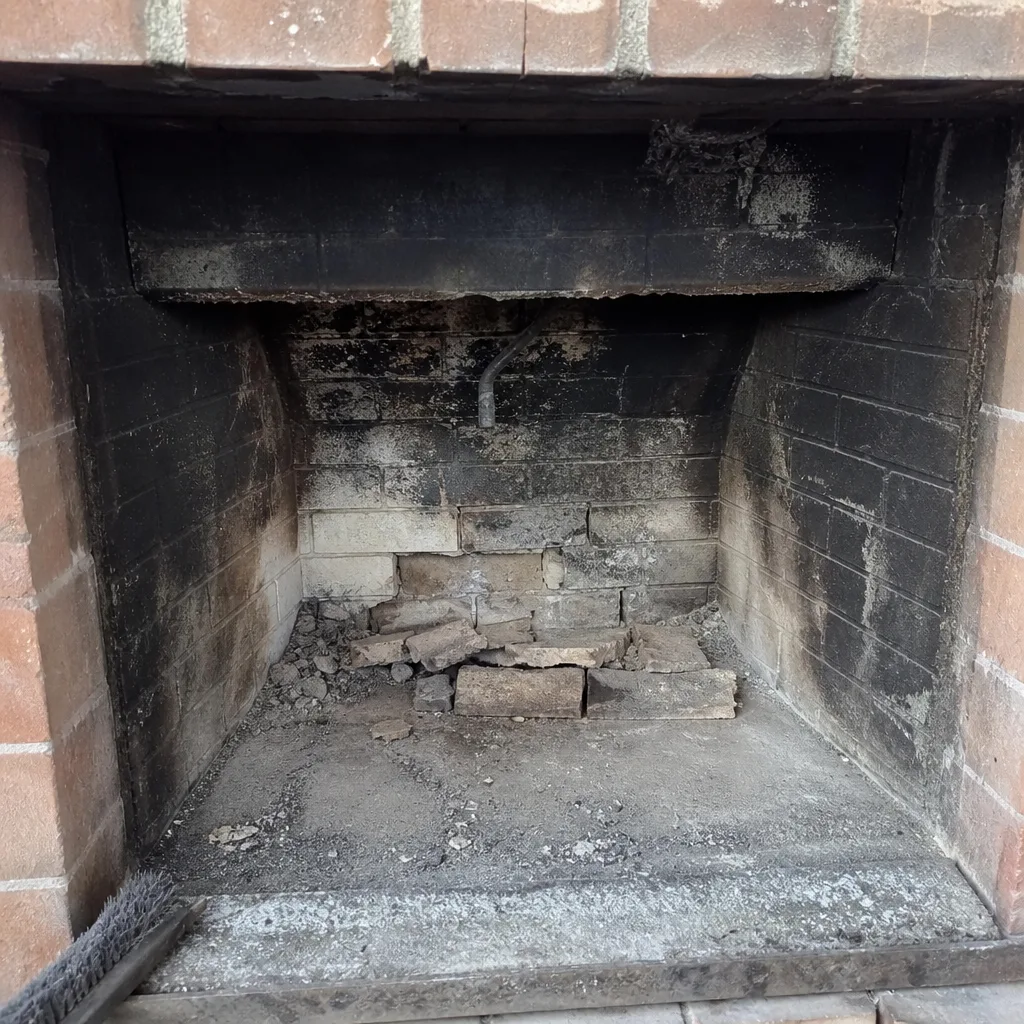 Before
 After
 Before
 After
Frequently Asked Questions
Most wood-burning chimneys should be swept once a year, and inspected at least once a year as well. If you burn frequently or burn unseasoned wood, you may need it more often. Gas inserts and appliances should be inspected annually to check for blockages and proper venting. An annual sweep and inspection is the simplest way to stay ahead of creosote buildup and catch small problems before they turn into liner replacements.
It depends on the condition of the flue. If the flue tiles are intact and the damage is surface-level, HeatShield resurfacing can restore the interior without a full reline. If the tiles are cracked, displaced, or the flue is the wrong size for the appliance, a new liner, often a stainless system like DuraFlex, is the right answer. We recommend resurfacing when it’s genuinely the right fix, and we show you the camera evidence so you can see why. We don’t recommend a liner unless the flue condition calls for it. Call (866) 389-4535 for an exact quote. Estimates are free.
A cold flue doesn’t draft immediately. The first few minutes of a fire can send smoke into the room until the flue warms up. That’s normal. If your fireplace smokes well after the fire is established, or if it smokes every time you light it, that’s a draft problem worth investigating. A pre-warming technique can help on cold starts, and an inspection can rule out a flue size or cap issue.
Sulfur or rotten-egg smell near a chimney usually means a gas appliance is backdrafting. That’s a carbon monoxide risk, and you should stop using the appliance and get it checked before you use it again. If you have a carbon monoxide alarm, check it. If it’s going off, follow the alarm instructions and call for help. An inspection can identify the backdraft source, which might be a blocked flue, an oversized flue, or a venting configuration problem.
You can, but most homeowners shouldn’t. Chimney cleaning involves getting on the roof or working through the firebox, dealing with creosote, and knowing what to look for inside the flue. Creosote exposure is a skin and respiratory irritant, and roof work is a fall hazard. A professional sweep can also spot early warning signs of liner damage or water intrusion that you might miss. If you want to know what’s in your chimney without the risk, an inspection is the better move.
Creosote builds up over time, and the higher the stage, the higher the fire risk. Stage 3 creosote can ignite from a hot fire, and a chimney fire can spread beyond the flue. Skipping maintenance also means small issues go unnoticed: a cracked crown, a stuck damper, or a bird nest in the flue. None of those are visible from the living room. The cheapest repair is the one you catch early. Call (866) 389-4535 for an exact quote. Estimates are free.
The Bottom Line
The chimney problems we see in Santa Maria usually announce themselves before they become emergencies. Smoke backpuffing, campfire smells, musty odors, and rain in the firebox are all symptoms with specific causes, and you can sort most of them into watch-and-schedule versus stop-using-it-now without any special equipment. What you can’t do from the living room is see the inside of the flue. That’s where an inspection comes in, and it’s why we inspect first and recommend second. If you’re seeing stage 2 or stage 3 creosote, water in the firebox, or a smell you can’t place, we can take a look, show you what we find, and quote the repair that actually fits the problem.
Chimney Sweep Santa Maria offers free estimates in Santa Maria. Call (866) 389-4535. We answer 24/7. Fast dispatch from 7am to 7pm, Sunday through Friday.
Written by the team at Chimney Sweep Santa Maria.