
Last updated November 15, 2026
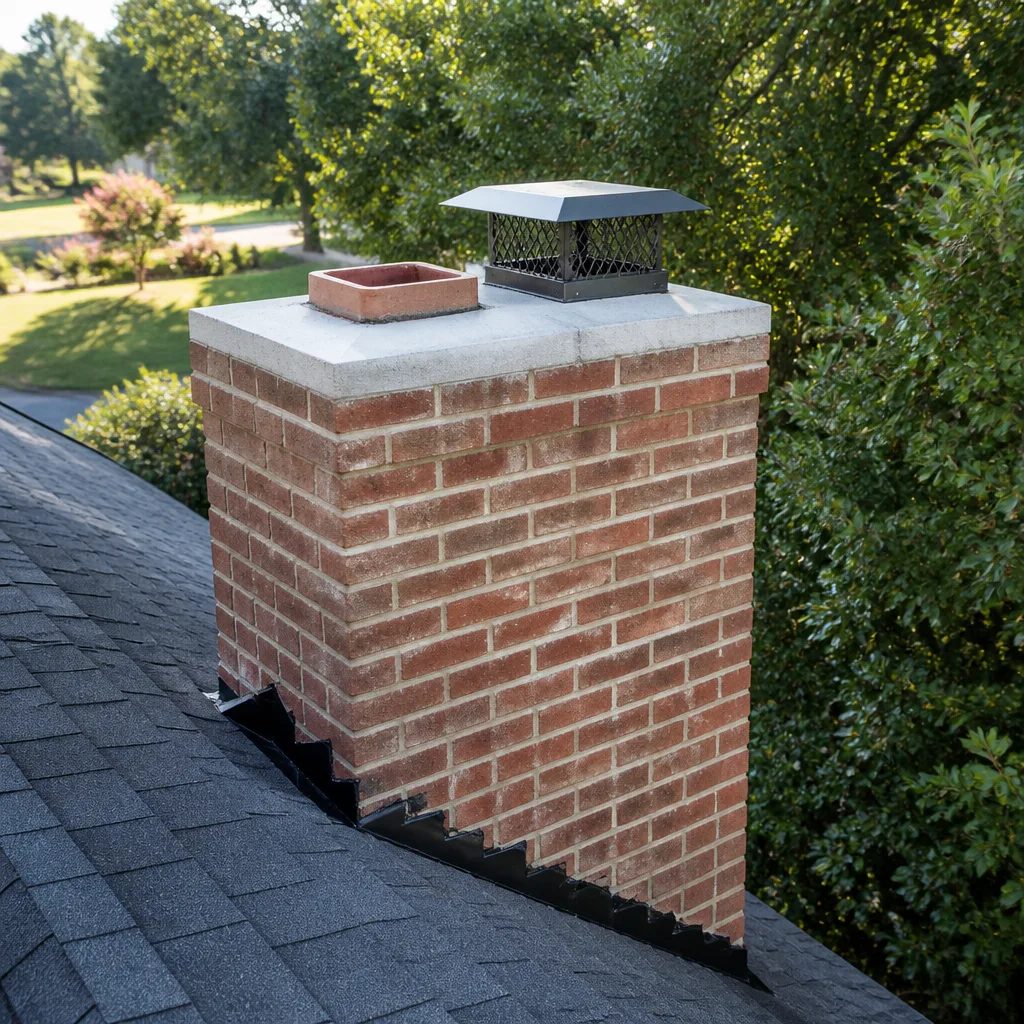 Sweep & inspection
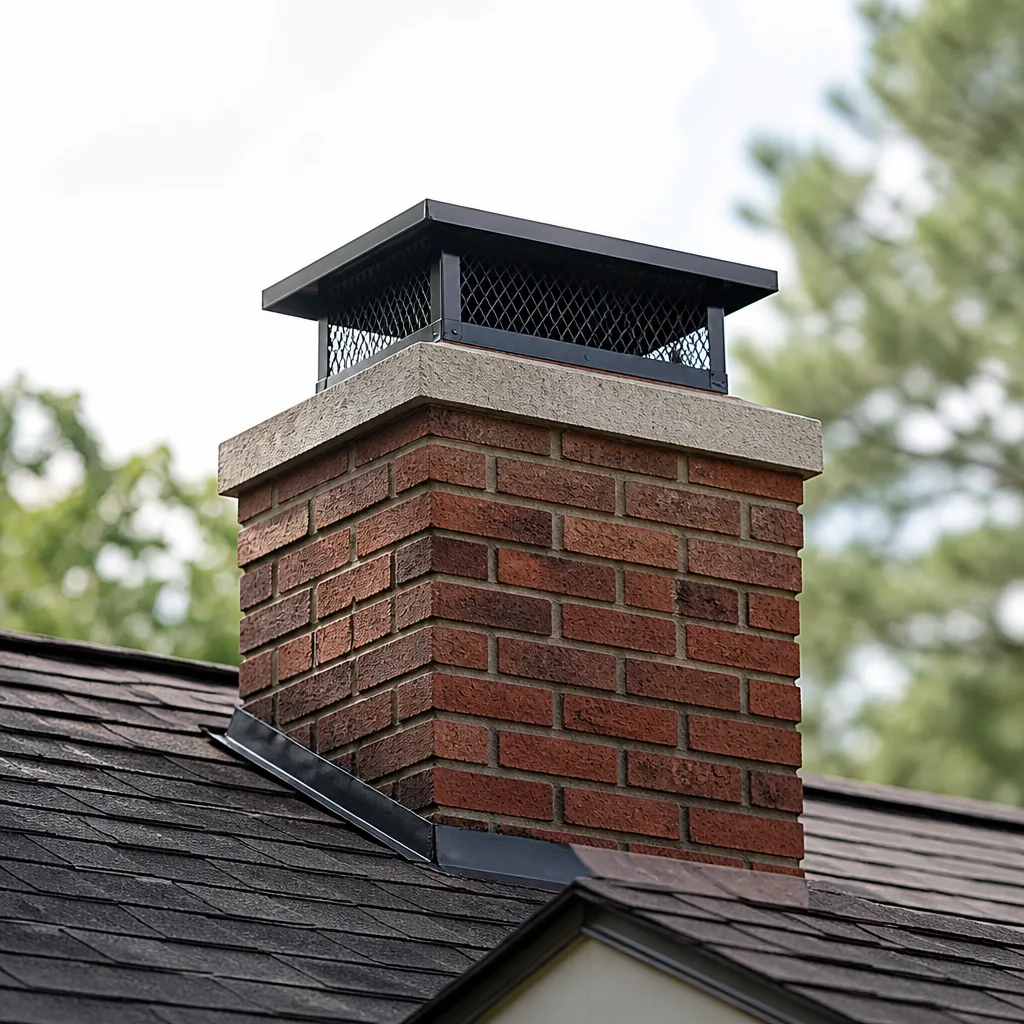 Caps & crowns
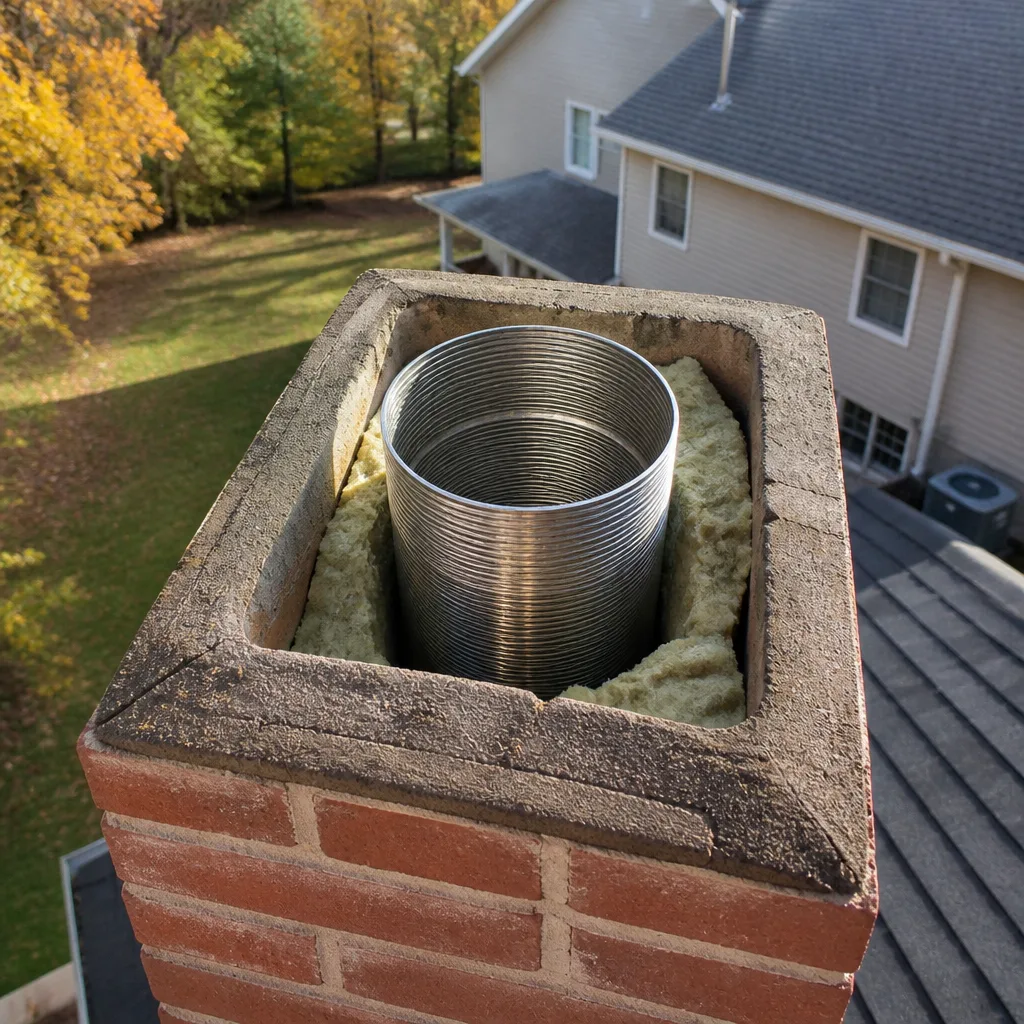 Flue relining
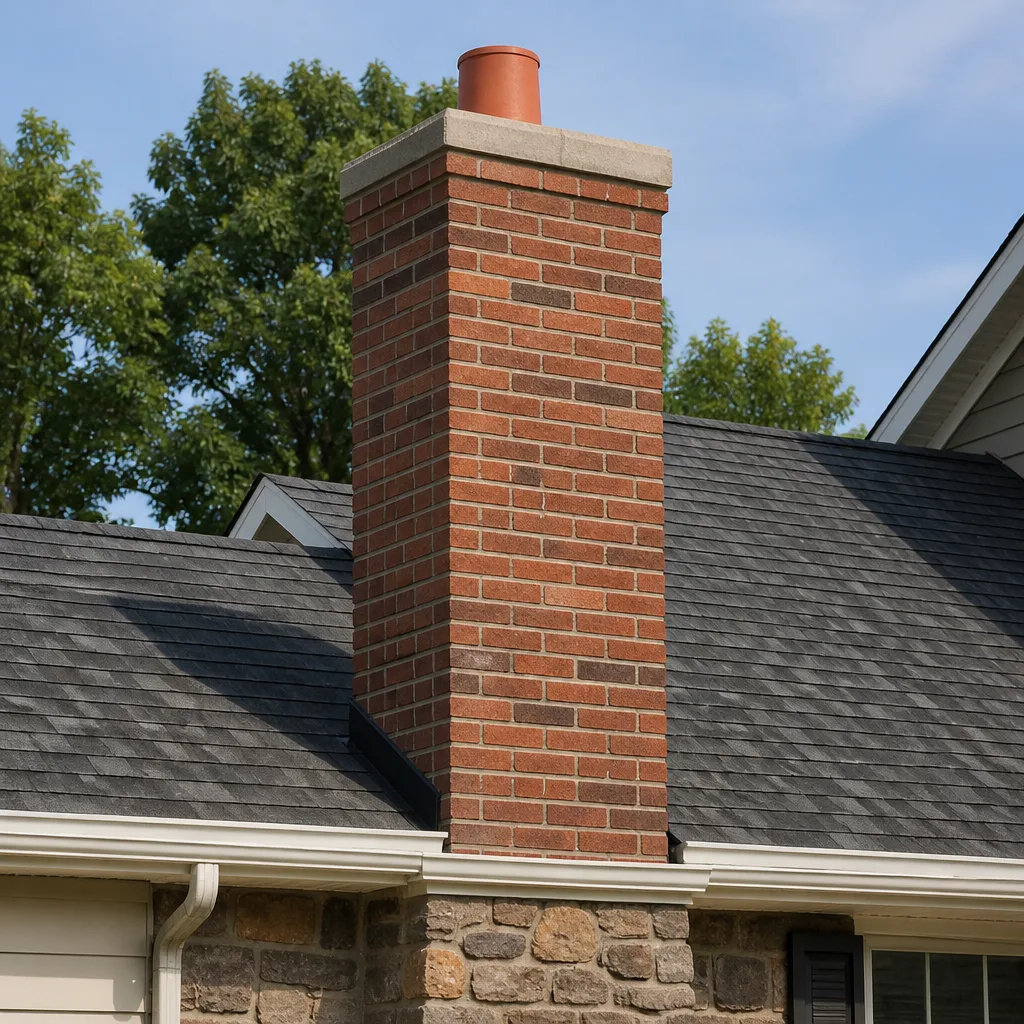 Masonry repair
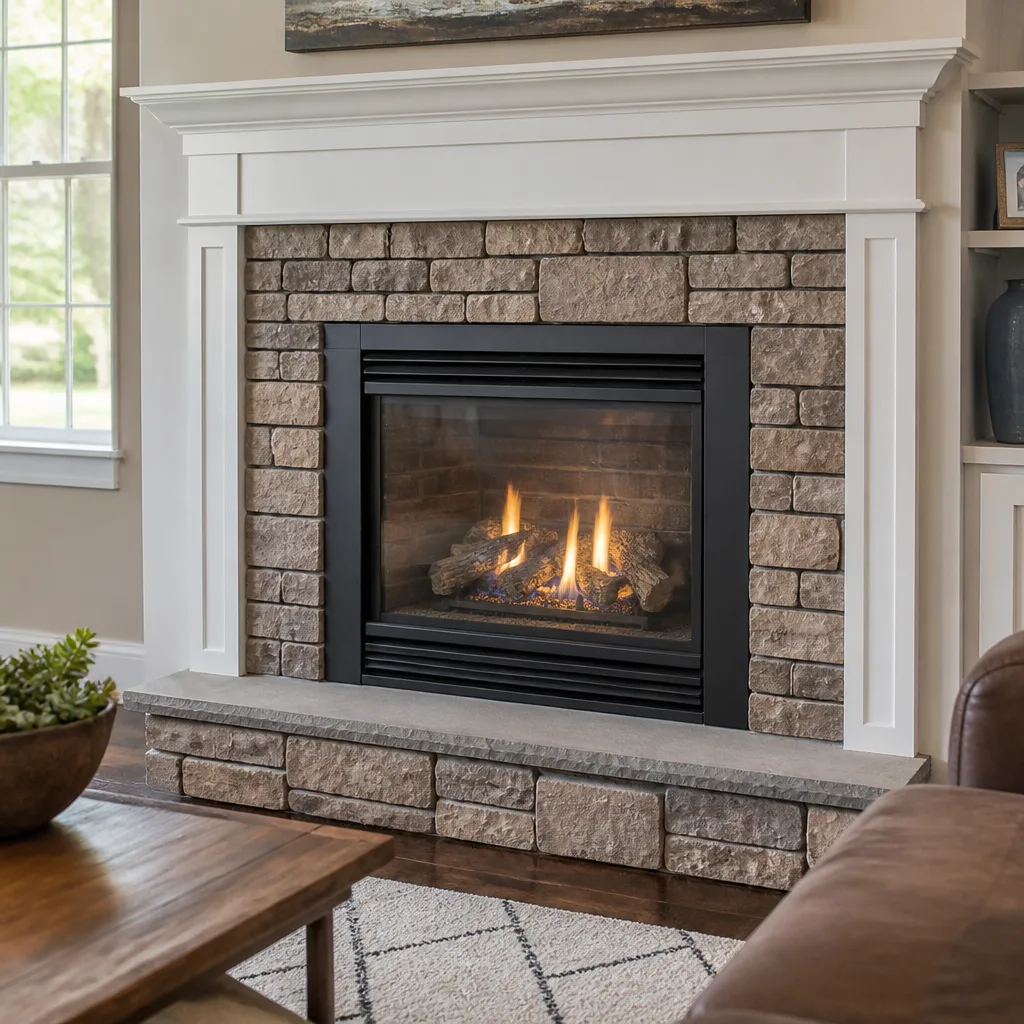 Gas fireplace service
Level 1 sweep and inspection to the NFPA 211 annual standard - flue, crown, cap, and flashing checked and photographed
Chimney sweep logs do not sweep chimneys. They loosen some creosote - which then falls where a brush and vacuum still have to collect it.
Choosing the Right Chimney Cleaning Brand: A Buyer’s Guide for Santa Maria
Most homeowners treat the brand of a chimney cap or liner as an afterthought, assuming it’s the sweep’s problem, not theirs. That assumption is the misconception this guide exists to correct. The brand installed on your chimney determines the warranty that protects you, the material performance that decides how long the part lasts, and the installation standards the manufacturer requires for the warranty to hold at all. In Santa Maria, where mild winters keep fireplaces in use through a long stretch of the year, those details add up. What follows is what brand names actually signal, how to interrogate a contractor’s sourcing, and when cleaning chemistry matters as much as the sweeping.
Quick Answer
Choosing a chimney cleaning brand in Santa Maria means choosing the products installed on your chimney – caps, liners, and creosote-removal compounds – and those products differ in material grade, warranty terms, and correct-fit application. A chimney-only specialist who installs recognized professional-grade brands such as Gelco or Olympia Chimney is a materially different operator than a generalist sourcing whatever is cheapest. Verify the brand, verify it matches your chimney type, and verify the installer follows the manufacturer’s standards.
Styles & brands we work with
- Sweep & inspection
- Caps & crowns
- Flue relining
- Masonry repair
- Gas fireplace service
Table of Contents
- Why the brand on your chimney matters more than the price tag
- Professional-grade brands vs. hardware-store alternatives
- What Santa Maria’s climate means for material choice
- Cleaning compound brands and stage 2 and 3 creosote
- Installation standards and how they affect your warranty
- Matching a product to your chimney system type
- How to ask a sweep about brand sourcing
- How to verify a product recommendation
Why the Brand on Your Chimney Matters More Than the Price Tag
When a sweep hands you an estimate that lists a specific cap or liner, the brand name is not decoration. It’s a manufacturer’s promise, and it’s conditional.
A chimney cap from a professional-grade line is warranted for a defined lifespan, but only when it is installed to the manufacturer’s written specification. The same cap on the same flue, installed with the wrong fastener, the wrong clearance, or the wrong top plate, carries no warranty at all. The brand gives you recourse; the installation gives you the performance. You need both.
Material grade is the second piece. Caps, liners, and crowns are exposed to heat, moisture, and corrosive byproducts of combustion. Professional-grade brands are engineered and tested to those conditions. A hardware-store cap is built to be cheap to ship. In a place like Santa Maria, where wood-burning fireplaces and gas inserts both appear in the same neighborhoods and the burning season runs longer than most of the country, the difference between a cap that lasts years and one that rusts through matters sooner than you’d expect.
Warranty quality is the third. When a manufacturer publishes a warranty with conditions, it is telling you the product was engineered for the conditions. When a box says nothing, adjust your expectations.
In short, the brand tells you what standard the product was held to. The installer tells you whether that standard survives contact with your roof.
Professional-Grade Brands vs. Hardware-Store Alternatives
The single cheapest signal that a sweep is a specialist is whether they can name the brands they install and explain why. Here’s the breakdown between the two tiers.
What professional-grade brands include
Professional-tier brands are stocked and specified by certified chimney professionals, not box stores. They include named manufactures such as Gelco, Olympia Chimney, Famco, and Copperfield, plus HeatShield for restoration and DuraFlex for relining. Each has a defined role in the trade.
- Caps: measured to fit the flue top, with a defined mesh size and a mounting method that matches the flue material.
- Liners: tested to temperature and in manufacturer-published sizes, with an installation standard tied to the warranty.
- Restoration systems: HeatShield is a resurfacing process applied to an existing flue, not a liner drop – a repair option that extends liner life when full replacement isn’t yet warranted.
- Compounds and cleaning chemicals: formulation-specific products for stages of creosote that over-the-counter treatments can’t touch.
What hardware-store alternatives look like
These are the caps sold in a shrink-wrap bag and the cleaning powders on a shelf. The material grade is lighter, the fit is a couple of common sizes rather than a measurement, and the warranty is a sentence or two at best. They exist for a reason, and for some jobs they are adequate. But they are not the same product and nobody should tell you they are. The gap between tiers is in longevity, fit, and the manufacturer’s obligation to you if something fails. If a contractor uses hardware-store products because they source locally and cheaply, the products they install will behave accordingly.
What Santa Maria’s Climate Means for Material Choice
Santa Maria has mild winters, which is good for your chimney and slightly bad for your attention to it. Moderate weather means people keep fireplaces in use for a long stretch of the year, and the chimney sees regular cycles of use and shutdown without any obvious seasonal reset.
Here’s what that means for brand choice in Santa Maria:
- Consistent use without deep cold: Caps and top assemblies sit warm for much of the year, then cool, then warm again. A lightweight galvanized cap will rust through faster than a heavier-gauge product; the brand’s spec sheet tells you which you’re getting.
- Dry conditions and fine dust: Dust that settles on a roof and blows against a cap can clog mesh. A well-fitted cap from a professional brand has a mesh spec the installer can confirm.
- Older masonry in established neighborhoods: A number of homes across Santa Maria, and especially in the older residential blocks near downtown, carry masonry chimneys that were built decades before modern liner systems. Those flues often can’t accept a stock-size liner without a measured fit. That is where HeatShield resurfacing or a DuraFlex relining system earns its place, and where a generalist will usually refuse the job or apply the wrong product.
- Mixed fuel types: Some Santa Maria homes have wood-burning fireplaces, others have gas inserts. The brand and product that fit one are not interchangeable with the other, and the installer should ask before recommending.
None of this is dramatic. It’s just that the practical performance of a cap or liner is set by how well it’s matched to the chimney it’s on, and Santa Maria’s mild weather hides poor matches until they’ve had a few years to fail.
Cleaning Compounds and Stage 2 and 3 Creosote Removal
When a chimney is swept, the goal isn’t a clean flue for its own sake. The goal is to remove creosote, a byproduct of wood combustion that accumulates on interior surfaces in three stages:
- Stage 1: light soot and flaky residue. Standard brush sweeping removes it.
- Stage 2: a tar-like film that clings to the flue. Mechanical brushing only partly removes it; chemical treatment is often needed to loosen it first.
- Stage 3: a hard, glazed, fuel-rich layer. It’s a fire hazard, it resists brushing, and removing it requires specific chemical formulations followed by mechanical action.
This is where cleaning compound brands matter. Consumer cleaning powders and liquids sold at retail are formulated for Stage 1 and light Stage 2 at most. They do very little to Stage 3 glaze, and some are marketed as if they do. Professional chimney products designed for Stage 2 and Stage 3 creosote are chemically different: they soften and convert the deposit so that a subsequent sweep can actually remove it, and they are used as part of a defined treatment cycle rather than a one-time dusting.
What to ask about cleaning compounds:
- Which product is being used, and at which creosote stage is it rated?
- Is chemical treatment followed by a mechanical sweep, and does the job come with a camera inspection afterward?
- If a chemical is applied, are the flue, the firebox, and the staging area protected and cleaned?
Our chimney sweep visit begins with a camera inspection, and the recommendation for any compound follows what the camera shows. If a sweep recommends a chemical treatment before they’ve seen the flue, ask why.
Installation Standards and How They Affect Your Warranty
A good product in the wrong installation has no warranty. This is the part most homeowners miss because it isn’t printed on the box. Every professional-grade brand ships an installation standard, and compliance with that standard is a condition of the warranty. Violate it and the manufacturer can decline the claim, even when the product itself was fine.
What compliant installation looks like for a cap or liner:
- Measurement: the flue is measured, not eyeballed. Cap fit is defined, not estimated.
- Matching to the chimney type: factory-built, masonry, wood-burning, and gas all have different fit and clearance requirements.
- Fasteners and mounting: appropriate to the flue material, applied per the manufacturer’s spec.
- Sealing: the top plate, crown, and adjacent flashing are sealed to prevent water entry.
- Documentation: the brand, product line, and installation details are recorded and given to the homeowner.
A sweep who can’t produce any of that isn’t a brand problem; it’s a standards problem. The brand is doing its job if the installer does theirs.
In our experience, homeowners ask about the product and forget the paperwork. Ask for the brand, ask for the installation details in writing, and ask who honors the warranty if something fails. Our chimney repair estimates list the brand and product line for exactly this reason.
Matching a Product to Your Chimney System Type
A professional brand can still be the wrong product if it’s matched to the wrong chimney. There are four categories in a typical Santa Maria home, and each makes different demands on cap, liner, and compound choice.
Factory-built wood-burning
These are engineered assemblies with manufacturer-listed parts. The liner and cap must be the listed product for that chimney, or a liner rated for it. Substitute parts void the listing.
Masonry wood-burning
Usually the oldest systems in Santa Maria. The flue size and shape vary, and a stock liner often won’t seat correctly. A measured product from Gelco or Olympia Chimney, or HeatShield resurfacing when the existing flue is sound, is the right call. DuraFlex systems come in when a full reline is the answer.
Gas inserts and appliances
Gas flues run cooler and wetter, and the venting is a matched system. The wrong cap or liner on a gas appliance can fail in ways a fire hazard precedent won’t warn you about. Ask for the product that’s rated for gas.
Hybrid or converted fireplaces
Wood fireplace with a gas log set, or the reverse. These are the systems that get the wrong product most often because the original venting was never designed for the current fuel. Confirm what you actually have before recommending anything.
None of this is guesswork, and it’s one of the reasons we keep the trade narrow. Every technician on a job here is a chimney specialist, not a roofer or HVAC tech filling a schedule gap, so the question of what fits your chimney gets answered by someone who works on them daily. Our team has up to 15 years of experience with caps, liners, and the products in between.
How to Ask a Sweep About Brand Sourcing
The right questions are direct, specific, and slightly uncomfortable for a generalist. Ask them anyway.
- “Which brands do you install for caps and liners, and why?” A specialist gives you names and reasons – the professional lines, why they picked them, and where they don’t fit.
- “Do you install HeatShield, and under what conditions do you recommend it over a reline?” If the answer is no or a shrug, the sweep either can’t offer restoration as an option or doesn’t have the capability. Both are useful to know.
- “Can you show me the installation standard for the product you’re recommending?” If they can, the warranty is real. If they can’t, it’s marketing.
- “What does your camera inspection show, and can I see it?” Any recommendation should follow the evidence.
- “Which cleaning compound are you using, and is it rated for stage 2 and 3?”
The signals of a specialist are straightforward: a named brand, a specific product line, a fit rationale tied to what they saw in the flue, and a written record with the manufacturer’s terms attached. The signals of a generalist are a generic “good quality” answer, a brand name you have to leave the room to Google, and a written estimate with no product detail. When a sweep has none of the above, that is your answer anyway.
Our practice is to inspect first, recommend honestly, and put the brand and product line on the estimate. If the camera shows the work can wait, that’s what the estimate says. The right repair, not the easiest upsell.
How to Verify a Product Recommendation
You don’t need to be in the trade to confirm a recommendation is sound. You need three checks.
Check one: the fit
Confirm that the recommended product is specified for your chimney type – factory-built, masonry, gas, or wood. The installer should be able to name the system you have without hesitation.
Check two: the material grade
Ask what gauge, thickness, or grade the product uses, and why that grade for your roof. A firm answer with a number is a good sign. “It’s a good one” is not.
Check three: the warranty terms
Ask for the manufacturer’s written warranty, the installation standard the warranty requires, and the name of the brand on the estimate. All three should match. If one is missing, ask again before booking.
These three checks are the difference between buying a product and buying a promise with supporting documentation. From Chimney Sweep Santa Maria, that’s the level of detail we work to on every job, and it’s what you should expect from any sweep in Santa Maria recommending a professional-grade brand.
Common Mistakes to Avoid
- Choosing a contractor by price alone. A cheap cap and a quick install are cheap because they were sourced and applied cheaply. If the brand isn’t stated, the price is telling you something.
- Accepting a brand name without a product line. “We use Gelco” means little if the model and fit aren’t matched to your flue. Ask for the specific product and its rating.
- Skipping the camera inspection before a recommendation. In Santa Maria’s older neighborhoods, the flue condition often changes what’s appropriate. Nothing should be recommended without evidence.
- Assuming all caps fit all chimneys. Factory-built and masonry chimneys take different mountings. So do gas and wood flues.
- Using consumer cleaning products on stage 3 creosote. Retail powders are formulated for stage 1 and light stage 2. Glazed creosote needs a professional compound and a sweep that follows it.
- Throwing away the installation details. Without the brand, product line, and installation record, the warranty is not something you can use.
- Hiring a sweep whose brand knowledge ends at the truck. If your contractor can’t tell you why they chose the product for your chimney, they didn’t choose it for your chimney.
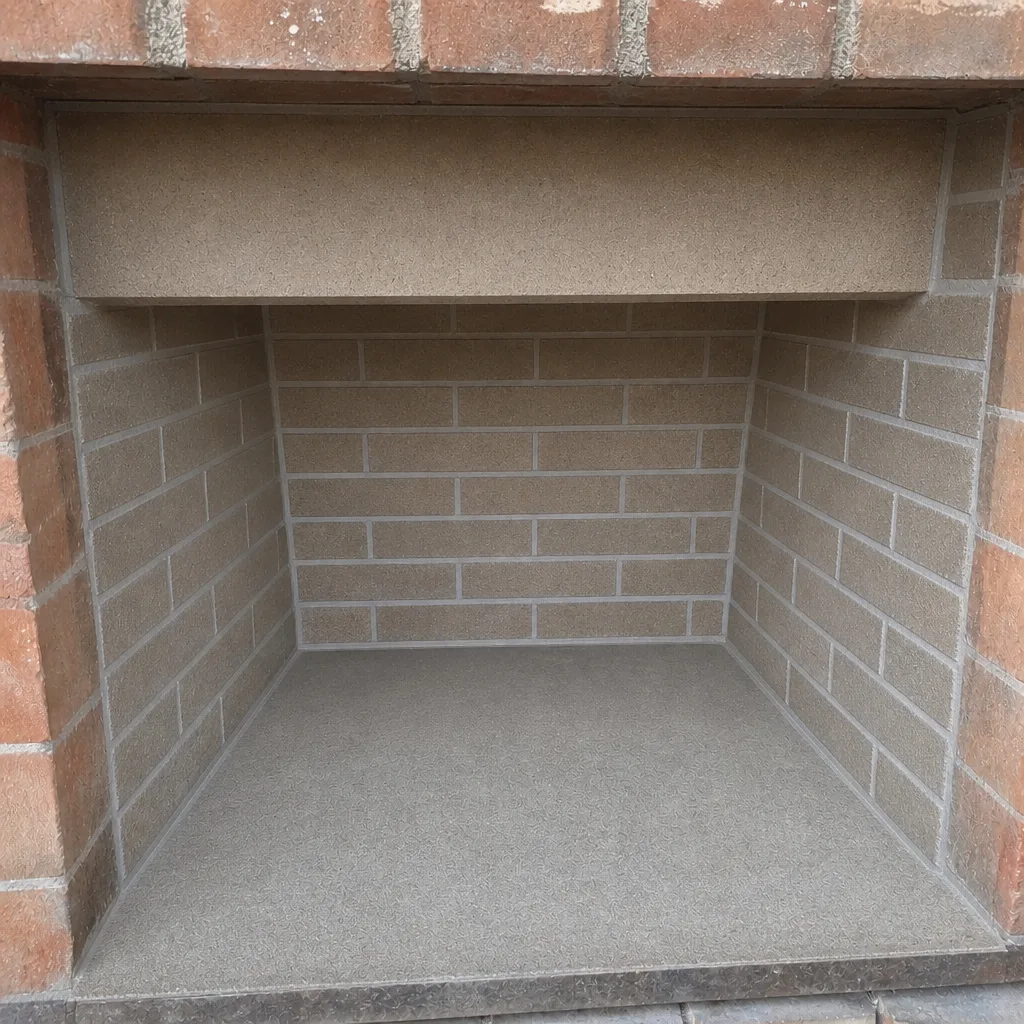
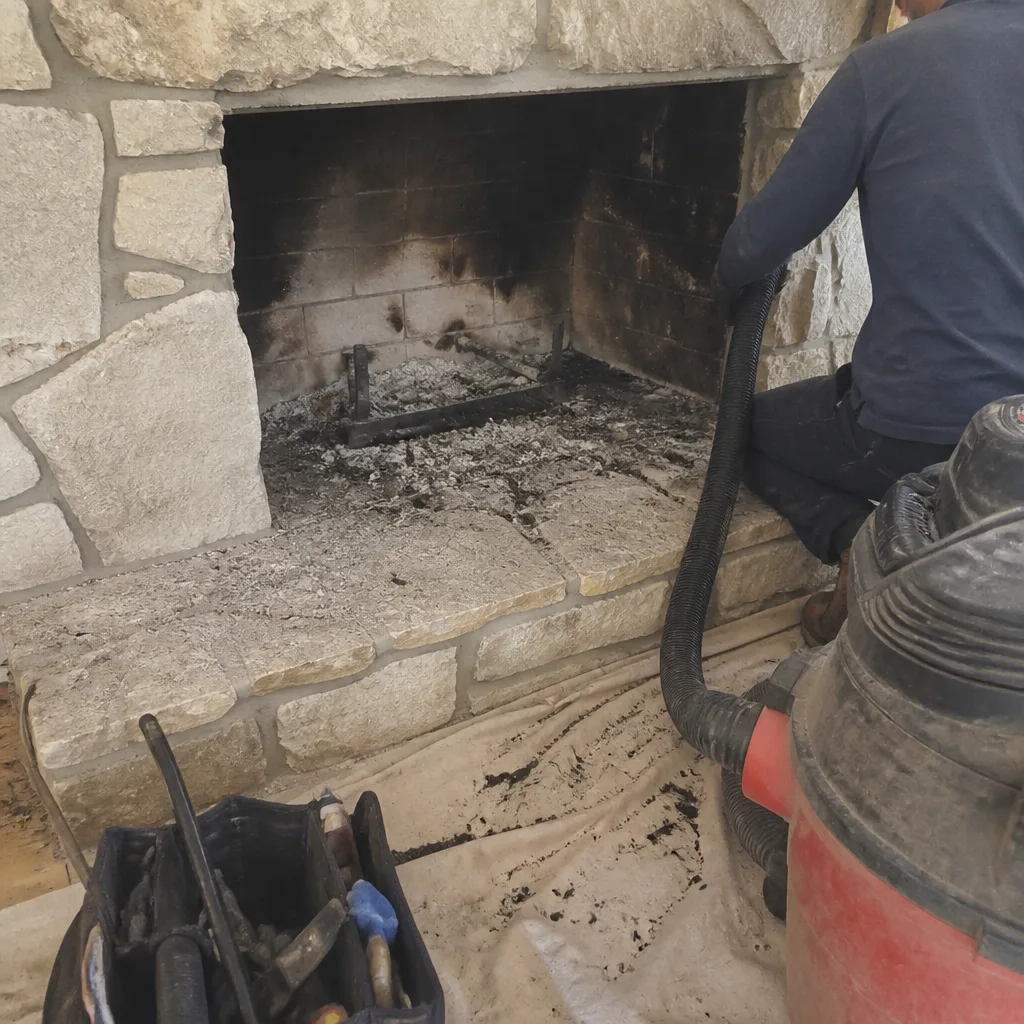
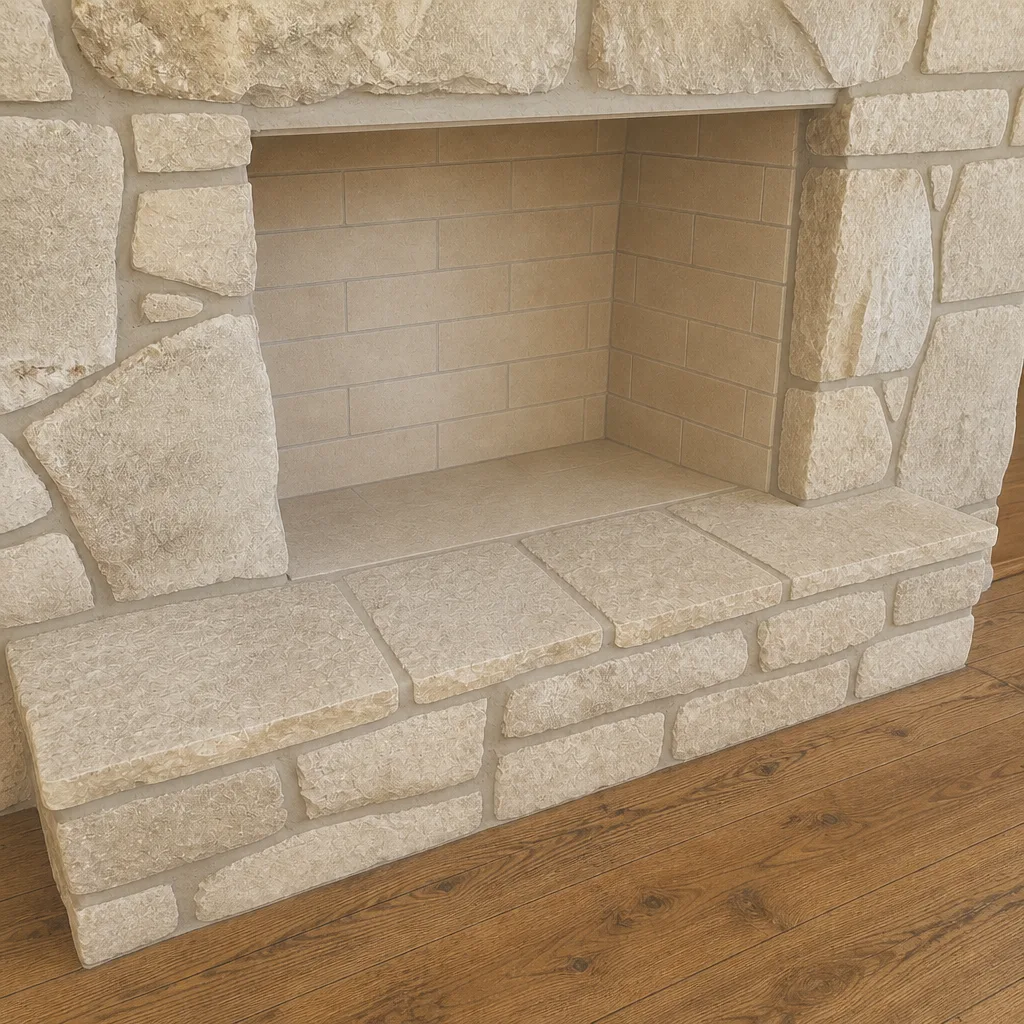
See the difference
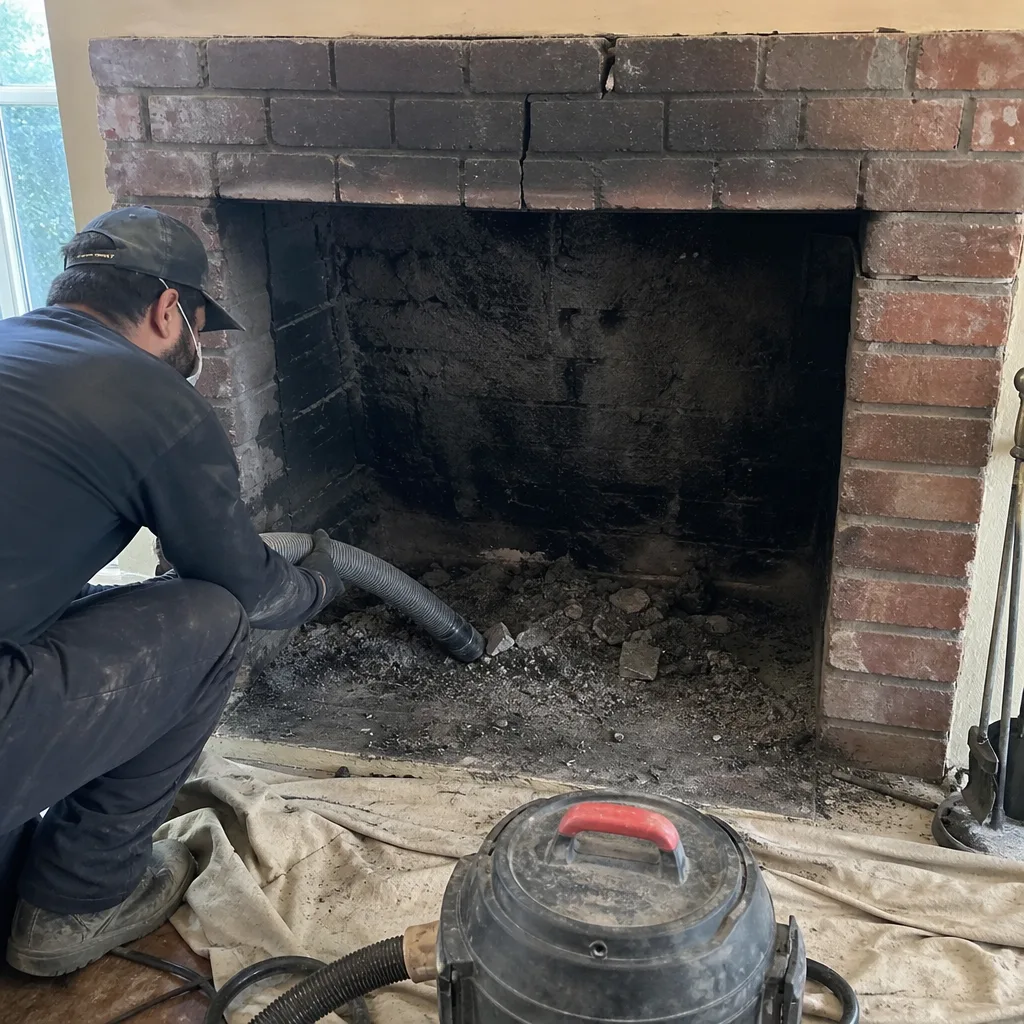 Before
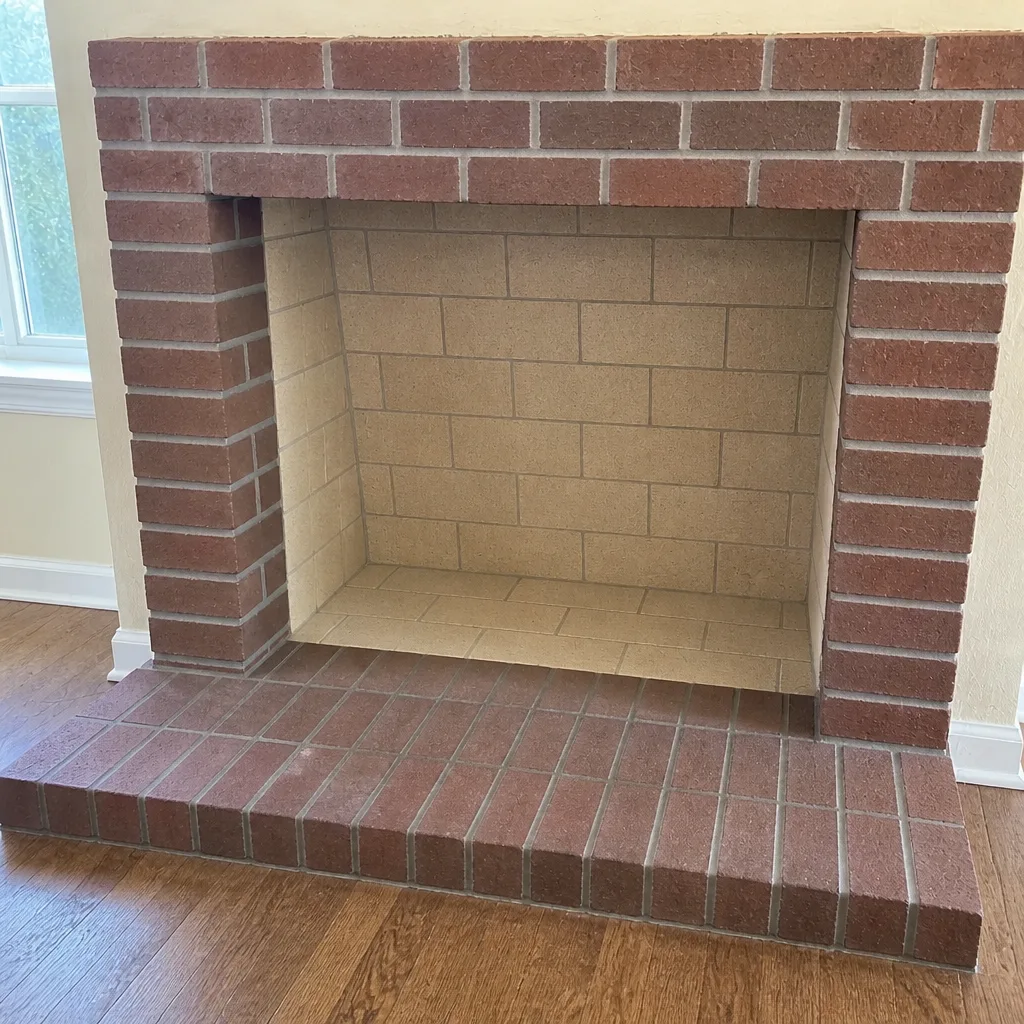 After
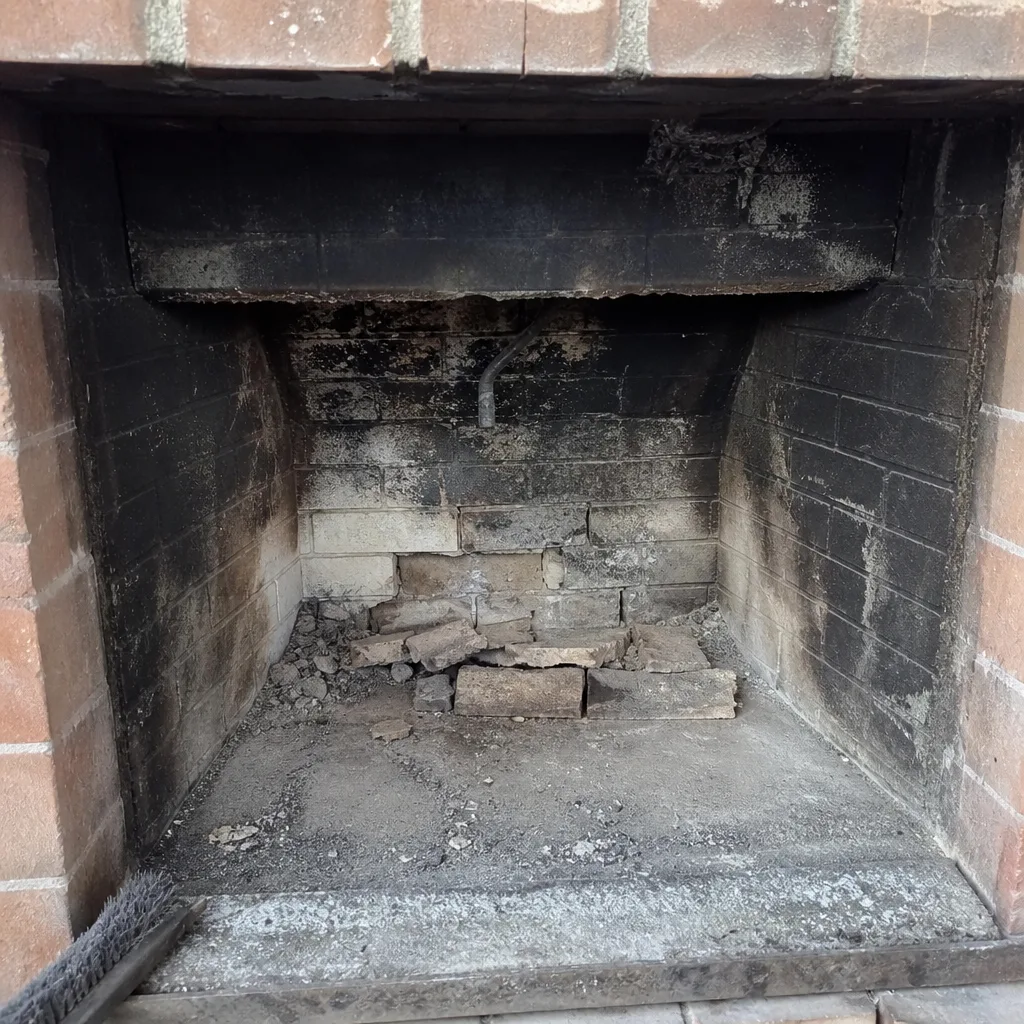 Before
 After
 Before
 After
When to Call a Professional
Call a chimney specialist when you’re selecting a cap or liner, when your flue has a glazed deposit you can see, when an existing product has failed before its expected life, or when you don’t know what system you have. Call when a recommendation comes with a brand name you can’t verify. Also call when a sweep has offered a full reline without showing you the camera evidence – you should see why before you agree.
The danger is real but steady. Creosote buildup in the flue ignites and burns hot, and a chimney fire can spread beyond the flue. Carbon monoxide from a compromised venting system is colorless and has no smell. Neither is a reason to panic; both are a reason to inspect before you light up for the season. We answer 24/7, and fast dispatch is available from 7am to 7pm, Sunday through Friday. Chimney Sweep Santa Maria offers free estimates in Santa Maria – call (866) 389-4535.
Frequently Asked Questions
Yes – the brand determines the material grade, the warranty, and the installation standard the manufacturer requires. A professional-grade product installed to spec gives you recourse if it fails; a hardware-store product usually doesn’t. Call (866) 389-4535 for an exact quote – estimates are free.
Chimney sweep pricing in Santa Maria is set per job by the written estimate, and we don’t quote a number before we’ve inspected the flue. What’s included is the sweep, a camera inspection, and a written report. Call (866) 389-4535 for an exact quote – estimates are free.
A specialist should be able to name professional chimney-industry brands – Gelco, Olympia Chimney, Famco, and Copperfield for hardware, HeatShield for resurfacing, and DuraFlex for relining – and explain the fit rationale for each product they recommend. Call (866) 389-4535 for an exact quote – estimates are free.
HeatShield is a chimney restoration system, not a liner. It resurfaces the inside of an existing flue to extend liner life when full replacement isn’t warranted. When it’s appropriate, it can save the cost of a reline; when it isn’t, DuraFlex liners are the answer. Call (866) 389-4535 for an exact quote – estimates are free.
If your flue has stage 2 or stage 3 creosote, yes. Retail powders are formulated for light deposits and do very little to glazed creosote. A professional compound softens the deposit so a follow-up sweep can remove it. Call (866) 389-4535 for an exact quote – estimates are free.
Annually, and especially before the burning season begins. Santa Maria’s mild winters keep fireplaces in use much of the year, so creosote accumulates steadily. An annual inspection is the practical way to catch a worn cap, a cracked crown, or a liner problem before it becomes a repair. Call (866) 389-4535 for an exact quote – estimates are free.
The Bottom Line
The brand on your chimney is the one part of the job you can check after the fact. A professional-grade cap, liner, or restoration system from names like Gelco, Olympia Chimney, Famco, or Copperfield is a promise that the material, the fit, and the warranty were engineered together. That promise only holds when the installer follows the manufacturer’s standard, which is why the questions in this guide are worth asking. In Santa Maria, where older masonry and mixed fuel types are common, the fit matters as much as the brand. Verify both, ask for the product line in writing, and never accept a recommendation without camera evidence you can see. That’s the difference between a product and a specialism.
Have a brand question or a cap or liner that’s due for review? Call (866) 389-4535 for a free estimate. We answer 24/7. Fast dispatch from 7am to 7pm, Sunday through Friday.
Written by the team at Chimney Sweep Santa Maria.