
Last updated November 15, 2026
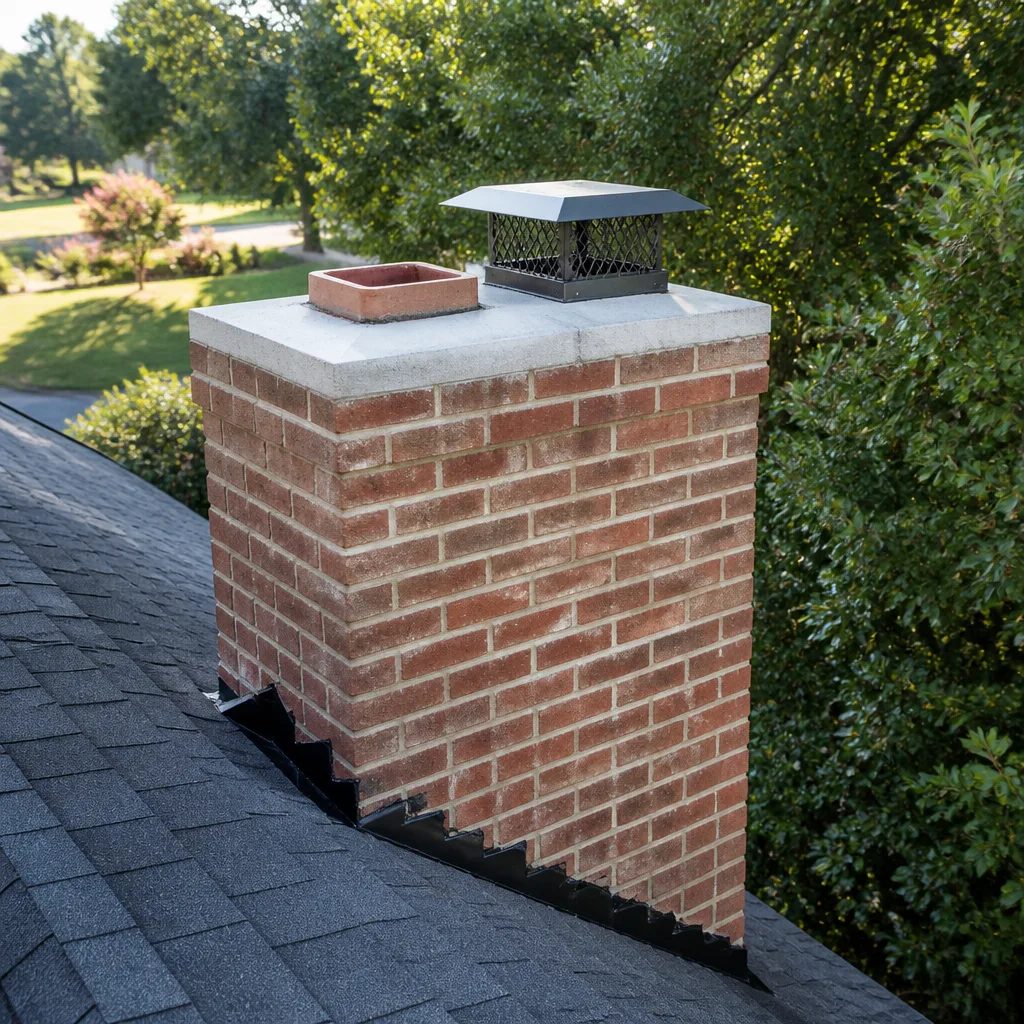 Sweep & inspection
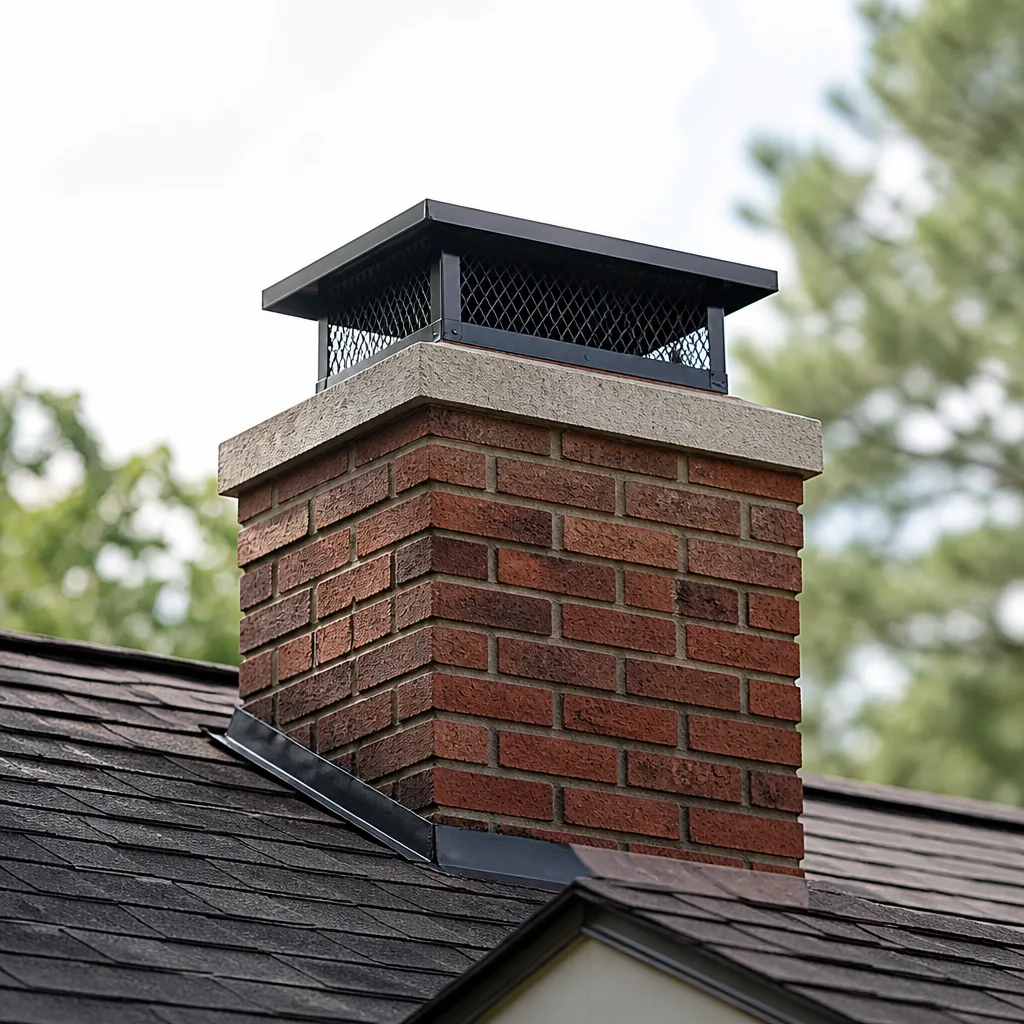 Caps & crowns
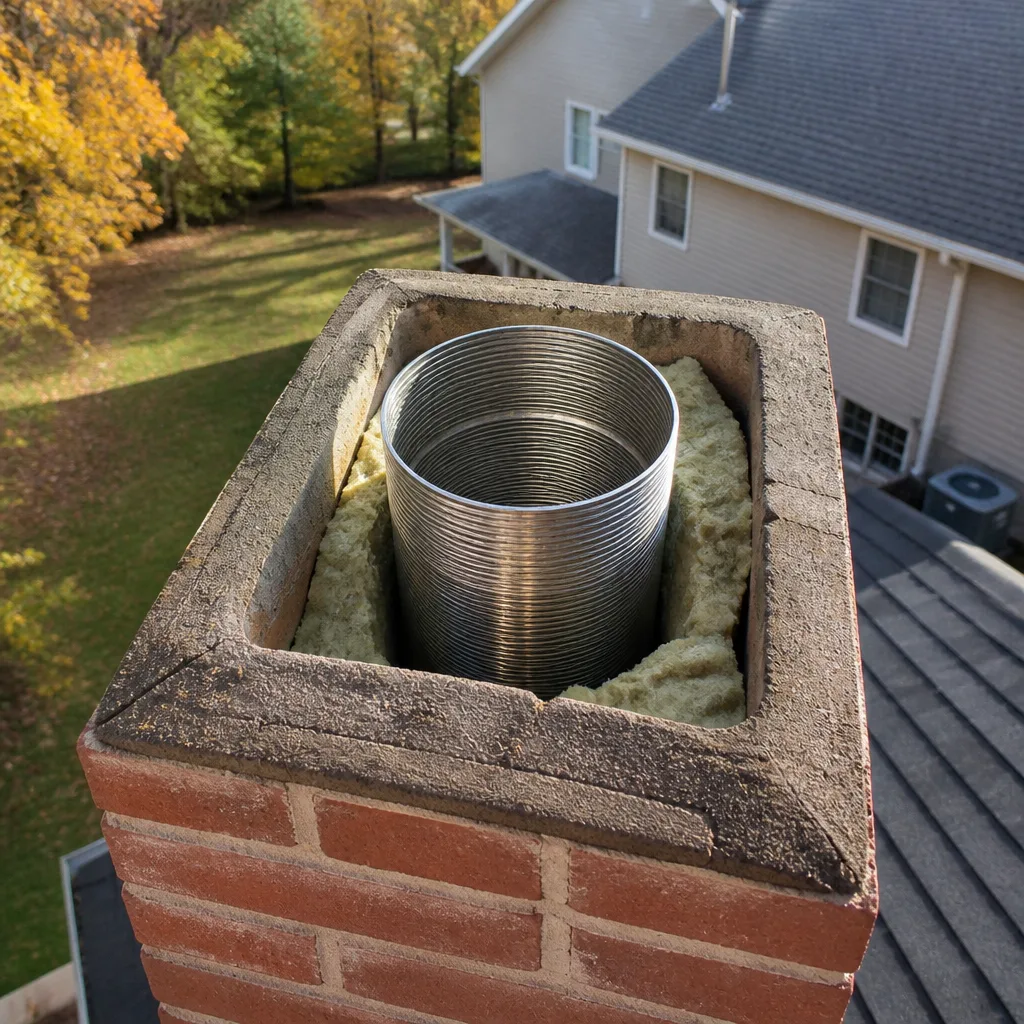 Flue relining
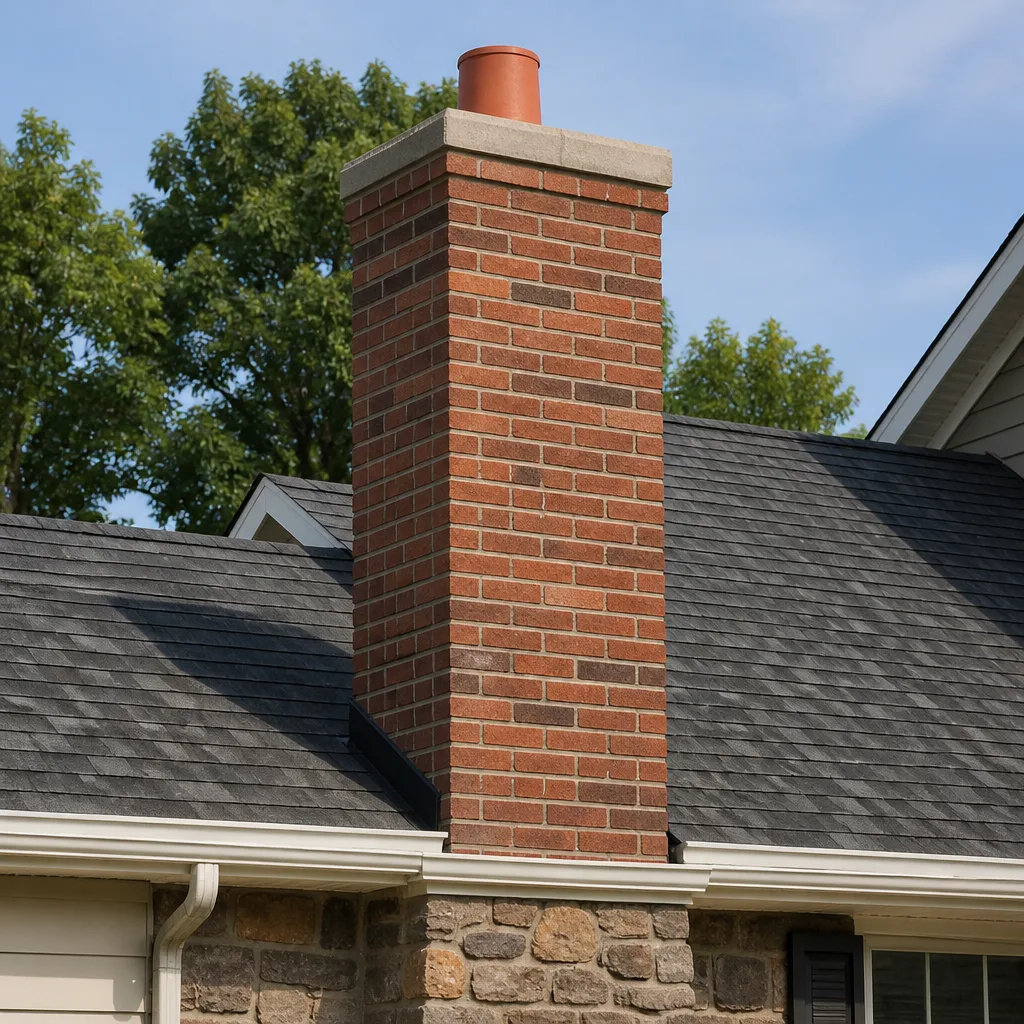 Masonry repair
 Gas fireplace service
Level 1 sweep and inspection to the NFPA 211 annual standard - flue, crown, cap, and flashing checked and photographed
Chimney sweep logs do not sweep chimneys. They loosen some creosote - which then falls where a brush and vacuum still have to collect it.
Chimney Cleaning Emergency Preparedness Guide for Santa Maria Homes
During a Red Flag Warning, the last thing you want is to realize your chimney hasn’t been serviced since 2021. Most Santa Maria homeowners picture a chimney emergency as flames roaring up the flue. In our experience, the more common crisis is quieter: a blocked flue, a damper that won’t open, or a cap packed with debris, discovered on the one evening you actually need the fireplace and the wind outside is pushing embers across the valley. Emergency preparedness here isn’t about keeping a fire extinguisher within reach. It’s about removing the conditions that turn a small problem into a real one before the season opens. This guide covers what a chimney fire actually looks and sounds like, the July – September service window that matters most in Santa Maria, how compromised caps let wildfire embers in, and the one-page reference every household should keep on the fridge.
Quick Answer
Chimney emergency preparedness in Santa Maria means servicing your chimney before the wildfire season window (July through September), not after a problem appears. A professional inspection and sweep during that window confirms the flue is clear, the damper works, and the cap and screen are intact, which are the three failures most likely to create an emergency when you need the fireplace. Keep a one-page reference with your last service date, your sweep’s contact, your gas shutoff location, and your damper type so any household member can act fast.
Styles & brands we work with
- Sweep & inspection
- Caps & crowns
- Flue relining
- Masonry repair
- Gas fireplace service
Table of Contents
- What a Chimney Fire Actually Looks and Sounds Like
- The First Three Minutes of a Chimney Fire
- The Pre-Wildfire-Season Service Window in Santa Maria
- How Blocked and Damaged Chimneys Interact With Wildfire Embers
- What to Tell Your Insurance Company After an Incident
- Building Your One-Page Chimney Emergency Reference
- Year-Round Habits That Prevent Emergencies
What a Chimney Fire Actually Looks and Sounds Like
A chimney fire isn’t always the dramatic, roaring event people imagine. Many are slow and smoldering, burning inside the flue for twenty minutes or more before anyone notices. In our experience, the signs are easy to miss if you don’t know what you’re looking for, and that’s exactly why the checklist matters.
Here’s what a chimney fire typically looks and sounds like from inside the house:
- Sound: A low rumble, a crackling that sounds like a distant freight train, or a series of pops coming from the chimney itself, not the firebox.
- Smell: A sharp, hot, almost chemical odor, different from the smell of a normal wood fire. Some homeowners describe it as burning plastic or hot metal.
- Visual inside: Puffy smoke or visible flame at the top of the firebox, or a sudden jump in the fire’s intensity that doesn’t match what you added.
- Visual outside: Sparks or flames from the chimney top, or thick dark smoke that keeps coming after the fire in the firebox has died down.
- Temperature: The chimney pipe or the wall around it gets noticeably hot to the touch when it shouldn’t.
- Draft changes: The fire suddenly pulls harder, or smoke starts backing into the room instead of going up.
The variable that matters most is what’s inside the flue. Creosote builds up as a normal byproduct of burning wood, and a thick enough layer can ignite. A chimney that was last swept before 2021 has had several seasons of buildup, and that’s the fuel a fire needs. If your Santa Maria home has a masonry chimney, the surrounding brick and mortar can crack from the heat even if the fire stays inside the flue, which is why a professional inspection after any suspected fire is essential. You can read more about how we approach that inspection on our chimney sweep page.
The First Three Minutes of a Chimney Fire
In the first three minutes of a chimney fire, the priority is getting everyone out safely and calling for help. Everything else is secondary. What you do in that window is not a substitute for professional help, and it doesn’t require heroics.
Here’s the sequence we recommend every household in Santa Maria rehearse once a year, so it becomes automatic:
- Get everyone out. Move people and pets away from the fireplace and outside to a safe spot. Don’t stop to gather belongings.
- Call 911. A chimney fire can spread into the structure or the roof, and only the fire department can confirm it’s out. Don’t assume a small fire is fully contained.
- Close the firebox doors or glass doors if you have them. This limits the air feeding the fire. Don’t open the damper or add anything to the firebox.
- Don’t throw water on it. Water on a hot flue or masonry chimney can cause cracking or a steam burst. Leave suppression to the fire department.
- Once the fire department clears the scene, don’t use the fireplace again. A chimney that has had a fire needs a professional inspection before it’s safe to burn again. That inspection is the difference between a contained incident and a repeat.
This is the one part of this guide we want to be blunt about: a chimney fire is a fire, and smoke inhalation and structural spread are real risks. A trained professional should assess any chimney after a suspected fire before you light it again. We inspect first, so the recommendation is grounded in what we can see, not what we assume. The same restraint applies if you’re ever unsure whether what you heard was a fire or a draft gust. Call it in, and let the fire department make the call.
The Pre-Wildfire-Season Service Window in Santa Maria
In Santa Maria, the highest-stakes cleaning appointment of the year is the one you book between July and September. Not because the chimney gets dirtier in summer, but because that’s the window before wildfire season opens in the valley and before the first cool nights have everyone reaching for the fireplace at once. A blocked flue in July is a summer nuisance. A blocked flue in October, on the first cold evening of the year, is a scramble.
Why the timing matters here specifically:
- Wildfire season in the Santa Maria valley runs through the dry, windy months. The same winds that drive Red Flag Warnings push embers across the area, and a compromised chimney is one more place those embers can get in.
- The overnight temperature swing between the valley and the nearby hills means the first genuinely cold nights often arrive fast, and demand for sweeps spikes right around then.
- Mild winters here mean some homeowners burn less and skip a year, only to find in a wind event that the flue is blocked or the damper failed.
- Older masonry homes in neighborhoods like the ones off East Main Street and around the historic core often have chimneys that haven’t been looked at in years, and summer is the best time to fix that.
Book the appointment for a sweep during that July – September window. Our chimney repair team handles repairs on the same schedule, so if the inspection turns up a cracked crown, a loose cap, or a damper that’s seized, it’s addressed before the season opens rather than after. We inspect first and recommend honestly. If your chimney is fine, we tell you, and you can skip the repair. The pre-season window is the highest-leverage appointment you can make all year, and it’s the one most homeowners in Santa Maria put off until it’s too late.
How Blocked and Damaged Chimneys Interact With Wildfire Embers
A wildfire ember doesn’t need an open flame to ignite a home. It needs an opening. On a chimney, the openings are the cap, the screen, and any crack or gap in the flue tile or masonry. A cap with a missing corner or a screen with a hole is an ember-sized door.
In our experience, the three failure points that turn a chimney into an ember intake are:
- A damaged cap. The cap keeps rain and debris out of the flue, and it also keeps embers from being drawn in through the top of the chimney. A cracked or missing cap leaves the flue open to the sky.
- A torn or missing screen. The screen around the cap lets smoke out and keeps embers and animals out. When it rusts through or gets bent, the barrier is gone.
- An open flue with debris inside. A blocked flue can pull embers into the debris, which is exactly the fuel you don’t want present during a wind event. The blocked flue is the risk even when the fire isn’t lit.
There’s a second, subtler interaction that matters in Santa Maria. During a Red Flag Warning, a lot of households close windows and cut the air conditioning, then light a fire in the evening when it cools off. If the flue is blocked, the smoke and carbon monoxide have nowhere to go but back into the room. That’s why we treat a pre-season inspection as an air quality issue as much as a fire issue. A clear flue and an intact cap are what keep the two problems separate.
Our team uses professional-grade caps and screens from brands like Olympia Chimney and Gelco, the kind of components specified by certified chimney professionals rather than a generic hardware-store cap. When a cap is missing or damaged, replacing it is usually the simplest fix and often the most important one for ember resistance. On the repair side, we also install DuraFlex liner systems and use HeatShield resurfacing when the flue needs restoration rather than a full reline, so the fix matches what the chimney actually needs. The right repair, not the easiest upsell.
What to Tell Your Insurance Company After an Incident
After any chimney incident, call your insurance company as soon as the scene is safe, and before you have any repair work done. Most homeowners’ policies respond to a chimney fire or a smoke backup, but the claims process depends on documentation that’s easiest to assemble right after the event.
Here’s what to tell your insurance company, in this order:
- What happened and when. Describe the incident plainly: a fire in the flue, smoke backup into the room, visible damage to the cap or crown.
- Whether the fire department responded. A fire department report is strong evidence and it’s worth referencing in the claim.
- The date of your last professional inspection and sweep. This is where a sweep’s written record matters most. If you had the chimney serviced during the July – September window, you have a dated document showing the condition before the incident.
- Photos and video taken before any cleanup. Take them from a safe distance. Don’t move ash, debris, or damaged parts before you’ve captured them.
- Your sweep’s written assessment. A professional chimney inspection report describes what was found and what the repair involves, and it’s the document an adjuster will ask for.
Here’s what a chimney sweep should provide after any incident. Ask any sweep you hire for these, and if you’re working with us, this is what you can expect:
- A written inspection report describing the condition of the flue, cap, damper, and masonry.
- Photos of the interior of the flue and any damage, taken before and after cleaning.
- The date of the service and a record of what was done.
- An itemized repair estimate if repair is needed, so you have a number to give the adjuster.
A sweep’s record is the single most useful piece of documentation in a chimney claim, and a homeowner who can produce it moves through the process far faster than one who can’t. Keep every inspection report, even from a season when nothing needed fixing. That’s the paper trail that matters.
Building Your One-Page Chimney Emergency Reference
A one-page chimney emergency reference is the most useful document a Santa Maria household can keep, and almost nobody has one. It’s a single sheet, kept where every adult in the house can find it without asking, that answers the five questions anyone would ask at 9pm when something’s wrong with the chimney.
Here’s what to put on it:
- Last service date and sweep contact. The date of your last inspection or sweep, and the phone number for your sweep. Chimney Sweep Santa Maria answers at (866) 389-4535. We answer 24/7, and fast dispatch runs 7am to 7pm, Sunday through Friday.
- Gas shutoff location. If your home has a gas insert or a gas appliance near the fireplace, mark where the gas shutoff is. Don’t guess. Walk the house and photograph it, then write it down.
- Damper type and how it operates. Is it a throat damper, a top-mount damper, or a lock-top? Does it pull, push, or turn? A one-line description and a small photo is enough.
- Cap and screen condition note. Jot the last date the cap and screen were checked and by whom. If you can see the cap from the yard, a quick monthly glance is worth doing.
- Household plan. Who calls 911, who gathers pets, and where the household meets outside. Keep this to one line so it’s easy to read under stress.
Laminate the sheet or put it in a plastic sleeve and tape it inside a kitchen cabinet door. Make sure every adult in the household knows it exists. Update it every time you have the chimney serviced, and update the service date even when the answer is “nothing needed doing.” A dated reference is how a Santa Maria household turns a panic into a routine. For more on how we serve the area, see our Santa Maria page.
Year-Round Habits That Prevent Emergencies
Most chimney emergencies we’ve seen didn’t start as emergencies. They started as small things that went unnoticed for a season or two. The habits below are simple, and they’re what keep a chimney ready year-round in Santa Maria.
- Burn seasoned, dry wood. Wet or green wood produces more creosote, and more creosote is more fuel for a fire. If the wood hisses or feels heavy, it’s not ready to burn.
- Don’t burn paper, cardboard, or trash. These burn hot and fast and can send flaming debris up the flue, which is the opposite of what you want during a Red Flag Warning.
- Check the cap and screen from the ground each month. Look for missing pieces, rust, or visible holes. A monthly glance from the yard catches most cap failures early.
- Keep the area around the hearth clear. The three feet in front of the fireplace is not storage space. Keep furniture, rugs, and curtains back.
- Book the sweep in the July – September window. It’s the appointment that keeps the chimney ready before the season opens, and it’s the one most homeowners skip.
- Watch the draft. If smoke backs into the room when you light the first fire of the season, stop and call a sweep before you burn again. A blocked flue is a carbon monoxide risk, not just an inconvenience.
None of these habits are dramatic. That’s the point. The homes that avoid chimney emergencies are usually the ones where someone paid attention to the small signals. Our technicians have up to 15 years of experience, and every technician on every job is a chimney specialist, not a roofer or an HVAC tech filling a schedule gap. That single-trade focus is why a fault gets spotted and corrected instead of missed.
A Note on Carbon Monoxide
A blocked flue is a carbon monoxide concern as much as a smoke concern, and carbon monoxide has no smell. That’s why we tell homeowners that a smoke backup or a draft that suddenly changes is a reason to stop using the fireplace and call a professional, not a reason to open a window and keep burning. If your home has carbon monoxide alarms, test them at the same time you update your one-page reference. The two go together.
Common Mistakes to Avoid
- Waiting until the first cold night to book a sweep. That’s when every homeowner in Santa Maria calls at once, and the schedule fills. Book during the July – September window instead, when the appointment is easy to get.
- Lighting a fire during a Red Flag Warning to test the draft. A wind event is the worst time to find out the flue is blocked. Test the draft in calm weather, before the warning.
- Skipping a year because the winter was mild. A mild winter may mean less burning, but it doesn’t mean less creosote. The buildup from the previous season is still up there unless a sweep removed it.
- Replacing a cap with a generic hardware-store unit. A cap that isn’t rated for the load or the fit can fail in the first strong wind. Professional-grade caps from brands like Famco or Copperfield are the kind specified by certified chimney professionals for a reason.
- Throwing water on a chimney fire. Water on a hot flue can crack the masonry or cause a steam burst. Get everyone out and call 911 instead.
- Signing off on a full reline without seeing any evidence. If anyone recommends thousands of dollars of liner or masonry work, ask to see the camera footage or the photos. Nothing should be recommended without evidence you can look at for yourself.
- Storing things in front of the fireplace. It’s the most common clutter problem in a Santa Maria home and the easiest to fix. Keep the hearth clear.
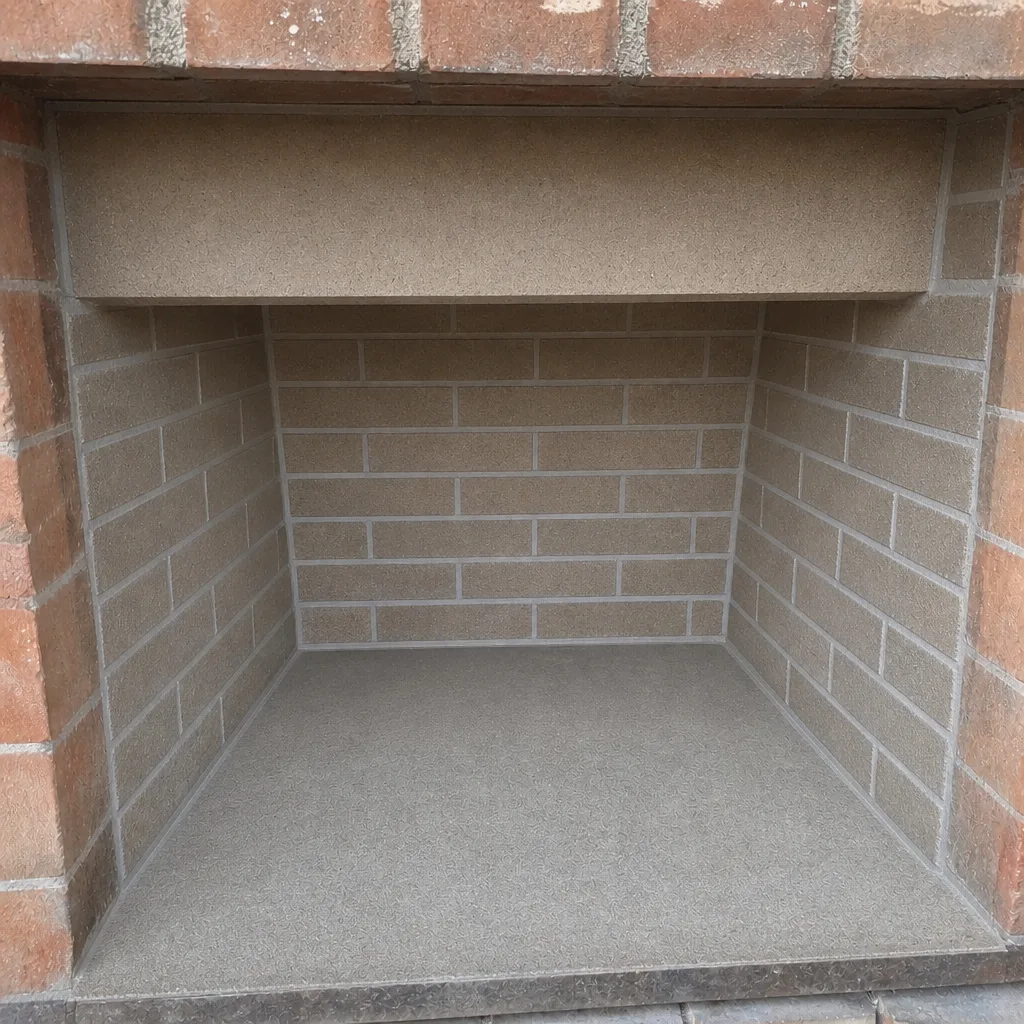
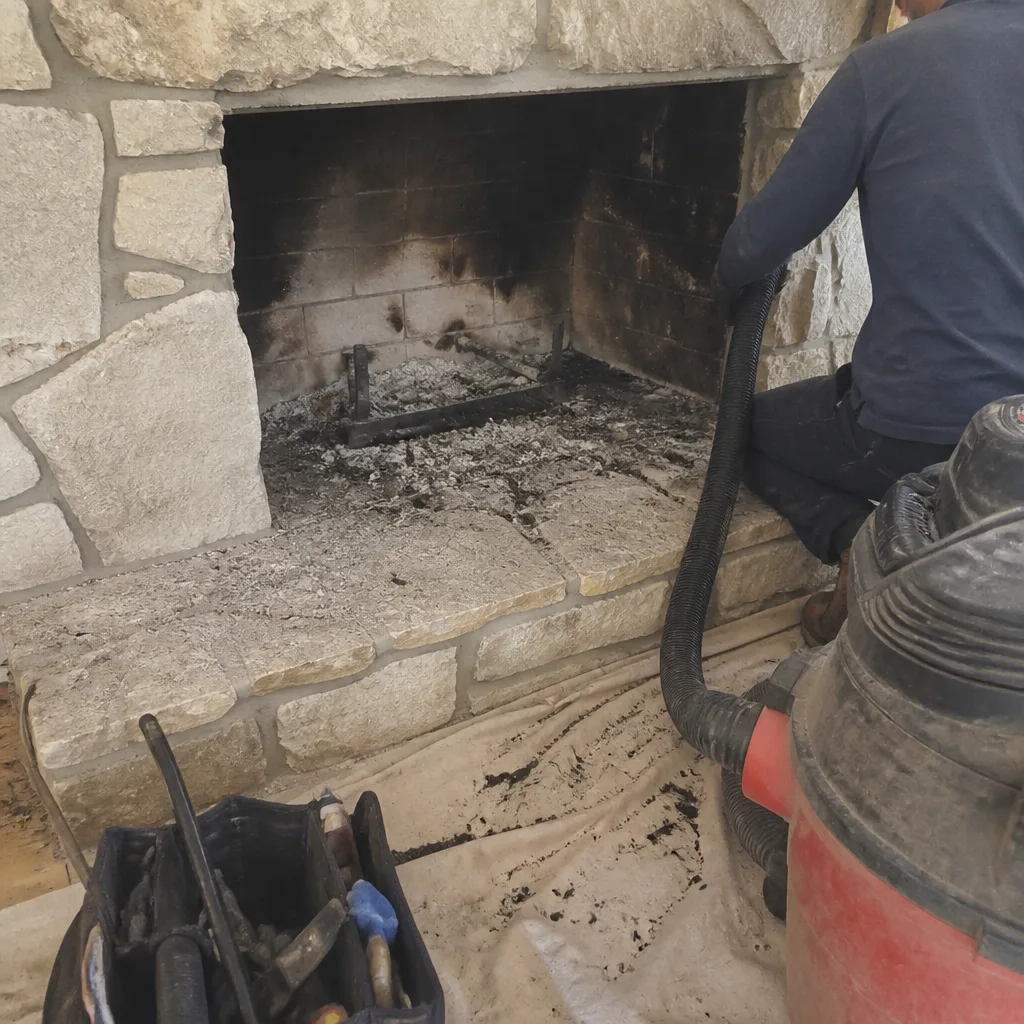
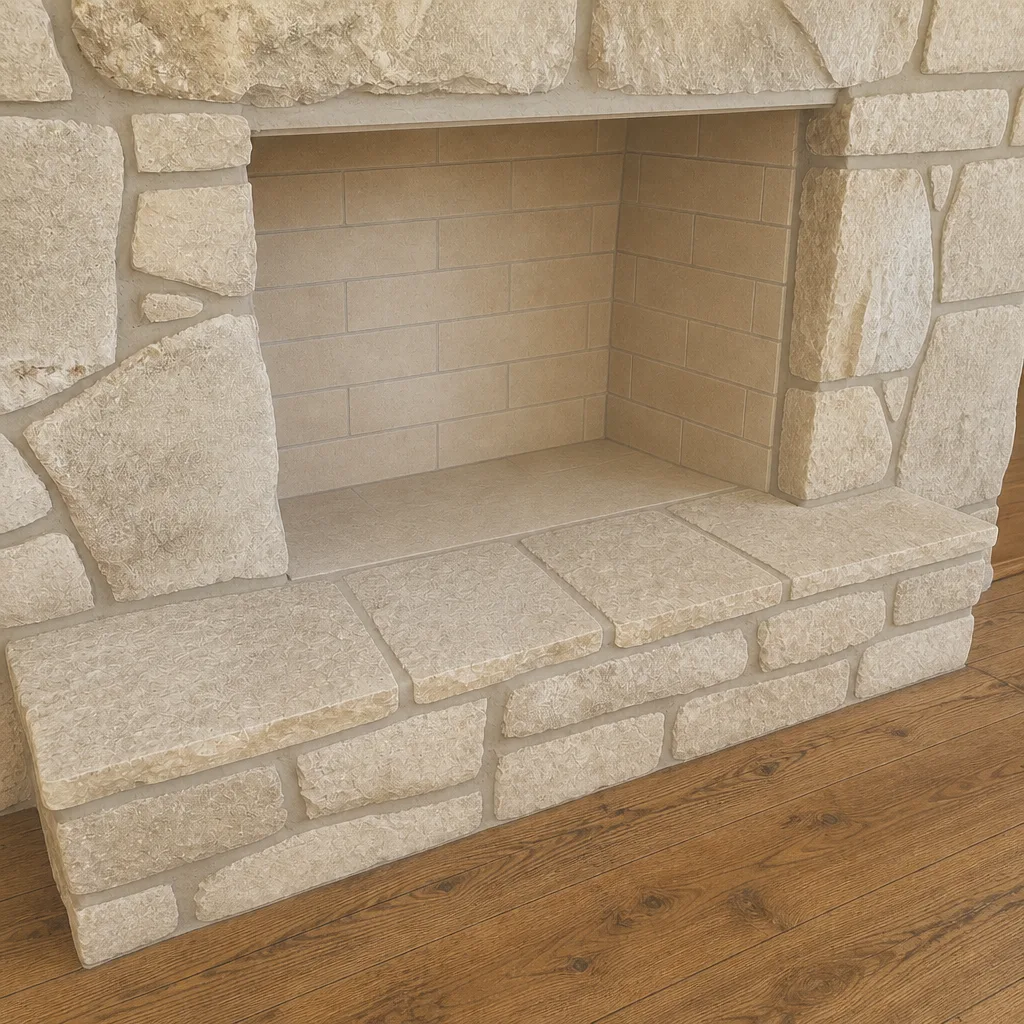
See the difference
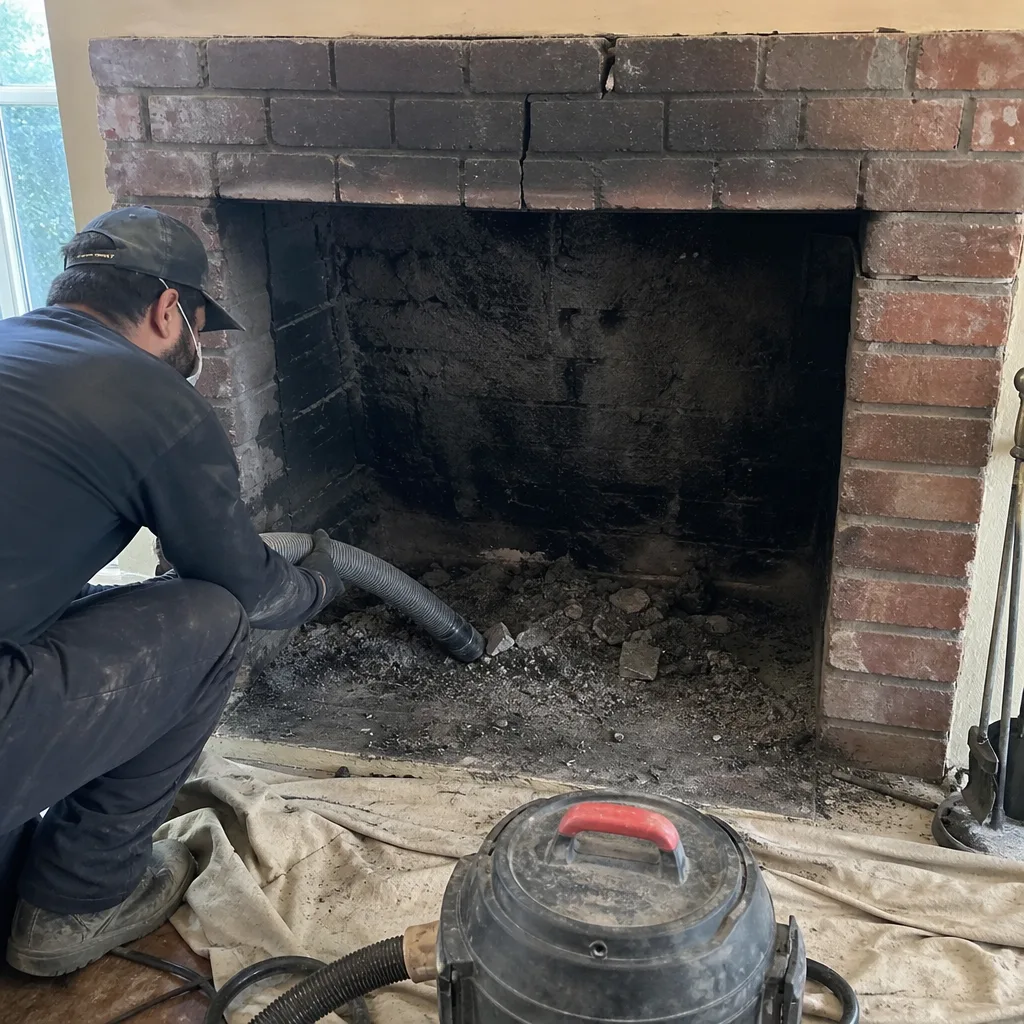 Before
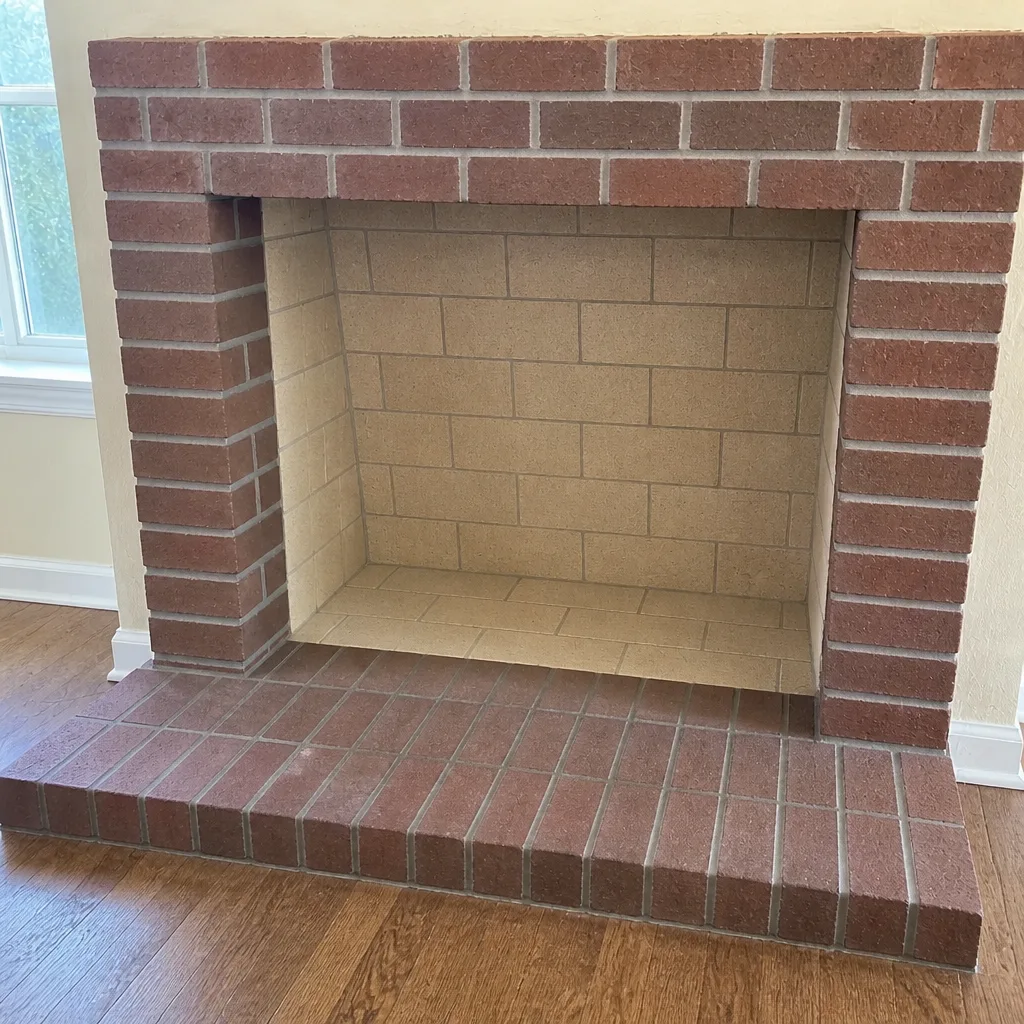 After
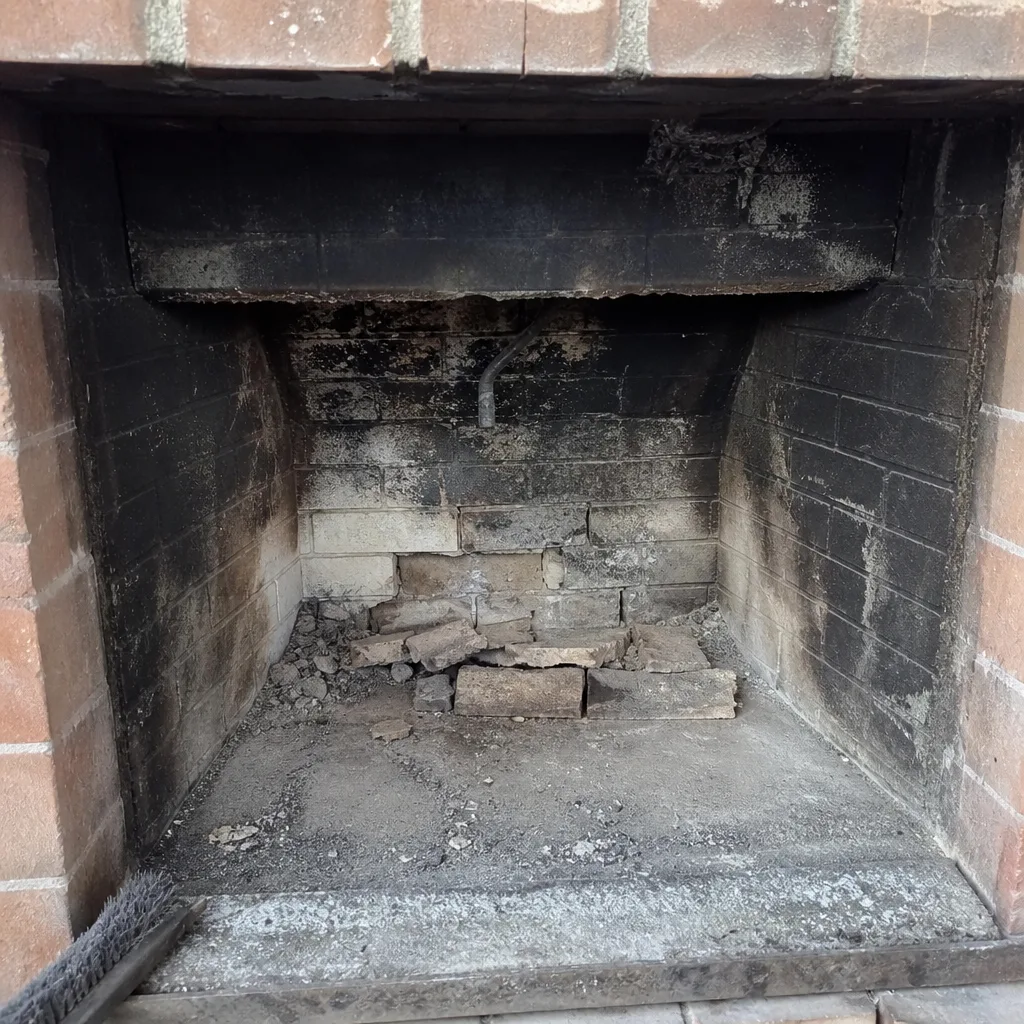 Before
 After
 Before
 After
When to Call a Professional
Call a professional chimney sweep in Santa Maria if you haven’t had the chimney inspected since before 2021, if you’ve had a suspected chimney fire, if smoke backs into the room when you light a fire, if the cap or screen is missing or damaged, or if you’re preparing for wildfire season and your chimney hasn’t been checked. Call immediately if you smell a hot, chemical odor near the chimney, hear a rumbling from the flue, or see smoke that doesn’t match the fire in the firebox. Those are the moments when a professional assessment matters most. If the work can safely wait, we tell you that too. Chimney Sweep Santa Maria offers free estimates in Santa Maria. Call (866) 389-4535. We answer 24/7. Fast dispatch from 7am to 7pm, Sunday through Friday.
Frequently Asked Questions
Most wood-burning chimneys should be swept and inspected once a year, ideally during the July – September window before wildfire season and before the first cold nights. If you burn heavily or use wet wood, you may need it more often. A professional inspection tells you whether the buildup justifies a sweep. Call (866) 389-4535 for an exact quote on your sweep. Estimates are free.
A chimney fire often sounds like a low rumble, a crackling, or a series of pops coming from the chimney itself, not the firebox. Some homeowners describe it as sounding like a distant train. If you hear that sound, get everyone out and call 911 before doing anything else. A professional should inspect the chimney before it’s used again.
Yes, a blocked flue is an emergency, even when the fire isn’t lit, because it can push smoke and carbon monoxide back into the room. If smoke backs into the room when you light a fire, stop and call a professional. Don’t wait for a cold night to find out. Call (866) 389-4535. Estimates are free.
Don’t light the fireplace if the chimney hasn’t been serviced in that time, especially during a Red Flag Warning. The risk is a blocked flue or a damaged cap letting embers in, and both are problems a sweep should find and fix. Schedule the inspection as soon as the warning window closes. Call (866) 389-4535 to book, and we’ll set up the inspection and any repair in the same visit.
Only if the inspection evidence shows your flue needs one. A cracked or failed liner is a real problem, but not every chimney needs a full reline. HeatShield resurfacing can restore some liners without full replacement, and a DuraFlex liner system handles the cases where restoration isn’t enough. Ask to see the camera footage or photos before agreeing to any work. Nothing should be recommended without evidence you can see yourself. Call (866) 389-4535 for an exact quote.
Keep the fire department report, photos taken before any cleanup, your sweep’s written inspection report, the date of your last service, and any itemized repair estimate. These are what your insurance company will ask for, and a chimney sweep should provide them. Store them with your one-page chimney reference so they’re easy to find. Call (866) 389-4535 if you need an inspection report for a claim.
The Bottom Line
Chimney emergency preparedness in Santa Maria comes down to timing, not luck. The home that services the chimney in the July – September window, keeps the cap and screen intact, and keeps a one-page reference on the cabinet door is the home that isn’t surprised when the wind picks up or the first cold night arrives. Blocked flues, failed dampers, and debris-packed caps are the emergencies worth preventing, and they’re all preventable with one scheduled appointment a year. If you’re not sure where your chimney stands, call us and we’ll tell you honestly. The right repair, not the easiest upsell.
Chimney Sweep Santa Maria provides chimney sweeping, chimney repair, and chimney inspection across the area, with professional-grade materials from DuraFlex, HeatShield, Gelco, Olympia Chimney, Famco, and Copperfield. Whether you need a pre-season sweep, a repair after a wind event, or an inspection report for an insurance claim, our chimney-only specialists handle the full service arc under one roof. Inspect first, recommend honestly.
Call (866) 389-4535 for a free estimate. We answer 24/7. Fast dispatch from 7am to 7pm, Sunday through Friday. Visit our Chimney Sweep Santa Maria page to learn more about how we work, and don’t wait for the first cold night to find out your chimney isn’t ready.
Written by the team at Chimney Sweep Santa Maria.