
Last updated November 15, 2026
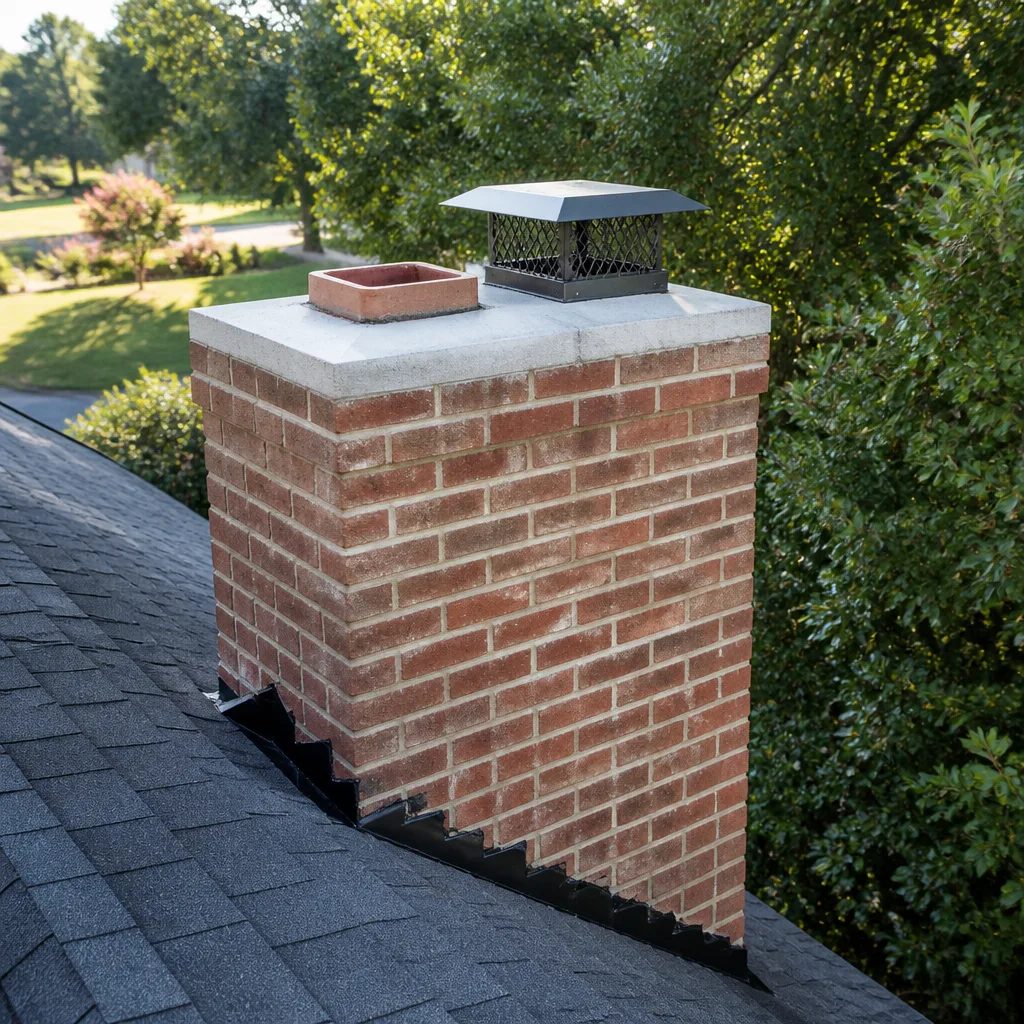 Sweep & inspection
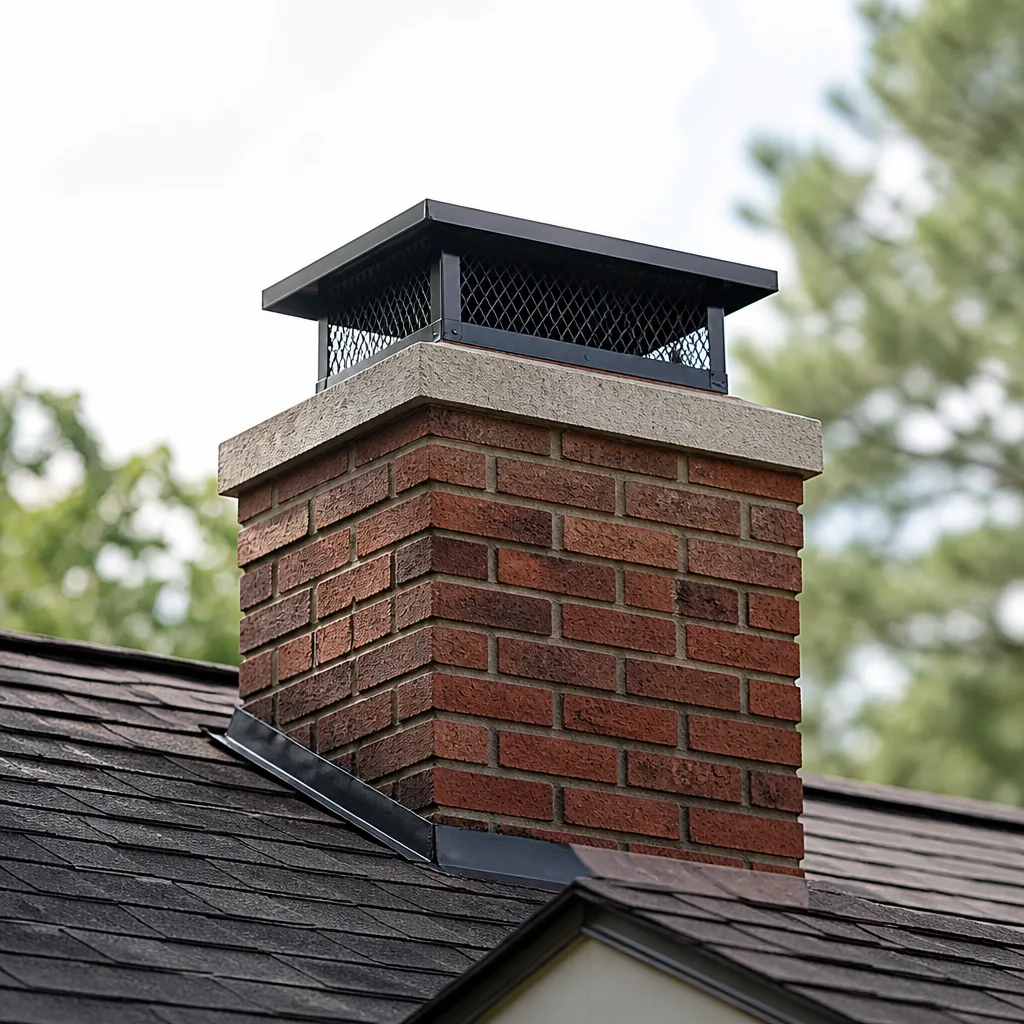 Caps & crowns
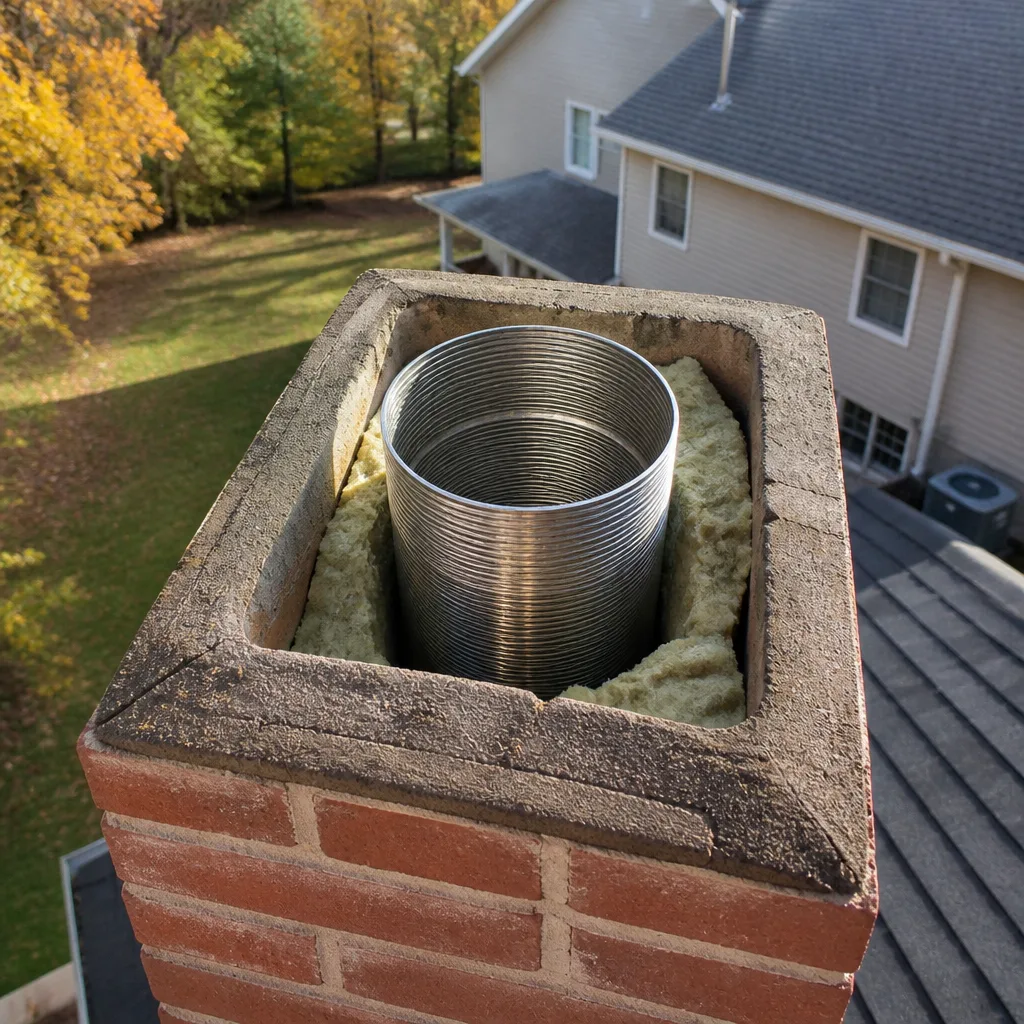 Flue relining
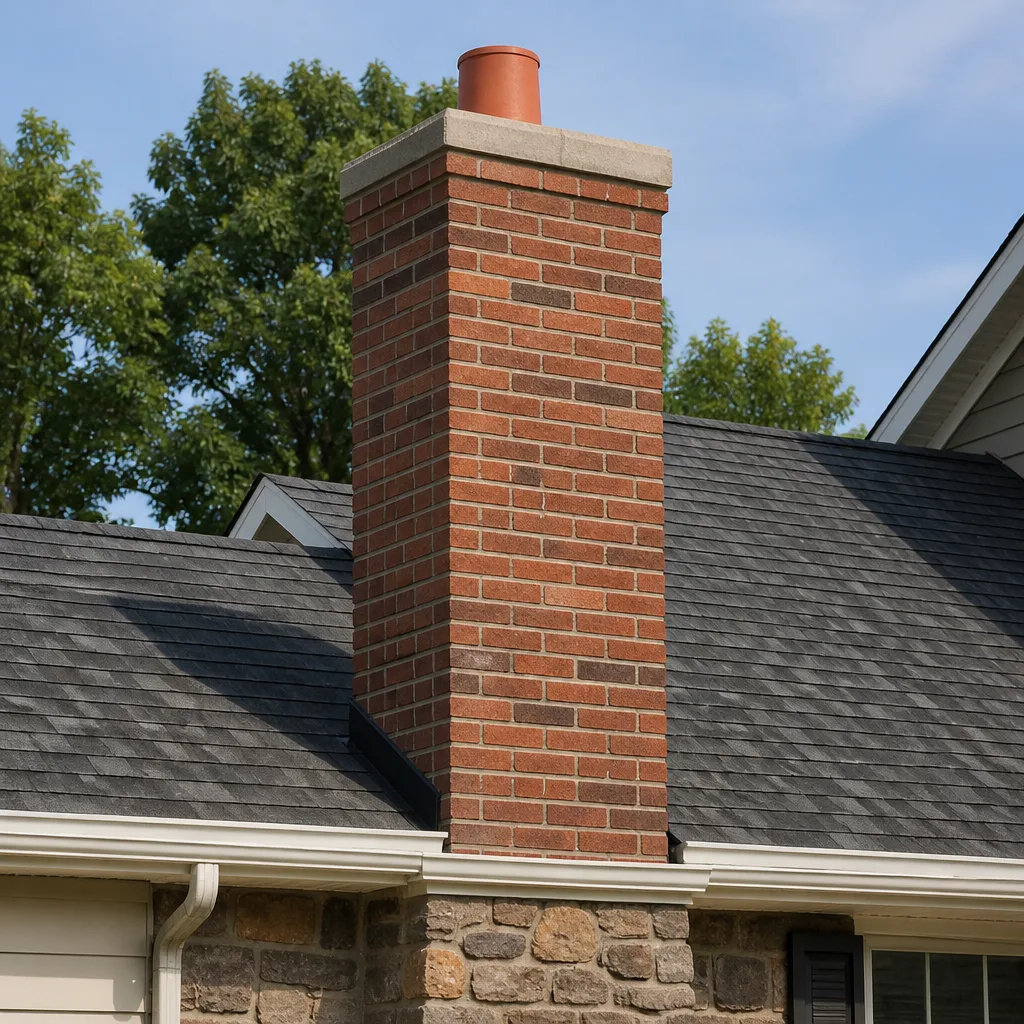 Masonry repair
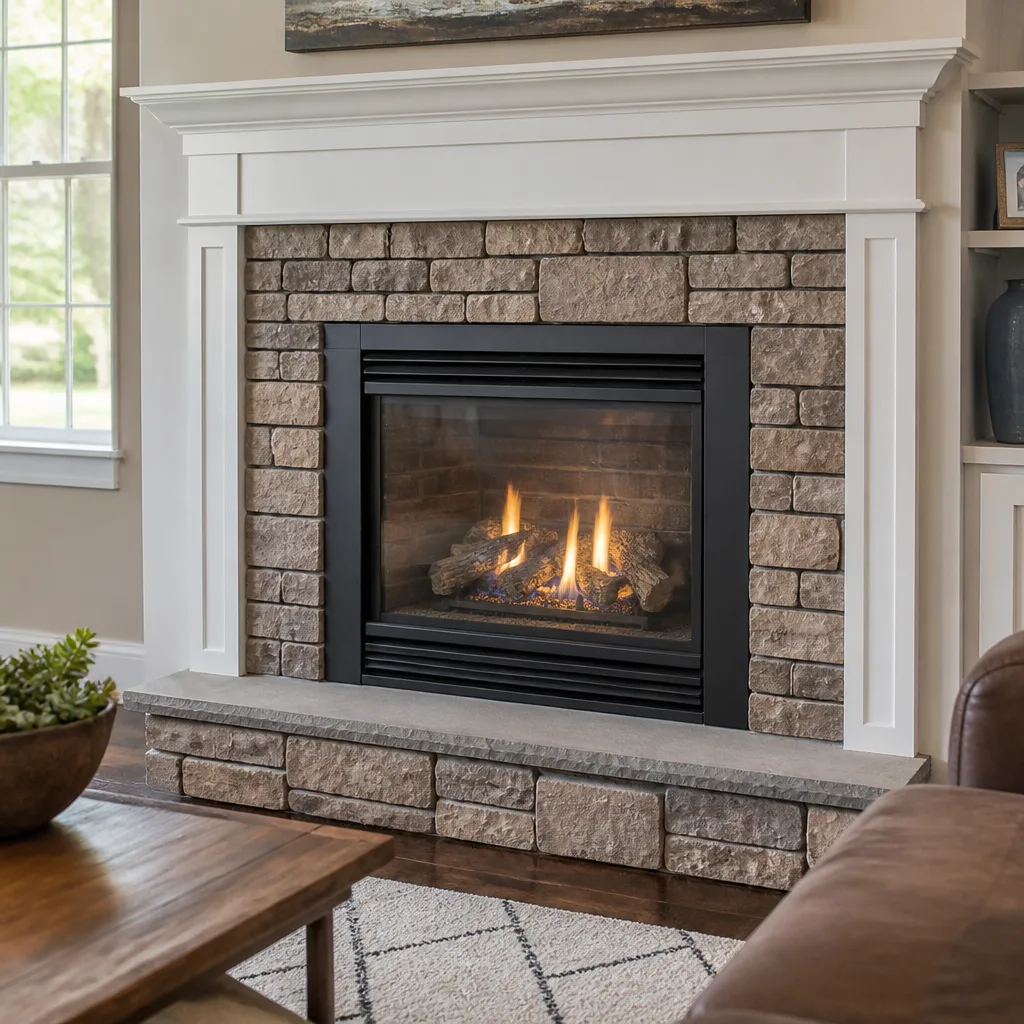 Gas fireplace service
Level 1 sweep and inspection to the NFPA 211 annual standard - flue, crown, cap, and flashing checked and photographed
Chimney sweep logs do not sweep chimneys. They loosen some creosote - which then falls where a brush and vacuum still have to collect it.
Seasonal Chimney Cleaning Care for Santa Maria: Year-Round Homeowner’s Guide
If you’ve ever searched for chimney advice and landed on a page telling you to “clean in fall before the first freeze,” you’ve found a guide written for Ohio, not for the Central Coast. Santa Maria doesn’t hand you four neat seasons. It hands you a wildfire window, a marine-layer summer, a long dormant stretch, and a short but intense burn window that opens around October and closes in December. Your chimney’s risks move with those windows, not with the calendar most chimney content was written against. In this guide we’ll walk through each of those four windows, what actually accumulates in a flue during a Santa Maria spring, why regional wildfire smoke matters even when your fireplace is cold, when animals nest here, and how to spot condensation and draft problems that show up in coastal temperature swings and nowhere else.
Quick Answer
Chimney care in Santa Maria should follow four risk windows rather than the traditional four seasons: pre-fire-season (July – August), pre-burn-season (September – October), active use (November – February), and dormancy (March – June). The most neglected is dormancy, when a flue closed up wet becomes the staging ground for moisture damage, nesting, and draft problems that only show up the following fall. Sweep before burn season, inspect in late spring, and never leave a chimney closed up with soot and moisture still inside.
Styles & brands we work with
- Sweep & inspection
- Caps & crowns
- Flue relining
- Masonry repair
- Gas fireplace service
Table of Contents
- Why Santa Maria Has Four Chimney Risk Windows, Not Four Seasons
- Pre-Fire-Season Care: What to Do in July and August
- Pre-Burn-Season: The September and October Sweep
- Active-Use Season: November Through February
- Dormancy Care: Why March Through June Is the Most Neglected Window
- Wildfire Smoke and Unused Flues: What Regional Fires Leave Behind
- Animal Nesting on the Central Coast and When to Schedule Exclusion
- Condensation and Draft Problems in Coastal Temperature Swings
- Common Mistakes to Avoid
- When to Call a Professional
- Frequently Asked Questions
- The Bottom Line
Why Santa Maria Has Four Chimney Risk Windows, Not Four Seasons
Most chimney guides assume a hard winter: months of freezing temperatures, snow on the roof, and a long heating season that keeps the flue hot and dry. Santa Maria doesn’t work that way. Winters here are mild, summers pull in marine-layer moisture from the coast and cool air in the evening, and the burn season is short and concentrated. That changes what your chimney is actually exposed to, and when.
The four windows break down like this:
- Pre-fire-season (July – August): regional wildfire smoke drifts through and settles into flues that haven’t been used in months. Exterior vents and chimney caps get checked and secured.
- Pre-burn-season (September – October): the sweep window. Soot and creosote from last winter get removed before the first fire of the year, and inspection catches anything that changed during dormancy.
- Active use (November – February): the flue is hot, the fire is going, and this is the time to watch for draft problems, smoke spillage, and how the fire actually behaves.
- Dormancy (March – June): the fire goes out, the damper closes, and whatever is inside the flue stays there for months. This is where moisture damage, nesting, and draft issues either get handled or get worse.
None of these windows requires a Midwest winter to matter. They’re driven by heat, moisture, smoke, and inactivity. If you’re outside our service area, a Santa Maria-focused resource like this one isn’t going to fit – but if you’re here, this is the rhythm your chimney actually lives by.
Pre-Fire-Season Care: What to Do in July and August
July and August are when Santa Maria chimney work shifts from sweeping to securing. Fires are happening regionally, smoke drifts into the valley, and a chimney that’s been closed up since March becomes a trap for two things: particulate matter from wildfire smoke and animals looking for a cool, dry place to nest.
Here’s what pre-fire-season care should cover:
- Check the cap and spark arrestor. A damaged or missing cap lets embers, wind-driven debris, and animals straight into the flue. Inspect the cap at the roofline and confirm the mesh is intact.
- Confirm the damper seals. A damper that doesn’t close fully lets wildfire smoke and summer dust drift into the firebox and the room. A damper that’s stuck open does the same thing year-round.
- Inspect exterior masonry and flashing. The dry months are the right time to spot cracks, spalling brick, and failed flashing that will let winter moisture in later.
- Look at the firebox walls and smoke chamber. Any gaps, loose mortar, or deterioration now is cheaper to address before the burn season begins.
This is also a good window for animal exclusion at the crown, since the regional nesting cycle tends to push animals to move in during summer heat. If you’re already hearing scratching or birdsong coming from the flue in July, that’s a sign to call for an inspection rather than waiting for the fall sweep. Our technicians have up to 15 years of experience with this exact sequence.
Pre-Burn-Season: The September and October Sweep
September and October are when a Santa Maria chimney sweep matters most. This is the sweep window: last winter’s creosote and soot come out, the flue gets inspected, and any issue found during dormancy gets handled before you light the first fire of the year.
Here’s the typical sequence for a pre-burn-season visit:
- Visual inspection first. We look at the exterior, the crown, the cap, the firebox, and the smoke chamber before anything is swept.
- Camera inspection of the flue. A camera run gives us a clear view of what’s actually inside the liner, which matters for both safety and the honest recommendation.
- The sweep itself. Brushes and rods sized to your flue remove soot and creosote from the firebox up through the flue.
- Photo report. You see what we see, and any recommendation is backed by an image. If something can safely wait until next year, we say so.
- Repair recommendation, only if warranted. When the liner is sound and the sweep is clean, that’s the whole visit. When a repair is genuinely needed, we walk you through it – and never recommend work you can’t verify for yourself.
This is the season when the difference between a specialist and a generalist shows up. A roofer sweeping between jobs can do the mechanical work of brushing a flue, but the whole value of the visit is in what gets recognized and what gets caught before the fire is lit. That’s the reason we work with professional-tier brands like Gelco for inspection tools and Olympia Chimney for components – not because we want to upsell, but because a September visit is the scan that makes everything downstream safe.
Active-Use Season: November Through February
Once the fire is going, the work shifts from cleaning to observation. You’re the one who sees the fire every day, so what you notice during the burn season matters more than anything a technician can see between fires. Santa Maria’s burn window is narrow, and a chimney that’s functioning well during those four months is doing its job.
What to watch for during active use:
- Smoke spillage into the room. A little smoke at ignition is normal in a cold flue. Smoke that spills after the fire is established is a draft problem, and it usually traces back to a partial blockage, a cap issue, or a damaged damper.
- Creosote buildup. Glazed, shiny creosote on the flue walls is a fire hazard. If you’ve seen heavy buildup in past years, that’s a reason to sweep mid-season rather than wait for spring.
- Fire behavior changes. A fire that used to draft well and now struggles is telling you something changed in the flue.
- Smoke smell in the room after the fire is out. Smell lingering after the fire goes cold usually means the damper isn’t sealing or the smoke chamber needs a look.
January and February are also when a lot of homeowners call us for a mid-season check. That’s fine – if the fire is behaving strangely or you’re seeing smoke where it shouldn’t be, get it checked now instead of riding it out. We answer 24/7. Fast dispatch from 7am to 7pm, Sunday through Friday.
Dormancy Care: Why March Through June Is the Most Neglected Window
Spring is the window almost every Santa Maria homeowner skips. The fire hasn’t been used in weeks, the weather is nice, and the chimney stops being something to think about. That’s exactly when moisture damage accumulates, and it’s the reason so many “sudden” fall problems were actually set in motion months earlier.
Here’s what happens when you close a flue for the season without a proper end-of-season sweep:
- Soot and creosote stay on the flue walls. Creosote is acidic. Sitting on masonry or metal for months, it works at the liner. Combined with any moisture in the flue, the damage compounds.
- Moisture gets trapped. The marine layer and cool evenings push damp air into the flue, and a closed damper keeps it there. Over a long dormancy, masonry can spall, mortar joints can loosen, and a metal liner can rust.
- Animal residents settle in. Spring is a prime nesting window on the Central Coast. A cap that lost its mesh during the burn season is an invitation.
- Smoke smell returns. A chimney that smells smoky in spring or summer usually has creosote and moisture sitting at the bottom of the flue. It’s not just an odor problem; it’s a sign the flue was closed wet.
Dormancy care is simple: get the sweep done at the end of the burn season rather than the start of the next one. The chimney goes into the warm months clean and dry, the inspection catches anything the fire season produced, and any animal exclusion happens before nesting gets underway. It’s the cheapest thing you can do for a masonry chimney, and it’s the one most often skipped.
Wildfire Smoke and Unused Flues: What Regional Fires Leave Behind
Regional wildfire smoke does not care whether your fireplace is on. When fires burn anywhere in the region and the wind carries smoke through the Santa Maria valley, it drifts into chimney caps, settles into flues, and leaves fine particulate matter behind. On a flue that hasn’t been used in months, that material accumulates in layers with soot and dust.
This matters for three reasons:
- Odor. Wildfire particulates mixed with old soot produce a smoky smell in the room, especially when the flue is warm.
- Draft interference. A flue coated in fine, dry particulate behaves differently from one that’s been swept. The change is subtle but noticeable the first time you light a fire in October.
- Air quality at the firebox. A firebox that draws air from the room will pull some of that settled smoke back into the house when the fire is first lit. A pre-burn-season sweep clears it before it becomes part of your indoor air.
If your property sat through a smoky stretch in July or August and you’re planning a limited burn season in the fall, an inspection in September catches both the wildfire residue and anything else sitting in the flue. Nothing gets recommended without camera evidence you can see for yourself, and if the sweep alone is all the chimney needs, that’s what we’ll tell you.
Animal Nesting on the Central Coast and When to Schedule Exclusion
Chimney birds and small mammals don’t follow a northern calendar. On the Central Coast, nesting pressure builds through spring and early summer and can repeat later in the season if a nest is disturbed or a cap is compromised. A chimney cap without intact mesh is an open door, and once an animal is in, the flue becomes a nest site rather than a vent.
Animal exclusion on the Central Coast should be scheduled in two windows:
- Late winter (February – March): before nesting begins, check cap mesh and secure any gaps. This is the cleanest window because it happens before the animals arrive.
- Post-fledging (late summer – early fall): if you hear activity during nesting season, don’t disturb an active nest or cap a flue with animals inside. Wait until young have gone, then clean the flue and install exclusion.
What nesting left behind matters as much as the animals themselves. Nests block the flue, reduce draft, and create a combustible obstruction close to the firebox. Droppings and debris can also be pulled into the room the moment you light a fire. If you’ve heard scratching or birdsong in the flue, the right order is: remove residents and nest, sweep the flue, then cap it properly. Our technicians have up to 15 years of experience with this sequence on masonry and pre-fab chimneys alike.
Condensation and Draft Problems in Coastal Temperature Swings
Santa Maria’s weather pattern – cool, damp mornings that burn off by midday, a marine layer that pushes back in by evening – creates repeating temperature swings that interact with chimney draft in ways that a steady cold climate does not. A warm fire in the evening followed by a cool, damp overnight can push condensation onto the inside wall of the flue, especially on a cold metal liner or masonry with a slight crack.
How to recognize condensation problems by season:
- Fall: draft feels sluggish until the fire is hot. That’s normal to a degree, but draft that never fully establishes when the outside temperature swings is worth a look.
- Winter: a fire that burns fine on a cold day and struggles on a mild day is telling you the flue is on the edge of marginal draft. It usually comes back to flue geometry, a partial blockage, or a cap that’s restricting airflow.
- Spring: a smoky smell in the room when the flue is warm but there’s no fire usually means creosote and moisture are sitting together in the flue.
- Summer: if the firebox feels damp or there’s a white chalky look on the firebox walls, moisture is present. That’s a sign the flue isn’t drying out.
Where condensation is an ongoing problem, the right repair not the easiest upsell is the goal. Sometimes a cap adjustment or a damper fix is enough. In cases where the liner itself is failing, HeatShield resurfacing can address deterioration without a full replacement, and DuraFlex liner systems handle a complete reline when that’s what’s actually needed. Both decisions come down to what the camera shows and what we can show you.
Common Mistakes to Avoid
- Treating “clean in fall” as the entire plan. A fall sweep is the right start, but it ignores spring moisture damage and July nesting. The full four-window approach covers what the fall sweep alone misses.
- Closing the flue for spring without sweeping first. Creosote and moisture sitting together for months is where a lot of masonry damage starts. Sweep at the end of the burn season, not the start of the next one.
- Ignoring the cap because the fire burns fine. A cap is the chimney’s roof. Animals get in, wildfire particulate settles, and water that would have been shed off gets inside instead.
- Assuming a generalist will spot the same things. A roofer sweeping between jobs can brush a flue, but the differences between a rutted masonry flue and a failing liner aren’t visible to someone who doesn’t do the work every day.
- Disturbing an active nest to speed up a spring sweep. If animals are in the flue, wait through the nesting window and then handle removal, sweep, and exclusion together.
- Burning unseasoned wood to stretch a short burn season. Creosote accumulation in Santa Maria’s concentrated October – December window is driven heavily by wood moisture, and the residue from a few weeks of green wood can rival a longer heating season elsewhere.
- Skipping the camera inspection on an older home. The heat shield on older masonry chimneys has usually changed since the house was built. A camera run is the only way to know what’s actually inside the liner.
When to Call a Professional
Call us when any of the following is true in your Santa Maria home: you can’t remember the last sweep, the fire has started behaving differently, smoke lingers after the fire is out, you’ve heard scratching or birdsong in the flue, a regional fire sent smoke through the neighborhood in July or August, or you’re heading into the September – October window and want the pre-burn-season sweep in place before the first fire of the year. We work with professional-tier brands only, including Olympia Chimney, Gelco, and HeatShield, so a repair recommendation comes from the same trade that did the inspection, not a contractor filling a schedule gap. We answer 24/7. Fast dispatch from 7am to 7pm, Sunday through Friday. Chimney Sweep Santa Maria offers free estimates in Santa Maria – call (866) 389-4535.
Frequently Asked Questions
Typical chimney sweep pricing is set per job by the written estimate, and there’s no one number across Santa Maria because flue type, access, and condition vary. The right way to price it is an inspection first, then a written estimate that reflects what the flue actually needs. Call (866) 389-4535 for an exact quote – estimates are free.
Schedule the sweep for September or October, before the burn season opens. That’s the sweep window that clears last winter’s creosote and catches anything that changed during dormancy. If you skipped spring, a sweep in early fall still works; it just leaves less room to handle any repair found in the inspection.
Spring is neglected because the fire is out and the weather is pleasant, so the chimney stops being a concern. But dormancy is when soot, creosote, and moishe flue stay inside for months without drying out. That combined moisture-and-creosote exposure is what causes masonry spalling, rusted liners, and smoky odor the following fall. A sweep at the end of the burn season sets the stage for a clean dormancy.
Yes. Regional wildfire smoke drifts into caps and settles into unused flues as fine particulate, which mixes with old soot and produces odor, draft changes, and indoor air quality issues when the fire is first lit. A pre-burn-season sweep clears it. If you’re planning to burn in the fall and your property sat through a smoky summer, get the inspection done in September rather than waiting until October.
Schedule exclusion for late winter, before nesting pressure begins. If you already hear animals in the flue, don’t cap the chimney with residents inside – wait for the nesting window to close, then handle removal, sweep, and cap replacement in one visit. Our technicians have up to 15 years of experience with this sequence on both masonry and pre-fabricated chimneys.
Yes. Santa Maria’s daily swings between damp marine-layer mornings and drier afternoons push moisture into flues that don’t fully dry out. Combined with creosote left inside, that moisture is what causes long-term liner and masonry damage. If you’ve noticed a smoky smell in the room when the flue is warm but there’s no fire, that’s a sign to get the flue looked at. Call (866) 389-4535 for an exact quote – estimates are free.
The Bottom Line
Santa Maria doesn’t need a chimney schedule written for a Midwest winter. It needs one that maps to the four windows your chimney actually lives through: fire-season prep in July and August, the sweep in September and October, careful observation during active use from November through February, and the dormancy sweep in March through June that most homeowners skip. Every repair recommendation we make comes from camera evidence you can see, and if the work can safely wait, we’ll tell you so. Chimney Sweep Santa Maria works with professional-grade brands like Olympia Chimney, Gelco, and HeatShield, and we handle inspection, sweeping, and chimney repair as one continuous service. Call (866) 389-4535. We answer 24/7. Fast dispatch from 7am to 7pm, Sunday through Friday.
Related Reading
If you’re a Santa Maria homeowner looking for a single trusted resource for chimney sweep, inspection, and repair, start with Chimney Sweep Santa Maria. For general chimney service in our area, see our Santa Maria page.
Written by the team at Chimney Sweep Santa Maria.
See the difference
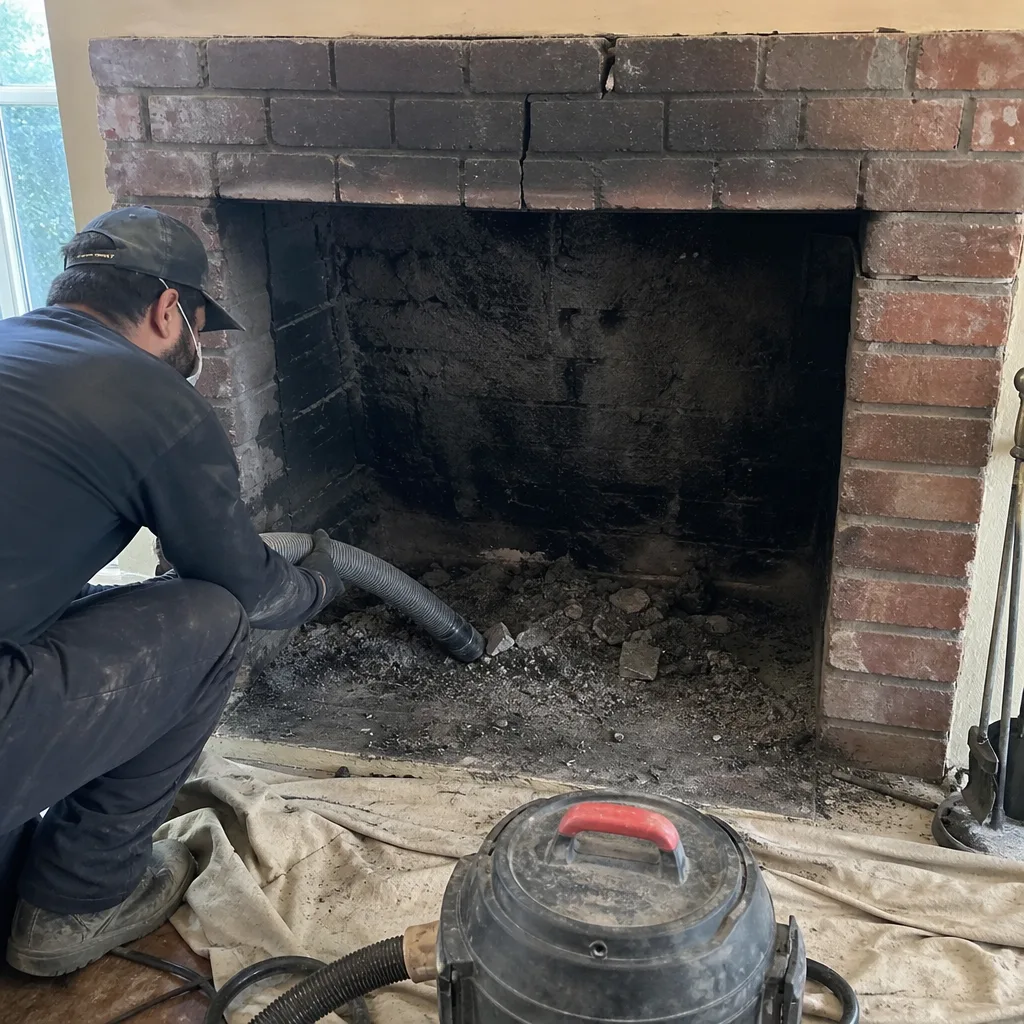 Before
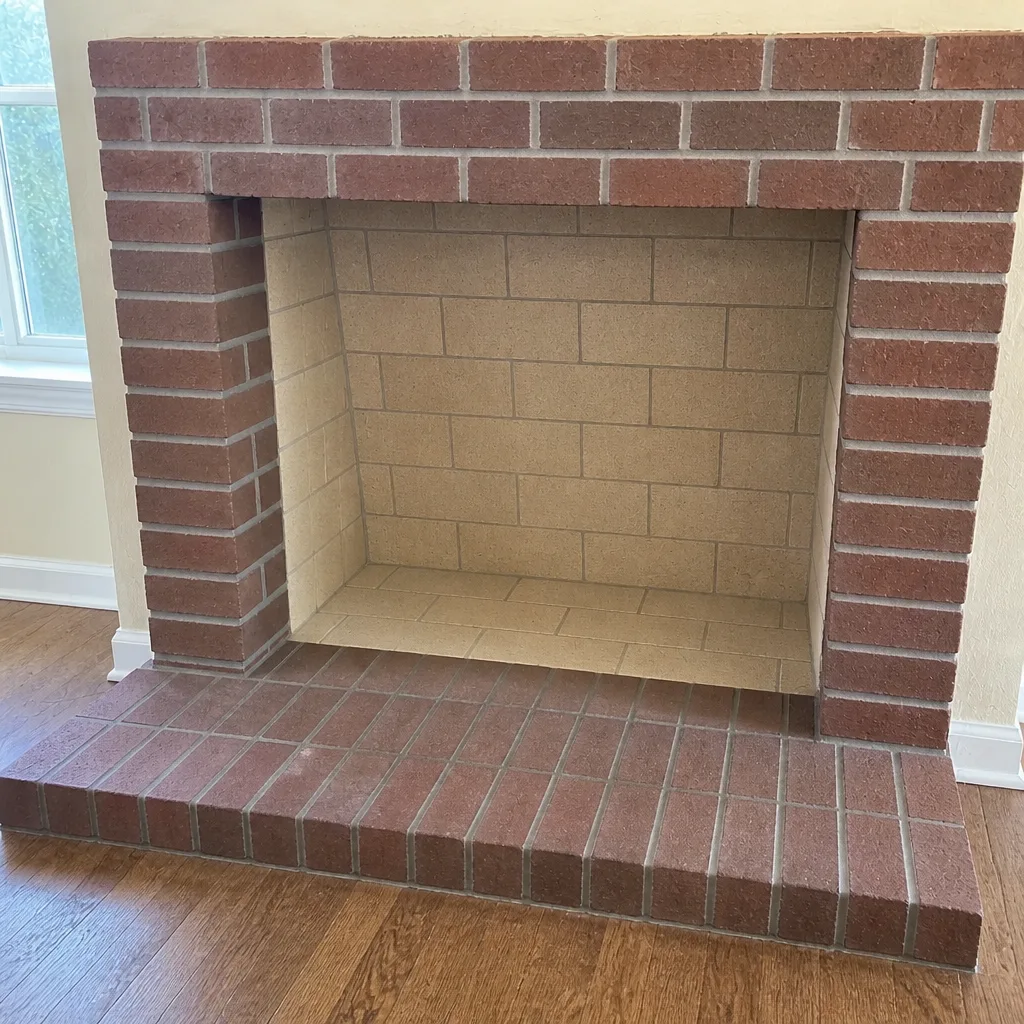 After
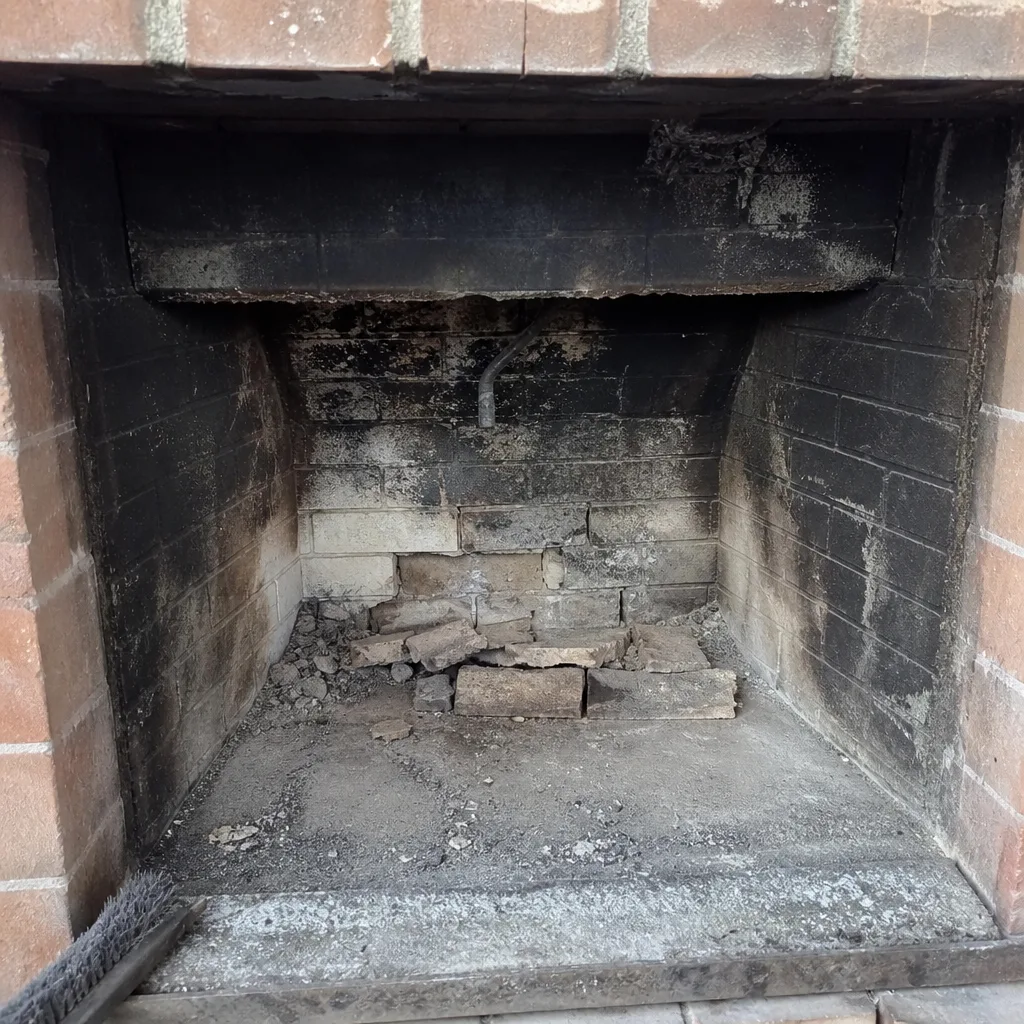 Before
 After
 Before
 After