
Last updated November 15, 2026
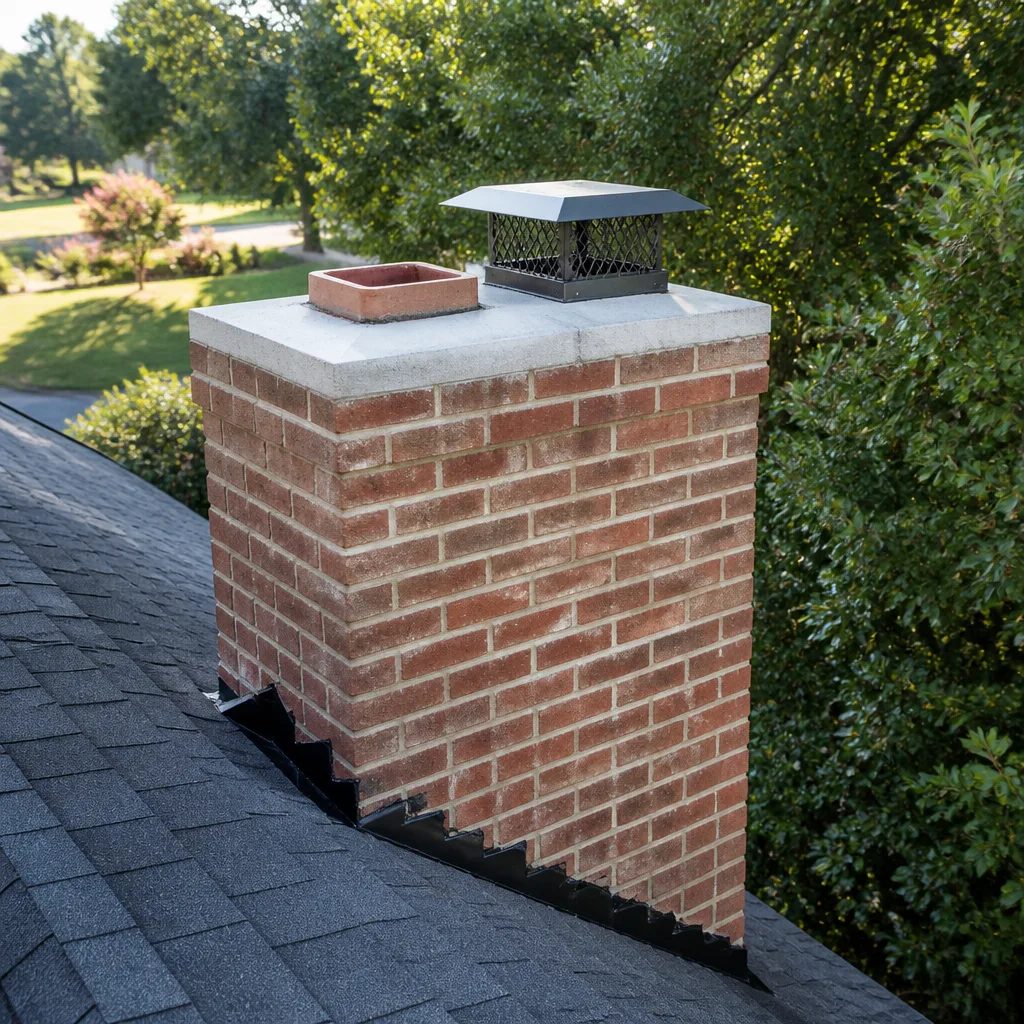 Sweep & inspection
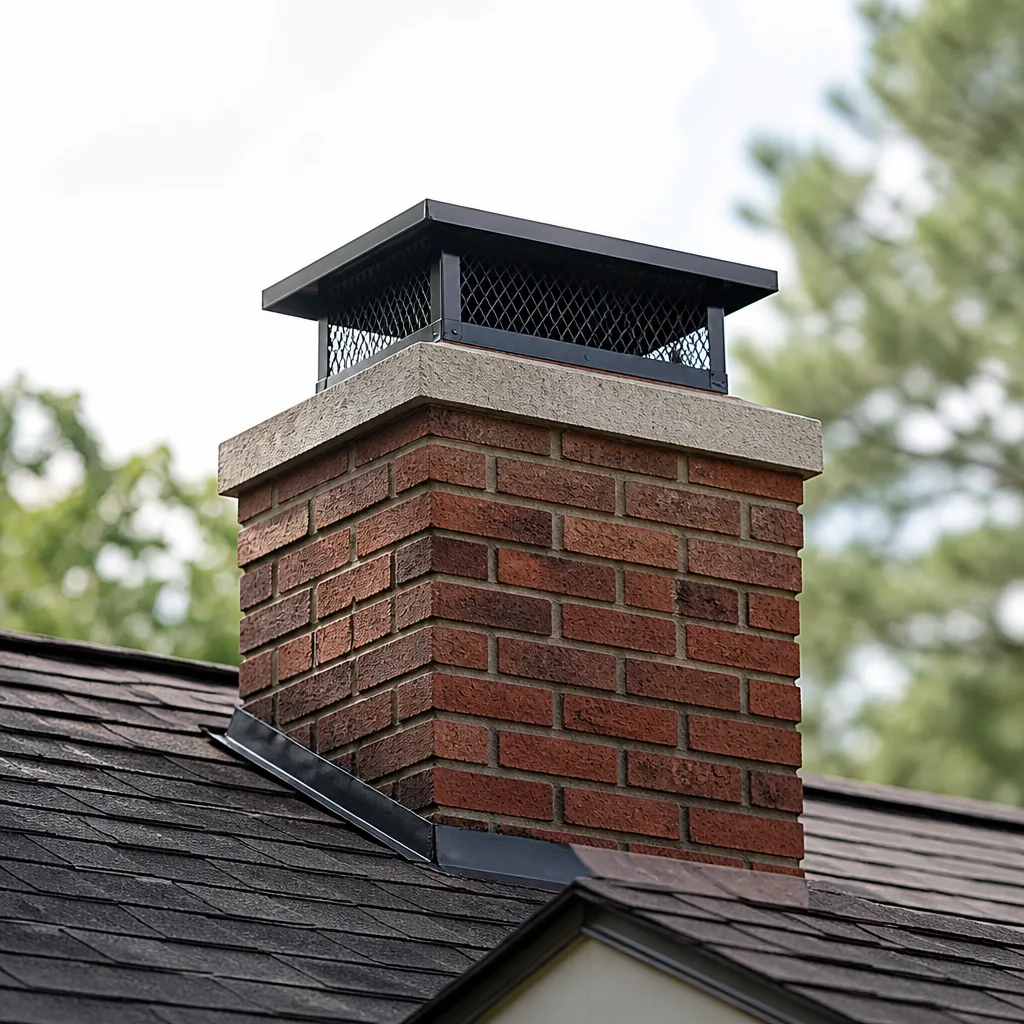 Caps & crowns
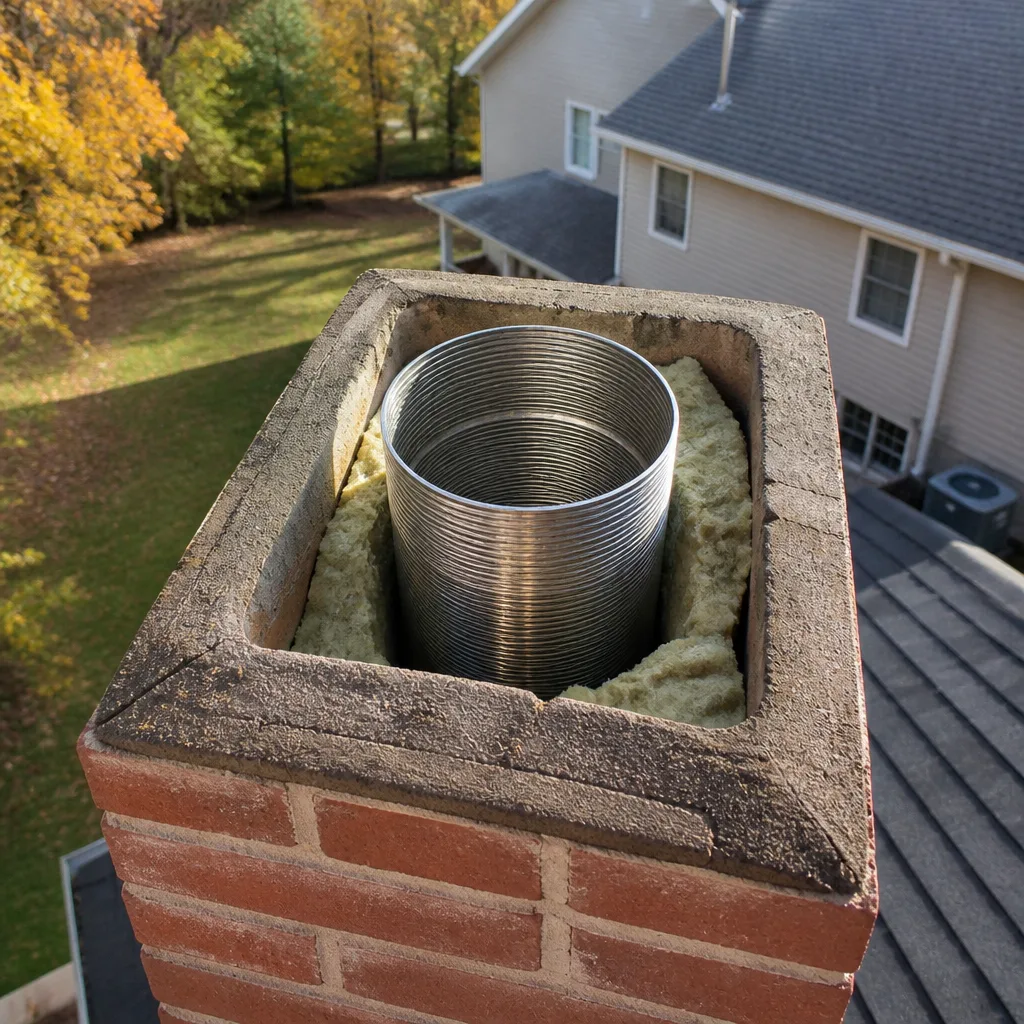 Flue relining
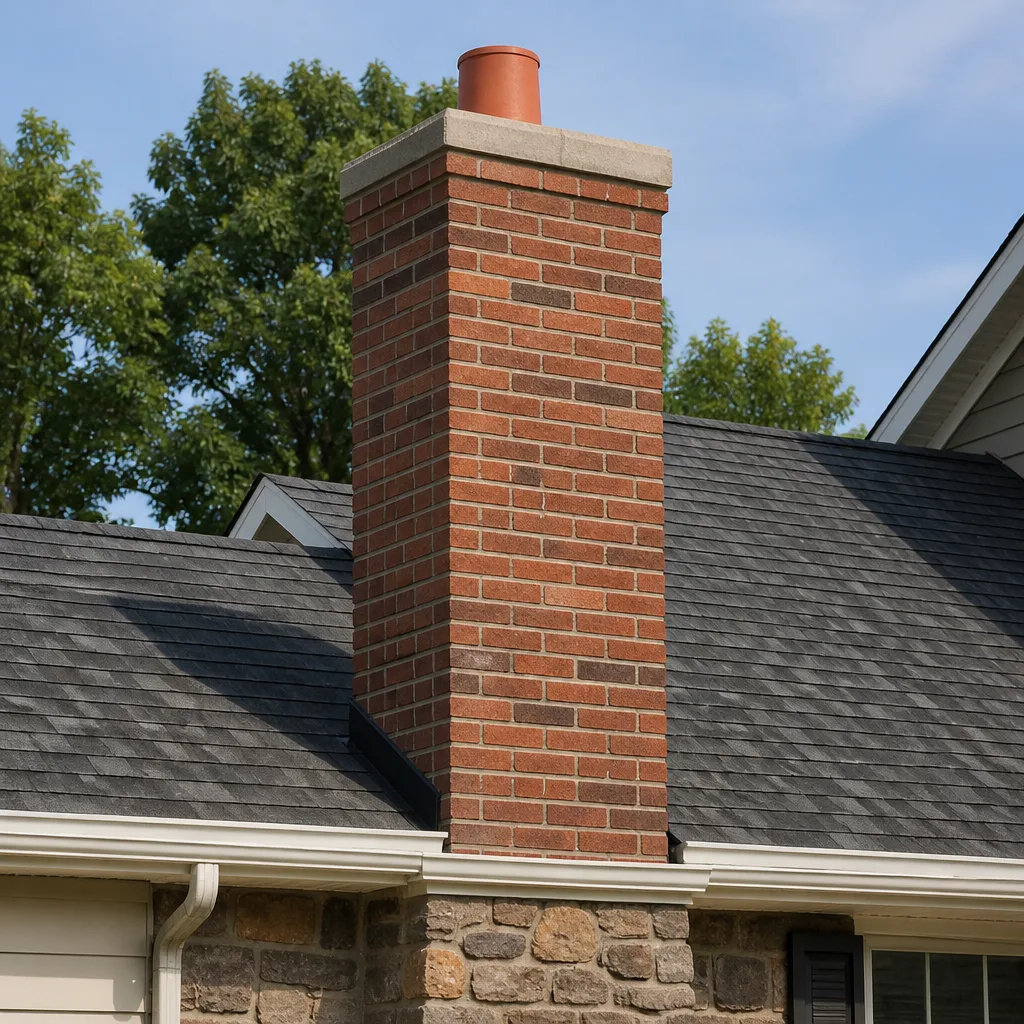 Masonry repair
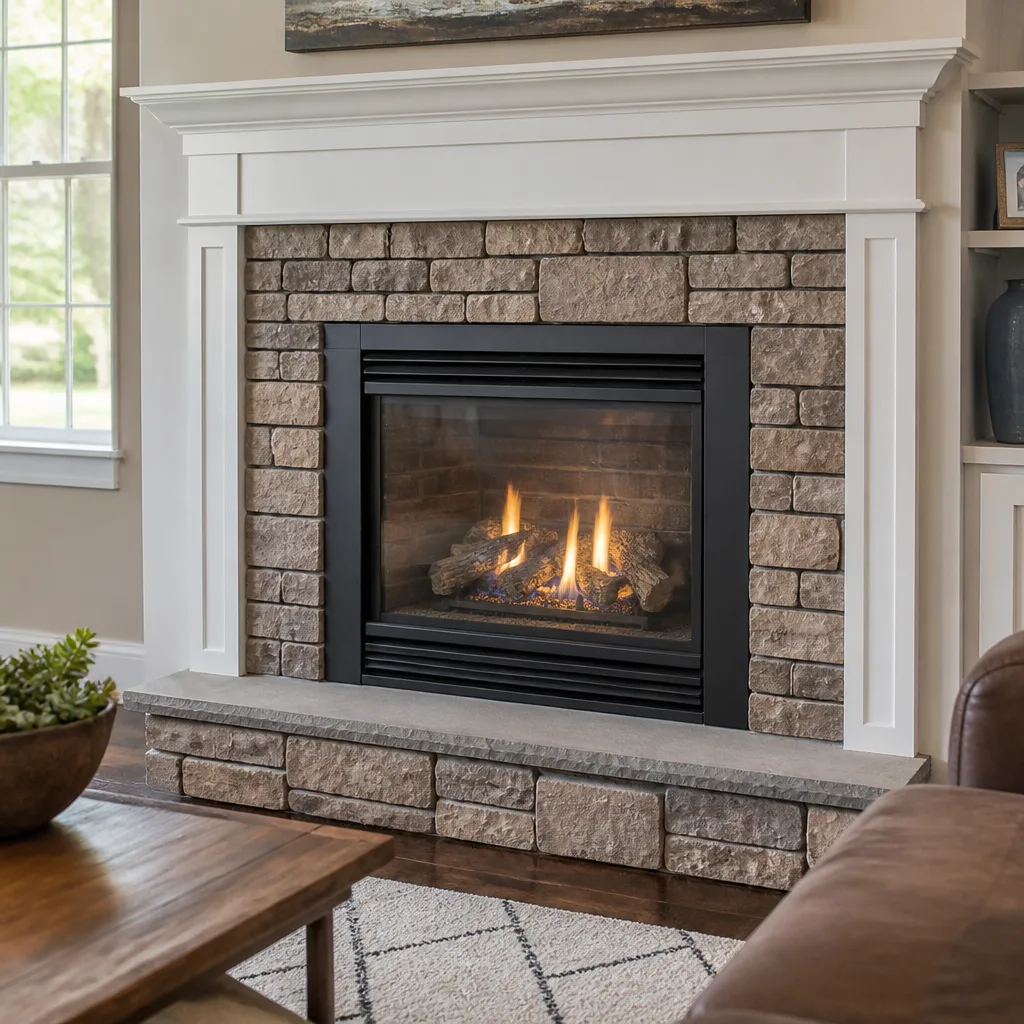 Gas fireplace service
Level 1 sweep and inspection to the NFPA 211 annual standard - flue, crown, cap, and flashing checked and photographed
Chimney sweep logs do not sweep chimneys. They loosen some creosote - which then falls where a brush and vacuum still have to collect it.
Chimney Cleaning Permits, Codes & Inspections in Santa Maria, CA: What You Need to Know
Your sweep doesn’t need a permit to clean your chimney. But if they recommend a liner replacement or firebox repair in the same visit, the rules change, and in Santa Maria most homeowners don’t know where that line is until their real estate transaction stalls. Cleaning is maintenance. Repair is construction. California treats them completely differently, and the paperwork trail from a routine sweep is often what protects you years later at a home sale or after a chimney fire. This guide draws the exact line: what the California Building Code (CBC) governs, which tasks trigger a permit in Santa Maria, how NFPA 211 fits in, and what documentation to ask for.
Quick Answer
In Santa Maria and across California, routine chimney cleaning does not require a building permit, while structural changes to the chimney, such as a liner replacement, firebox rebuild, hearth extension change, or new chimney penetration, generally do. A Level 2 inspection is not a permit item, but it is the recognized standard required in real estate transactions and after a chimney fire. Local enforcement is administered by the City of Santa Maria for properties inside city limits and Santa Barbara County for the unincorporated areas, so the correct office depends on your address.
Styles & brands we work with
- Sweep & inspection
- Caps & crowns
- Flue relining
- Masonry repair
- Gas fireplace service
Table of Contents
- What California Building Code Says About Chimney Systems
- Which Chimney Tasks Trigger a Permit in Santa Maria
- How NFPA 211 Interacts With Local Code Enforcement
- What a Level 2 Inspection Is and When It’s Required
- Real Estate Transactions and the Documentation You Need
- Protecting Yourself for Insurance Claims
- How to Request Documentation From Your Sweep
- Common Mistakes and When to Call a Professional
What California Building Code Says About Chimney Systems
The California Building Code governs how chimneys are built, altered, and repaired, and its chimney provisions are drawn from the International Residential Code with California amendments layered on top. The code separates maintenance from construction. Sweeping, brushing, and vacuuming a flue are maintenance. Changing what the chimney is made of, or how it vents, is construction subject to plan review. That distinction is why a chimney sweep can work without a permit while a reline usually cannot.
For wood-burning fireplaces and masonry chimneys, the code addresses several categories that homeowners regularly ask about:
- Clearances to combustibles. Framing, sheathing, and interior finishes must hold the distances the code specifies from the chimney’s outer surface. A re-roof, a remodeled chase, or a new mantle that reduces those clearances is a code issue, not a cosmetic one.
- Flue lining. Every masonry chimney serving a fireplace or appliance is required to have a listed or approved liner. Installing one where none exists, or replacing a damaged clay tile system with a listed liner, is an alteration.
- Hearth and hearth extension. The size, thickness, and noncombustible nature of the hearth are specified requirements. Widening or altering a hearth to fit a new stove falls under the code.
- Chimney height and termination. Height above the roof and proximity to the ridge determine draft and safety. Raising a chimney or changing its cap can affect both.
- Factory-built (prefabricated) fireplaces. These carry a listing from a testing agency, and the manufacturer’s installation instructions function as code when the listed system is modified. Substituting a part not approved for that model voids the listing.
In our experience across Santa Maria, the most common CBC-related surprise isn’t during the sweep itself. It’s when a homeowner, mid-remodel, learns the new interior wall they planned sits closer to the chimney than the code allows. A pre-work inspection before a remodel is cheaper than discovering the issue during final inspection.
Which Chimney Tasks Trigger a Permit in Santa Maria
The safest way to think about permits for Santa Maria homeowners is a simple split: cleaning, inspection, and minor repairs generally do not require a permit; structural changes to the chimney assembly do. When in doubt, ask the office that issues your permit. For a property inside Santa Maria city limits, that is the City of Santa Maria building department. For unincorporated Santa Barbara County, it is the County. Both administer the California Building Code, and both want to see the same fundamental information: what is being changed, by whom, and how it meets code.
The split in practice:
Typically No Permit Required
- Chimney sweeping (mechanical brushing and vacuuming of the flue)
- Level 1, Level 2, and Level 3 inspections
- Replacing a chimney cap of the same size and type
- Routine removal of creosote, soot, and debris
- Minor repointing of mortar joints that doesn’t alter structural dimensions
- Installing a flue brush, top-sealing damper of an approved type, or spark arrestor on an existing cap
Usually Requires a Permit
- Full liner replacement or installation of a new listed liner system where one did not exist
- Firebox rebuild or reconstruction of masonry
- Any change to hearth or hearth extension dimensions
- Chimney height changes or moving the termination
- Removing or decommissioning a chimney
- Converting a wood-burning fireplace to gas or installing a gas insert
- Adding a new chimney chase or relocating an appliance flue
Homeowners sometimes try to bundle a reline into the same visit as a routine cleaning to save money. That usually backfires. If a liner replacement is genuinely needed, it should be documented with photos and a written scope, priced separately, and permitted. A general contractor who “just does it” without a permit leaves you with an unpermitted alteration that a buyer’s inspector can flag during a sale. When we recommend a liner, whether it’s a DuraFlex system or a HeatShield resurfacing, we explain which case calls for which, and whether the work crosses the permit line.
How NFPA 211 Interacts With Local Code Enforcement
NFPA 211, the Standard for Chimneys, Fireplaces, Vents, and Solid Fuel-Burning Appliances, is not law in the way the CBC is. It is a consensus standard published by the National Fire Protection Association, and it becomes enforceable when a local jurisdiction adopts it or a professional standard refers to it in a contract, an inspection report, or an insurance claim. In practice, three things make NFPA 211 matter to Santa Maria homeowners:
- Inspection levels and scope. NFPA 211 defines the three levels of inspection (Level 1, Level 2, Level 3), what each must cover, and when each is performed. That framework is what a professional chimney sweep references when documenting findings, even when local code doesn’t cite it directly.
- Clearances. The standard spells out the required clearances between the chimney and combustibles, and it is often the standard cited during a real estate inspection, an insurance dispute, or a fire investigation.
- Cleaning frequency. NFPA 211 recommends sweeping when the creosote layer reaches a certain thickness or when a specific fraction of the flue surface is coated. Sweeps translate that into plain terms for the homeowner.
Because Santa Maria is a sweet spot for wood heating in the winter – cool enough that fireplaces get serious use, warm enough that a chimney can go many months between burns – creosote accumulates between sweeps without a lot of visible warning. NFPA 211 gives us a standard to point to, but it also gives you, the homeowner, something better: a documented condition at a specific time that a future buyer or insurer can verify.
What a Level 2 Inspection Is and When It’s Required
A Level 2 inspection is the NFPA 211 inspection required whenever a property changes hands, when a chimney has been damaged by a fire or an earthquake, when an appliance is added or changed, or when a technician can’t determine from a Level 1 that the chimney is safe. It is more thorough than a Level 1, which covers readily accessible portions of the chimney without special tools. A Level 2 typically includes a video camera scan of the interior flue, a look at accessible attic and crawlspace areas, and a full report with photos. A Level 3 goes further and may involve opening walls or removing parts of the chimney to reach concealed areas.
For Santa Maria homeowners, here are the scenarios where we see a Level 2 prescribed most often:
- Real estate transactions. Buyers and their agents expect a Level 2 because it’s the only inspection that can reveal hidden liner defects. If the seller can’t produce a recent one, expect it to be requested.
- After a chimney fire. Even a small chimney fire can crack clay tiles or warp a metal liner. The visible flue may look fine while the flue behind it is compromised.
- After an earthquake. Santa Maria sits in an active seismic area, and masonry chimneys are among the first things to show damage after a shake. A Level 2 is appropriate before the next burn season.
- Changing or adding an appliance. Adding a wood insert, switching to gas, or replacing a stove with a different model changes the venting load. A Level 2 confirms the existing flue is appropriate.
- First-time homeownership or an unknown history. If you don’t know when the chimney was last inspected, the safe default is a Level 2.
Who can perform a Level 2? A trained chimney professional with the tools to do it properly, typically one who works to NFPA 211 and CSIA standards. The inspection itself does not require a permit. The repairs it uncovers might. A Level 2 report is also one of the more useful documents you can keep in your home file – it records the condition of the chimney on a specific date with images to match.
Level 1, Level 2, Level 3 at a Glance
- Level 1: Readily accessible portions only, no camera, appropriate for annual maintenance when conditions haven’t changed.
- Level 2: Adds video scanning of the flue, accessible attic/crawlspace, and a written report; required for real estate, after fire or seismic damage, and after appliance changes.
- Level 3: Includes opening concealed areas; used when a Level 2 finds a problem that cannot be evaluated from accessible surfaces.
Real Estate Transactions and the Documentation You Need
In Santa Maria, the moment a home goes on the market, the chimney stops being a maintenance item and becomes a line in the disclosure. Buyers’ inspectors reach for a video camera. Lenders and insurers ask for records. And the homeowner who can produce a clean Level 2 report with photos is in a completely different negotiating position than the homeowner who can only say “it was swept a few years ago.” The documents that carry the most weight are the ones issued at the time of the work, not reconstructed later.
The documentation set worth keeping:
- A written inspection report. Signed by the company, dated, with photos of what was actually seen, and the inspection level stated clearly.
- A copy of the sweep invoice. Shows the date, the scope, and the company, which corroborates the inspection history.
- Permit documentation for any alterations. If a liner was installed or a firebox rebuilt, a copy of the permit and the final inspection sign-off protects you if the buyer’s inspector asks.
- Manufacturer documentation for listed systems. When a DuraFlex liner or a HeatShield restoration is part of the work, keep the manufacturer’s spec sheet and any warranty paperwork.
- Photos of concealed work. A reline or resurfacing is invisible once the job is done. Photos taken during the work are the only record of what’s behind the flue.
If you’re preparing to sell and can’t find the paperwork, ask for a Level 2 inspection before the listing photos go up. The report can be a negotiating asset rather than a liability discovered in escrow. For anyone preparing a chimney repair project during the sale, we always flag which parts of the work will require a permit so the timeline doesn’t blow up mid-transaction.
Protecting Yourself for Insurance Claims
Insurance companies rarely pay a chimney claim without documentation of the chimney’s condition beforehand. That’s the practical reason to keep records. If a chimney fire damages the flue or a slow leak rots the framing around the chase, an adjuster will ask what the chimney looked like before the loss and whether it was maintained. A written inspection report and a dated sweep invoice answer that question. A memory of “someone cleaned it once” does not.
Three things help most when a claim is filed:
- A report that names the inspection level and date. The Level 2 is the one insurers ask for after any damage event.
- Photos of the flue interior. Video screenshots or photos of the liner as it looked at the time of inspection.
- Permit records for alterations. An unpermitted liner replacement or firebox change can complicate a claim since it may not meet the policy’s “code-compliant construction” language.
We can’t tell you how any specific insurer will handle your claim, and we never bill an insurer directly – we simply document the work and hand you the records. We can also work with your insurer when they need a professional inspection to support a decision. The important part is that the record exists from the start, not after the fact.
How to Request Documentation From Your Sweep
Any chimney professional should be able to produce a documentation package as part of the service, and asking for one before the work begins is completely reasonable. In our experience, the request is a good filter: the sweep who happily explains what documentation they provide is also the sweep who takes the paperwork seriously. Frame the request in terms of what you need it for – a home sale, an insurance file, a remodel permit – because the scope changes depending on the purpose.
Ask for these items before the appointment is booked:
- Inspection level and scope in writing. Which level, whether the flue will be scanned with a camera, and what areas of the home will be accessed.
- Report format and delivery. A PDF with photos in a form you can store and share with a buyer, an adjuster, or a contractor.
- Separate pricing for inspection, cleaning, and repair. Three numbers on the written estimate, not one bundled figure.
- Permit explanation for any recommended repair. A clear indication of whether the work crosses the permit line and, if so, who will file with the City of Santa Maria or Santa Barbara County.
- Brand and materials specified. Which listed liner or resurfacing system will be used, with the manufacturer’s spec sheet attached to the estimate.
The closing conversation is where the real value sits. Ask “is any of this optional?” and listen carefully. A sweep who can tell you which findings can safely wait until next season and which should be addressed before the next burn is the one who’s working in your interest. If your file needs a formal record of a recent inspection for an upcoming sale, that’s the moment to loop in a full-service Chimney Sweep Santa Maria team so the inspection, cleaning, and any repair happen on one schedule.
Quick Reference: What Each Document Protects Against
- Dated inspection report – a buyer’s inspector wanting records, or an insurer questioning maintenance.
- Sweep invoice – evidence the system was serviced on a specific date.
- Permit sign-off – a code-compliance question at a home sale or insurance review.
- Manufacturer spec sheet – confirming the liner or resurfacing used is a listed product.
- Photos of concealed work – the only look at what’s behind a new flue.
Common Mistakes to Avoid
- Assuming a cleaning covers a repair. A chimney sweep is maintenance and doesn’t require a permit. A reline or firebox rebuild is construction and generally does. Treat the two as separate line items with separate scopes, especially if the sweep presents them on the same day.
- Skipping the Level 2 before listing a Santa Maria home. Buyers’ inspectors will request a Level 2 anyway, and the report you produce on your schedule reads better than the one produced under escrow pressure. Order it before the listing, not after.
- Trusting a verbal “it’s all fine” instead of a written report. A report signed and dated by the company is the document that survives into a future sale. A verbal reassurance doesn’t survive a calendar year.
- Letting a general contractor handle a reline without a permit. The unpermitted alteration can surface years later at a home sale, at the worst possible moment. Always confirm who is filing with the City of Santa Maria or Santa Barbara County.
- Treating a manufacturer’s installation guide as optional. A listed factory-built fireplace is only code-compliant as long as its original parts are in place. Substituting components voids the listing and can complicate an insurance claim.
- Assuming a sweep’s invoice is enough for an adjuster. An insurance claim needs an inspection report with photos, not just an invoice showing a cleaning was done.
- Bundling a gas conversion with a sweep to save a visit. Converting wood to gas is an alteration. It changes the venting, may need a permit, and should be priced and documented separately from the cleaning.
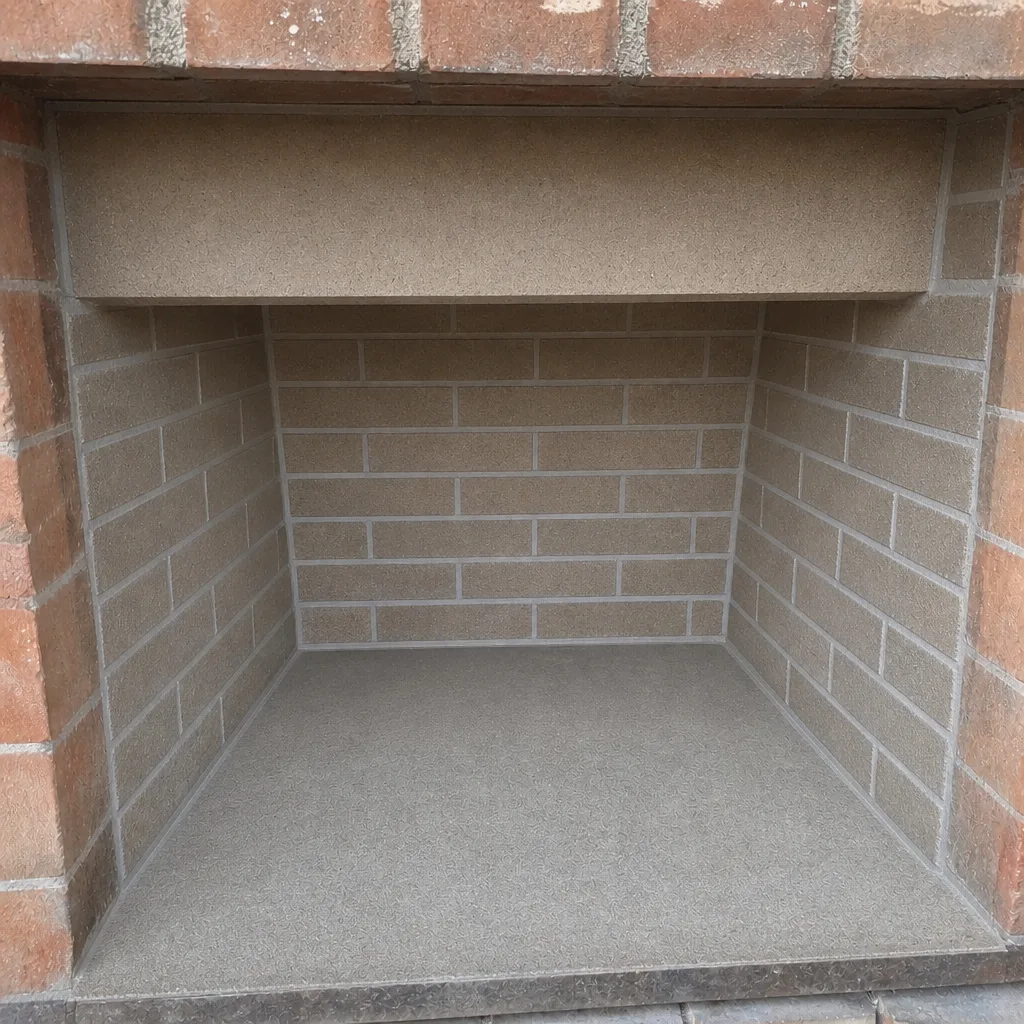
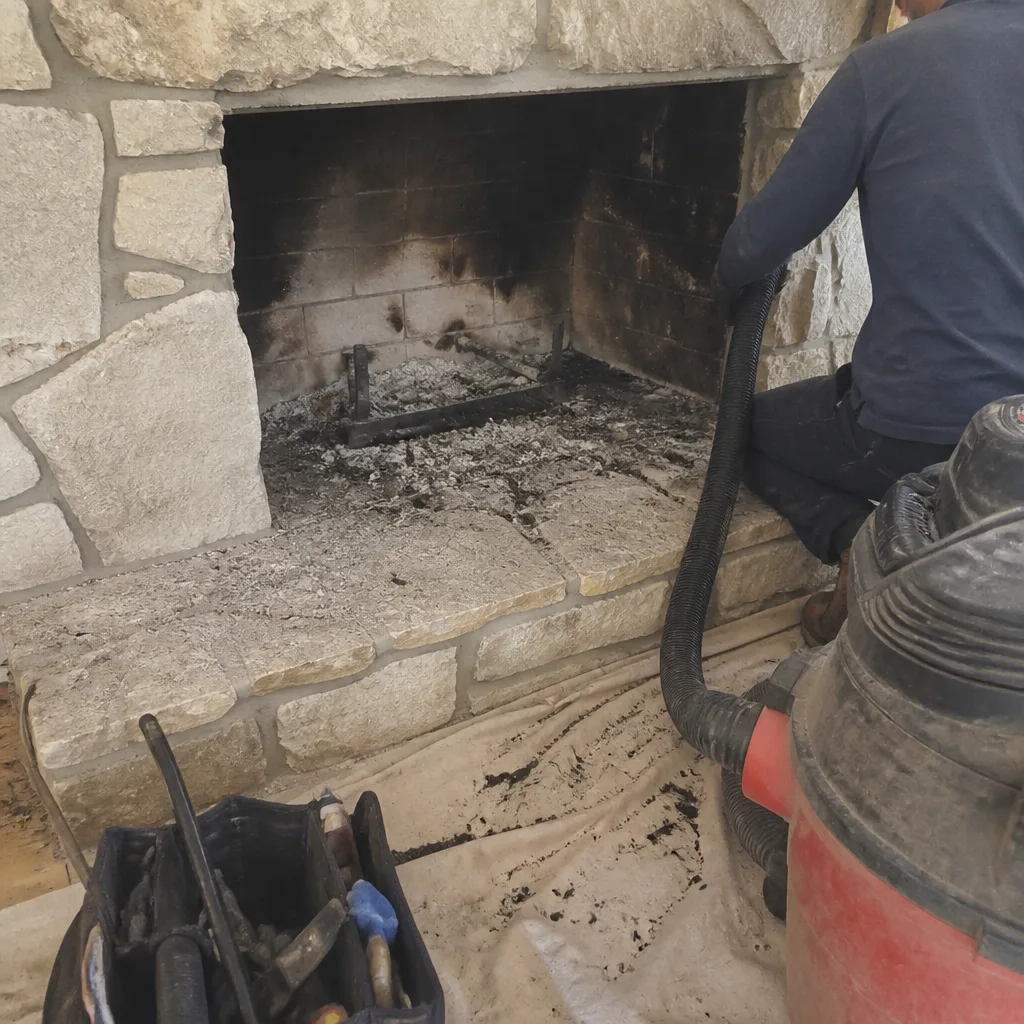
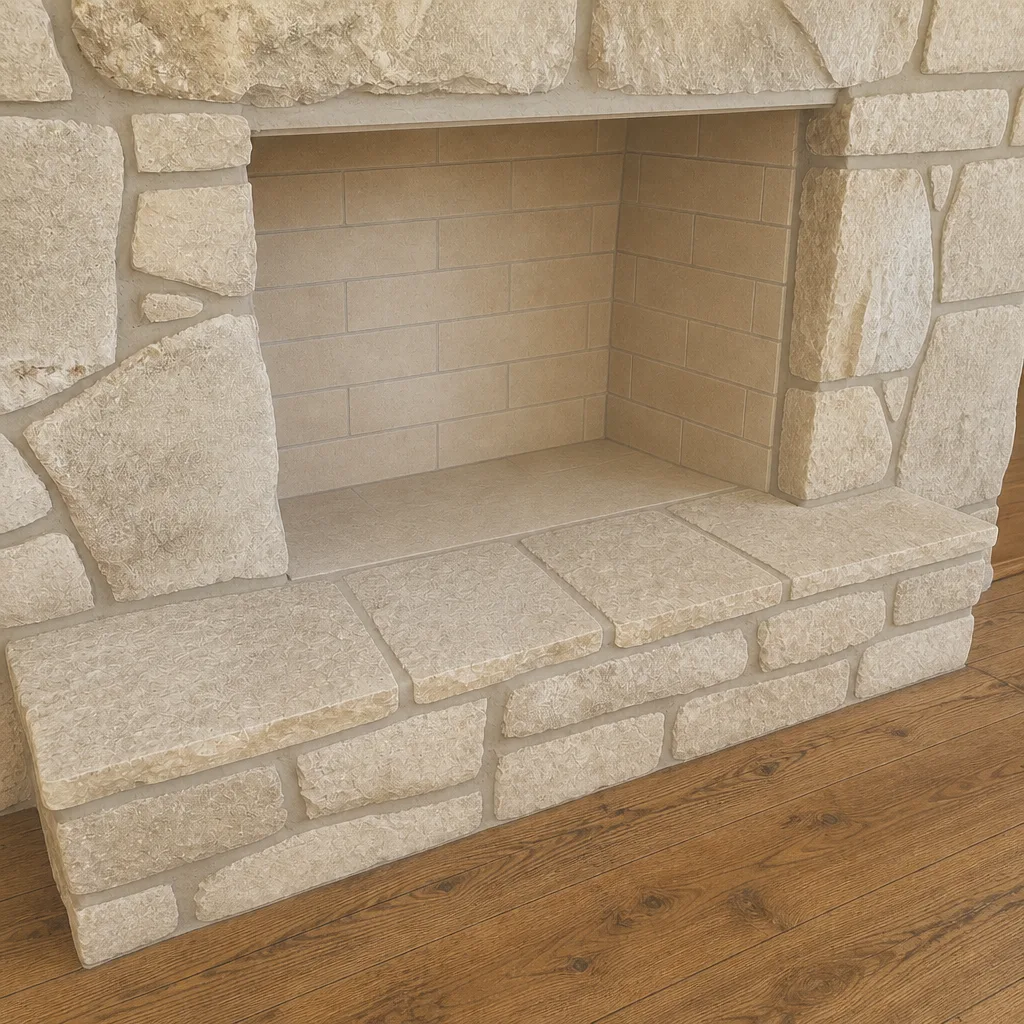
See the difference
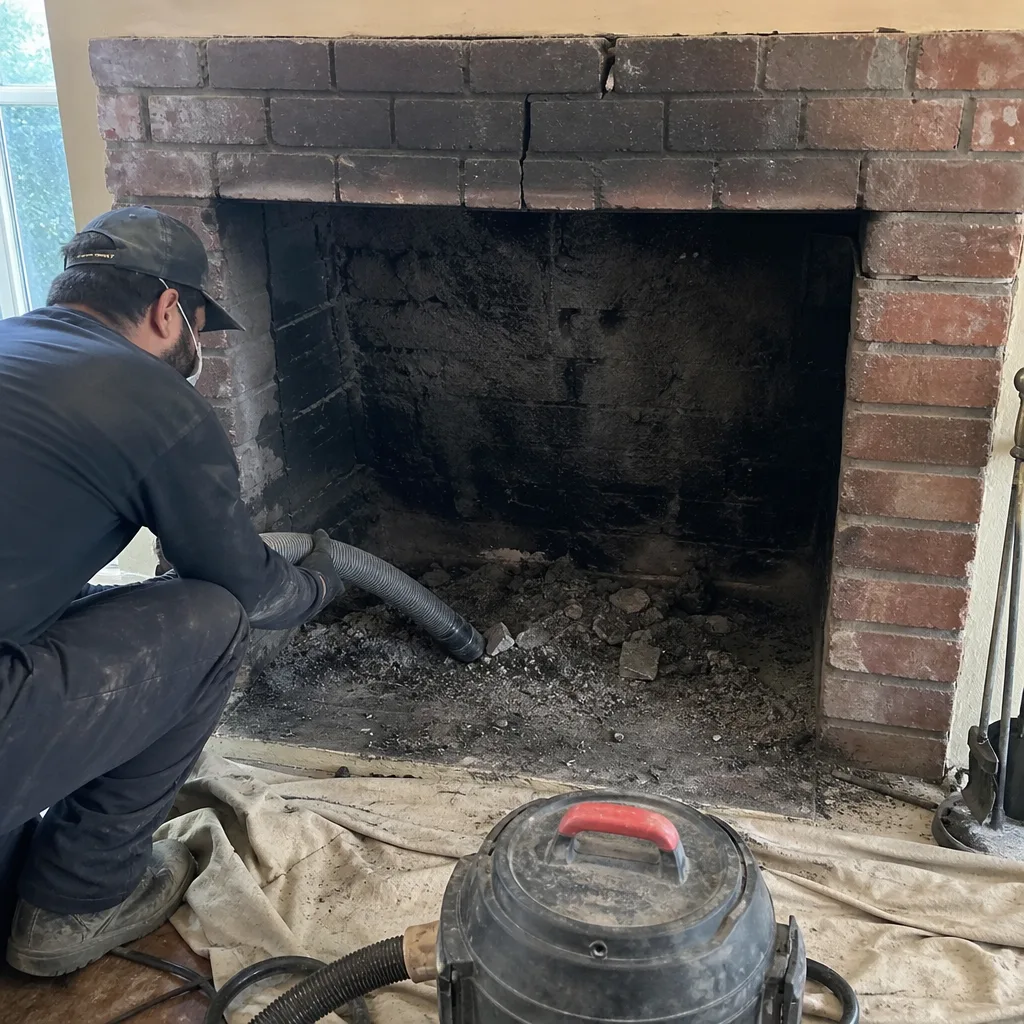 Before
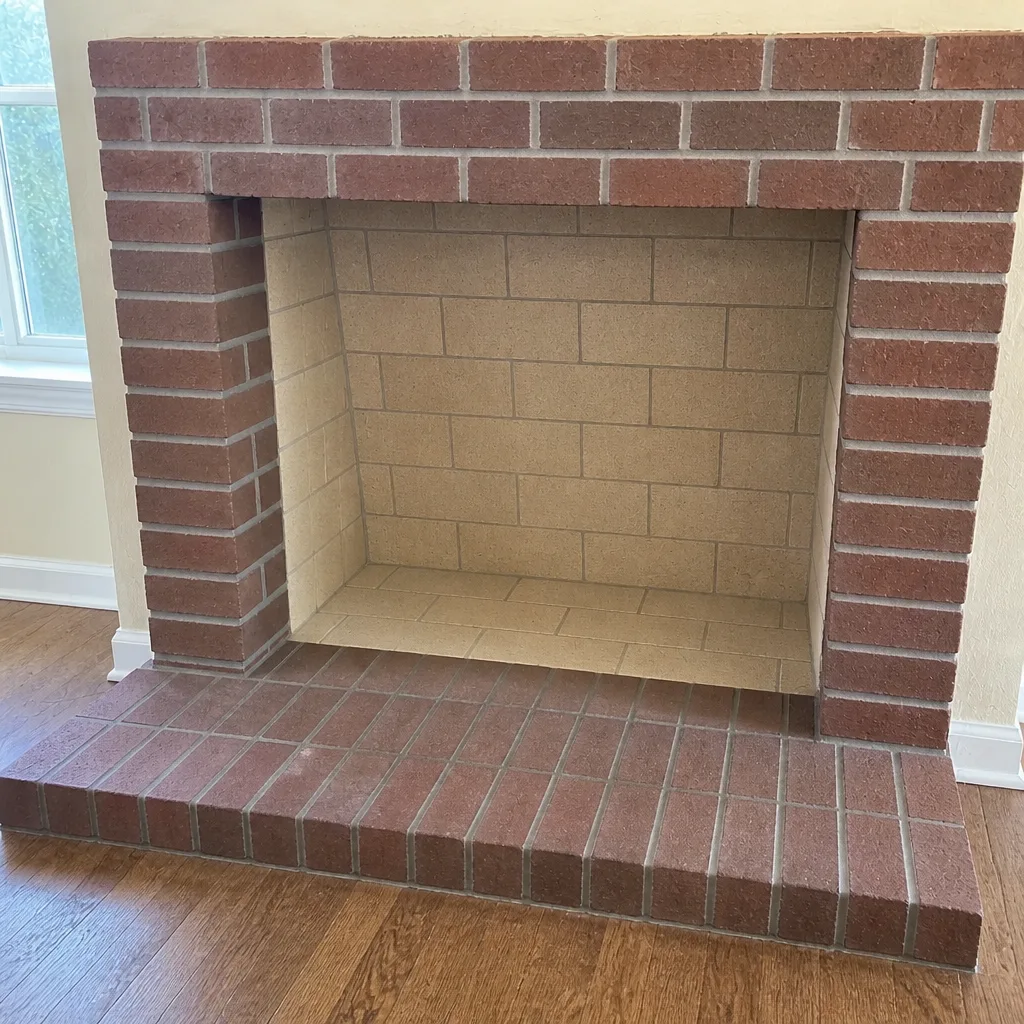 After
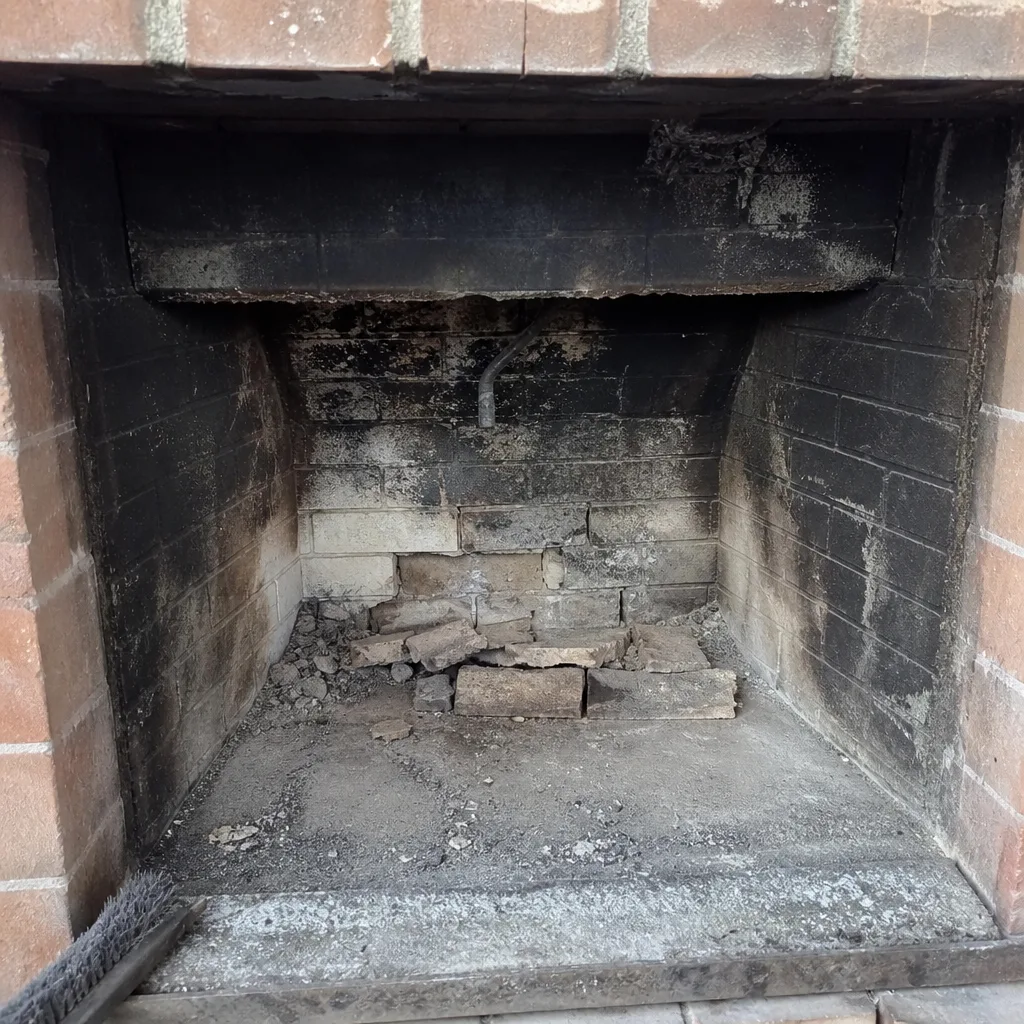 Before
 After
 Before
 After
When to Call a Professional
Call a professional when the work involves more than maintenance. That means a suspected liner defect, a chimney fire (even a small one), an earthquake that shook the flue, a home sale in the near future, a change of appliance, or a repair being recommended that crosses the permit line. It also means any time you’re being asked to sign off on repairs without a written report and photos. Chimney Sweep Santa Maria offers free estimates in Santa Maria – call (866) 389-4535. Our technicians have up to 15 years of experience and work only on chimneys, so the recommendation you get is from someone who inspects chimney systems every day, not a generalist scheduling a chimney job between other trades. We answer 24/7, with fast dispatch from 7am to 7pm, Sunday through Friday.
Frequently Asked Questions
No. Routine chimney cleaning in Santa Maria is considered maintenance and does not require a building permit from the City of Santa Maria or Santa Barbara County. Structural repairs to the chimney, such as a liner replacement or firebox rebuild, generally do. If your sweep recommends work beyond cleaning, ask plainly whether a permit is required for that specific task and which office issues it. Call (866) 389-4535 for an exact quote – estimates are free.
Alterations that change the chimney’s structure or venting trigger a permit under the California Building Code. The short list is full liner installation, firebox reconstruction, hearth or hearth extension changes, chimney height changes, decommissioning a chimney, and converting from wood to gas. Sweeping, inspections, and replacing a cap of the same type generally do not. When you’re unsure, the building department for your address is the correct authority. Call (866) 389-4535 for an exact quote – estimates are free.
A Level 2 chimney inspection is required during a real estate transaction, after a chimney fire or an earthquake, when an appliance is changed or added, or when a Level 1 can’t determine the chimney is safe. It includes a video scan of the flue and a written report with photos. Homeowners preparing to sell in Santa Maria should order one before listing. Call (866) 389-4535 for an exact quote – estimates are free.
A trained chimney professional who follows NFPA 211 and has the camera and reporting tools for the job can perform a Level 2 inspection. The inspection itself doesn’t require a permit, but the repairs it identifies may. Ask for the report in writing with photos, and make sure the technician identifies the inspection level on the document. Call (866) 389-4535 for an exact quote – estimates are free.
When a permit is issued for chimney alterations in Santa Maria, a final inspection by the issuing office is typically required before the permit is closed. That final sign-off is the document that proves the work was done to code and is what a future buyer’s inspector or an insurance adjuster will want to see. Keep the closing paperwork with the rest of your home records. Call (866) 389-4535 for an exact quote – estimates are free.
Keep the dated inspection report with photos, the sweep invoice, any permit sign-off for prior alterations, the manufacturer’s spec sheet for any liner or resurfacing system used, and photos of concealed work from any repair. Those five items cover the most common requests that come up during a home sale or an insurance claim. A written record from the day of the work is worth more than a reconstruction later. Call (866) 389-4535 for an exact quote – estimates are free.
The Bottom Line
Chimney cleaning doesn’t need a permit in Santa Maria. Structural changes to the chimney do. The line between the two is the single most important thing to understand as a homeowner, because it’s the line that determines whether your chimney records hold up at a home sale, an insurance claim, or a code review. Inspection comes first, in writing and with photos. Repairs get a separate scope and a separate permit when they cross the line. Brands like DuraFlex and HeatShield matter because they’re listed systems an inspector can verify, and documentation is what makes the whole record last. Whether you’re buying, selling, or just maintaining a working chimney in Santa Maria, the paperwork is as important as the sweep itself.
Ready to get the record in order or find out whether the repair you’ve been quoted actually needs a permit? Call Chimney Sweep Santa Maria at (866) 389-4535 for a free estimate. We answer 24/7. Fast dispatch from 7am to 7pm, Sunday through Friday. Inspection first, honest recommendations, and the right repair rather than the easiest upsell.
Written by the team at Chimney Sweep Santa Maria.