
Last updated November 15, 2026
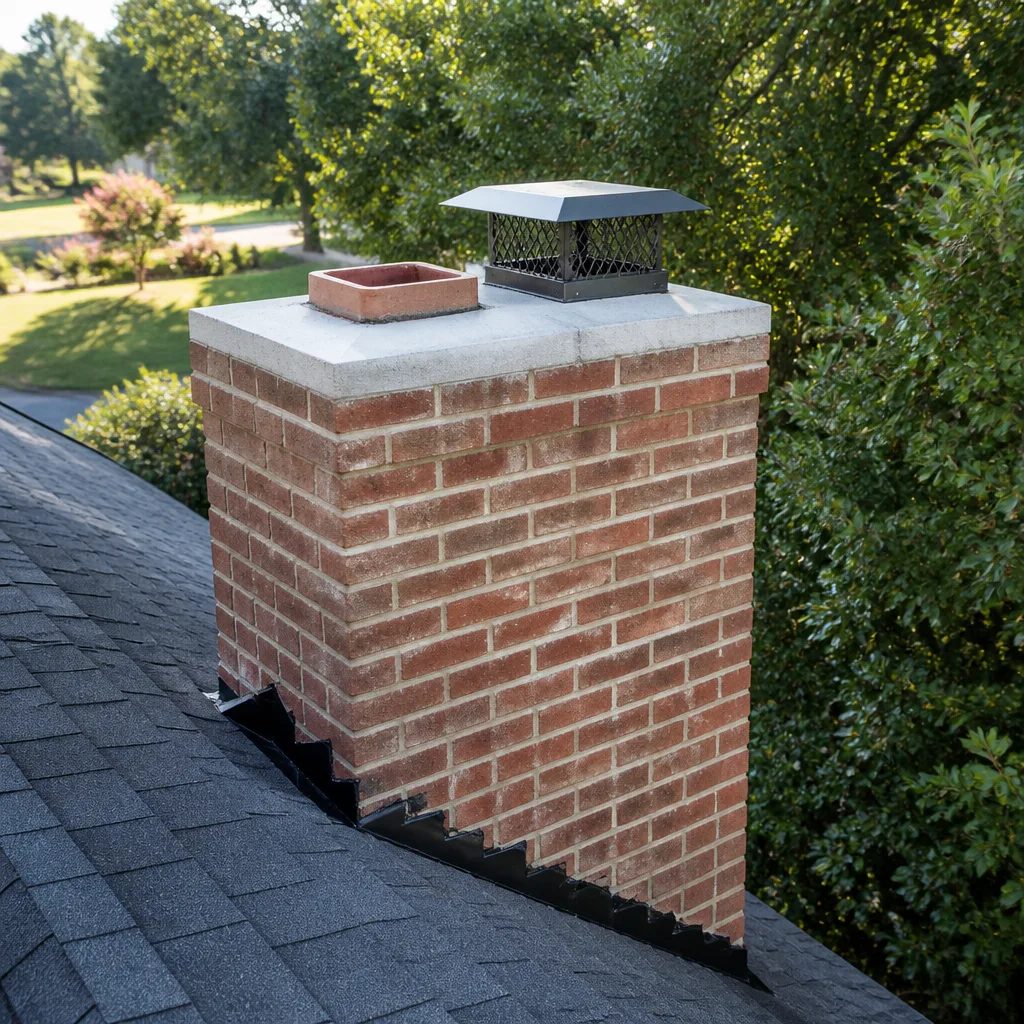 Sweep & inspection
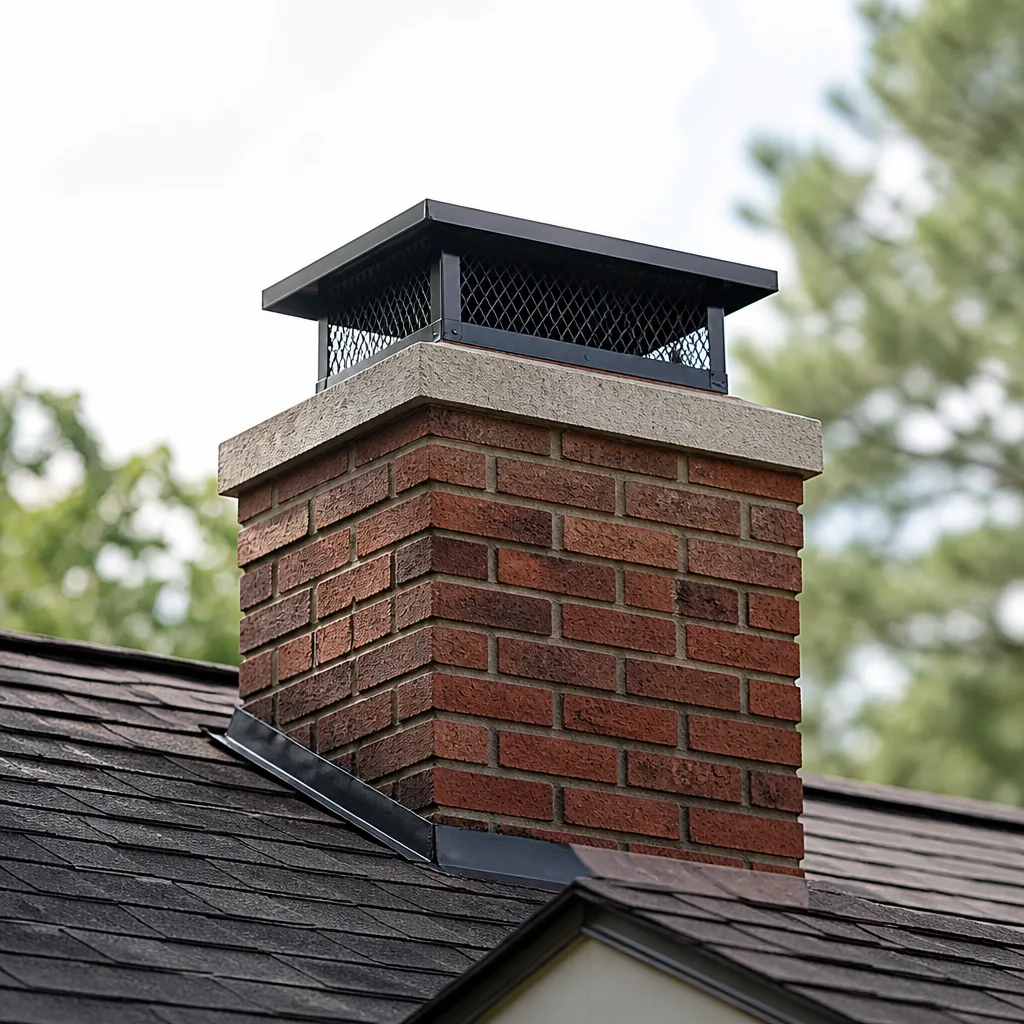 Caps & crowns
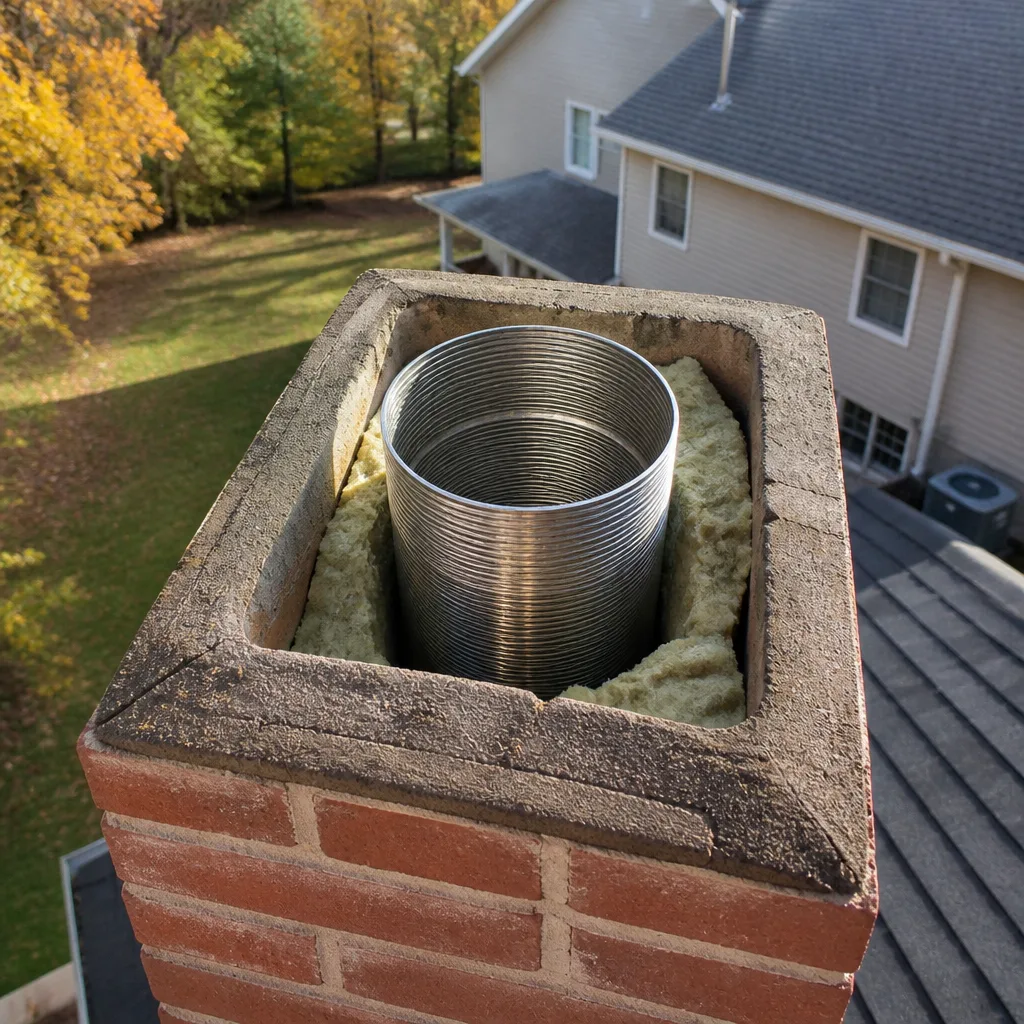 Flue relining
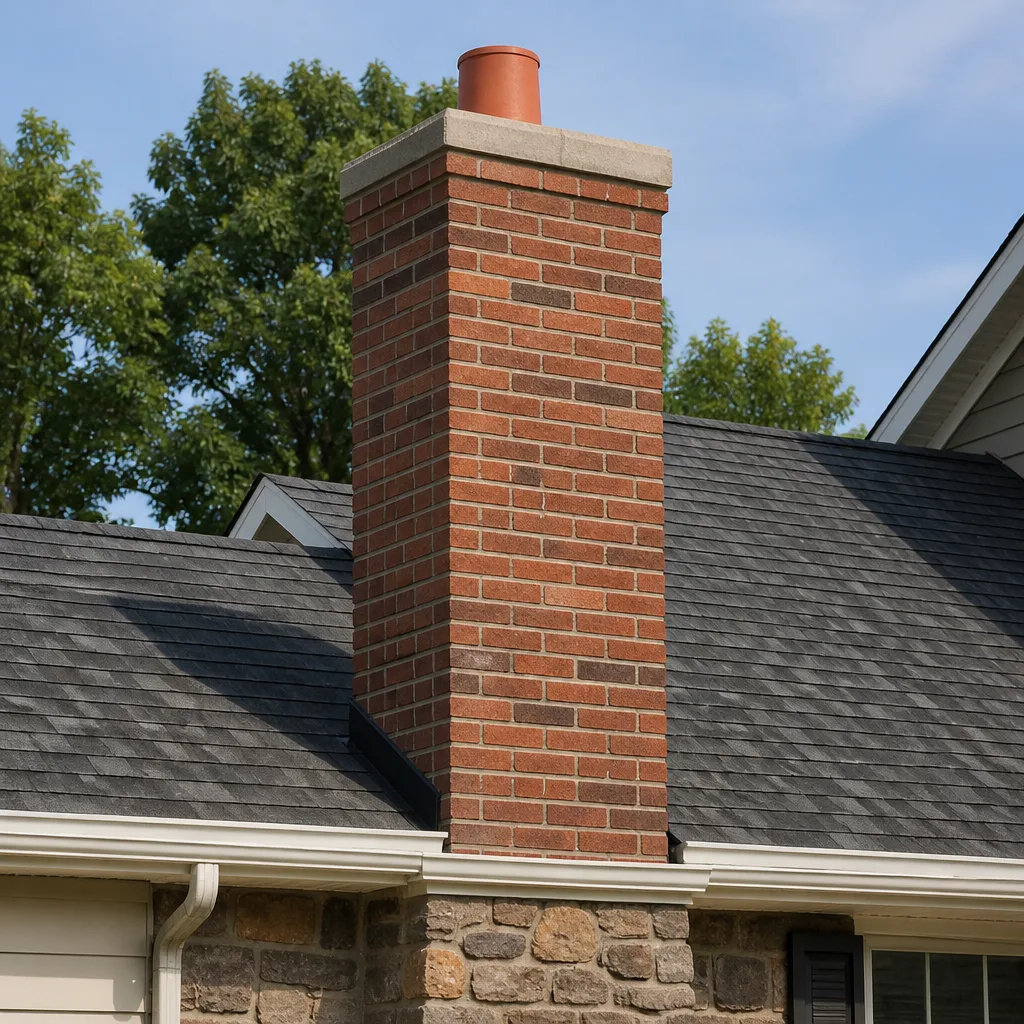 Masonry repair
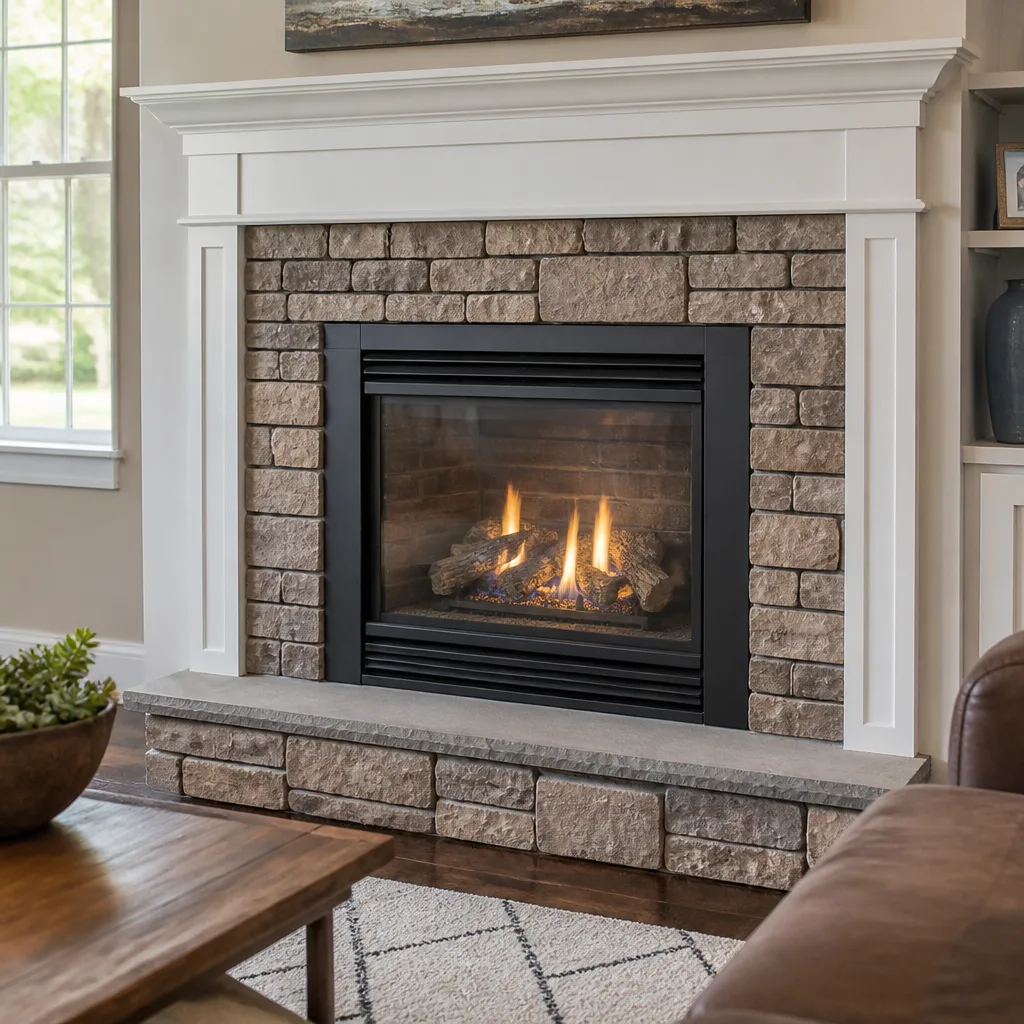 Gas fireplace service
Level 1 sweep and inspection to the NFPA 211 annual standard - flue, crown, cap, and flashing checked and photographed
Chimney sweep logs do not sweep chimneys. They loosen some creosote - which then falls where a brush and vacuum still have to collect it.
Chimney Cleaning Warning Signs: A Santa Maria Homeowner’s Reference Guide
Most chimney warning signs get described as dramatic. Flames where flames shouldn’t be, a room full of smoke, a crash from the roof. In our experience, the signs Santa Maria homeowners actually notice are quieter than that. A fireplace that smells musty in June when it hasn’t been lit since January. A faint white bloom on the firebox brick that wipes off and comes back. Smoke that rolls out on the first fire of the season and then behaves for the rest of winter. These aren’t quirks and they aren’t “just how the fireplace smells.” Each one is a symptom that points to a specific, diagnosable problem. This guide walks through what each sign means, which ones can wait, and which ones mean you call today.
Quick Answer
Chimney warning signs fall into three categories: odor and draft problems, visible damage inside the firebox or on the exterior, and performance changes from one season to the next. Musty or smoky smells during non-use usually point to moisture intrusion, animal intrusion, or negative pressure. Rust streaks, white staining, and spalling brick each point to a different root cause. A chimney that “works fine” can still show signs that predict a liner or masonry failure within one or two seasons, which is why a professional inspection matters more than a working fire. Signs that involve cracked flue tiles, heavy creosote glaze, or smoke entering the room are call-today problems. Signs like a light odor or minor staining are monitor-and-schedule problems.
Styles & brands we work with
- Sweep & inspection
- Caps & crowns
- Flue relining
- Masonry repair
- Gas fireplace service
Table of Contents
- The Cold Fireplace Smell: What It Actually Means
- Visual Warning Signs Inside the Firebox
- Draft Problems Decoded: Rollout, Backdraft, and Puffing
- Why a Chimney That “Works Fine” Can Still Fail
- Monitor-and-Schedule vs. Call-Today
- Creosote Stages and What They Signal
- Exterior and Roofline Clues
- What Santa Maria Conditions Do to a Chimney
The Cold Fireplace Smell: What It Actually Means
A musty, smoky, or sulfur smell coming from a fireplace you haven’t used in months is a diagnostic, not a personality trait. In our experience, homeowners write this off as “that’s just what old fireplaces do,” and it’s one of the most common reasons a chimney problem goes undiagnosed for a season or more. The smell is your chimney telling you something specific, and the type of smell narrows it down fast.
Musty or Damp Earth Smell
This usually means moisture is getting into the flue or the chimney structure and staying there. Water intrusion can come from a failed crown, a missing or degraded rain cap, cracked mortar joints, or a chimney that was never properly flashed at the roofline. Once water is inside, the creosote and soot residue in the flue absorb it and hold it, and what you smell is that damp residue. Left alone, moisture combined with creosote accelerates the breakdown of the flue liner and can soften mortar from the inside out.
Smoky Smell With No Fire
If the fireplace smells like a campfire just went out, but no one has burned wood, the flue is likely holding a heavy layer of creosote and soot that’s off-gassing. This also happens when the chimney is under negative pressure: the house is pulling air down the flue instead of pushing it up. In Santa Maria, a tightly sealed house with an exhaust fan running can create enough negative pressure to bring flue odor into the room.
Sulfur or Rotten Egg Smell
That rotten-egg smell is a different animal. It usually means an animal has gotten into the flue or onto the smoke shelf and died or left droppings, or that a gas appliance is venting improperly. If you have a gas insert or gas log set, a sulfur smell is a call-today situation, because it can signal a venting or combustion problem. Do not run the appliance until a professional has looked at it.
What You Can Check
- Open the damper and shine a flashlight up the flue. You’re looking for light coming through the top (a good sign there’s a cap with a screen), visible nesting material, or heavy black buildup on the walls.
- Check whether the smell is stronger on windy days or on calm days. Windy-day smells point to pressure and cap issues; calm-day smells point to creosote or moisture.
- Look at the firebox floor and the smoke shelf for droppings, twigs, or debris. That’s a sign of animals.
- Note whether the smell predates or follows a rainstorm. Rain-linked smell points to a leak.
If the smell is musty and rain-linked, get it scheduled. If it’s a sulfur smell on a gas appliance, call now. For a full chimney sweep and inspection, the point of the visit is to find the source, not just to clean out the symptom.
Visual Warning Signs Inside the Firebox
The firebox is the one part of your chimney you can inspect yourself, and the signs you find there are among the most useful diagnostic clues a homeowner has. Each pattern points to a different root cause. Look with a flashlight, a mirror, and a phone camera. You don’t need to touch anything hot, and you don’t need to climb onto the roof. Everything here is visible from the hearth.
Rust Streaks and Orange Staining
Rust streaks on the firebox, damper, or metal components point to moisture. It’s that simple, and it’s one of the most reliable signals a chimney can give you. When water gets into the flue and runs down, it meets the metal parts and starts the rust process. Rust on a damper assembly often precedes a damper that seizes open or closed, which is itself a draft and safety problem. Rust streaks higher up the firebox, near the throat, usually mean water is coming from above and running down the inside of the flue.
White Staining on Brick
A white, chalky bloom on brick or mortar is called efflorescence. It’s a sign of moisture moving through the masonry and evaporating on the surface, leaving mineral deposits behind. In Santa Maria, where the air is generally dry, efflorescence on a firebox is a strong signal that water is entering somewhere it shouldn’t. It can be minor (a bit of condensation following a wet winter) or it can mean a failing crown, flashing, or mortar joint. You can’t diagnose which by looking at the white stain alone, but you can diagnose that there is moisture movement happening.
Spalling Brick and Crumbling Mortar
Spalling is when the face of a brick flakes off or a brick crumbles at the edge. It’s what happens when brick goes through repeated wetting and drying, or when it’s exposed to too much heat for too long. Spalling firebox brick is a call-today sign, because it can point to a dangerous loss of structural integrity in the firebox itself. Crumbling mortar joints inside the firebox are similar: small erosion is normal, deep erosion means heat and moisture are getting where they shouldn’t be.
Cracks and Gaps
Look at the smoke chamber above the damper, too. Any crack in the firebox walls, the damper frame, or the smoke chamber can leak combustion gases into the house. Hairline cracks are common but should be evaluated. Wider gaps or cracks that let you see daylight through a joint are a call-today issue.
Creosote Glaze
If the flue walls show black, shiny, tar-like buildup, that’s glazed creosote, and it’s the most dangerous kind. It’s also the hardest to sweep out. A glazed flue is a call-today situation, because that glaze is the fuel load for a chimney fire. For a full inspection of the firebox and flue, the visit is quick and the report is specific. A proper chimney repair may involve resurfacing with HeatShield or relining with DuraFlex, and the inspection will tell you which.
Draft Problems Decoded: Rollout, Backdraft, and Puffing
Draft complaints get lumped together as “the fireplace smokes,” but three different behaviors point to three different root causes. Getting the distinction right matters, because a fireplace that smokes on startup has a very different problem from one that puffs intermittently all evening.
Smoke Rollout on Startup
Smoke that rolls out into the room when you first light a fire, then settles once the fire is established, is a startup draft issue. The flue is cold and hasn’t established an upward pull yet. Common causes include a flue that’s too short for the firebox opening, an oversized firebox, a house that’s running negative pressure from an exhaust fan, or a fire that’s too small and slow to warm the flue. Rollout on startup is annoying but usually a monitor-and-schedule problem if it happens only occasionally on first light. If it’s happening every fire, it’s worth investigating because repeated small rollouts add creosote and smoke residue to the room.
Chronic Backdraft
Backdraft is persistent: smoke comes back into the room even after the fire is well-established. It points to a serious draft or pressure problem, likely a flue that’s blocked, undersized, damaged, or a house that’s pulling harder than the chimney can push. A chimney that backdrafts can push carbon monoxide into the living space, especially with a gas appliance. Chronic backdraft is a call-today situation.
Intermittent Puffing
Puffing looks like a pulse: smoke puffs in and out at intervals. This often points to a flue obstruction (a bird nest, a collapsed tile, a fallen cap), or a flue that’s just barely on the edge of adequate for the firebox size. Intermittent puffing is a monitor-and-schedule problem, because it can become chronic backdraft with a small change in weather or blockage.
How to Tell Them Apart
- Note when it happens: at light-up, throughout the fire, or in a rhythm.
- Note whether it gets better or worse when windows are open elsewhere in the house.
- Note whether it’s smoke only or whether the smoke smells like gas.
- Note whether any fuel-burning appliance (gas insert, furnace, water heater) is running while the fire is lit.
Bring those notes to your inspector. It’s the difference between a quick fix and a long, frustrating diagnosis process. In our experience, draft complaints are the most commonly misdiagnosed chimney issue, in Santa Maria and elsewhere.
Why a Chimney That “Works Fine” Can Still Fail
“It works fine” is the most common thing a homeowner says to us at the start of an inspection. It’s also one of the most misleading things a chimney can do. A chimney can function normally right up until it doesn’t, and the warning signs are usually present for a season or two before the failure.
Here’s why. A chimney doesn’t fail all at once. It fails one joint, one tile, one section of liner at a time, and the fire keeps working because the fire is most of the way up the flue even when the flue is partly compromised. The visible flame doesn’t care if the last foot of the clay tile is cracked. It cares whether the pull is adequate and there’s enough air. So you can have a cracked flue tile, a failed mortar joint, or a slightly dislocated liner section and still enjoy a fire that looks and feels normal. The failure shows up as a fire, a leak, or a carbon monoxide event that happened on a day the conditions were just right.
What Predicts a Failure Within a Season or Two
- Cracked or missing flue tiles visible on camera inspection, even if the fire is working.
- Glazed creosote that hasn’t reached ignition point yet.
- Mortar joint erosion in the firebox or smoke chamber.
- A rusted or seized damper that still technically opens.
- A chimney crown with a crack, even a small one, that’s letting water into the structure.
- Spalling brick on the exterior that hasn’t yet let water inside.
None of those things restrict airflow enough to change the fire. All of them are the setup for the fire, the leak, or the CO call. The day the conditions line up (cold snap, low pressure, one extra bit of creosote), they combine. That’s why we recommend a professional inspection on a set schedule rather than waiting for symptoms. It’s why we do the inspection first on nearly every job: the fire is not the diagnostic. The camera and the firebox are.
Monitor-and-Schedule vs. Call-Today
Not every warning sign is an emergency, and treating them all like emergencies is just as unhelpful as ignoring all of them. Here’s how we sort them.
Call Today
- Any smoke entering the room during a fire. Particularly if it’s persistent or you can’t fix it by opening a window.
- Glazed creosote visible in the flue. That’s a chimney fire waiting for the right conditions.
- Spalling brick, deep firebox cracks, or gaps you can see daylight through. Structural integrity.
- Sulfur or rotten-egg smell with a gas appliance. Possible venting or combustion problem.
- A chimney that’s been through a chimney fire (a roar, a vibration, a sudden smell, or blackened edges around the pipe). Even if it “settled down.”
- Carbon monoxide alarm activation. Get out, call the gas company, then get the chimney inspected before using the appliance again.
Monitor and Schedule
- Musty smell in non-use season. Document it and book an inspection in the next few weeks.
- White staining on the firebox or exterior brick. Means moisture is moving. Book an inspection with the sweeps.
- Occasional smoke rollout on startup. Worth a note; schedule an inspection before the next season.
- Intermittent puffing. Same.
- Rust on the damper or firebox hardware. Schedule and check the damper function.
- Heavy soot or soot on the glass of a gas insert. Schedule a cleaning.
If you’re not sure which column a sign belongs in, that’s a good sign to call. We answer the phone for exactly that question.
Creosote Stages and What They Signal
Creosote is the byproduct of incomplete combustion, and its form tells you almost everything you need to know about the flue’s condition. It builds in stages, and each stage corresponds to a different fire risk and a different cleaning or repair plan.
Stage 1: Soot and Flaky Creosote
This is the light, gray-black, flaky material you can brush out. It accumulates fastest with smoky fires, poorly seasoned wood, or a fire that’s run too cold. Stage 1 is the normal byproduct of a working chimney. It usually means the chimney is due for a sweep but the flue is structurally fine.
Stage 2: Crumbly or Brittle Creosote
This is a denser, darker layer that can be scraped off but not easily brushed. Stage 2 has significant fuel value and is what most sweeps find when a chimney hasn’t been swept on schedule. It’s a sign the flue is getting closer to a risk state.
Stage 3: Glazed Creosote
Stage 3 shows as a shiny, tar-like glaze on the flue walls. It’s the highest-risk form because it’s dense, hard to remove with brushing alone, and it’s what burns in a chimney fire. A glazed flue is a call-today situation. Depending on the condition of the flue underneath, the plan could involve mechanical sweeping, chemical treatment, or resurfacing. This is where the professional brands come in: HeatShield is the system we use to resurface a chimney and restore the liner surface when the creosote has damaged it. Gelco, Olympia Chimney, and Famco products also come into play on the repair side, depending on the specific condition. The right repair here is not the easiest one; it’s the one that fits the flue in front of us.
What Drives Creosote Buildup
- Unseasoned or wet wood: more smoke, faster buildup.
- Smouldering, low-air fires over a long period.
- Oversized fireboxes with small fires in them (cool flue, more condensation).
- Restricted flue flow, from partial obstruction or a flue that’s too short.
- Burning softwoods with a high moisture content.
Exterior and Roofline Clues
You don’t have to climb a ladder to read most of the exterior signs, and you shouldn’t, because falls from roofs are one of the most common home-injury events in this trade. Use binoculars from the yard. Here’s what to look for.
Crown Condition
The crown is the concrete or stone cap on top of the chimney. A crack, a separation from the flue, or a crown that’s missing pieces means water is going in. This is one of the most common causes of the smells and stains described in the sections above. A crown in good shape sheds water; a crown with an open crack doesn’t.
Rain Cap and Spark Arrestor
A missing, rusted, or blocked cap lets everything from rain to birds into your flue. That’s the source of many animal-intrusion smells and a common cause of intermittent puffing. If the cap is missing entirely, that’s a schedule-it-now issue, not a today issue, unless the flue has already taken on water.
Flashing and Roof Junction
Where the chimney meets the roof, the flashing has to be intact. Lifted, cracked, or missing flashing is a water intrusion path and shows up as damp stains on the ceiling or the chimney breast inside the house. From the yard, look for a clean line where the roof and chimney meet; visible gaps or a piece of flashing sitting up instead of lying flat is a reason to schedule.
Mortar Joints and Brick Face
Look at the chimney from the ground. Are the mortar joints recessed or missing in places? Is the brick face flaking anywhere? That’s a rain-and-thermal cycle issue over time, and it doesn’t fix itself. In Santa Maria, where the masonry goes through hot dry summers and cool wet winters, exterior mortar joints can take a lot of wear.
Stains on the Chimney or Siding
Damp stains or dark streaks on the chimney or on the siding near it are a sign of moisture. Don’t assume they’re cosmetic. They’re the exterior version of the white staining inside the firebox.
What Santa Maria Conditions Do to a Chimney
Chimney problems look the same everywhere in general, but the specifics can vary. Here’s what we see in Santa Maria and the surrounding neighborhoods that’s worth knowing if you’re trying to read your own chimney’s signs.
The climate here is dry for much of the year, with a wet season that can deliver steady rain. For a masonry chimney, that’s a pattern of large wet-to-dry swings. Water gets in during the rainy months, the chimney dries out during the summer, and the cycle repeats. That’s the mechanism behind efflorescence, mortar erosion, and crown damage. A chimney that shows white staining or a cracked crown in Santa Maria is often showing the accumulated effect of those cycles rather than a single event.
The other factor is the way houses are used. A fireplace that’s been idle all summer can be the source of that cold-season smell described earlier, especially if the house is tightly sealed and there’s a negative pressure condition from any exhaust fan. And with the range of homes across Santa Maria, from older masonry chimneys in established neighborhoods to newer construction with gas inserts and factory-built fireplaces, the signs and the diagnoses differ by chimney type. A gas insert, for instance, has a different warning-sign profile from a masonry fireplace: soot on the glass, lazy burner flame, and unusual smells are more relevant than creosote stages.
What doesn’t vary is the value of an inspection that happens before you notice the problem. A sweep and inspection in Santa Maria, done by someone who works on chimneys every day, is the closest thing to a diagnostic you can get. The technicians who do this work have up to 15 years of experience, and the tools involved (camera inspection, moisture readings, visual inspection of the firebox) catch most of the warning signs described in this guide before they become a fire or a repair. If you’re looking for a professional in the area, this Santa Maria guide is a starting point, and the team at Chimney Sweep Santa Maria does this kind of inspection as a routine part of the work.
Common Mistakes to Avoid
- Assuming “it works fine” means “it’s fine.” A working fire is not a diagnostic. The flue condition is. Get it inspected on a schedule and let the camera do the diagnosis.
- Writing off the cold-season smell as “just how fireplaces smell.” A musty or smoky smell in June is a signal, not a quirk. It’s how most moisture intrusion and negative pressure problems get found.
- Burning wet or unseasoned wood to save a few dollars on a cord. Wet wood drives creosote accumulation faster than any other variable in a wood-burning system, and it costs more in chimney maintenance than it saves on fuel.
- Sweeping the chimney but skipping the inspection. A sweep cleans the flue; it doesn’t always diagnose the structure. These are two different jobs and both matter, which is why we do them together.
- Hiring a generalist and calling it a chimney job. In our experience, chimney work done as a side service tends to miss the signs that a chimney-only specialist looks for. The firebox, the crown, the smoke chamber, and the flue liner all need to be read together.
- Ignoring a cracked crown or efflorescence on the assumption it’s cosmetic. It’s the beginning of the water intrusion cycle that causes the bigger repairs later.
- Procrastinating on a glazed flue. Stage 3 creosote is the actual fuel of a chimney fire. If it’s visible, it’s a call-today item, not a next-season item.
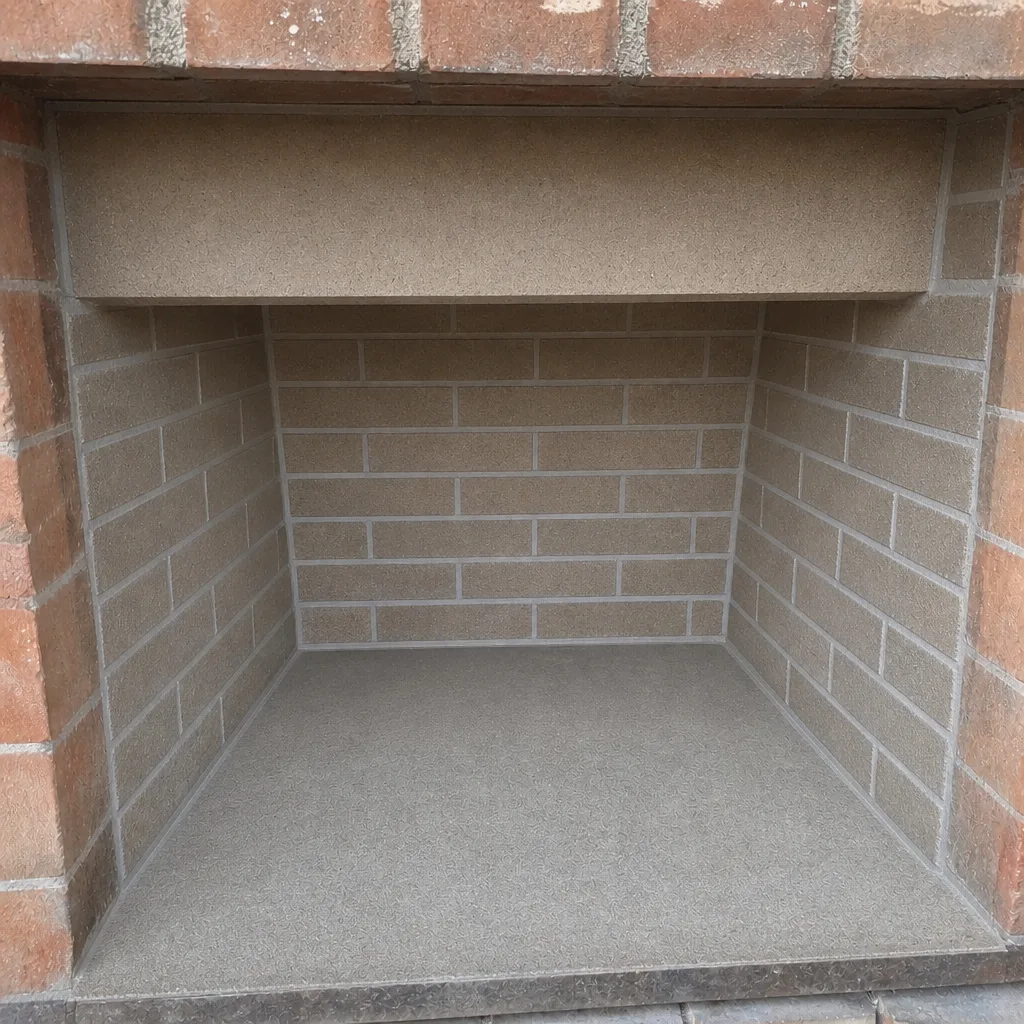
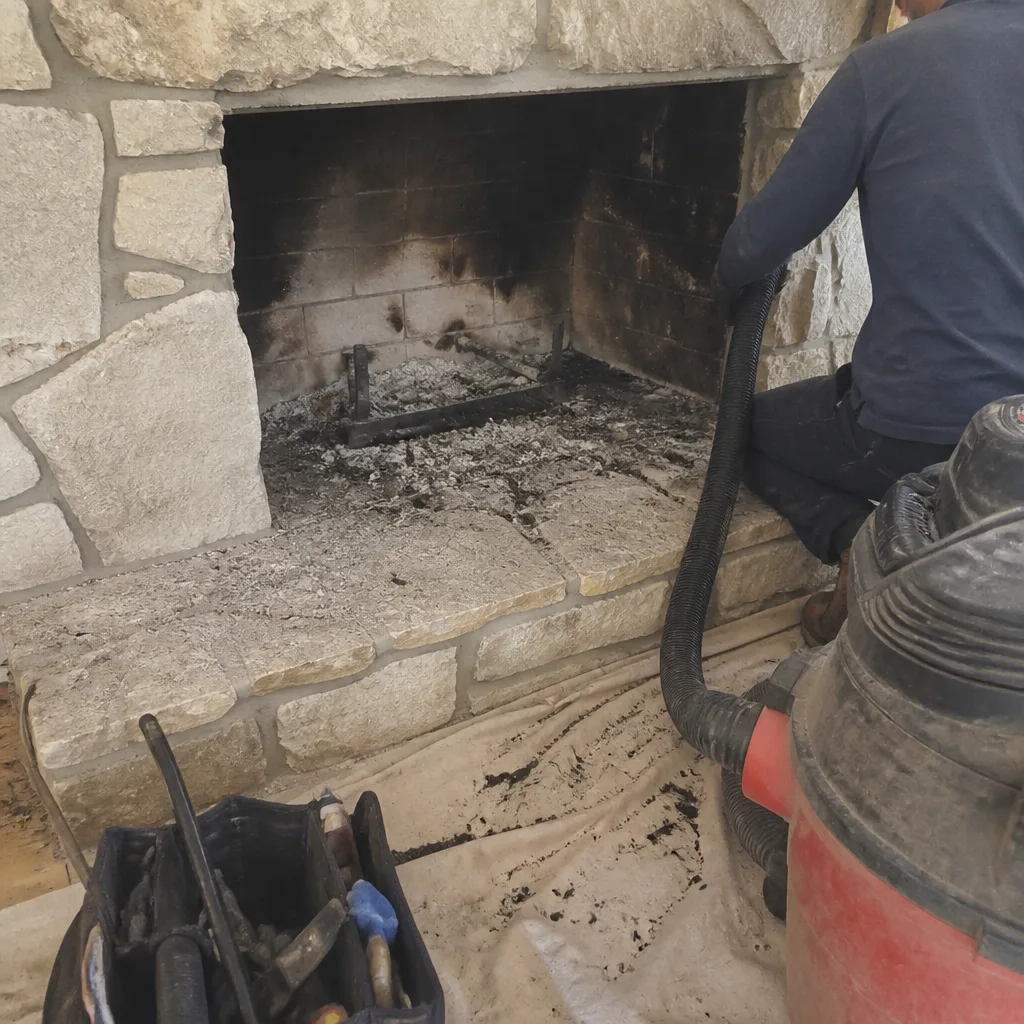
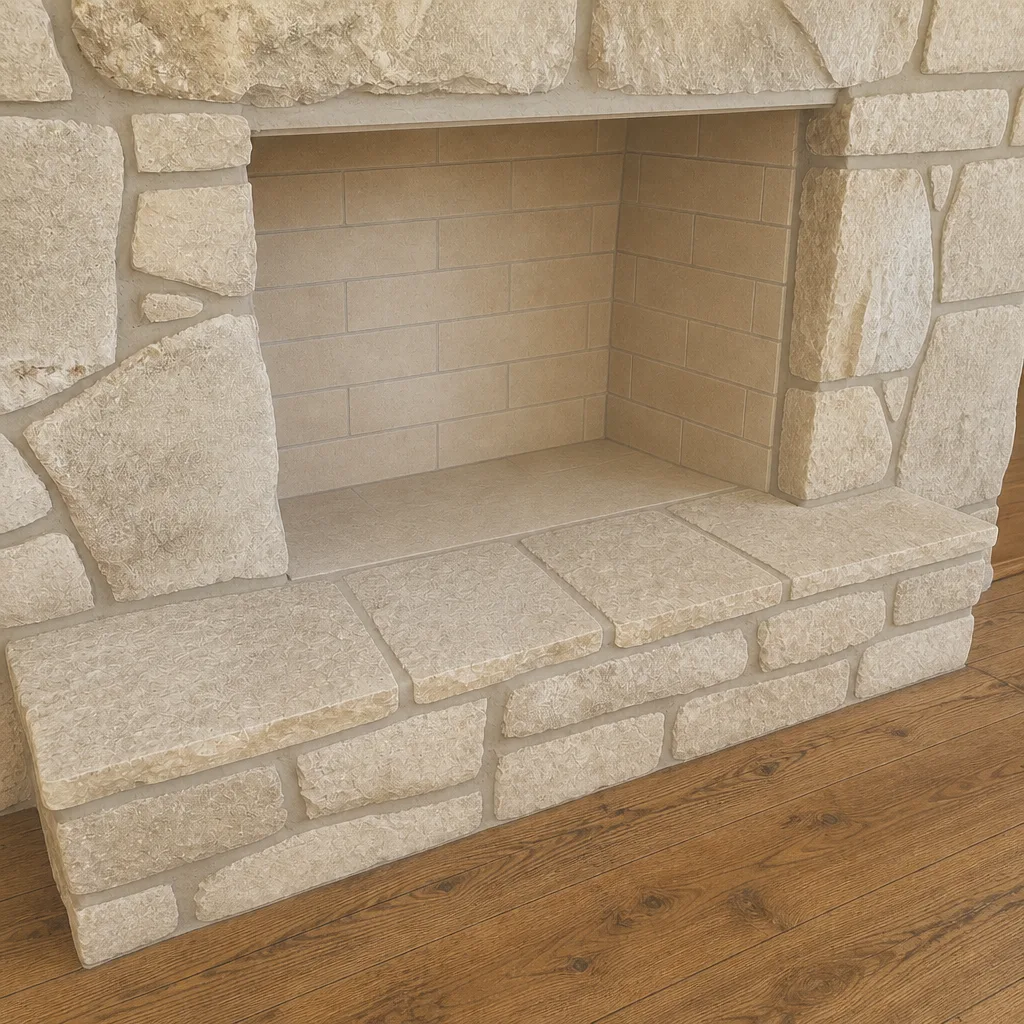
See the difference
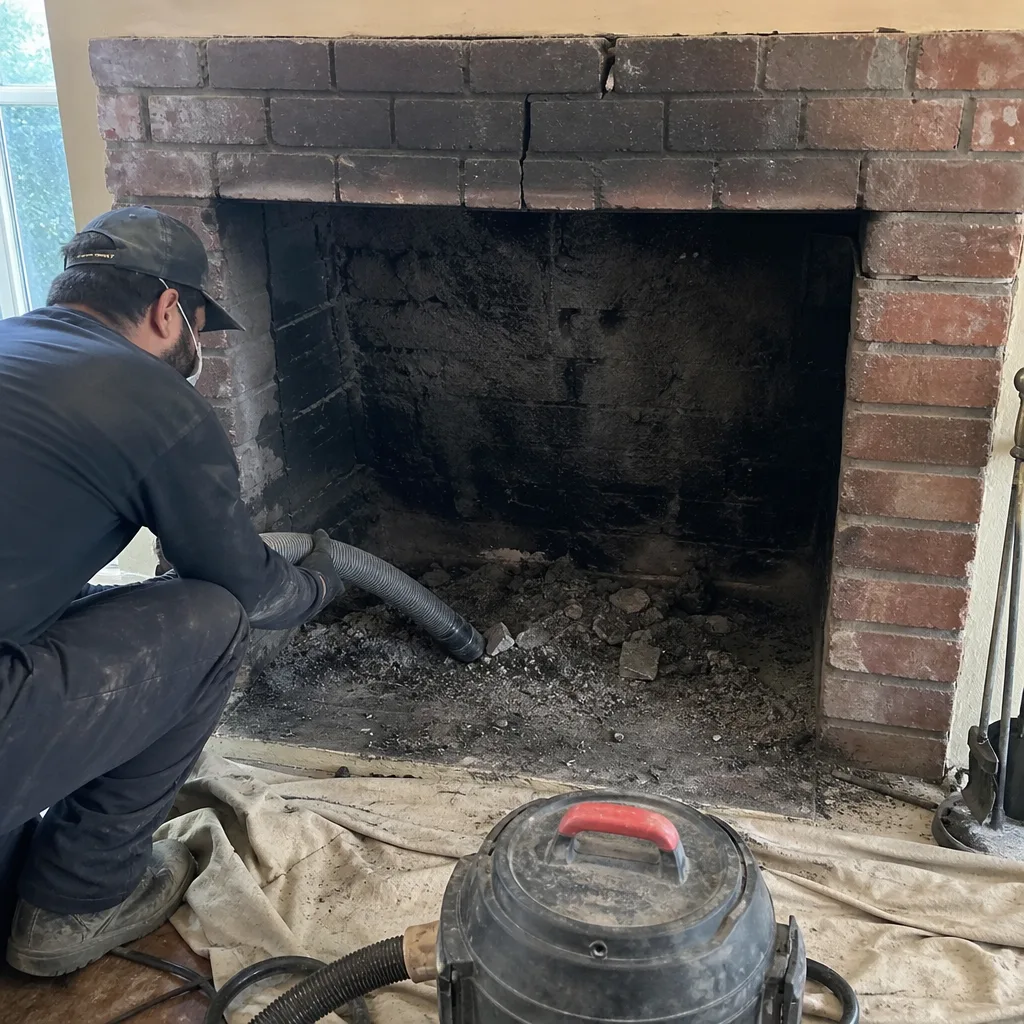 Before
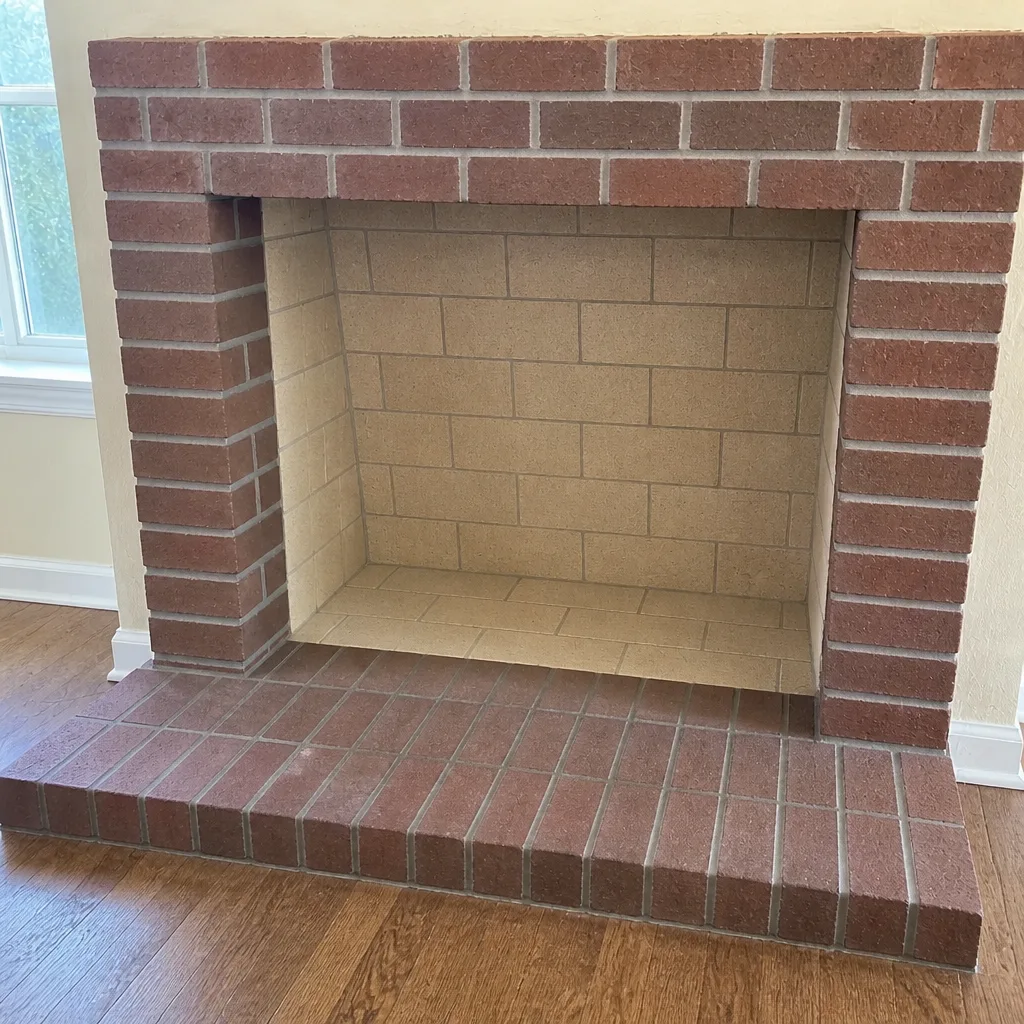 After
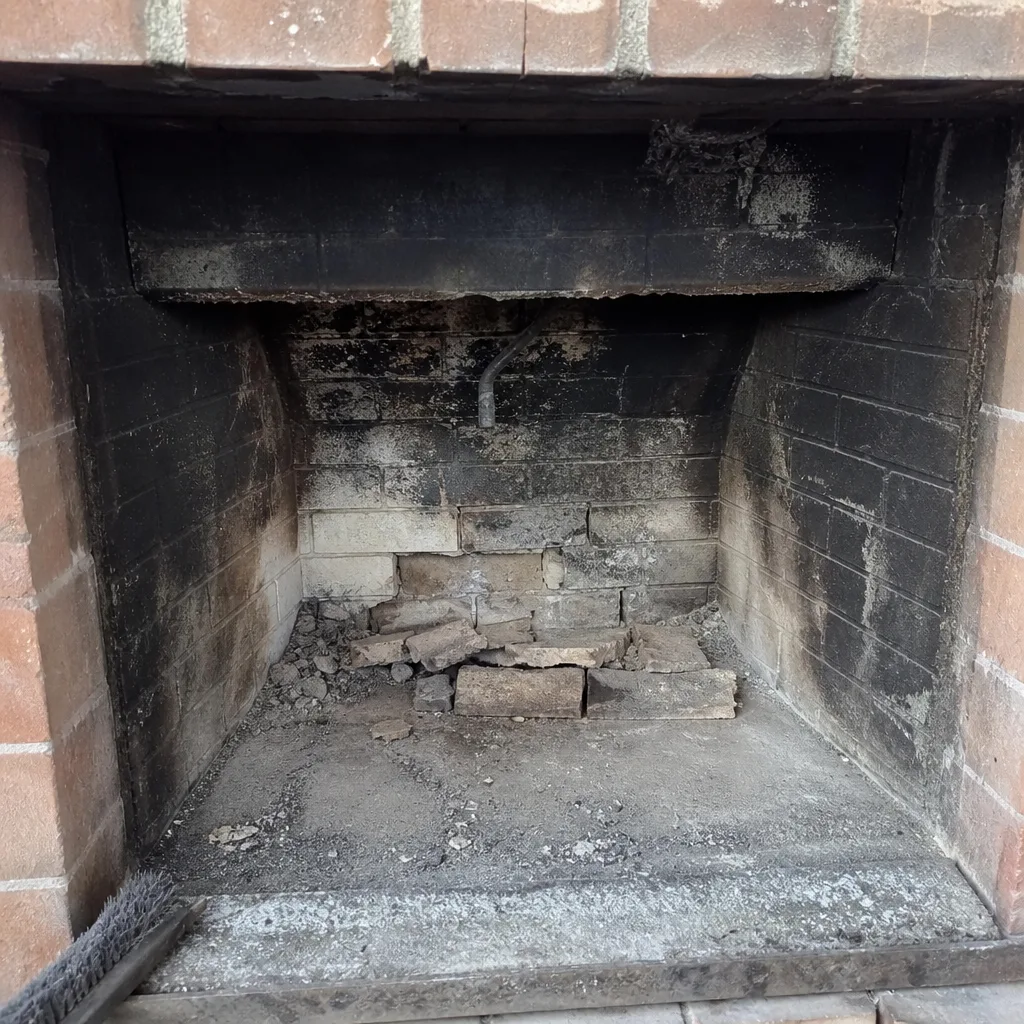 Before
 After
 Before
 After
When to Call a Professional
Call when the sign is on the call-today list, when you’re not sure which column a sign belongs in, or when you’re scheduling your routine inspection. We recommend a professional inspection before the burning season starts, which for Santa Maria homeowners usually means late summer or early fall. We also recommend it after any event that could have stressed the chimney: a chimney fire, a severe storm that dislodged a cap, a smell you can’t explain, or a change in your fire’s behavior. There’s no DIY version of a camera inspection, and there’s no substitute for it.
Chimney Sweep Santa Maria offers free estimates in Santa Maria. Call (866) 389-4535. We answer 24/7. Fast dispatch from 7am to 7pm, Sunday through Friday. The estimate is free and the price is set per job by the written estimate.
Frequently Asked Questions
Once a year for most wood-burning fireplaces, and more often if you burn frequently or notice creosote buildup on inspection. The industry-standard rule is an annual inspection, with a sweep when the buildup warrants it. Santa Maria’s dry season gives you a natural window to schedule before the first cool-weather fires. Call (866) 389-4535 for an exact quote; estimates are free.
It usually means moisture is getting into the flue or the structure and combining with creosote residue. Common sources include a cracked crown, missing rain cap, failed flashing, or mortar joints that have opened up. The smell is the symptom; the inspection finds the source. Call (866) 389-4535 for an exact quote; estimates are free.
Yes, and that’s exactly why we recommend inspections on a schedule. A working fire means the draft is adequate and the fire is burning; it doesn’t mean the flue tiles, crown, or mortar joints are intact. Cracked flue tiles, glazed creosote, and crown damage can all be present while the fireplace performs normally. Call (866) 389-4535 for an exact quote; estimates are free.
Rollout on startup is smoke that comes into the room when the fire is first lit, then settles. Backdraft is persistent: smoke comes back into the room even after the fire is established. Rollout on startup is usually a monitor-and-schedule problem; chronic backdraft is a call-today problem because it can push combustion gases into the living space. Call (866) 389-4535 for an exact quote; estimates are free.
Yes. Glazed creosote (Stage 3) is the densest and most combustible form of creosote, and it’s the most common fuel load in a chimney fire. If you can see a shiny, tar-like coating on the flue walls, the chimney needs professional attention before the next fire. Call (866) 389-4535 for an exact quote; estimates are free.
A sweep is a cleaning of the flue; an inspection is a diagnosis of the chimney’s condition. They’re separate jobs and both matter. We do the inspection first on nearly every job, because the findings determine whether the sweep is enough or whether a repair is needed. Call (866) 389-4535 for an exact quote; estimates are free.
The Bottom Line
Most chimney warning signs aren’t dramatic. They’re smells during non-use, white staining on brick, rust on the damper, smoke that rolls out once and then behaves. A working fire doesn’t rule out a failing flue, and the signs you can see from the hearth predict the problems that show up later. Read them as diagnostics, not quirks. Get an inspection on a schedule, get a sweep when the buildup warrants it, and treat the call-today list as a list you take seriously. If something on this list sounds like your chimney, call us. Chimney Sweep Santa Maria handles chimney repair and inspection as a matter of routine, and every technician on the job is a chimney specialist, not a generalist filling a schedule gap. We work with professional-grade brands like HeatShield, DuraFlex, Gelco, Olympia Chimney, Famco, and Copperfield, and we’ll tell you plainly when work can safely wait.
Call (866) 389-4535 for a free estimate. The price is set per job by the written estimate.
Written by the team at Chimney Sweep Santa Maria.