
Last updated November 15, 2026
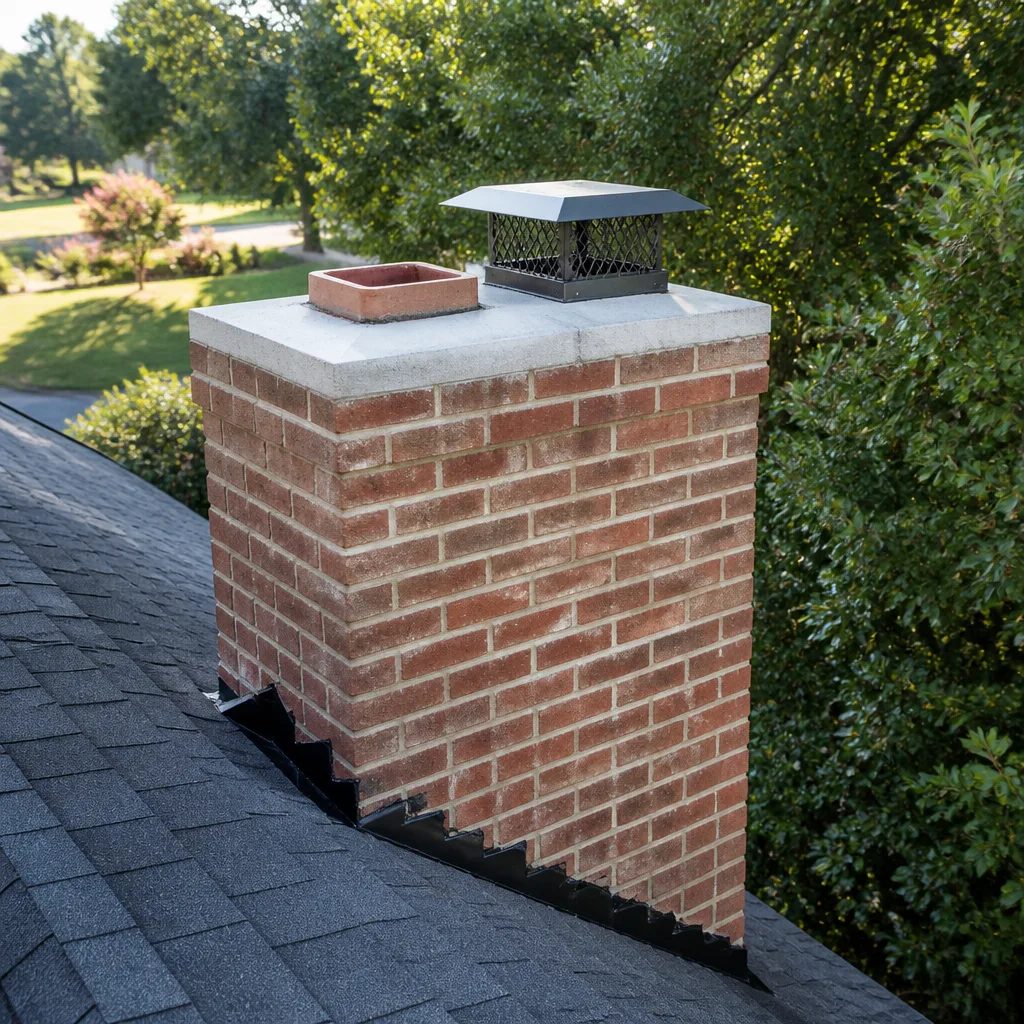 Sweep & inspection
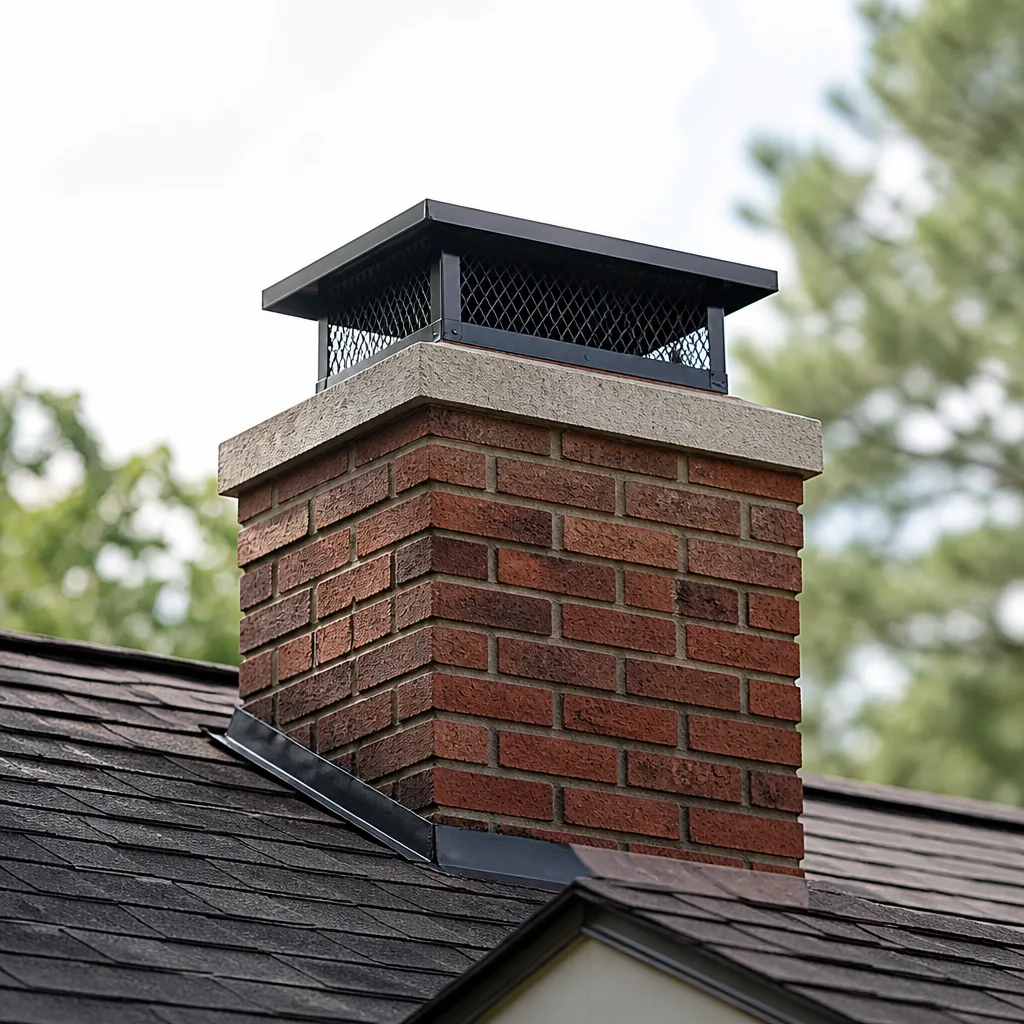 Caps & crowns
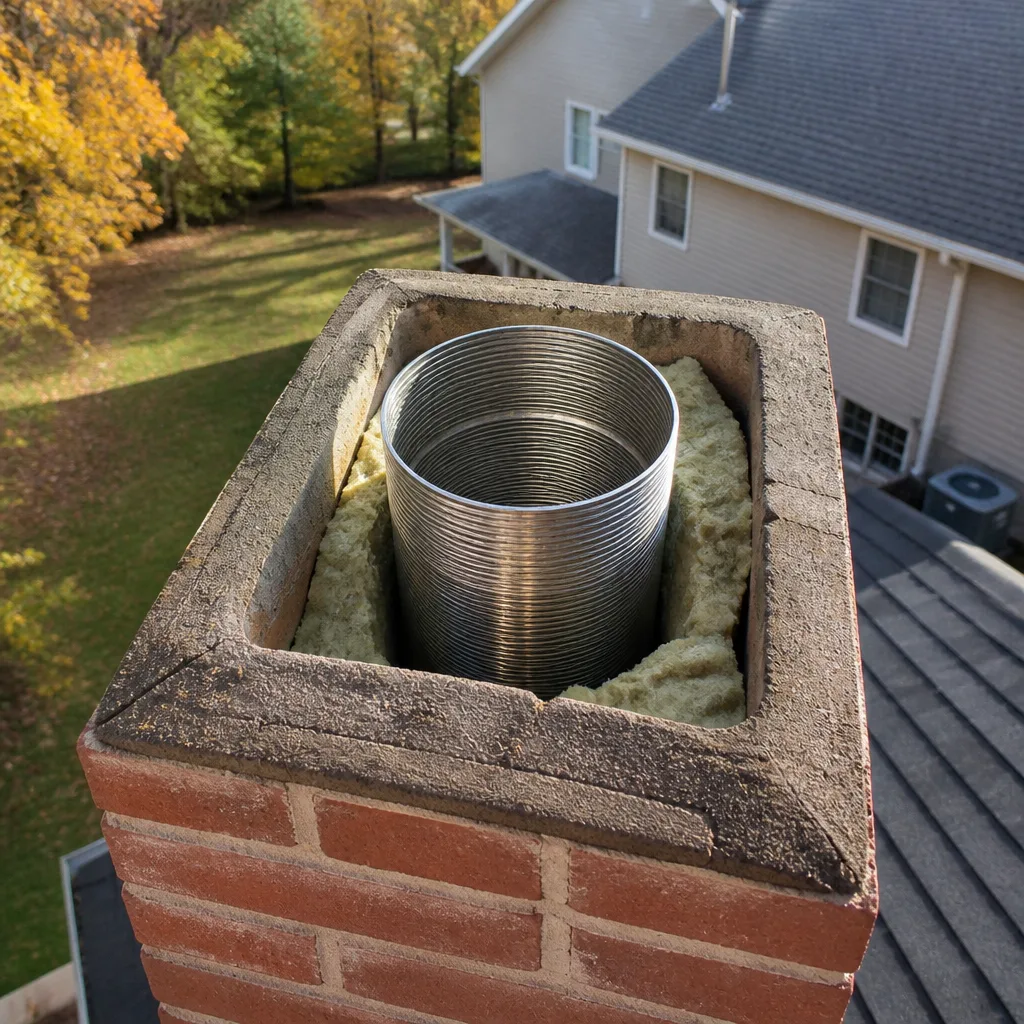 Flue relining
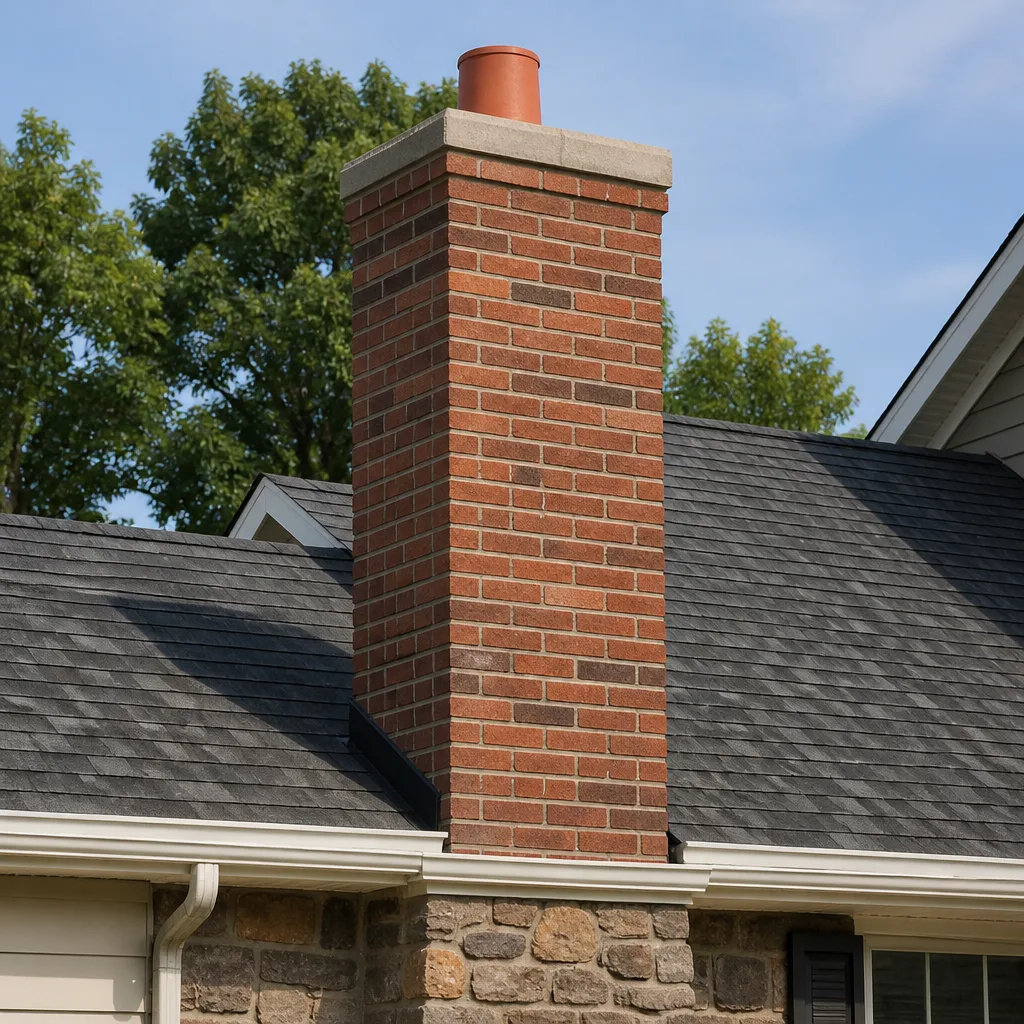 Masonry repair
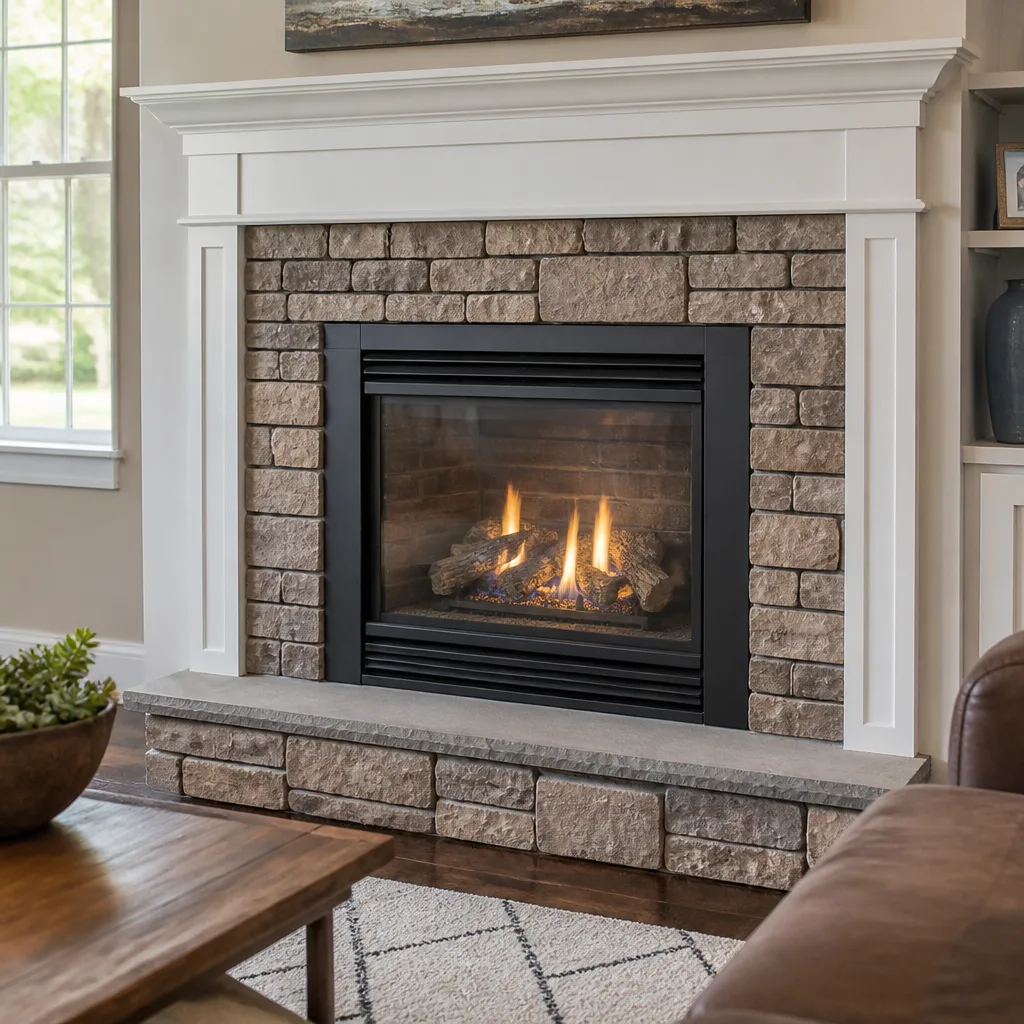 Gas fireplace service
Level 1 sweep and inspection to the NFPA 211 annual standard - flue, crown, cap, and flashing checked and photographed
Chimney sweep logs do not sweep chimneys. They loosen some creosote - which then falls where a brush and vacuum still have to collect it.
Chimney Sweep Maintenance Checklist for Santa Maria Homeowners
The national recommendation is annual service. What that advice doesn’t tell you is which items on the checklist actually matter when your fireplace burned through fifteen loads last winter and then sat untouched for the other ten months. That’s the honest reality for most homes in Santa Maria, where a mild climate means the fireplace is a comfort for a handful of cool evenings rather than a primary heat source. Low use feels like less to worry about. In practice, it’s the long idle stretch that lets small problems quietly get worse. This guide gives you the checklist that fits that rhythm: what to do before the burn season, what to check after, and what to watch monthly without picking up a tool.
Quick Answer
A chimney maintenance checklist for Santa Maria should focus on four things: a professional inspection and sweep before the burn season, monthly visual checks you can do yourself, a post-season damper and cap check for the long idle months, and keeping simple records of draft, odor, and smoke behavior between visits. Low annual fire count does not mean low risk. It means the maintenance calendar is built around idle months, not heavy use. Our technicians have up to 15 years of experience and inspect every system before recommending any work.
Styles & brands we work with
- Sweep & inspection
- Caps & crowns
- Flue relining
- Masonry repair
- Gas fireplace service
Table of Contents
- Why a Santa Maria Chimney Needs Its Own Checklist
- The Pre-Season Checklist (September through November)
- Monthly Visual Checks You Can Do Without Tools
- The Post-Season Checklist Most Homeowners Skip
- What to Document Between Professional Visits
- Checklist Items vs. Repair Triggers: When to Stop Monitoring
- Sweep or Inspection? What Your Chimney Actually Needs
- How to Choose Who Services Your Chimney
Why a Santa Maria Chimney Needs Its Own Checklist
A generic national checklist assumes a house where the fire burns most evenings from October to March. Santa Maria doesn’t work that way. Winters are mild, so many homeowners light a fire on a few cool nights and forget the fireplace exists the rest of the year. The chimney doesn’t care that you forgot. Creosote deposited in those few fires still glazes over time, and the cap and damper still sit exposed to weather, birds, and insects for ten months without anyone looking.
There’s a second local factor that a generic list misses entirely: wildfire season. When a wildfire burns nearby, the chimney becomes one of the few open paths from outside air into a home. An ember or ash carried on the wind can settle on a roof or enter through a damaged or missing cap. A chimney that hasn’t been serviced is a liability in that scenario, not because the firebox is in use, but because the system isn’t sealed. Checking the cap, spark arrestor, and screen is a maintenance habit that has nothing to do with how often you burn and everything to do with living where wildfire risk is real.
The third factor is the sheer length of the idle stretch. Ten months sitting untouched lets small things become bigger ones. A cracked crown opens to water intrusion. A loose cap invites nesting animals. A damper that doesn’t seal lets heated or cooled air leak out of the house year-round. The right checklist for a Santa Maria home tracks these slow developments, not just the fire itself.
The Pre-Season Checklist (September through November)
The window before the first cool evenings is when the year’s most important work gets done. In Santa Maria, September through November is the practical pre-season: early enough to beat the seasonal rush, late enough that any repairs are finished before you want to light a fire. Here’s the order we recommend.
- Book a professional inspection and sweep. This is the foundation of the whole checklist. The inspection tells you what shape the flue, liner, cap, and firebox are actually in. The sweep removes the creosote and soot accumulated from last season.
- Check the cap and spark arrestor. Confirm the cap is intact and the screen has no holes or missing sections. A damaged cap is an open door for animals and, during wildfire season, for embers.
- Inspect the crown and flashing. Look for visible cracks in the masonry crown at the top of the chimney and for gaps where flashing meets the roof. These are water-intrusion points.
- Test the damper by hand. Open and close it fully. It should move without grinding and close flat. A damper that won’t seal is an energy leak every day of the year.
- Confirm the firebox and liner visually. Look for cracked firebrick, loose mortar, or gaps in the liner. Don’t attempt repairs yourself; note what you see and let the inspection confirm it.
- Check carbon monoxide and smoke detectors. Replace batteries and test every unit. A chimney that drafts poorly can put carbon monoxide into a home, and a working detector is the first line of defense.
- Stock seasoned firewood. Wood should be dry and split, stored off the ground and away from the house. Wet wood produces more creosote and more smoke.
If you only do one thing this autumn, make it the inspection. Everything else on this list can be sorted from there, and the inspection is what tells you whether the rest is routine or urgent. You can schedule a chimney sweep alongside that inspection so the system starts the season clean.
Monthly Visual Checks You Can Do Without Tools
You don’t need equipment to catch the early signs. A monthly walk-around takes a few minutes and gives you a simple baseline to compare against. Do these checks once a month, whether or not the fireplace has been in use.
- Look up at the cap from the yard. Confirm it’s still on, level, and undamaged. Binoculars help if the chimney is tall.
- Check the roof at the chimney base. Look for staining, moss, or pooling water near the flashing from the ground with a pair of binoculars. Any of these mean moisture is getting in somewhere.
- Open the firebox and look up. You won’t see the whole flue, but you can see the damper and the lower firebox walls. Note heavy soot buildup, white staining (a sign of moisture), or cracked brick.
- Sniff for odor in the firebox. A strong creosote or smoky smell on a warm day, when no fire has burned, often points to a draft problem or a buildup that needs attention.
- Check for animal activity. Look for nesting material, droppings, or feathers in the firebox. Birds and small animals find uncapped chimneys quickly.
- Confirm the damper is fully closed when idle. Reach in and feel the seal. If it’s sitting open or partly open, heat and cooled air are escaping.
None of these replace a professional inspection. They keep you aware of changes between visits, which is the whole point. If you notice something that doesn’t look right, note it and bring it up at the next appointment rather than assuming it’s minor.
The Post-Season Checklist Most Homeowners Skip
Once the burning season ends, most people close the damper and forget the chimney until autumn. That’s the stretch when the low-use system in Santa Maria is most vulnerable, because nothing is calling attention to it. The post-season list is short but it’s the one that prevents the slow problems.
- Clean out ash and debris from the firebox. Ash left sitting through the humid season traps moisture against the firebox floor and brick.
- Confirm the damper seals fully for the idle months. This is the single most important post-season item for a low-use chimney. A damper that doesn’t seal is an open gap in your home’s envelope all summer.
- Have the cap and screen checked for animal exclusion. Spring is when birds and small animals look for nesting spots. A cap with a missing screen is an invitation. If you find evidence of nesting or dropped material in the firebox, get a professional inspection rather than clearing it yourself.
- Look for new cracks in the crown and firebox. Compare against what you noted before the season. A crack that’s grown is worth a professional look.
- Note any draft changes you observed. If the fireplace smoked into the room more than usual or was hard to start, write it down. Draft performance changes often point to a blockage or a liner issue.
- Schedule the autumn inspection now. Booking in the summer means you’re on the calendar before the September-through-November rush, and you won’t be trying to get in at the last minute.
The post-season check is what makes the rest of the year safe. It’s also the easiest to skip, which is exactly why it belongs on the list.
What to Document Between Professional Visits
A chimney sweep’s job is easier and more accurate when you arrive with useful information. You don’t need a spreadsheet. A simple note pad or a photo album on your phone is enough. The goal is to give the technician a record of how the chimney has been behaving, so the inspection starts from evidence rather than a clean slate.
Document these four things between visits:
- Photos of the firebox and damper. Take one clear photo of the firebox interior and one of the damper in the closed position each season. Comparing year over year shows changes in staining, cracking, or soot that you’d otherwise miss.
- Odor notes. If the firebox smells strongly of creosote or smoke, especially on warm days when no fire has burned, note the date and the weather. This is one of the most useful diagnostic signals a sweep has.
- Draft performance. Note how easily the fire starts, whether smoke rolled into the room at lighting, and whether the fire burned steadily or struggled. Draft is the chimney’s health indicator.
- Burning habits. Roughly how many fires you burned, what wood you used, and whether you ever noticed poor performance after a windy day. This context helps the sweep interpret what the inspection finds.
When you combine your notes with what our team observes during a camera inspection, the picture is clearer. We take photos as part of every sweep and walk you through what we see. Nothing gets recommended on a guess. That’s the difference between an honest inspection and a generic upsell, and it’s a habit worth building on both sides.
Checklist Items vs. Repair Triggers: When to Stop Monitoring
A maintenance checklist tells you what to watch. A repair trigger list tells you when watching is no longer enough. Homeowners often confuse the two, and the result is either unnecessary worry or ignored problems. Here’s how to tell the difference.
An item stays on the monitor list when it is stable, cosmetic, or just a baseline to compare against. A single small hairline crack in the crown that hasn’t changed in two years is a monitor item. A faint smoke smell after a fire on a cool evening is a monitor item. A damper that closes snugly but shows slight wear is a monitor item. These are worth writing down but not worth an emergency call.
An item becomes a repair trigger when it involves a physical breach, a performance change, or a safety concern. Schedule service promptly when any of these appear:
- The cap or spark arrestor is missing, broken, or has a hole in the screen.
- You can see daylight through the flue from the firebox.
- The firebox walls show a cracked or crumbling firebrick, or mortar joints are missing.
- The damper no longer seals flat, or the lever moves loosely without engaging.
- Smoke rolls into the room during normal use, or the fireplace is hard to light when it wasn’t before.
- Any carbon monoxide detector goes off, or you smell gas or a strong creosote odor indoors.
- The chimney has visible staining at the top that wasn’t there before.
If an item on the trigger list shows up, don’t wait for the next scheduled visit. Get it looked at. If you’re not sure which category something falls into, describe it when you call and we’ll help you sort out whether it can wait or needs an appointment.
Sweep or Inspection? What Your Chimney Actually Needs
Homeowners often use the words interchangeably, but a sweep and an inspection are different services. A sweep removes soot and creosote from the flue and firebox. An inspection evaluates the overall condition of the system and is what tells you whether a sweep is even needed, or if there’s a repair hiding behind the soot. We do the inspection first on every job. It’s the only way to recommend work honestly.
The inspection is also where a proper diagnosis happens. A camera inspection lets us see the full length of the flue, the liner, and the smoke chamber, and we take photos so you can see what we saw. That matters because much of what goes wrong in a chimney is invisible from the firebox. A liner that looks fine from the bottom can have a gap two feet up. A crack in the crown can be working moisture into the masonry from above. You can’t reason about those without evidence, and photos of the flue are the evidence.
When the inspection turns up a problem, we work through the options before recommending the most expensive one. For damaged liners, we use HeatShield resurfacing, a specialized restoration system that can extend the life of a liner without a full replacement. Where restoration isn’t enough, DuraFlex liner systems handle complete relining jobs. We also work with professional brands like Gelco and Olympia Chimney for components that need replacement. The point isn’t to sell you a full reline every time; it’s to pick the repair that actually fits the condition. The right repair, not the easiest upsell.
The practical rule: if you’ve burned at all since the last sweep, get both the sweep and an inspection before the season starts. If the chimney sat idle and you’re booking a check for the first time, the inspection comes first and tells you what the sweep actually needs to do. That’s the foundation of the full arc we run: inspection, cleaning, and repair by the same team, so no one has to coordinate a separate contractor for each stage.
How to Choose Who Services Your Chimney
This is the question that determines how much the checklist on this page actually protects your home. A checklist is only as good as the person evaluating it. Here’s what to look for when you’re choosing who works on your chimney in Santa Maria.
- Chimney-only specialists. A chimney is a specific system with specific failure modes. Someone who does chimney work every day sees the problems a general contractor would miss and won’t reach for a solution outside their trade.
- Inspection before recommendation. A trustworthy sweep inspects with a camera and shows you what they found before recommending work. If a recommendation comes without a photo of the problem, ask for one.
- Professional-grade materials. The parts and systems used matter. We work with professional-tier chimney brands including Famco and Copperfield for components, and HeatShield and DuraFlex for restoration and relining. These are the brands specified by certified chimney professionals, not commodity parts picked up at a general hardware store.
- A clear written estimate. The price should be set per job by a written estimate, and it should be clear before any work starts.
- Willingness to say it can wait. An honest specialist will tell you when a repair isn’t urgent. If every visit produces a thousand-dollar recommendation, that’s a sign to get a second opinion.
- Licensed and insured. Ask directly. You want a company that carries proper licensing and insurance for the work.
We’re transparent about what we are. Chimney Sweep Santa Maria connects homeowners with independent local chimney professionals who do the work. Our role is to make sure the right specialist shows up and that the recommendation is grounded in an inspection rather than a guess. You can read more about how we work with chimney repair in the area and what a proper repair evaluation involves.
Common Mistakes to Avoid
- Assuming low use means no maintenance. A fireplace that burned fifteen times last winter still leaves creosote and still exposes the chimney to ten months of idle weather. The inspection schedule doesn’t change with the fire count.
- Skipping the post-season check. The idle months are when the damper, cap, and crown quietly degrade. Waiting until September means you find out about the problem at the worst time.
- Clearing animal nests by hand without an inspection. Clearing a nest can dislodge material that falls into the flue or firebox. In our experience, animal activity is a reason to schedule a professional inspection rather than a DIY job.
- Ignoring the cap and spark arrestor because “we don’t use the fireplace much.” The cap is about wildfire ember entry and animal exclusion, not the fire itself. It matters all year.
- Taking a diagnosis without photographic evidence. If a sweep tells you the liner is failing, ask to see the camera photo. Every recommendation should be something you can see for yourself.
- Storing firewood stacked against the house. Wood against the siding holds moisture near the structure and can invite pests. Stack it off the ground and away from the walls.
- Confusing a damaged crown with a cosmetic issue. A crack in the crown lets water into the masonry above the roofline, and water damage compounds. Have any cracking evaluated before it grows.
See the difference
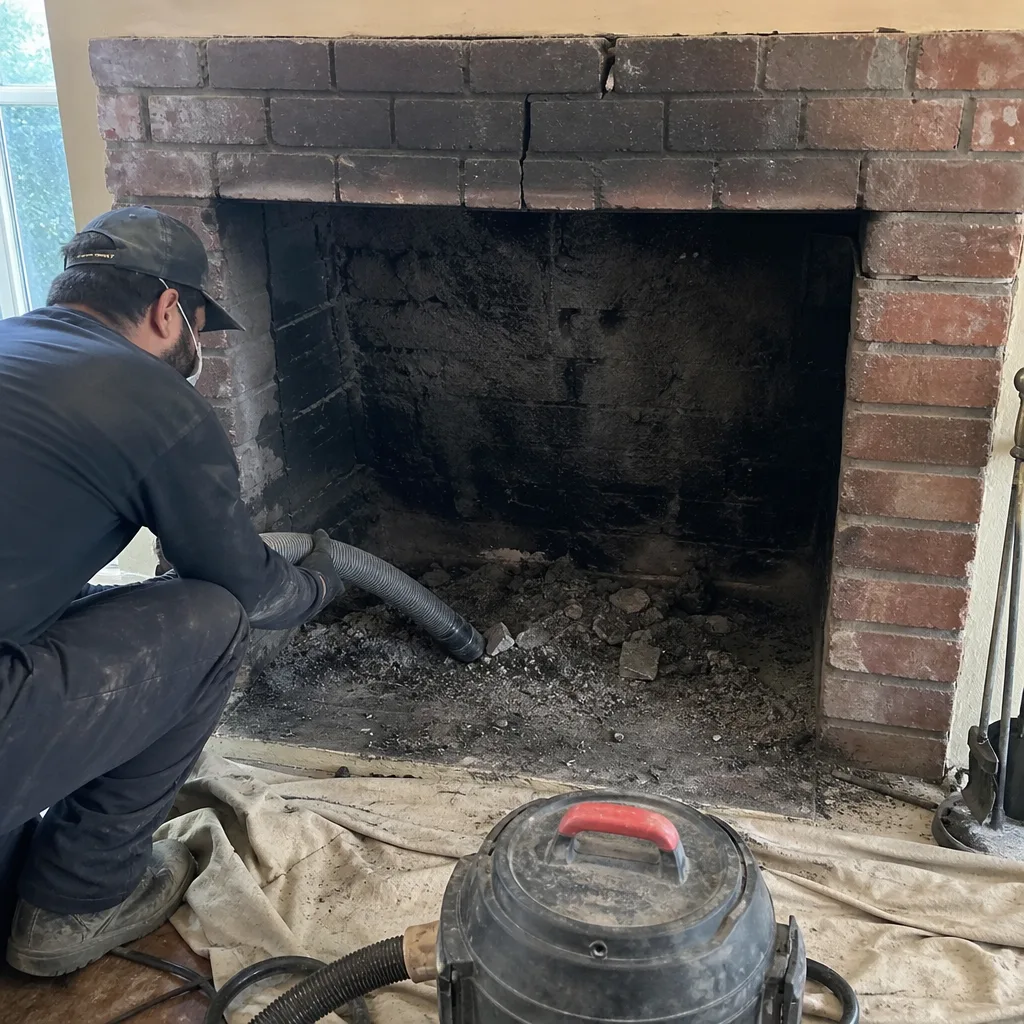 Before
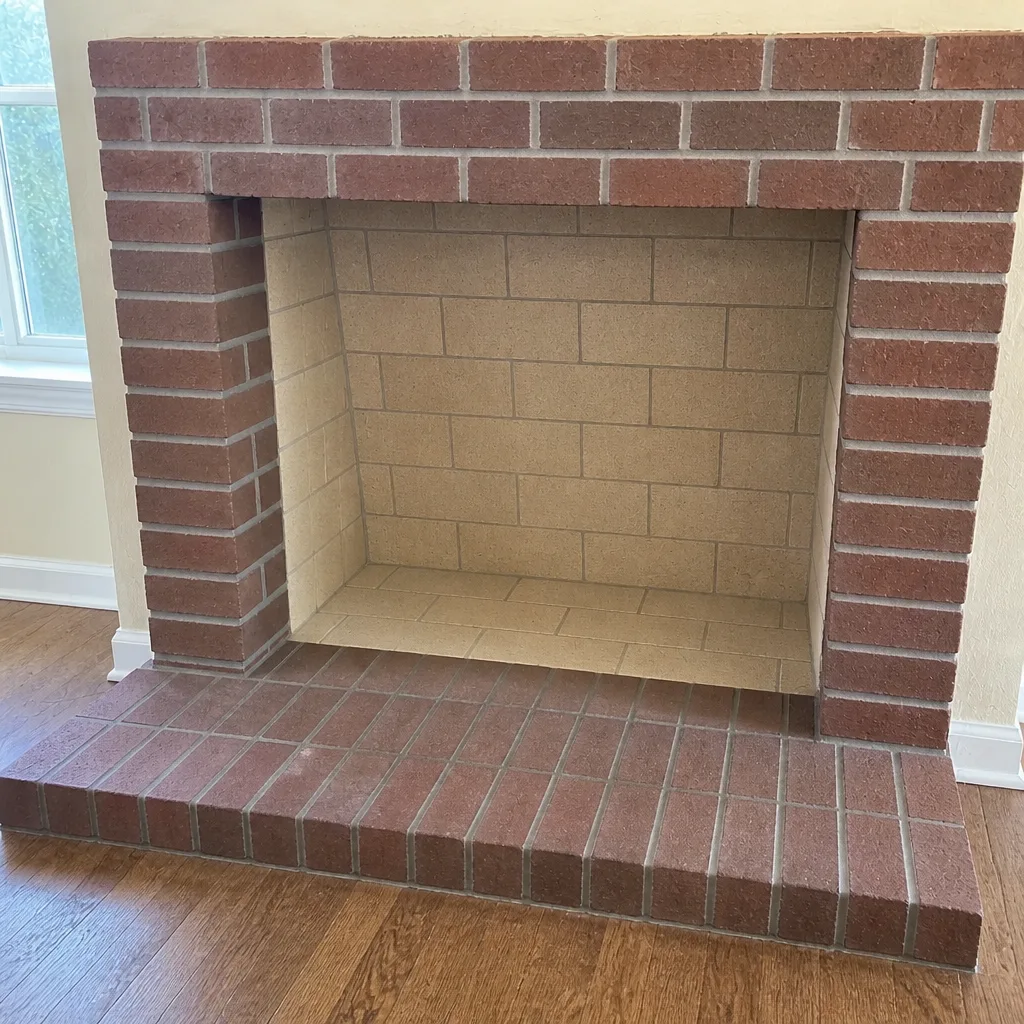 After
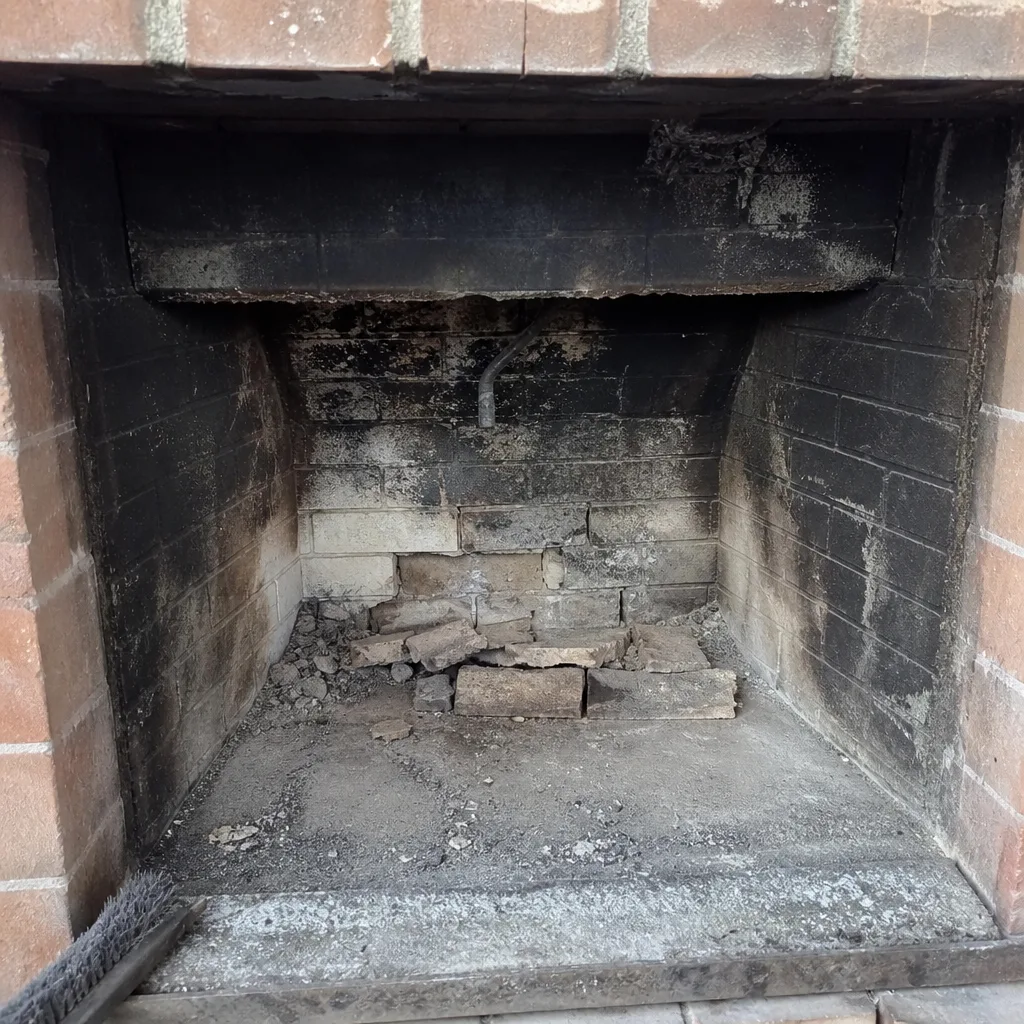 Before
 After
 Before
 After
When to Call a Professional
Call a professional when an item on the trigger list shows up, or when it’s time for the pre-season inspection and sweep. The trigger list includes a missing or damaged cap, visible firebrick or mortar damage, a damper that no longer seals, smoke rolling into the room, a smoke or carbon monoxide detector going off, or a strong creosote odor indoors. On the routine side, book the inspection before the September-through-November window, and book the post-season check before the idle months begin. If you’re not sure which category something falls into, describe it when you call and we’ll tell you whether it can safely wait. Chimney Sweep Santa Maria offers free estimates in Santa Maria. Call (866) 389-4535.
Frequently Asked Questions
Once a year is the standard recommendation for any chimney that’s been in use, and that applies in Santa Maria even though the burn season is short. The annual service is as much about the inspection as the sweep. A chimney that burned only a few times still accumulates creosote, and the yearly check catches the damper, cap, and crown issues that develop during the idle months. Call (866) 389-4535 for an exact quote, and estimates are free.
Yes, and low use is actually a reason to be more deliberate about it, not less. A low-use chimney sits idle for most of the year, which is when caps go missing, dampers stop sealing, and crowns crack from weather exposure. The inspection covers the conditions that build up during that idle stretch. It’s also the only way to know whether the liner is intact, and you can’t tell that from a few fires. Call for a free estimate, and the inspection will tell you what the system actually needs.
A sweep removes soot and creosote from the flue and firebox, while an inspection evaluates the condition of the whole system. An inspection typically uses a camera to see the full flue and includes photos of what was found. We do the inspection first on every job because it’s the only way to know whether a sweep is enough or a repair is needed. Both services are performed by the same team.
Cleaning a chimney yourself is a job we don’t recommend, and it’s not just about the mess. The flue, liner, and smoke chamber are where the actual diagnosis happens, and you can’t see them from below. A DIY brush-down can knock soot loose without revealing a liner gap or a crown crack. Since the inspection is the piece that protects your home, a professional sweep and a proper camera inspection belong together. Call (866) 389-4535, and we’ll give you a free estimate.
An unserviced chimney is an open path from outside air into your home, which matters during wildfire season even if you don’t light a fire. An intact cap and spark arrestor block embers from entering, and a properly sealed damper and firebox limit smoke intrusion. The pre-season inspection is what confirms those pieces are in good shape before the dry months arrive. That’s one reason the September-through-November window is the right time to schedule, not the middle of a fire season.
You need a repair when the inspection finds a physical breach, a performance change, or a safety issue, such as a damaged cap, cracked firebrick, a damper that won’t seal, or daylight through the flue. A cleaning is all you need when the inspection shows the system is sound and just loaded with soot. We show you the camera evidence before recommending anything, and we tell you when a repair can safely wait. Call (866) 389-4535 for a free estimate if you’re not sure which category your chimney falls into.
The Bottom Line
A chimney maintenance checklist for Santa Maria should be built around this area’s actual rhythm: a short burn season, a long idle stretch, and a wildfire season that makes an unserviced chimney a liability all year. Do the pre-season inspection and sweep between September and November. Run the monthly visual checks. Don’t skip the post-season damper and cap check. Keep simple notes on draft, odor, and firebox condition so your sweep starts each visit with useful information. And know the difference between an item to monitor and one that’s a repair trigger. That’s the whole checklist. The routine work is what keeps your system safe and catches the small problems before they become expensive ones. If it’s time for a visit, our team at Chimney Sweep Santa Maria is here to help.
Call (866) 389-4535 for a free estimate. We answer 24/7. Fast dispatch from 7am to 7pm, Sunday through Friday.
If you’re planning ahead for the season, you can also read about how we serve homeowners across Santa Maria and what to expect from a scheduled visit.
Written by the team at Chimney Sweep Santa Maria.