
Last updated November 15, 2026
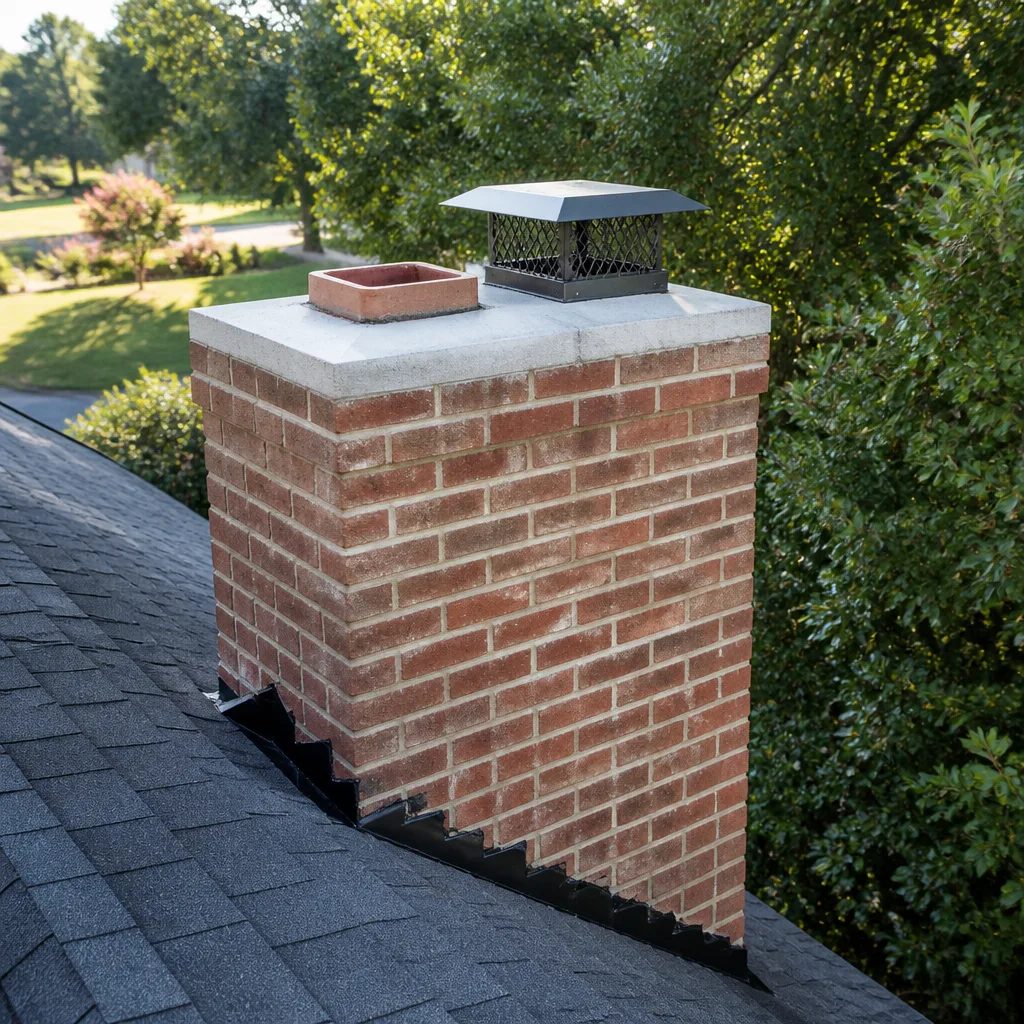 Sweep & inspection
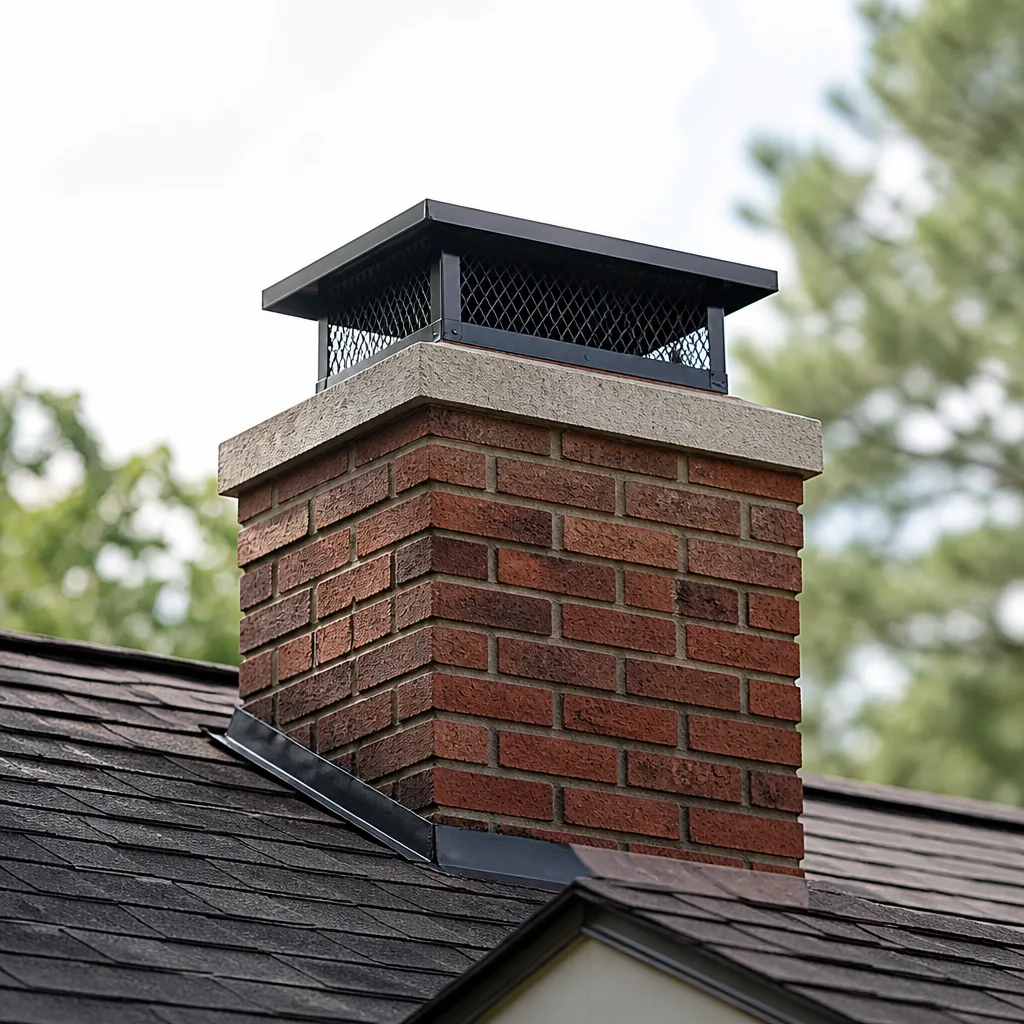 Caps & crowns
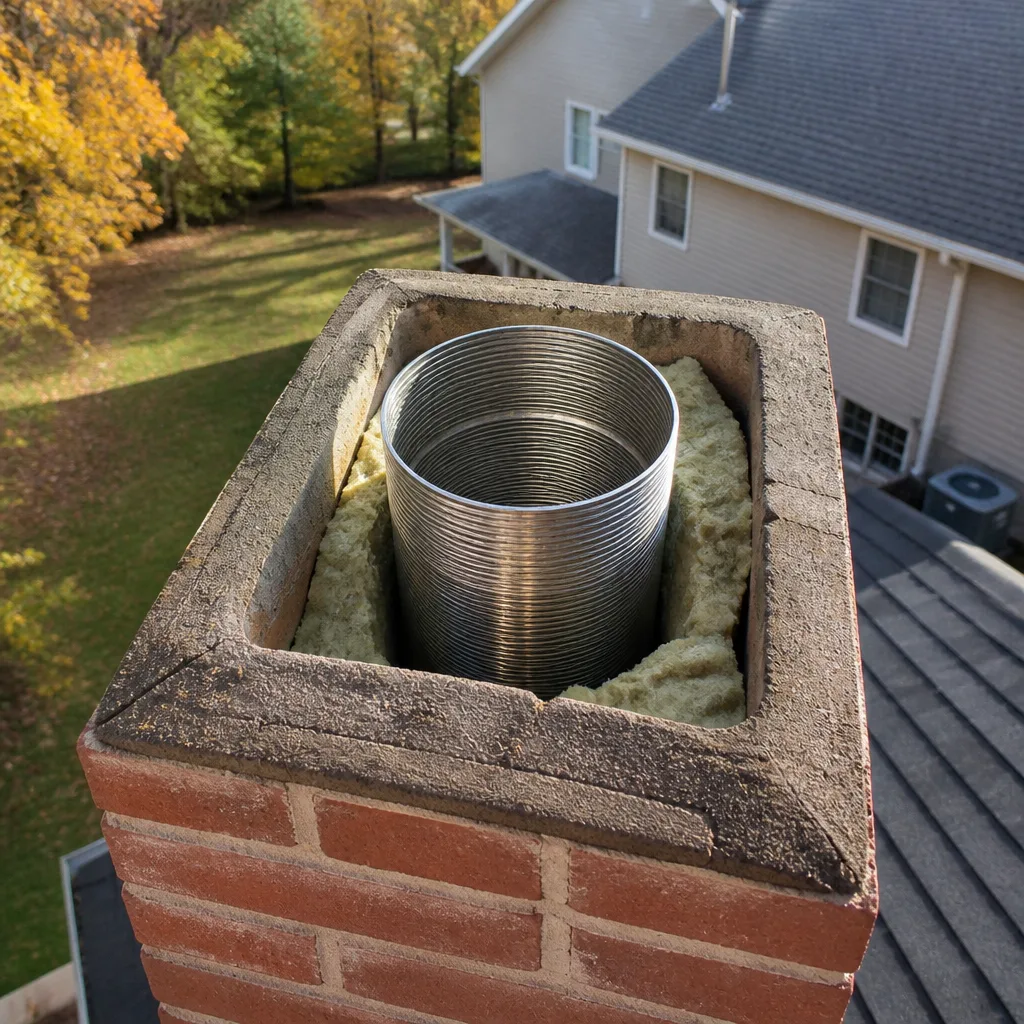 Flue relining
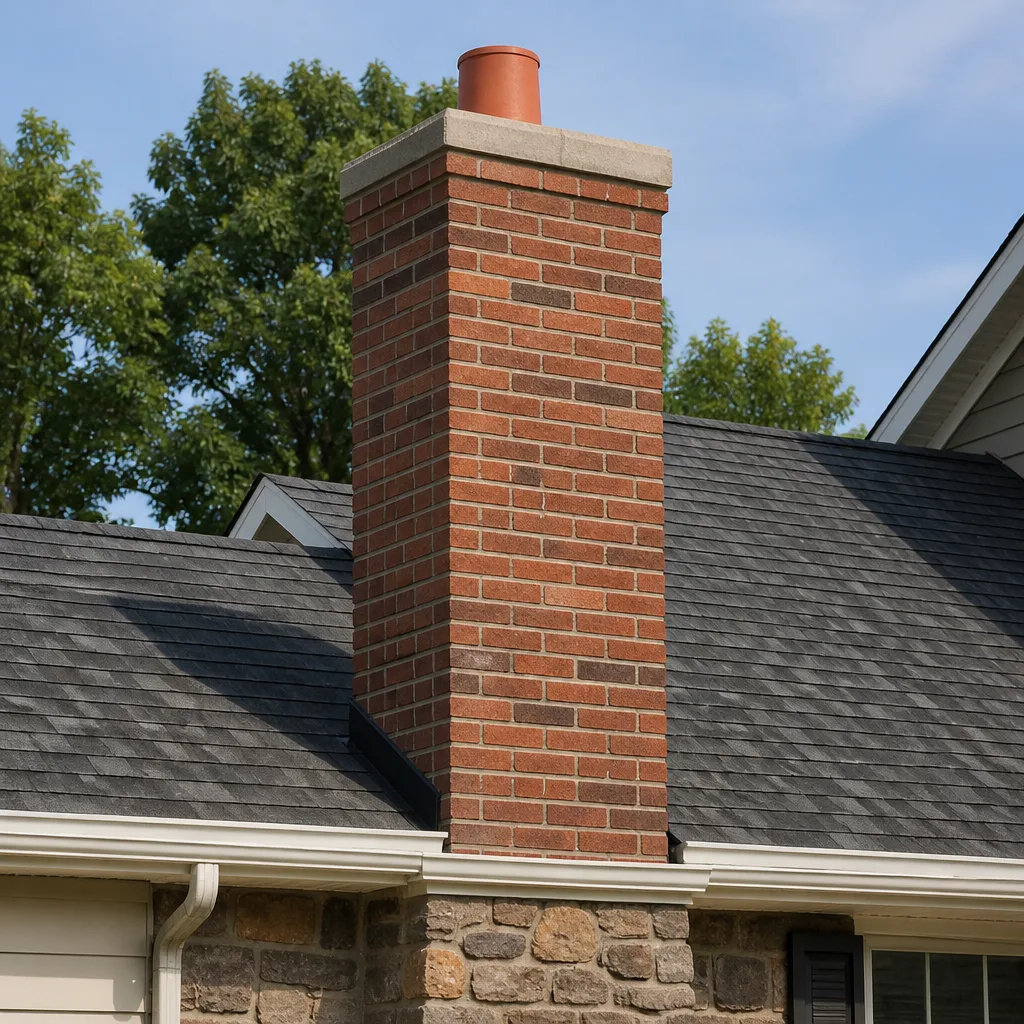 Masonry repair
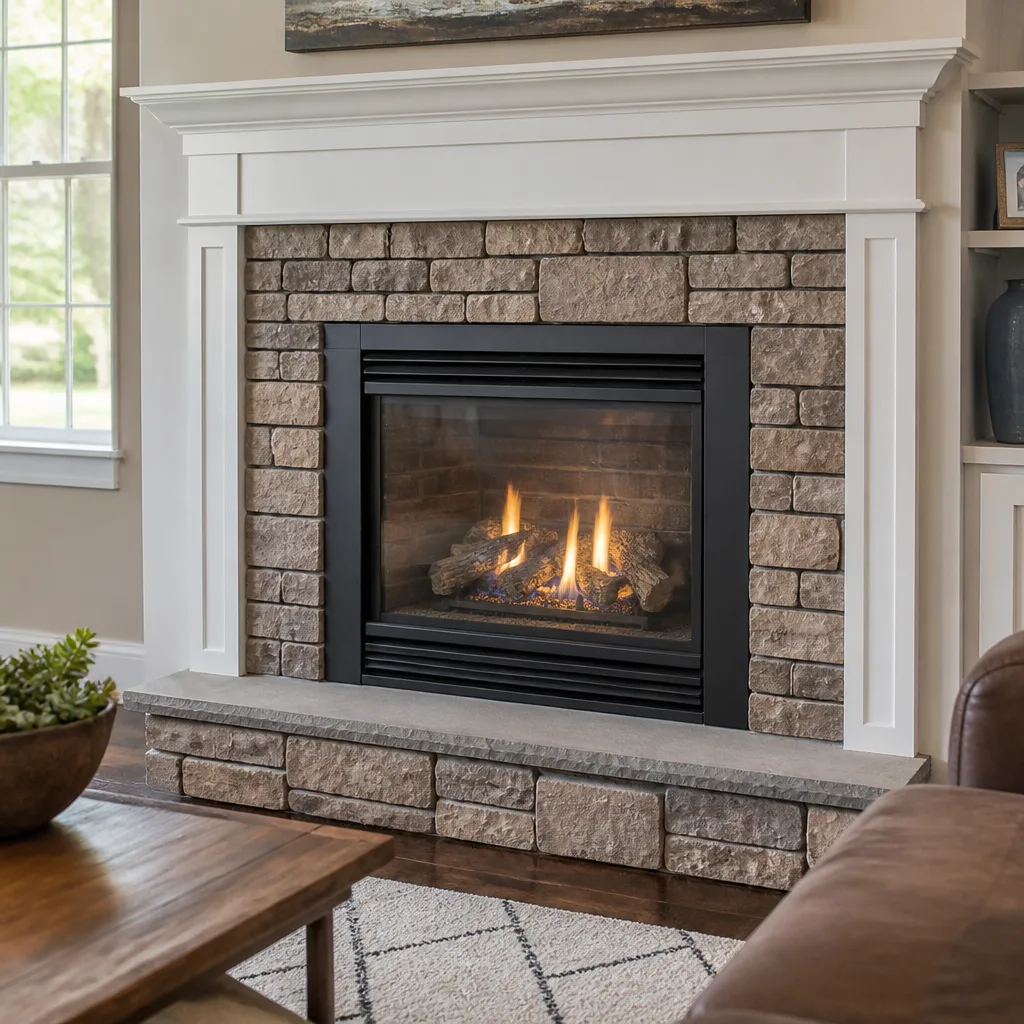 Gas fireplace service
Level 1 sweep and inspection to the NFPA 211 annual standard - flue, crown, cap, and flashing checked and photographed
Chimney sweep logs do not sweep chimneys. They loosen some creosote - which then falls where a brush and vacuum still have to collect it.
Chimney Sweep Maintenance Schedule: What to Do and When
The National Fire Protection Association’s annual inspection rule gets repeated as if it applies the same way to every chimney. It doesn’t. If you light your fireplace three times a year for ambiance, you’re maintaining a different system than your neighbor who runs a wood insert through every cool night from November to March. Wood stoves, gas inserts, and open masonry fireplaces all fail on different timelines, and creosote buildup only tells part of the story. This guide replaces the vague “once a year” advice with a usage-based framework built for how people actually heat in Santa Maria, so you can schedule inspections, cleanings, and component checks that match your habits instead of a generic calendar.
Quick Answer
Sweep and inspect a chimney used regularly for wood at least once a year, and more often if you burn more than 30 fires a season. Gas fireplace flues still need an annual inspection even though they produce minimal creosote, because liner degradation and blockages don’t depend on soot. In Santa Maria, the smartest timing is a late-summer inspection in August or September, before the burning season starts and before the fall rush.
Styles & brands we work with
- Sweep & inspection
- Caps & crowns
- Flue relining
- Masonry repair
- Gas fireplace service
Table of Contents
- Why Your Chimney’s Schedule Depends on How You Burn
- Wood-Burning Fireplace Schedule
- Gas Fireplace Chimney Schedule
- Seasonal Timing for the Central Coast
- Components With Their Own Maintenance Intervals
- How to Keep a Chimney Log That Holds Up
- What You Can Check Yourself and What You Can’t
- Common Mistakes to Avoid
Why Your Chimney’s Schedule Depends on How You Burn
Creosote accumulates at a rate that tracks how much you burn, what you burn, and how hot the fire runs. A fireplace used a handful of times a year builds a thin glaze that takes years to become a problem. A wood insert running five nights a week all winter builds that deposit in a single season. That’s why the “once a year” rule either wastes your money or leaves you underscheduled, depending on which household you are.
We group homes into three usage tiers. This is how chimney-only specialists think about scheduling.
Occasional Use: Fewer Than 10 Fires a Year
This is the “ambiance fire” household. Get a professional inspection every two to three years and a sweep only when the inspection shows measurable creosote. If the chimney has no liner damage and the firebox looks clean, there’s often nothing to do but note the date and move on. Gas fireplaces that run for aesthetics fall somewhere near this tier, but with a caveat covered below.
Moderate Use: 10 to 30 Fires a Year
One inspection every year and a professional sweep every one to two years, depending on what the camera and the flue brush find. This is the largest group of Santa Maria homeowners we work with, and it’s usually the group that gets told they need more work than they do. If your sweep comes back clean at year one, you don’t need another sweep the following spring.
Heavy Use: More Than 30 Fires a Year
Annual sweeping is the floor, not the ceiling. If you’re running a wood stove or insert all winter and loading it twice a day, plan on a sweep before the season starts, a mid-season check if you burn softwoods or unseasoned wood, and a spring inspection right after the rainy season. Heavy users who skip the spring visit often find liner damage late, when the first cold snap arrives and the schedule is already full.
Wood-Burning Fireplace Schedule
The wood fireplace is the classic case. Here’s a calendar that matches the tiers above and works for masonry fireplaces, factory-built fireplaces, and wood inserts alike. The sequence matters because an inspection should always come first: you don’t sweep a flue that turns out to have a failed liner without a plan for the repair.
- Late summer (August – September): full professional inspection with camera. Confirm the liner, damper, firebox, smoke chamber, and cap are in shape. Sweep if the inspection calls for it.
- Start of your burning season: quick owner check of the cap, the firebox interior, and the damper operation before the first fire.
- Mid-season (if you burn heavily): visual look at the flue and smoke chamber through the damper if you can see it, plus a call to a chimney sweep if you notice odor, smoke rollback, or a change in draft.
- Spring, after the rainy season: inspection to catch water intrusion, cracked crown, or rusted components that winter hid. This is also the point to repair anything before the next burning season.
The repair side matters as much as the cleaning side. When a wood chimney needs relining, we work with DuraFlex liner systems, and when the liner is structurally sound but worn, HeatShield resurfacing can extend its life without full replacement. Both are professional-tier products, not what a general handyman typically stocks.
If you’re searching for a chimney sweep for your first scheduled visit, get the inspection on the calendar before the fall booking window fills up.
Gas Fireplace Chimney Schedule
Gas fireplaces produce a fraction of the creosote of wood, which leads a lot of homeowners to assume the flue can be ignored. Don’t. The risks are different, not absent. Liner degradation, blockages from nesting animals and debris, and venting problems that can cause carbon monoxide issues don’t care that your fire is clean-burning. The gas log set’s own connections and clearances also need periodic attention from a qualified technician.
For a gas fireplace used mainly for ambiance, the working recommendation is a professional inspection once every two years, with a cleaning only when the inspection shows debris or blockage. A gas appliance used as a primary heat source should get an annual inspection. Those are two different systems with two different risk profiles, and treating them the same either wastes money or leaves the vent unchecked.
- Every year: visual check of the vent termination outside for blockage, bird nests, or damage.
- Every two years: professional inspection of the vent and the firebox interior.
- Any time you smell gas, hear a hiss, or see soot on the log set: stop using the appliance and call a professional. Gas line work is not a homeowner project.
Gas fireplace work that involves the gas line itself should only ever be handled by a trained professional. The same safety rule applies to any electrical component of the ignition system.
Seasonal Timing for the Central Coast
Most of the country schedules chimney work in October. In Santa Maria, the weather gives you a better option. August and September are dry, warm, and before the fall booking rush. A late-summer inspection means you have time to schedule any repair and get it finished before the first cool nights arrive, instead of discovering a cracked crown the week you want to light a fire.
The spring visit catches a different set of problems. By March or April, the chimney has been through the wet part of the year. Water intrusion, rust on a chase cover, hairline cracks in the crown, and masonry spalling all show up after the rain rather than before it. A fall inspection alone would miss those for months. That’s why we recommend two touchpoints a year for active wood-burning homes in Santa Maria: a pre-season inspection and a post-season inspection.
There’s a third local factor. Burning season here is softer than it is in the mountains, which means a lot of Santa Maria homeowners aren’t in the heavy-use tier even if they burn often. A usage-tier framework accounts for that and keeps the schedule honest. If you’re looking at your chimney and wondering whether chimney repair is really necessary, the answer should always come from a camera inspection, not a guess.
Components With Their Own Maintenance Intervals
The flue is the headline, but the system around it fails on its own clocks. Here’s the maintenance calendar most guides skip.
Damper
The damper should be checked at every inspection and lubricated when it binds or squeals. A damper that doesn’t seat fully wastes heat in winter and lets conditioned air escape in summer. A damper that doesn’t open fully is a smoke-in-the-room problem waiting to happen. Any seized damper is worth repairing before it’s a safety issue.
Crown and Masonry Waterproofing
Masonry cracks are inevitable over years of heat cycling, and water is what turns a hairline crack into a structural problem. Reapply a breathable masonry waterproofing product every five to ten years, depending on exposure. The crown gets inspected every year and resealed if it shows cracking. This interval is approximate – your local conditions and the current coating determine the real schedule, so trust the inspection findings over a fixed number.
Chimney Cap and Spark Arrestor
The cap and any spark arrestor should be checked every year, and they carry the highest failure rate of anything on the outside of the chimney. Bird nests, twigs, and debris in the cap mesh restrict draft; rust and bent screens let water in. A cap replacement is one of the least expensive fixes on a chimney and one of the most protective.
Firebox and Smoke Chamber
Inspect the firebox and smoke chamber every year for cracks and gaps in the mortar. Small gaps in the smoke chamber are often addressed with HeatShield resurfacing, the same restoration process that extends the life of a liner. This is where a chimney-only specialist separates from a general contractor: most won’t have the tools or the products to address a smoke chamber properly.
- Damper: checked every inspection, lubricated as needed
- Masonry waterproofing: reapplied roughly every 5-10 years
- Crown: inspected every year, resealed if cracked
- Cap and spark arrestor: checked every year, replaced when damaged
- Firebox and smoke chamber: inspected every year
- Flue liner: inspected every year, resurfaced or relined on findings
How to Keep a Chimney Log That Holds Up
A chimney log is the single most useful thing a homeowner can keep after the inspection itself. It’s easy to build and it pays off in three situations: an insurance claim, a real estate disclosure, and a warranty question on any product that was installed. Insurance companies and buyers accept dated inspection reports. They don’t accept “I think it was cleaned a while ago.”
Here’s a simple template you can recreate in a notebook or a spreadsheet. Add one entry per service visit.
- Date of service (exact day, not just the month)
- Service type – inspection, sweep, repair, or a combination
- Technician findings – keep a copy of the written report you’re given; it should describe what the camera showed
- Work performed – the specific repair, the product used if any, and the quantity
- Photos – filed with the entry, not saved separately
- Next recommended date – the inspection interval the findings support
- Renewal tracking – any warranty documentation on installed parts, filed together
For heavier-use homes, keep a separate line for each season so a mid-season cleaning doesn’t get buried in the annual entry. The log becomes the record that answers the question before anyone has to ask it.
What You Can Check Yourself and What You Can’t
Some homeowner checks make sense. Others put you in real danger. Here’s the line.
Safe for you: looking at the exterior cap and crown from the ground with binoculars, operating the damper before the season starts, keeping debris clear around the chimney at ground level, and noting when the fire seems to draft poorly or smoke curls back into the room. Those signs are worth writing down and reporting.
Not safe for you: climbing onto the roof to inspect the cap or flue top, opening up the flue interior with your own brush to “see how bad it is,” working on the gas line to a gas fireplace, opening a gas appliance further than the manufacturer’s owner instructions allow, and attempting any liner or smoke chamber work. Creosote is flammable and the inside of a chimney is a confined space. Fall risk and exposure to creosote deposits are reason enough to keep the interior work with a trained professional.
The camera inspection is the reason to call a specialist. A small mirror and a flashlight from below tells you almost nothing about the upper flue, the smoke chamber, or the liner joints. A camera on a pole tells you everything, and the specialist can show you the footage so you aren’t guessing whether the recommendation is honest. If you’re new to Santa Maria and looking for a starting point, our page on Santa Maria explains how inspection and service calls work in the area.
Common Mistakes to Avoid
- Applying the “once a year” rule without looking at your own usage. A fireplace used five times a year doesn’t need the same schedule as a wood insert running all winter. Match the schedule to the tier, not the calendar.
- Skipping gas fireplace inspections because “they don’t make creosote.” Gas flues still degrade, still block, and still need a professional eye every two years at minimum.
- Scheduling in October like the rest of the country. In Santa Maria the August and September window is calmer and leaves time for repairs before the first burn.
- Doing the sweeping after the rainy season only. A spring sweep without a proper inspection can miss water damage that’s already happened. Inspection has to come first.
- Treating the cap and crown as permanent. These are the parts that fail fastest and cost the least to fix. Check them every year.
- Not keeping records. Without dated inspection reports, an insurance claim gets harder and a real estate disclosure gets awkward. The log is free to keep and impossible to recreate later.
- Hiring a generalist because the price was lower. A roofer or handyman who sweeps chimneys as a side job usually can’t restore a smoke chamber or install a DuraFlex liner. The inspection is the whole point of hiring a specialist.
See the difference
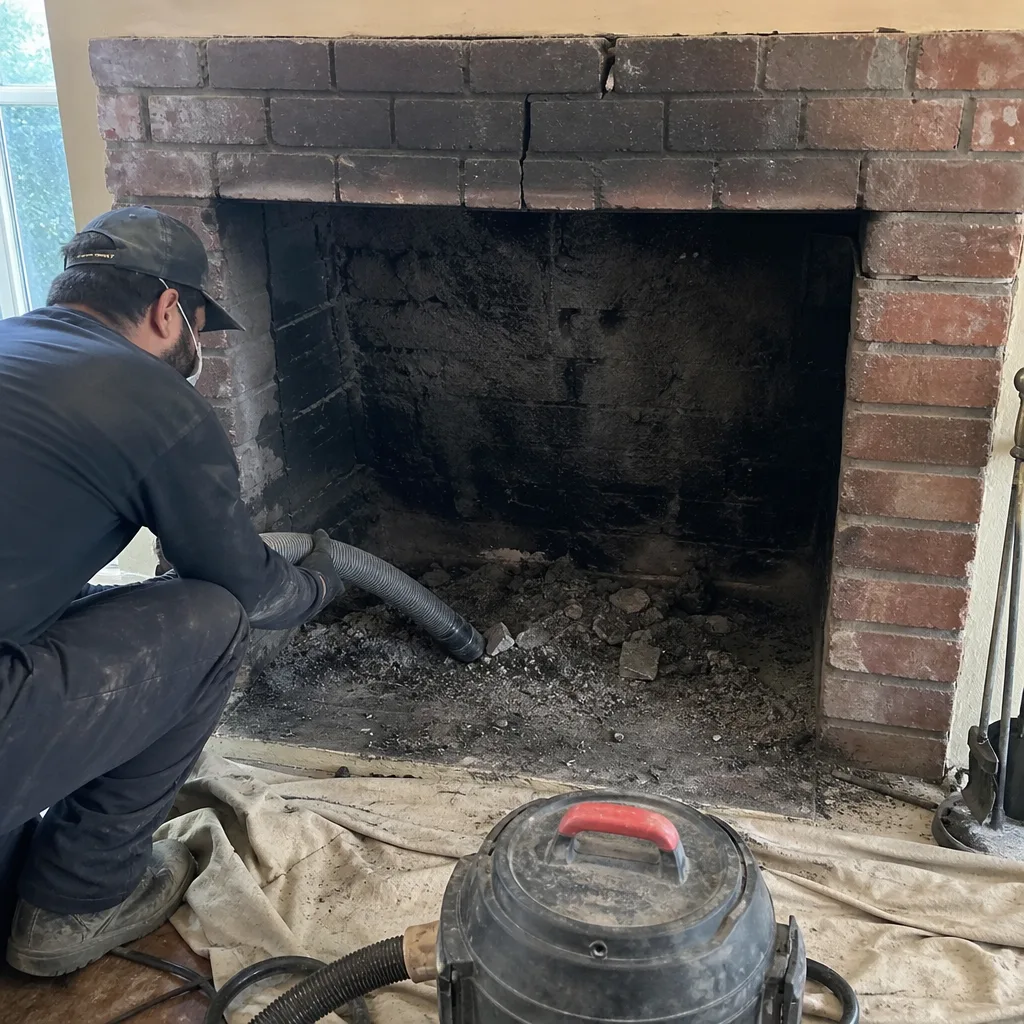 Before
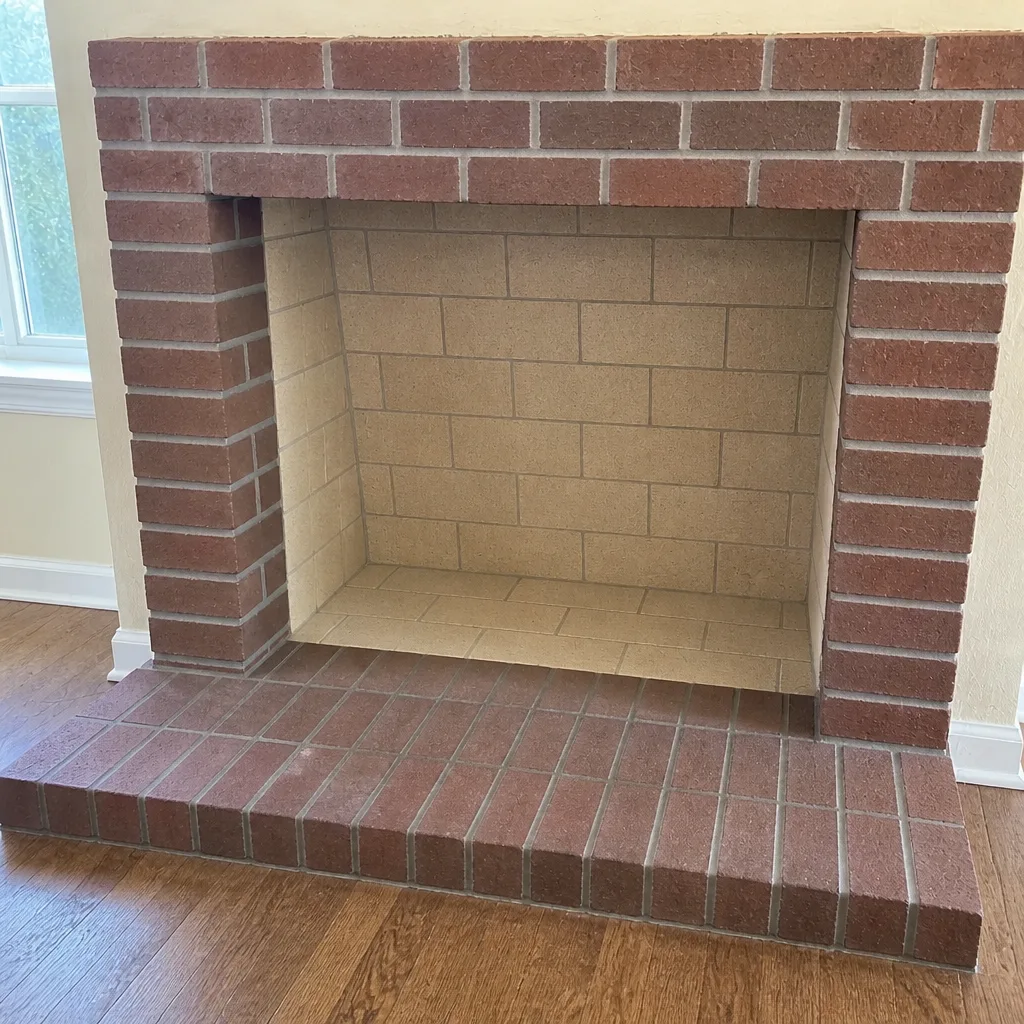 After
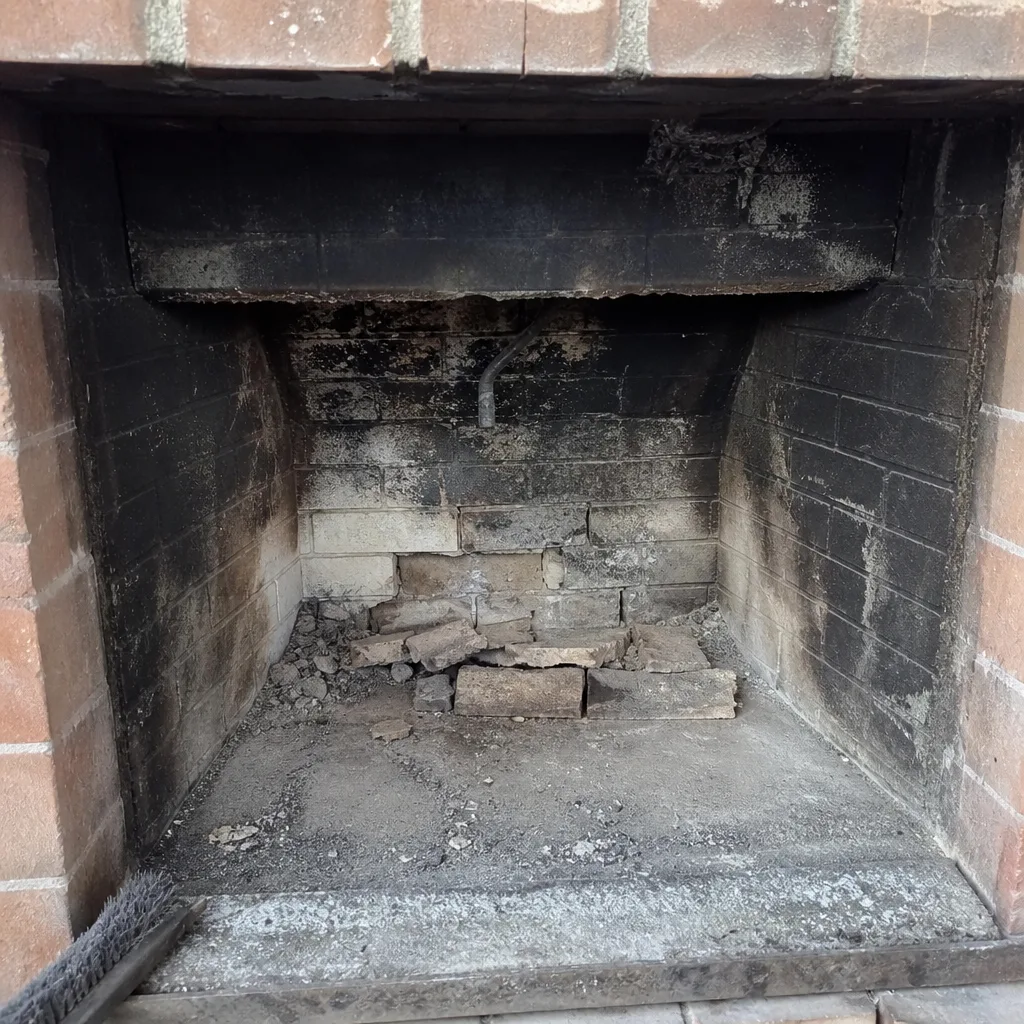 Before
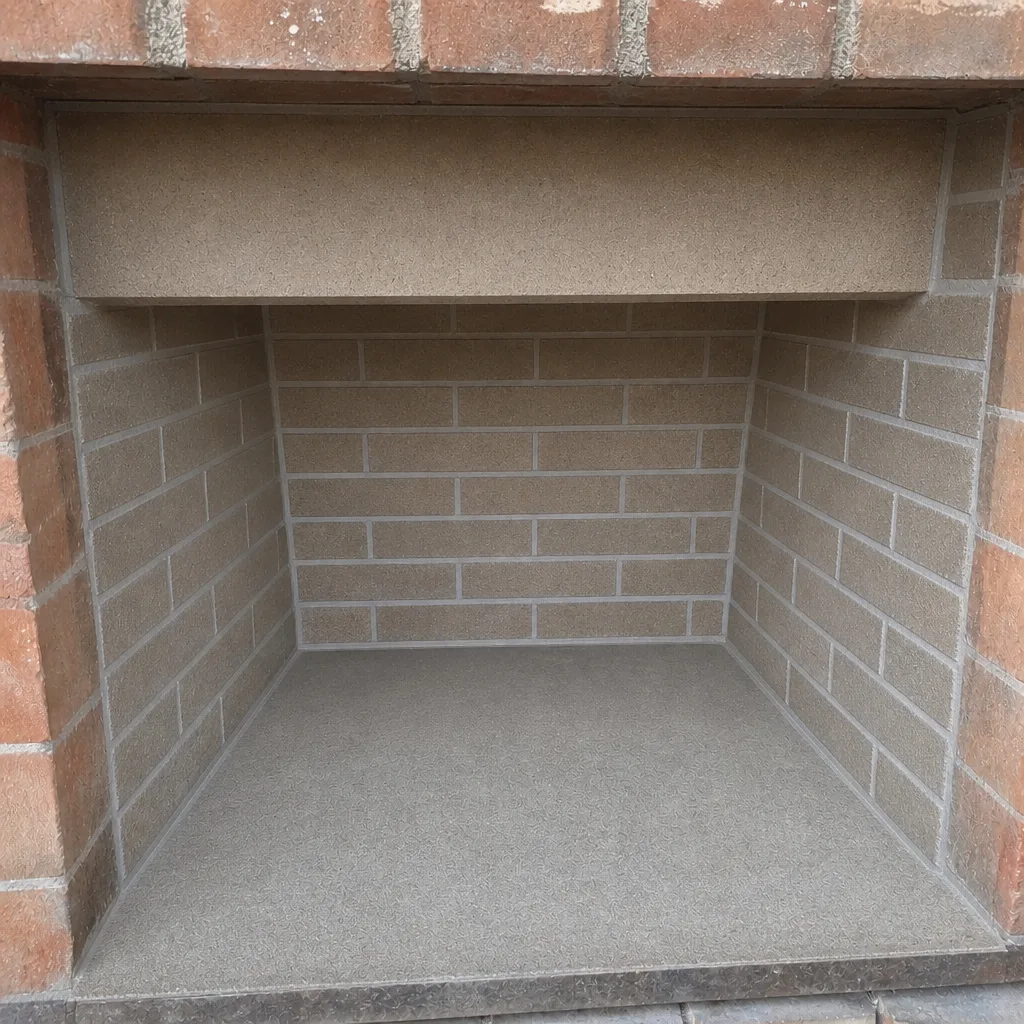 After
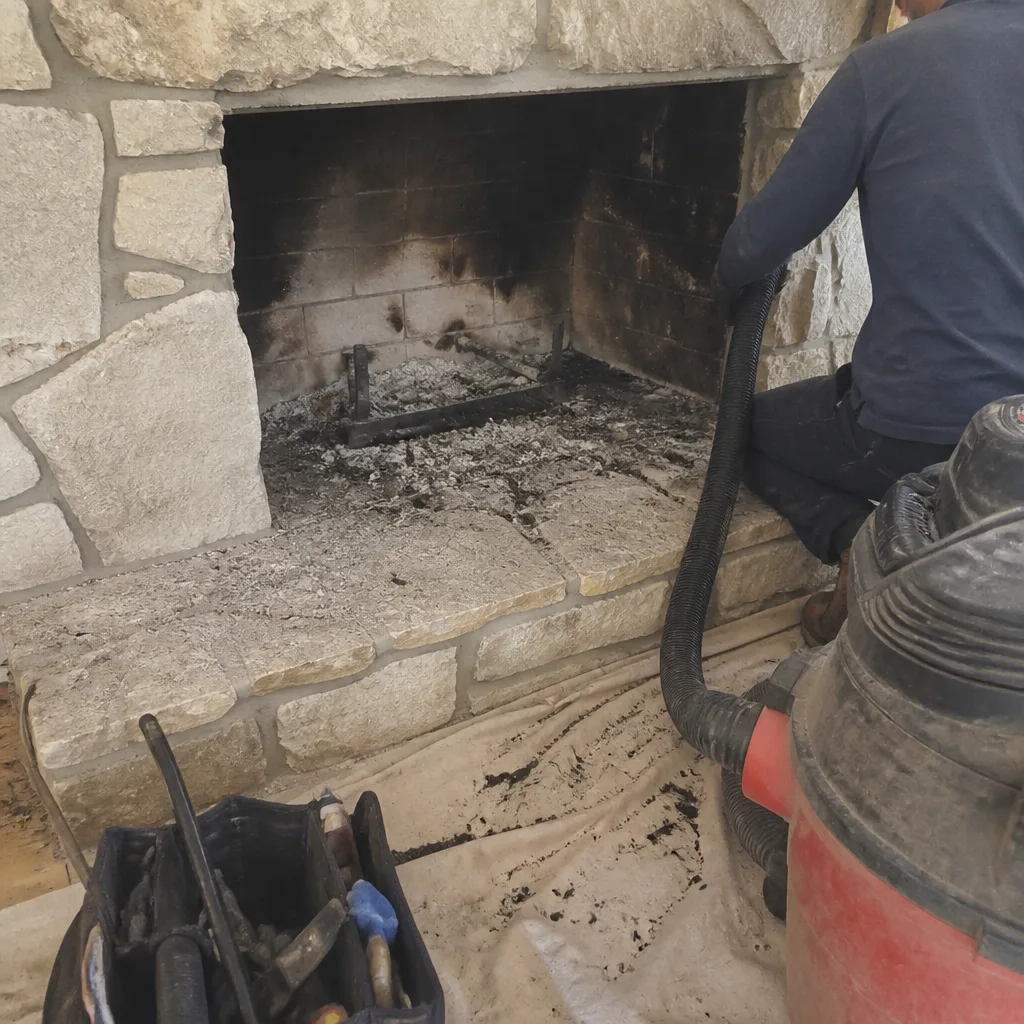 Before
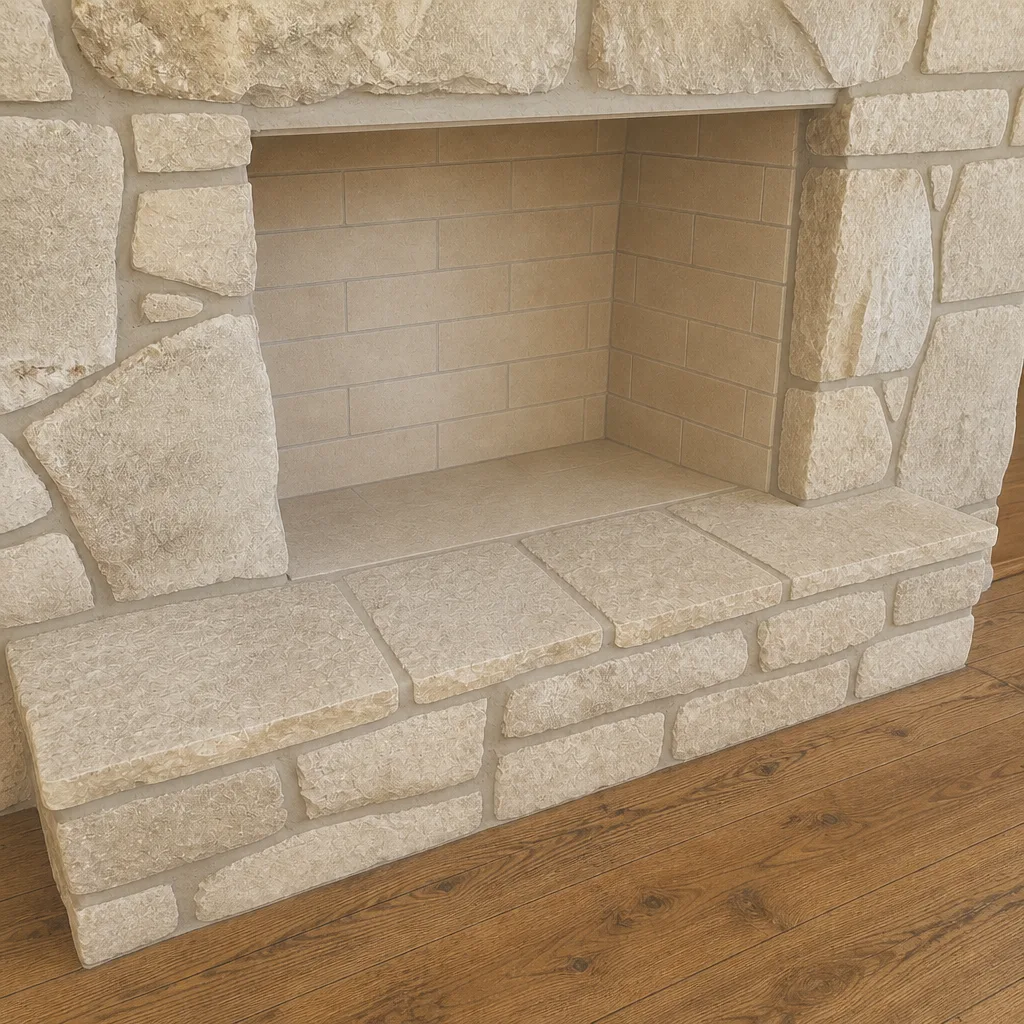 After
When to Call a Professional
Call a professional if you smell smoke in the room when the fire is burning, see soot building up on the firebox walls more than usual, notice staining on the exterior masonry, hear a change in drafting, or can’t remember the last inspection date. Any of those signs deserves a camera inspection rather than a guess. On the gas side, stop using the fireplace and call if you smell gas, hear a hiss, or see soot where there shouldn’t be any. On the repair side, call when a prior inspection flagged a cracked crown, a damaged cap, a compromised liner, or a smoke chamber that needs resurfacing.
Chimney Sweep Santa Maria offers free estimates in Santa Maria. Call (866) 389-4535. We answer 24/7. Fast dispatch from 7am to 7pm, Sunday through Friday. Everything starts with an inspection, and we don’t recommend a repair the camera hasn’t shown you.
Frequently Asked Questions
A wood-burning chimney used regularly should be swept at least once a year, and more often for heavy use above 30 fires a season. Occasional-use fireplaces lit fewer than 10 times a year often go two or three years between sweeps if the inspections come back clean. The right interval comes from the inspection findings, not the calendar. Call (866) 389-4535 for an exact schedule – estimates are free.
Yes. Gas fireplaces produce little creosote, but the vent still degrades and still blocks. A gas vent used for ambiance should get a professional inspection every two years; a gas appliance used as a primary heat source should get one every year. Call (866) 389-4535 to get yours on the calendar.
The best window is August or September, before the burning season starts and before the fall rush fills the schedule. A spring inspection after the rainy season catches water damage and cracked masonry that a fall inspection would have missed. Two touchpoints a year is the target for active wood-burning homes. Call (866) 389-4535 to book either one.
Creosote builds up and becomes a chimney fire risk, liner damage goes undetected, and small crown or cap problems turn into masonry repairs. The risk isn’t only fire; a blocked flue can also mean carbon monoxide backs up into the room. None of that has to happen if the system is inspected on schedule. Call (866) 389-4535 for a free estimate on an inspection.
Not every chimney needs a full liner replacement. When the liner is structurally intact but worn, HeatShield resurfacing can extend its life without a full reline; when the liner has failed, a DuraFlex system is one of the professional options we install. The decision belongs to the camera findings, not a guess. Call (866) 389-4535 and we’ll show you what the inspection found.
No, not safely. Creosote is flammable, the interior of a flue is a confined space, and roof access is a serious fall hazard. Homeowner checks of the cap, crown, and damper from the ground are fine; interior work belongs with a trained professional who can also inspect and document what the flue actually looks like. Call (866) 389-4535 to schedule.
The Bottom Line
There is no single chimney maintenance schedule that fits every home. Match the schedule to your usage tier: occasional use gets inspections every two to three years, moderate use gets a yearly inspection and a sweep every one to two years, and heavy use gets a sweep every year at minimum. Gas fireplaces need an inspection every two years even though they barely produce creosote. In Santa Maria, book the pre-season inspection in August or September and the post-season inspection after the rains. Keep a written log so the record answers the question before anyone has to ask it. And always lead with the inspection. Call (866) 389-4535 for a free estimate. We answer 24/7. Fast dispatch from 7am to 7pm, Sunday through Friday.
Written by the team at Chimney Sweep Santa Maria.